The Benefits of Collaborative Art Projects for Children’s Imagination
17 May 2026
Children have an incredible capacity for creativity. Their imaginations are limitless, weaving together stories, characters, and ideas in ways adults often forget. But what if there was a way to supercharge this natural creativity? Enter collaborative art projects—an engaging, hands-on approach that not only nurtures artistic expression but also builds teamwork, communication, and problem-solving skills.
In this article, we’ll dive into why collaborative art projects are essential for children's imagination, how they enhance creativity, and why they’re an absolute must for parents and educators alike. 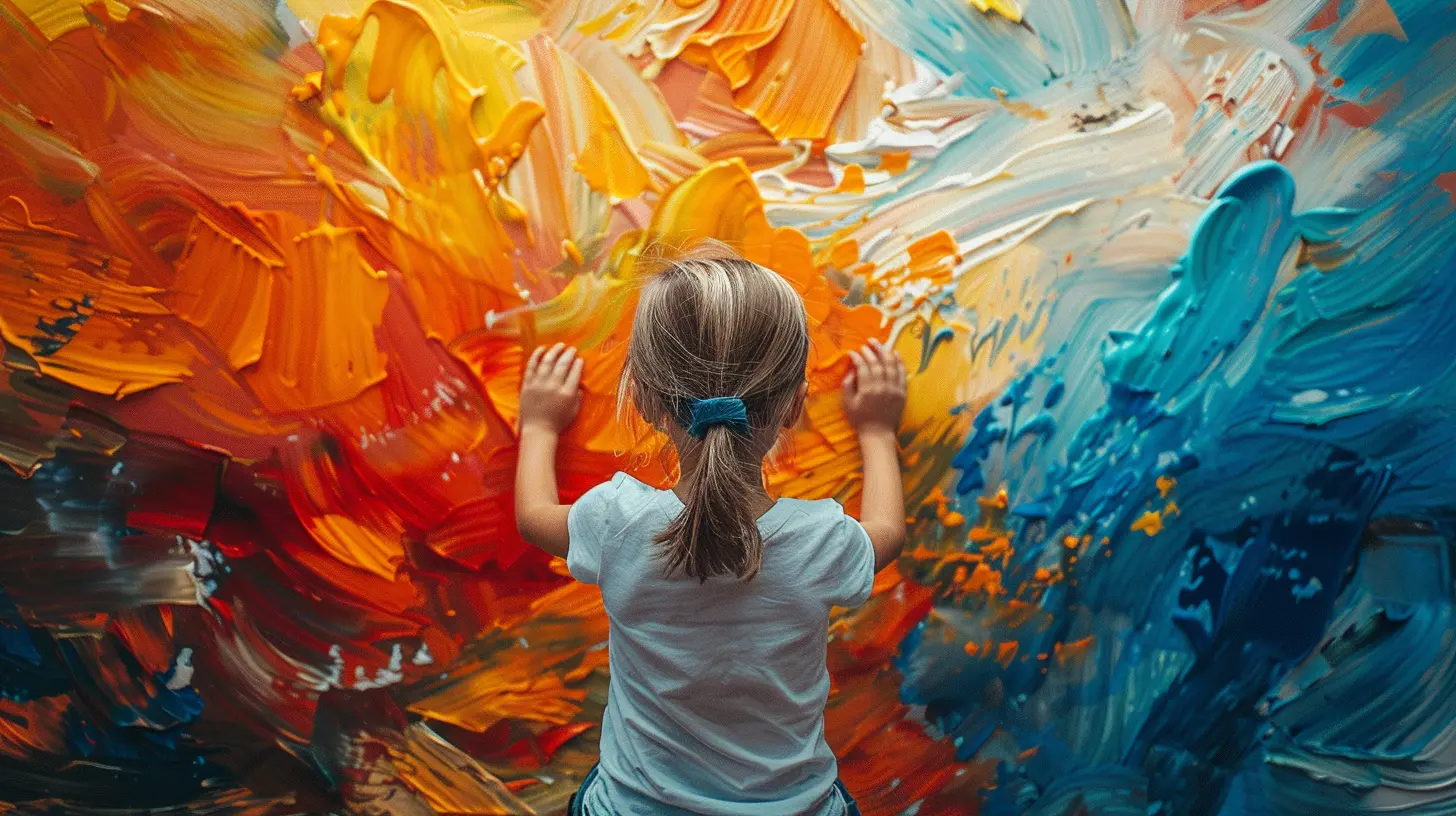
Why Imagination Matters
Before we get into the benefits of collaborative art, let’s talk about why imagination is so important for kids.1. Imagination fuels problem-solving – Thinking outside the box helps kids tackle challenges in innovative ways.
2. It promotes emotional expression – Art gives children a safe space to express emotions they might not have words for.
3. Encourages a love for learning – When kids use their creativity, they develop curiosity, which makes learning fun and engaging.
Now, let’s see how collaborative art projects take this to the next level! 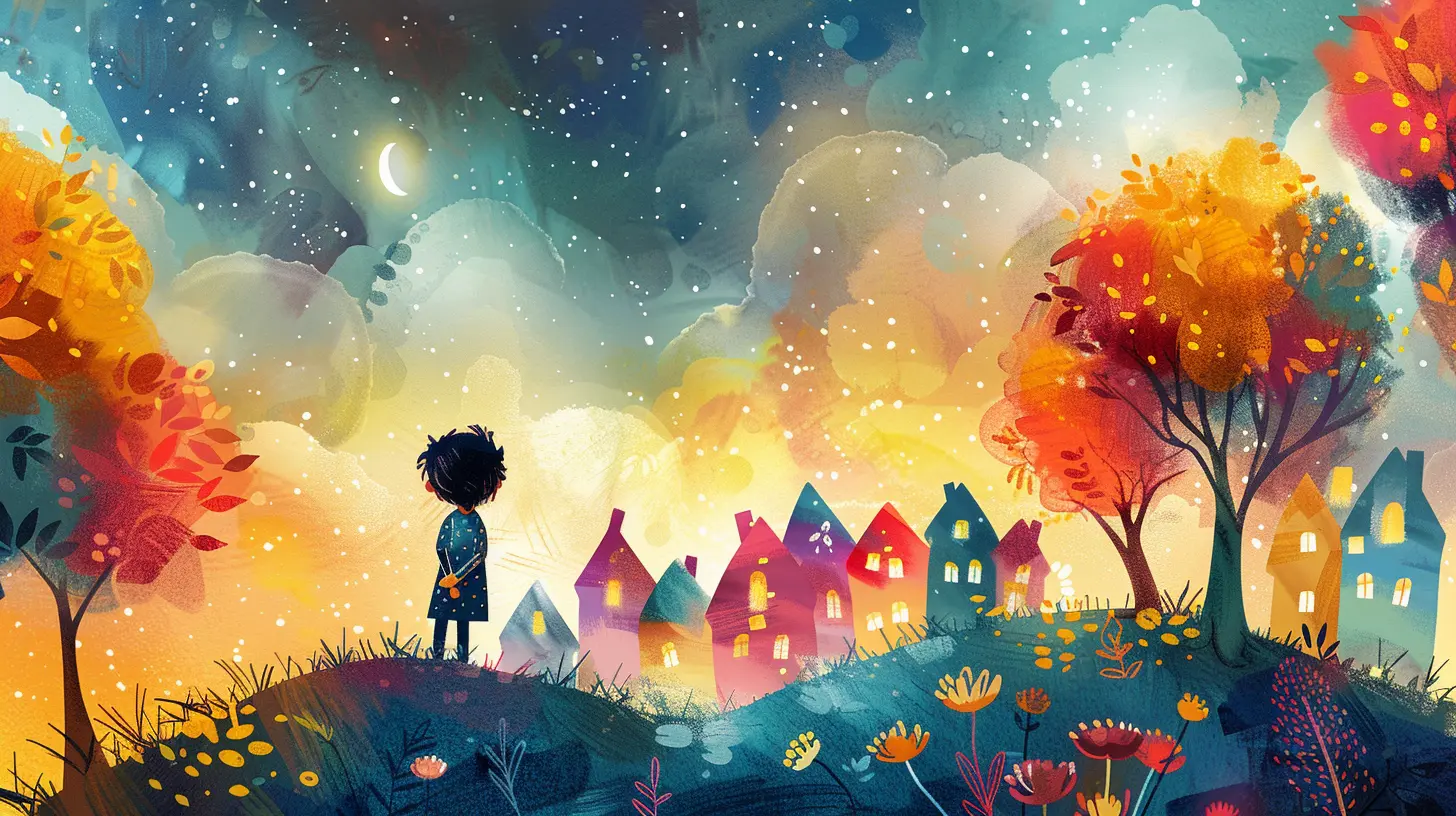
1. Boosts Creativity and Innovation
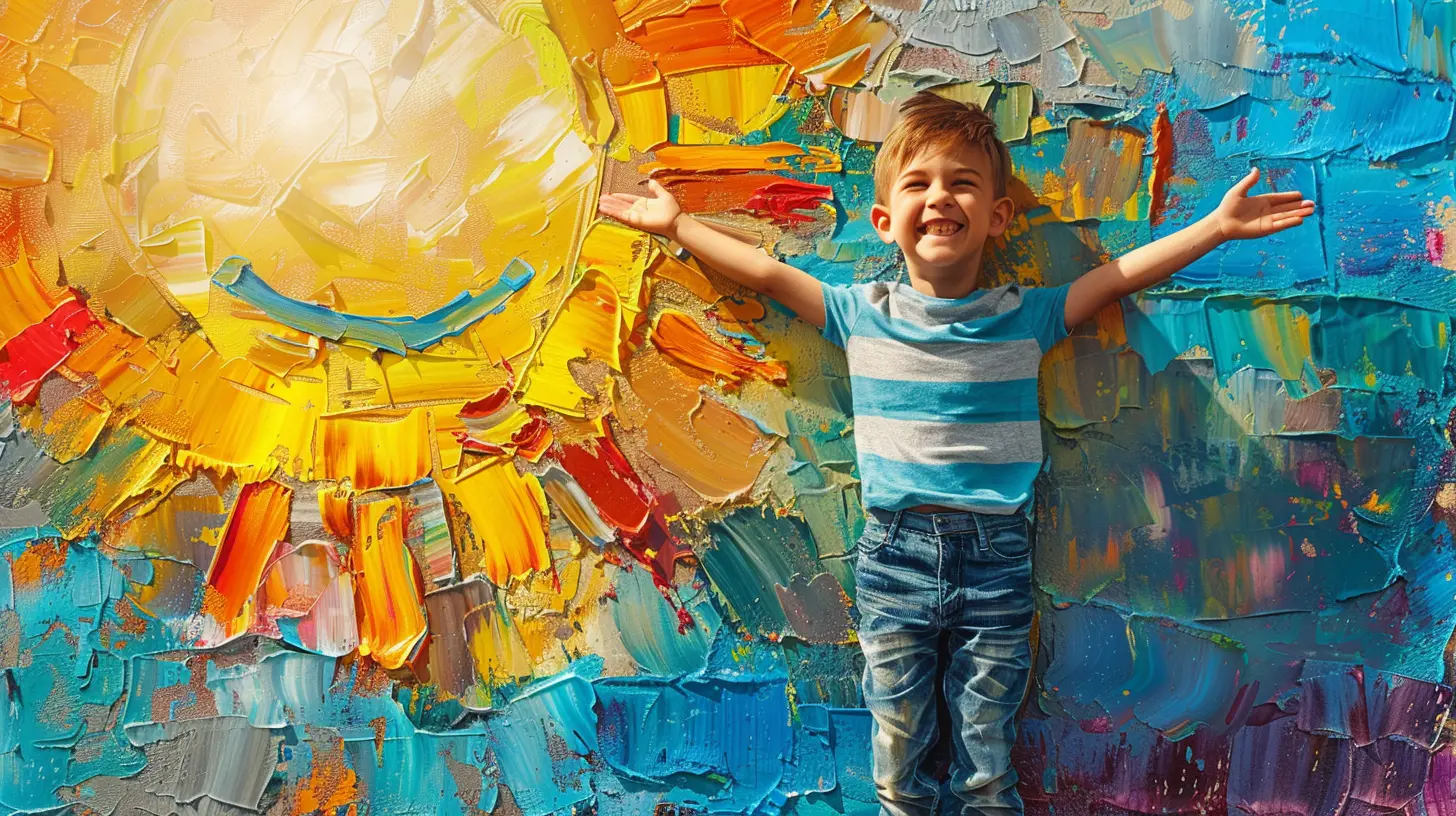
When children work together on an art project, their ideas bounce off one another like sparks in a fire. They feed off each other’s creativity, blending different perspectives into something unique and unexpected.Imagine a group of kids painting a giant mural. One child starts drawing a tree, another adds a swing, and suddenly, the whole scene comes to life! This process teaches kids that creativity is limitless—the more they share ideas, the more imaginative and dynamic their work becomes.
How It Helps:
- Encourages thinking outside the box- Fosters innovation through teamwork
- Builds confidence in creative problem-solving
2. Enhances Social and Communication Skills
Art isn’t just about creating—it’s about connection. When kids collaborate on a project, they learn valuable social skills such as:✔️ Sharing ideas without fear
✔️ Listening to others’ opinions
✔️ Giving and receiving constructive feedback
They also develop communication skills, whether by discussing a color choice or figuring out how to fit their contributions into a larger piece. This kind of teamwork builds the foundation for cooperation and empathy—skills they’ll use for the rest of their lives.
Fun Idea:
Try a group storytelling drawing session. One child starts a drawing, then passes it along for the next to add to it. By the end, they’ve worked together to create a unique, collaborative masterpiece!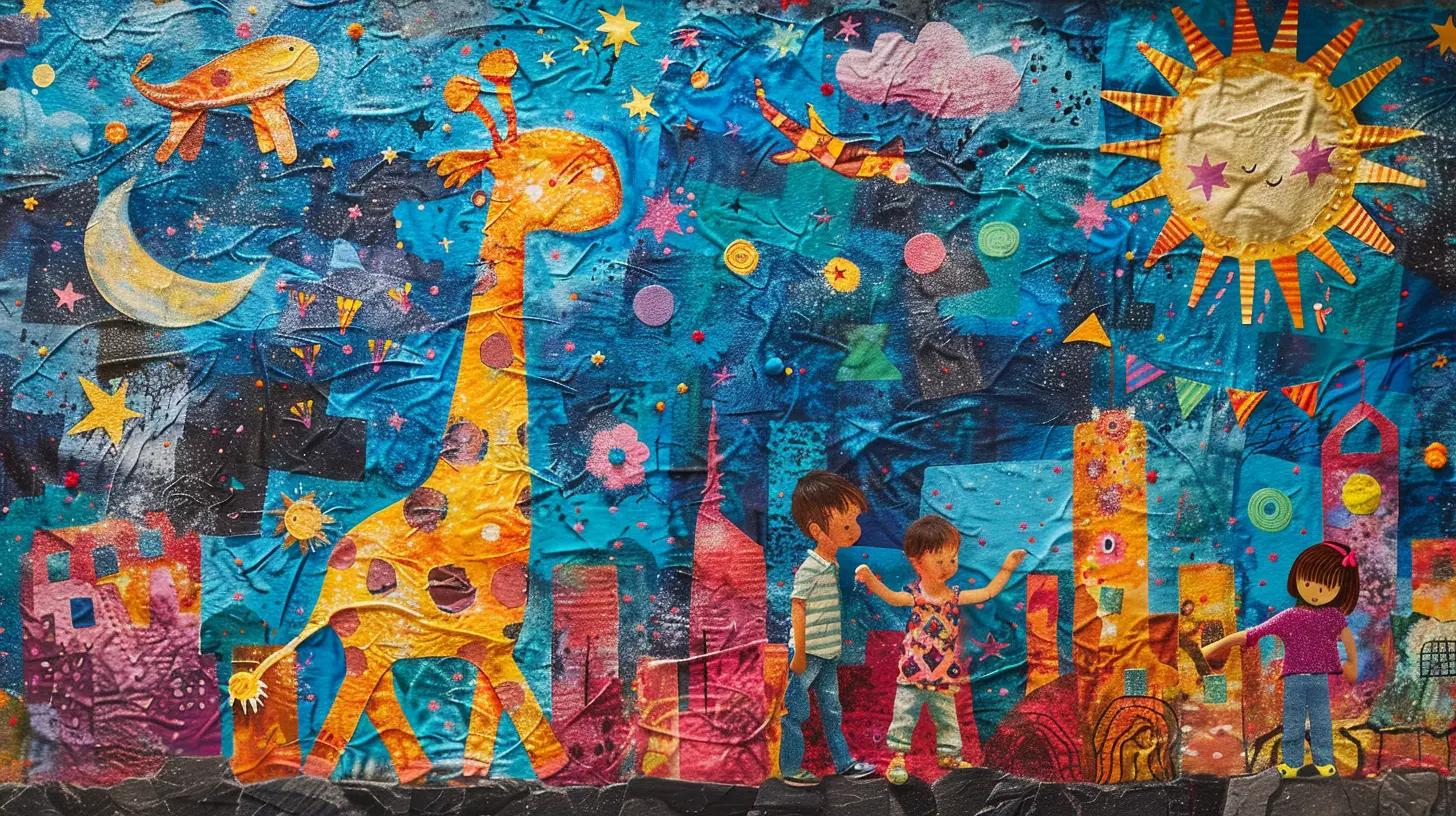
3. Builds a Sense of Community and Belonging
Ever noticed how kids light up when they’re part of something bigger than themselves? Collaborative art projects help them feel included, valued, and connected.When children work together towards a shared artistic goal, they develop a sense of ownership and pride. Whether it’s a classroom mural, a community art installation, or a simple group collage, they see firsthand how their individual contributions matter.
This sense of belonging is crucial for:
- Building self-esteem
- Encouraging teamwork
- Fostering friendships
Collaboration reminds kids that each person’s creativity adds value, making them feel proud of their work and their collaboration skills.
4. Encourages Patience and Cooperation
Let’s face it—kids can sometimes be impatient. They want immediate results, and waiting isn't exactly their favorite thing. But collaboratively creating art teaches patience, especially when they need to compromise and work at a steady pace.For example, when painting a collective mural, they have to take turns, plan out the sections, and respect one another’s artistic choices. This reinforces essential life skills like:
- Taking turns
- Waiting patiently for their chance
- Respecting others’ contributions
It’s a subtle but powerful way to instill values that go beyond art—ones that will help them in friendships, school, and even future careers!
5. Strengthens Problem-Solving Abilities
Collaborative art isn’t always smooth sailing. Maybe the colors don’t match, maybe two kids want to paint in the same space, or maybe the materials are limited. But here’s the magic: challenges spark creativity.By working together to find solutions, children develop problem-solving skills in an encouraging, hands-on way. They learn to:
✔️ Adapt when plans change
✔️ Find creative solutions for obstacles
✔️ Think critically about how to make things work
Think about it: When they grow up, will they need problem-solving skills? Absolutely! These small artistic challenges actually prepare them for bigger life decisions down the road.
6. Fosters Emotional Growth and Self-Expression
Children can’t always express their feelings in words, but art? That’s a whole different story.Collaborative projects allow kids to express their emotions in a safe and supportive environment. When they work together, they not only explore their own emotions but also become more attuned to the feelings and perspectives of others.
Group art projects create a space where kids can:
? Express joy, excitement, or even frustration through their work
? Feel supported and understood by their peers
? Turn their emotions into something beautiful and meaningful
This emotional growth is essential for developing resilience and emotional intelligence—two things that will benefit them well beyond their childhood years.
7. Encourages Open-Mindedness and Diversity Appreciation
When children from different backgrounds collaborate on art, they get to share pieces of their world. One child may introduce a traditional artistic style from their culture, while another brings in unique storytelling elements.This diversity in creative thinking fosters:
✨ Open-mindedness towards different perspectives
✨ Respect for cultural differences
✨ A broader understanding of the world through art
In today’s interconnected world, teaching kids to appreciate diversity and different ways of thinking is more important than ever.
8. Provides a Break From Screens
In an era where digital devices dominate, hands-on art projects give kids a much-needed break from screens. Instead of passively consuming media, they actively engage in creating something tangible and meaningful.It’s refreshing, stimulating, and, let’s be honest—a whole lot of fun!
So, the next time your child is glued to a tablet, consider introducing a collaborative art project instead. It’s a great way to build imagination while reducing screen time effortlessly.
Final Thoughts
Collaborative art projects do so much more than just encourage creativity. They help kids develop life skills like teamwork, communication, patience, and problem-solving—all while making the process fun and rewarding.When children work together to create something beautiful, they learn the true power of imagination and discover that the most amazing ideas often come from collaboration.
So, grab some paints, markers, and paper, and watch your child’s imagination flourish!
all images in this post were generated using AI tools
Category:
Encouraging CreativityAuthor:
Noah Sawyer
Discussion
rate this article
2 comments
Denise Foster
Collaborative art projects truly unlock children's creativity. They learn to share ideas, embrace different perspectives, and express themselves in new ways. It's amazing to see how teamwork can fuel imagination and build lasting connections.
July 4, 2026 at 2:23 PM
Noah Sawyer
Absolutely! Collaborative art projects not only spark creativity but also foster communication and understanding among children. It's inspiring to witness their growth through teamwork.
Grace McAdoo
Great article! Collaborative art sparks creativity in kids!
May 19, 2026 at 4:31 AM
Noah Sawyer
Thank you! I'm glad you enjoyed it. Collaborative art really does unlock creativity in amazing ways.