Why Process Art Is More Valuable Than the Perfect Picture
5 August 2026
Perfection. It’s something we’ve all aimed for at some point, right? Whether it’s trying to stay inside the lines of a coloring book as a kid or creating a flawless painting as an adult, the idea of a "perfect picture" seems ingrained in us.
But what if I told you that the messy, unstructured, and unpredictable process of creating art is way more valuable than achieving that picture-perfect result?
That’s where Process Art comes in. This approach isn't about making something that looks "right"—it's about the experience, the learning, and the creativity that happens along the way.
If you're a parent, teacher, or someone who loves fostering creativity, stick around. We're diving deep into why Process Art matters more than perfection—and why you should embrace the mess!
What is Process Art?
Process Art is exactly what it sounds like—art that focuses on the process rather than the final outcome. Instead of following step-by-step instructions to create a "correct" image, kids (and even adults) are encouraged to experiment, explore, and express themselves freely.Key Features of Process Art:
- No right or wrong way – It’s all about personal expression.- Open-ended creativity – No two artworks will look the same.
- Focus on exploration – It encourages trying new materials, textures, and colors.
- Stress-free – No pressure to make it look a certain way.
Process Art vs. Product Art: What’s the Difference?
Think about those cute, identical craft projects you see in classrooms—every kid's creation looks exactly the same. That’s Product Art. It’s structured, guided, and has a specific result in mind. While it teaches certain skills, it doesn't leave much room for originality.Process Art, on the other hand, is like giving a child free rein in a creativity lab. Imagine handing them a basket of paint, brushes, sponges, leaves—whatever they want to use—and saying, "Go for it!"
Why Does This Matter?
Because art isn’t just about making something pretty—it’s about thinking, feeling, and learning. And that’s where Process Art truly shines.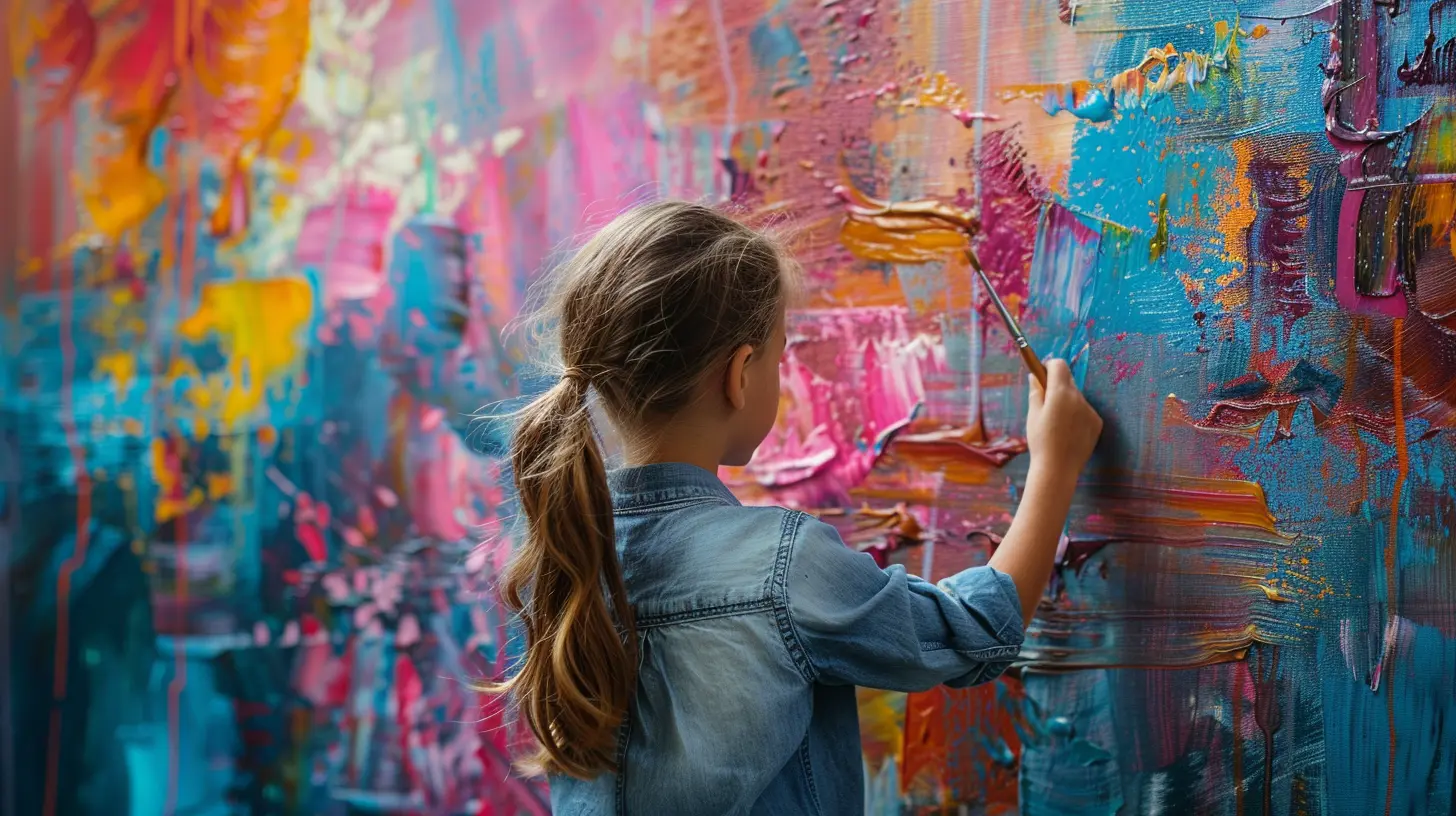
The Benefits of Process Art
1. Encourages Creativity and Imagination
When kids don’t have to follow a strict set of rules, their imagination takes over. They start asking questions like:- "What happens if I mix these colors?"
- "Can I paint with a sponge instead of a brush?"
- "What if I use my fingers instead?"
These moments of curiosity fuel critical thinking and expand creativity beyond art—helping kids approach problems in innovative ways.
2. Builds Confidence and Independence
Ever heard a child say, "I can’t draw that!"? That fear of failure disappears with Process Art. Since there’s no right or wrong way to create, kids gain confidence in their abilities.They start believing in their choices, which helps build independence and a "let’s try it and see what happens!" attitude—something that benefits them in all areas of life.
3. Reduces Stress and Perfectionism
Perfectionism can be paralyzing. If kids feel pressured to make something “just right,” they may hold back or avoid trying altogether.Process Art takes away that stress. Instead of worrying about how their art should look, they focus on how it feels to create. The result? A fun, relaxing experience that promotes emotional well-being.
4. Supports Fine Motor Development
You might not think about it, but every time a child squeezes glue, rips paper, or holds a paintbrush, they’re refining their fine motor skills. These small movements strengthen hand muscles and improve coordination, which is crucial for writing, buttoning clothes, and other everyday tasks.5. Encourages Problem-Solving Skills
When kids work on open-ended art projects, they experiment and troubleshoot. Maybe the color won’t blend as expected, or the glue takes longer to dry. These seemingly small challenges teach them to adapt, rethink strategies, and find creative solutions—skills that will help them far beyond the art table.6. Promotes Emotional Expression
Sometimes, kids don’t have the words to express their feelings. Art gives them an outlet to communicate emotions in a safe and creative way. They might splatter paint to release frustration, use soft colors for calmness, or draw chaotic swirls when they feel excited.This kind of expression is especially valuable for children who struggle with verbal communication.
7. Makes Learning Fun
Want to sneak some STEM learning into playtime? Process Art naturally introduces scientific concepts like:- Cause and effect (What happens when I mix red and blue?)
- States of matter (Watching paint dry and change texture)
- Gravity (Dripping paint down a canvas)
And the best part? They don’t even realize they’re learning!
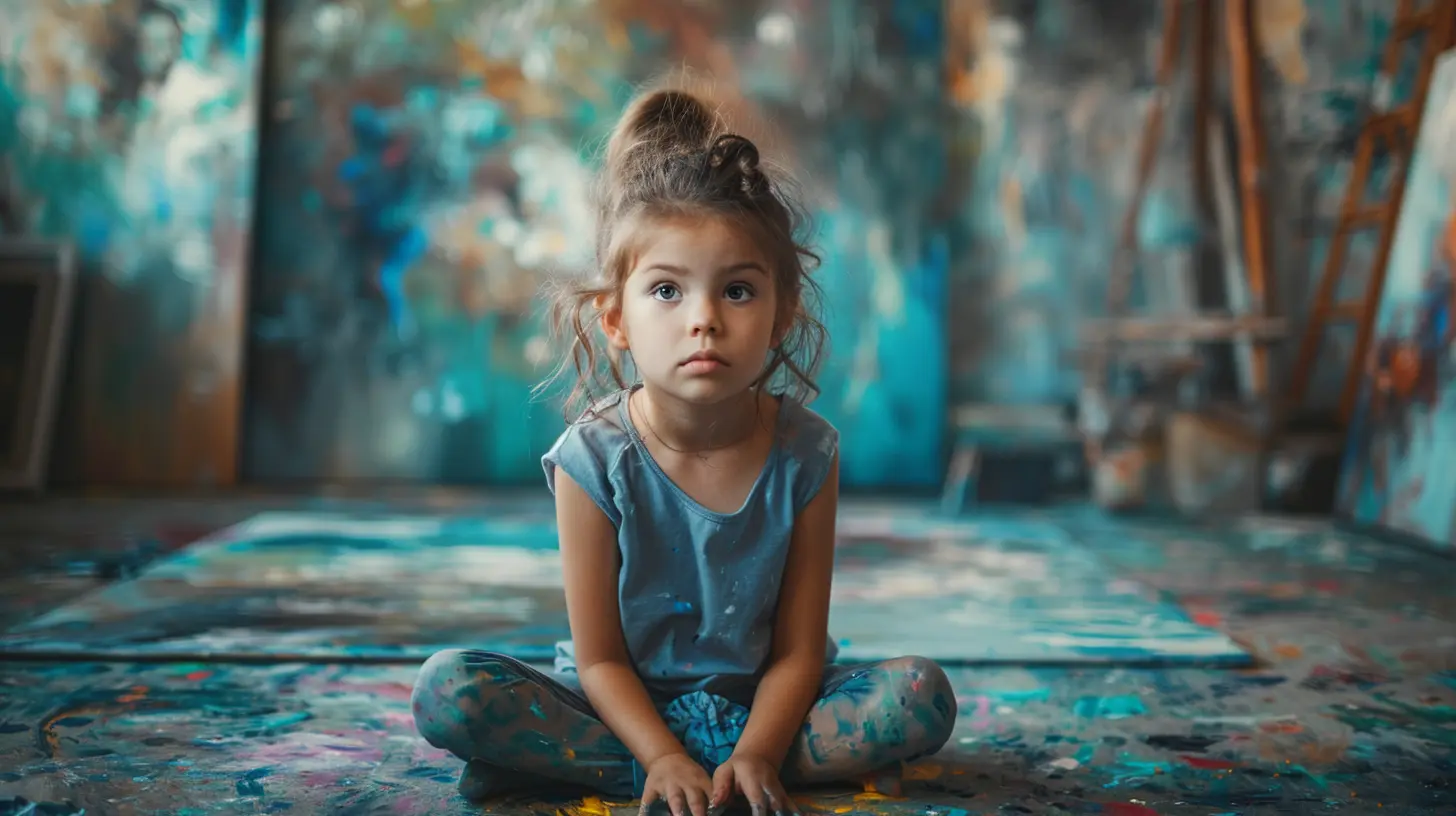
How to Foster Process Art at Home
Now that you know how amazing Process Art is, how can you integrate it into your child's routine? It’s easier than you think!1. Provide Open-Ended Materials
Give kids access to different supplies and let them decide how to use them. Some great options include:- Paint (watercolor, acrylic, finger paints)
- Paper (colored, textured, cardboard)
- Clay or playdough
- Fabrics, yarn, or ribbons
- Natural materials (leaves, sticks, sand)
- Recyclable items (bottle caps, cardboard tubes)
2. Let Go of Expectations
Resist the urge to guide their work. Instead of saying, "Why don’t you draw a tree?", try "Tell me about what you’re making!"3. Celebrate the Process
Focus on their effort rather than the outcome. Compliments like:- "I love how you mixed those colors!"
- "Wow! That pattern is so cool!"
- "You worked so hard on this!"
help reinforce their creativity and effort rather than the final product.
4. Encourage Exploration
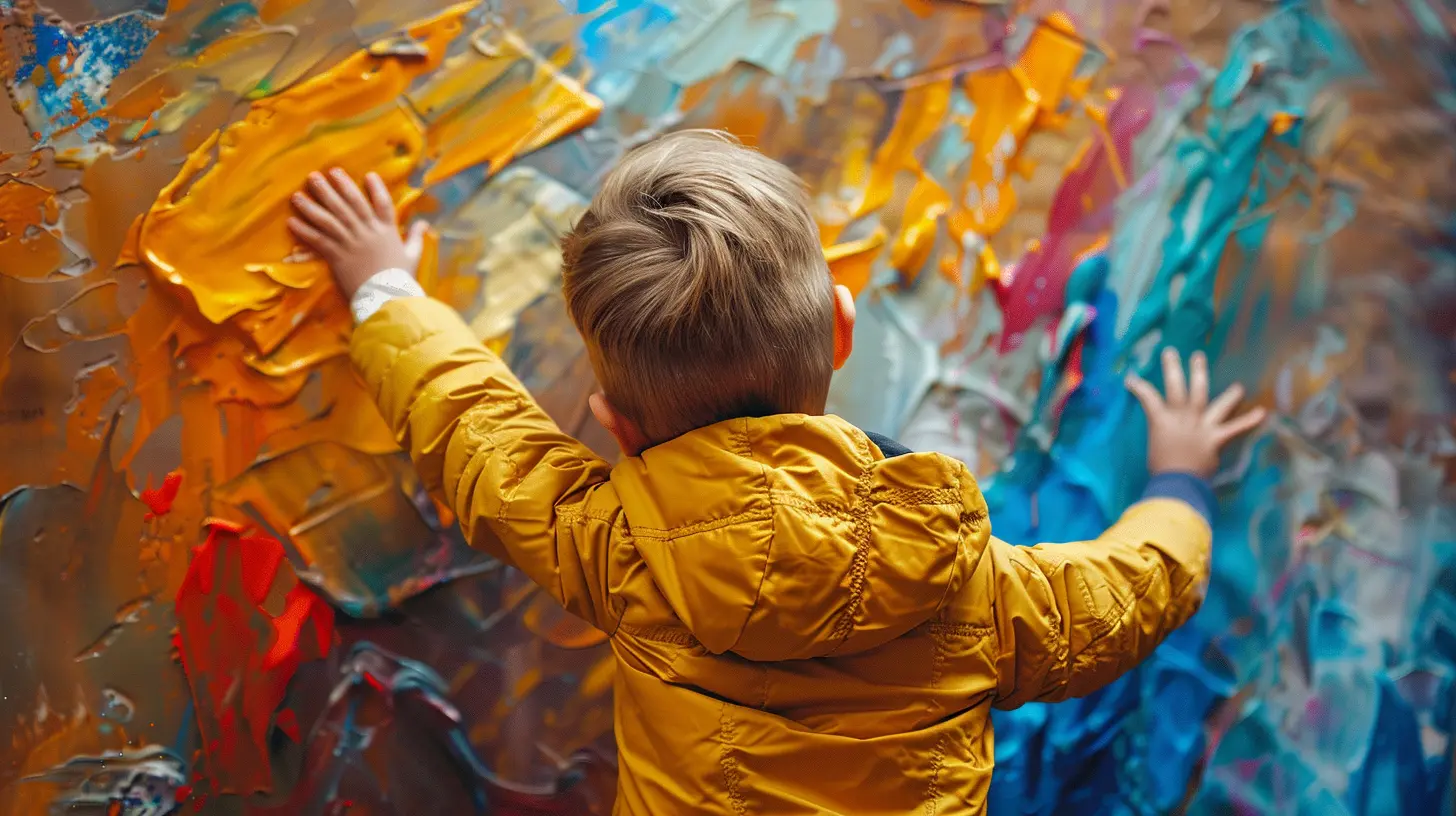
Let them experiment freely! If they want to use a sponge instead of a brush, let them. If they want to paint with their hands, go for it. The messier, the better!5. Display Their Work (Without Judgment)
Showcase their art at home—on the fridge, on a bulletin board, even framed! It tells them their creativity is valued, regardless of how it looks.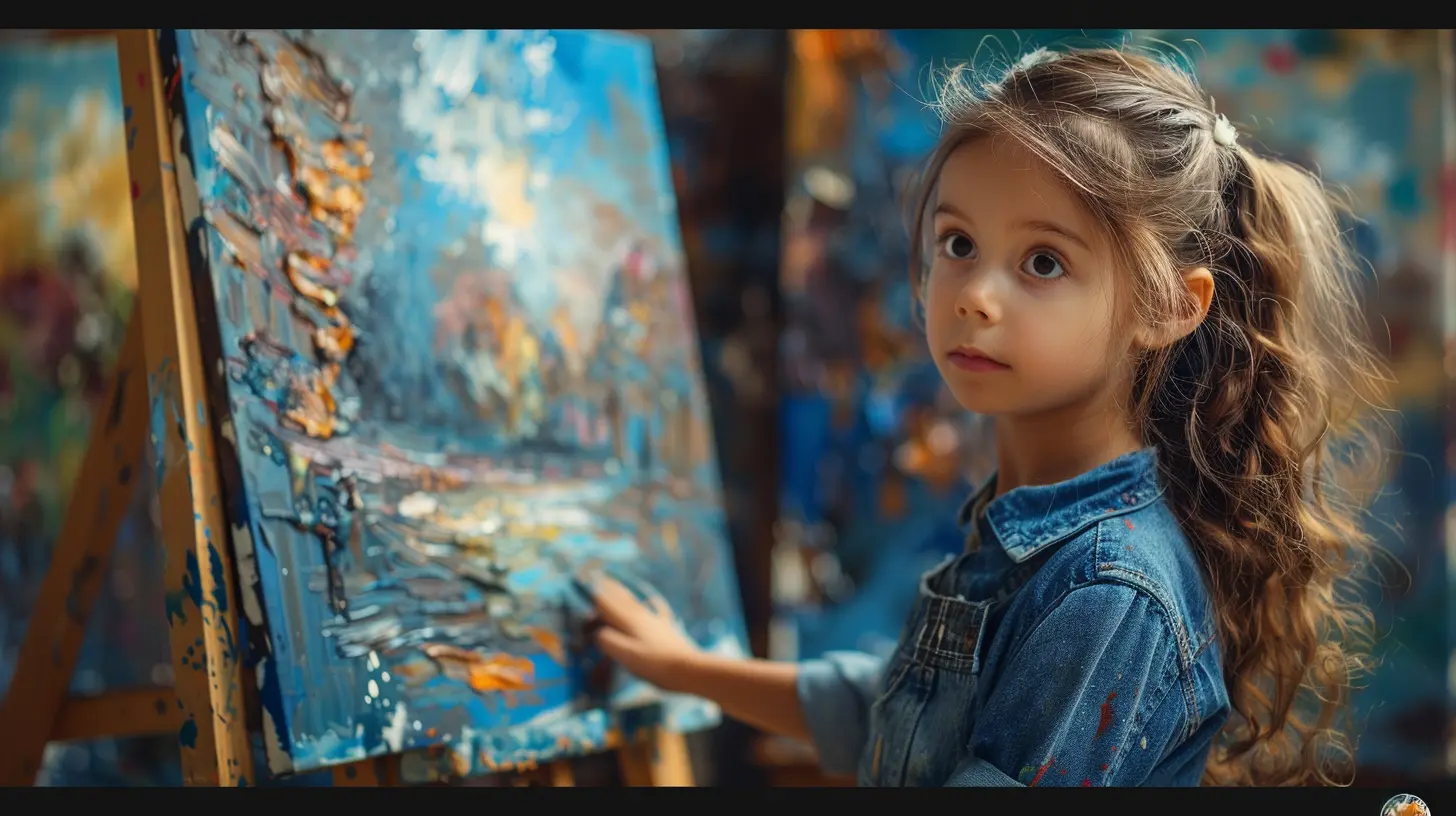
Final Thoughts: Embrace the Mess, Celebrate Creativity
In a world that often prioritizes perfection, Process Art reminds us that the journey is more important than the destination.Giving kids the freedom to create without pressure fuels confidence, imagination, and joy—things no “perfect” picture can ever truly capture. So, the next time your child picks up some paint, resist the urge to show them what it “should” look like. Instead, hand them the brush and let them show you their world.
Messy? Yes.
Unpredictable? Absolutely.
More valuable than perfection? Without a doubt.
all images in this post were generated using AI tools
Category:
Encouraging CreativityAuthor:
Noah Sawyer
Discussion
rate this article
1 comments
Christina Barnes
Process art encourages creativity and self-expression without the pressure of perfection. It allows children to explore ideas and emotions freely, fostering problem-solving skills and resilience. Focusing on the journey rather than the end result nurtures a deeper appreciation for art.
August 25, 2026 at 3:27 AM
Noah Sawyer
I completely agree. Emphasizing the process over perfection truly cultivates creativity and emotional growth in children. It's about the experience and discovery along the way.