Setting Boundaries Around Chores and Responsibilities
12 July 2026
Do you ever feel like you're the only one in your house who actually sees the laundry piling up or the dishes stacking like a game of Jenga gone wrong? That moment when you realize your kid has walked past the overflowing trash can three times and didn’t even blink? Yup, we’ve all been there.
Setting boundaries around chores and responsibilities isn’t just about getting your house in order. It’s about building respect, teaching life skills, and making sure the load isn’t always on your shoulders. Boundaries create balance—and let’s face it, parenting without boundaries is like parenting without coffee... messy, exhausting, and borderline impossible.
Let’s dive into how you can set clear, kind, and effective boundaries around chores at home without sounding like a drill sergeant or feeling like a broken record.
Why Boundaries Are a Game-Changer
Okay, real talk. Boundaries aren’t about being bossy or controlling—far from it. They’re more like the bumpers in a bowling alley. They guide your kids and keep them from veering off course while still letting them do the rolling.When you set boundaries around chores and responsibilities:
- ? You reduce resentment (yours and theirs)
- ? Everyone knows what’s expected of them
- ? You’re teaching them accountability and life management skills
- ❤️ You're fostering mutual respect
It’s about creating a team mentality where everyone pitches in. ‘Cause family is a team, right? And no team works when one player is doing all the work.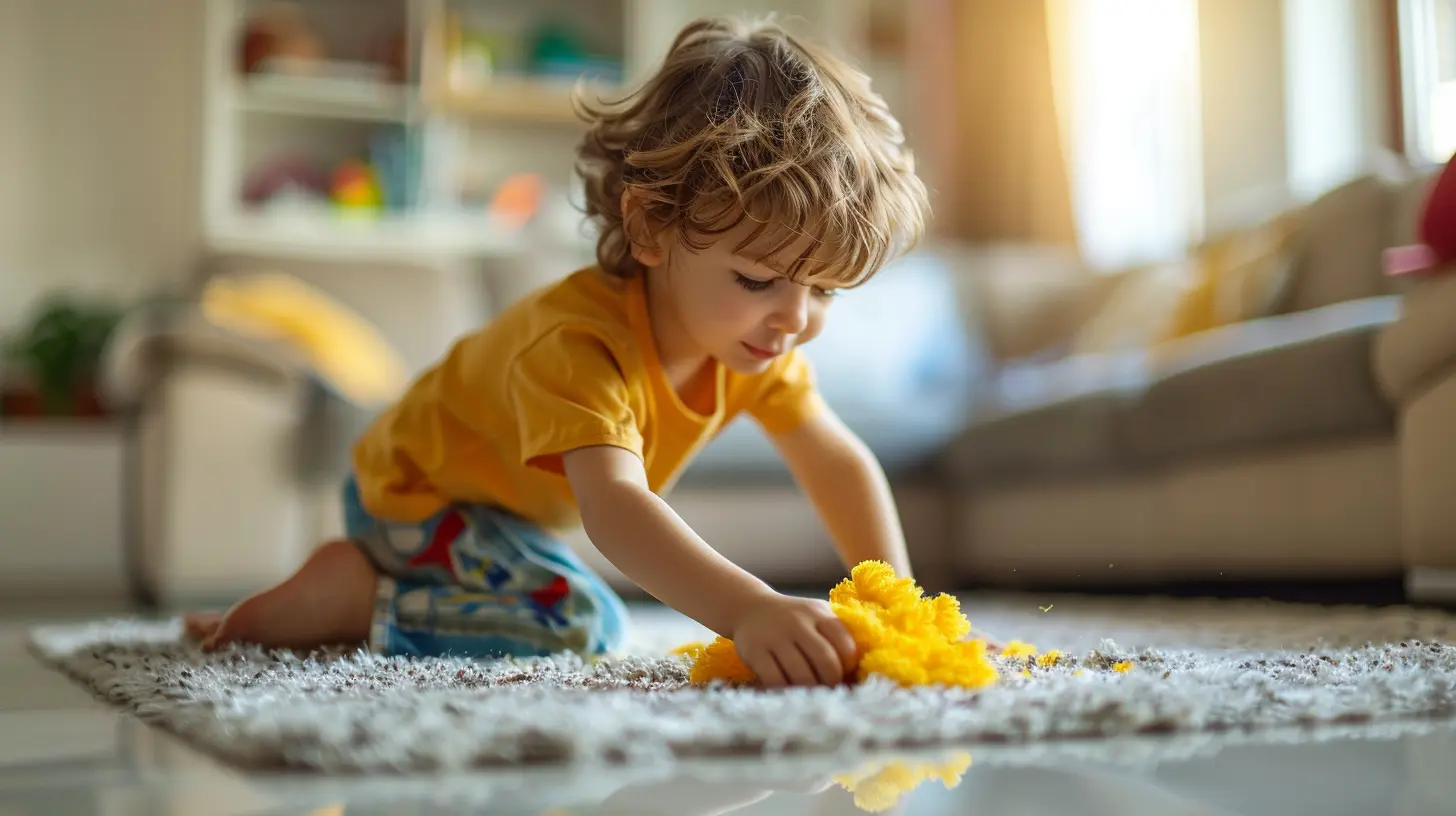
The Foundation: Communication Is Key ?
Before anything else, TALK. Sit down as a family and have an open conversation about chores and how the house runs. You’re not giving a TED Talk here, just a real conversation.Ask questions like:
- “How do you feel about the way chores are handled now?”
- “What do you think needs to change so things feel more fair?”
- “How can we all contribute in a way that works for each of us?”
When everyone feels heard, resistance drops. You’re not just giving orders—you’re building a household where everyone is invested.
Keep It Age-Appropriate (Because Duh)
Listen, your 4-year-old isn’t going to clean the bathroom top to bottom, but your teenager? They’re totally capable.Here’s a super simple breakdown:
| Age | Chores They Can Handle |
|----------|-----------------------------------------|
| 2–4 yrs | Put toys away, wipe spills, feed pets |
| 5–7 yrs | Make bed, set/clear table, dust light surfaces |
| 8–10 yrs | Vacuum, take out trash, fold laundry |
| 11+ yrs | Do laundry, clean bathroom, cook simple meals |
Tailor your expectations to their abilities. Giving a kid a task they’re not ready for is setting them up to fail—and that’s the opposite of confidence-building.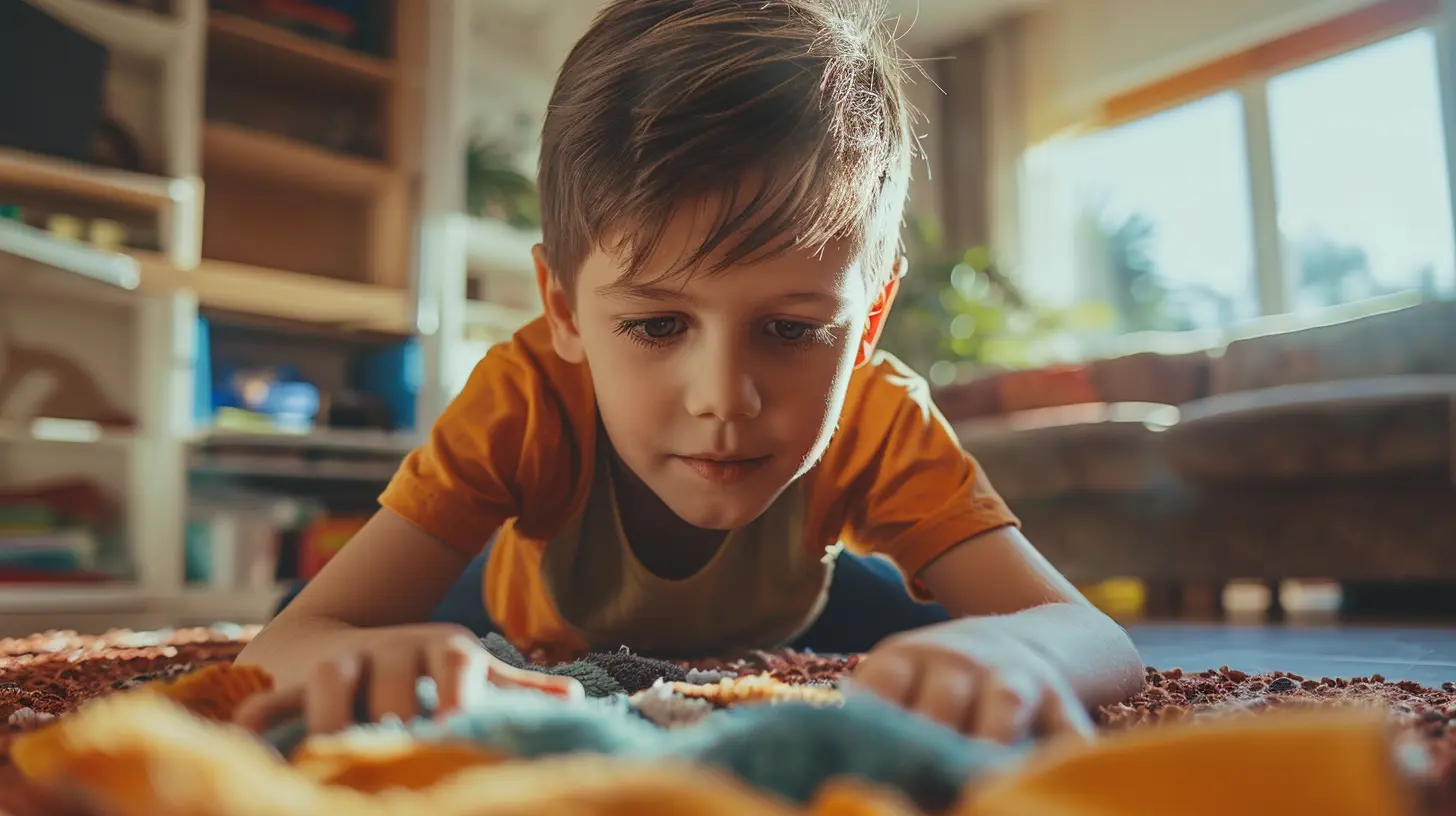
Create a Chore Chart (No, It’s Not Just for Pinterest Moms)
It doesn’t have to be a glittery, laminated masterpiece, but chore charts work. Why? Because they make things visible and consistent. No more “But I didn’t know it was my turn!” excuses.You can go old-school with a whiteboard or find a free app that tracks chores and responsibilities across the week.
Bonus tip: Let your kids help create the chart. When they have a say in how it’s set up, they’re more likely to stick to it.
Define Responsibilities, Not Just Tasks
This one’s a game-changer. Don't just assign chores—assign ownership.Instead of saying, “Take out the trash on Tuesdays,” say, “You're in charge of the trash this week.”
Why does this matter? Because ownership builds responsibility. If they’re “in charge” of something, they’re more likely to notice when it needs doing—without being reminded every five minutes.
Be Clear, Be Firm, Be Kind
Let’s break this down:- Clear: Don’t be vague. “Clean your room” can mean 100 things to a kid. Be specific. “Put all clothes in the hamper, books on the shelf, and vacuum the floor.”
- Firm: Once a boundary is set, stick to it. If the rule is “No screen time until chores are done,” then no last-minute exceptions. Kids are boundary testers—it’s in their DNA.
- Kind: Your tone makes all the difference. Boundaries don’t need to come with a side of yelling. Be calm, be respectful, and keep communication open.
Natural Consequences > Punishments
Let the consequences speak for themselves. Didn’t do the laundry like you were supposed to? Guess who doesn’t have clean socks tomorrow?When kids feel the natural impact of not following through, they’re more likely to remember the lesson—and it doesn’t require you to become the “mean parent.”
Use Praise (But Make It Real)
We all love a good pat on the back. So do your kids. But here’s the thing—you have to make praise meaningful.Skip the generic “Good job” and go for specifics:
- “I noticed you cleaned the kitchen without being asked—thank you!”
- “You kept your room tidy all week. That shows great responsibility.”
It’s these small acknowledgments that build their internal motivation.
Make It a Family Value ?
If chores always feel like a punishment, they’ll always be resisted. Flip the script.Talk about chores as a part of caring for your space, your family, and yourself. Make it part of your family identity like:
- “In our house, we take care of our things.”
- “We all pitch in because we all live here.”
- “Responsibility is how we show respect to each other.”
Start building a culture where responsibility is celebrated—not dreaded.
Don’t Forget Yourself
You can’t preach boundaries if you’re not living them.Are you doing too much because it’s "easier" or because you feel guilty asking for help? That’s a habit worth breaking. Your kids are watching, and if you’re constantly overdoing it, that becomes the norm.
Delegate. Let go of perfect. Good enough is good enough.
And here’s something wild: Kids actually feel empowered when they’re trusted with responsibility. You’re not burdening them; you’re equipping them.
When Things Go Sideways (Because They Will)
Let’s keep it real: Even with the best systems, there will be resistance. Eye rolls, foot-dragging, maybe even a full-on chore rebellion.Instead of freaking out, hit pause and reassess:
- Is the chore expectation still age-appropriate?
- Is something else going on emotionally or socially?
- Are the expectations clear enough?
Use hiccups as teaching moments. Problem-solving together builds trust and resilience... and gets things back on track without drama.
Keep It Flexible, Not Flimsy
Life happens. School projects, sports practices, surprise visits from the grandparents. The goal isn’t rigidity—it’s balance.Build in the flexibility to shift chores as needed, but always return to the routine. It’s like a rubber band: stretch when you need to, but snap back to structure.
Model It Like You Mean It
Last but definitely not least—you’ve gotta walk the walk. If you groan every time you do dishes or avoid your own responsibilities, your kids will notice.When they see you taking care of your duties with (somewhat) grace and consistency, they learn that responsibility is just part of being a functioning human. And that’s the biggest lesson you could ever teach them.
Final Thoughts: It’s Not About Perfection, It’s About Progress
Setting boundaries around chores and responsibilities isn’t a one-time thing. It’s an evolving process. It changes as your kids grow, as your family changes, and as life happens.The key is consistency, compassion, and communication. You won’t get it perfect—and that’s okay. What matters is that you’re creating a home where everyone contributes, everyone learns, and everyone grows.
Start small. Start today. And remember—you’re not just getting the trash taken out. You’re raising responsible, capable, thoughtful human beings. And that? That’s the real win.
all images in this post were generated using AI tools
Category:
Parenting BoundariesAuthor:

Noah Sawyer
Discussion
rate this article
1 comments
Lauren Bowers
Setting boundaries around chores can create a sense of responsibility and teamwork in your home. Remember, it's about guiding kids to thrive, not just about getting tasks done. Celebrate small victories together... they really add up!
July 12, 2026 at 2:40 AM
Noah Sawyer
Absolutely! Celebrating those small wins fosters a positive atmosphere and teaches kids valuable life skills. It's all about growth together.