Nurturing Creativity in Toddlers Through Everyday Activities
21 July 2026
Let's be honest—parenting a toddler is a full-time job packed with surprises, giggles, and the occasional (okay, frequent) mess. But amidst the Lego landmines and crayon-covered walls lies something magical: your toddler’s wild, curious imagination just waiting to be nurtured. And guess what? You don’t need fancy toys or art classes to spark it. You’ve already got the secret sauce—everyday life.
In this article, we're diving into realistic, fun, and super simple ways you can nurture creativity in toddlers through things you’re probably doing already. Whether you’re folding laundry or setting the dinner table, there’s a way to turn those moments into mini creative adventures. Sound like a win? Let’s get to it.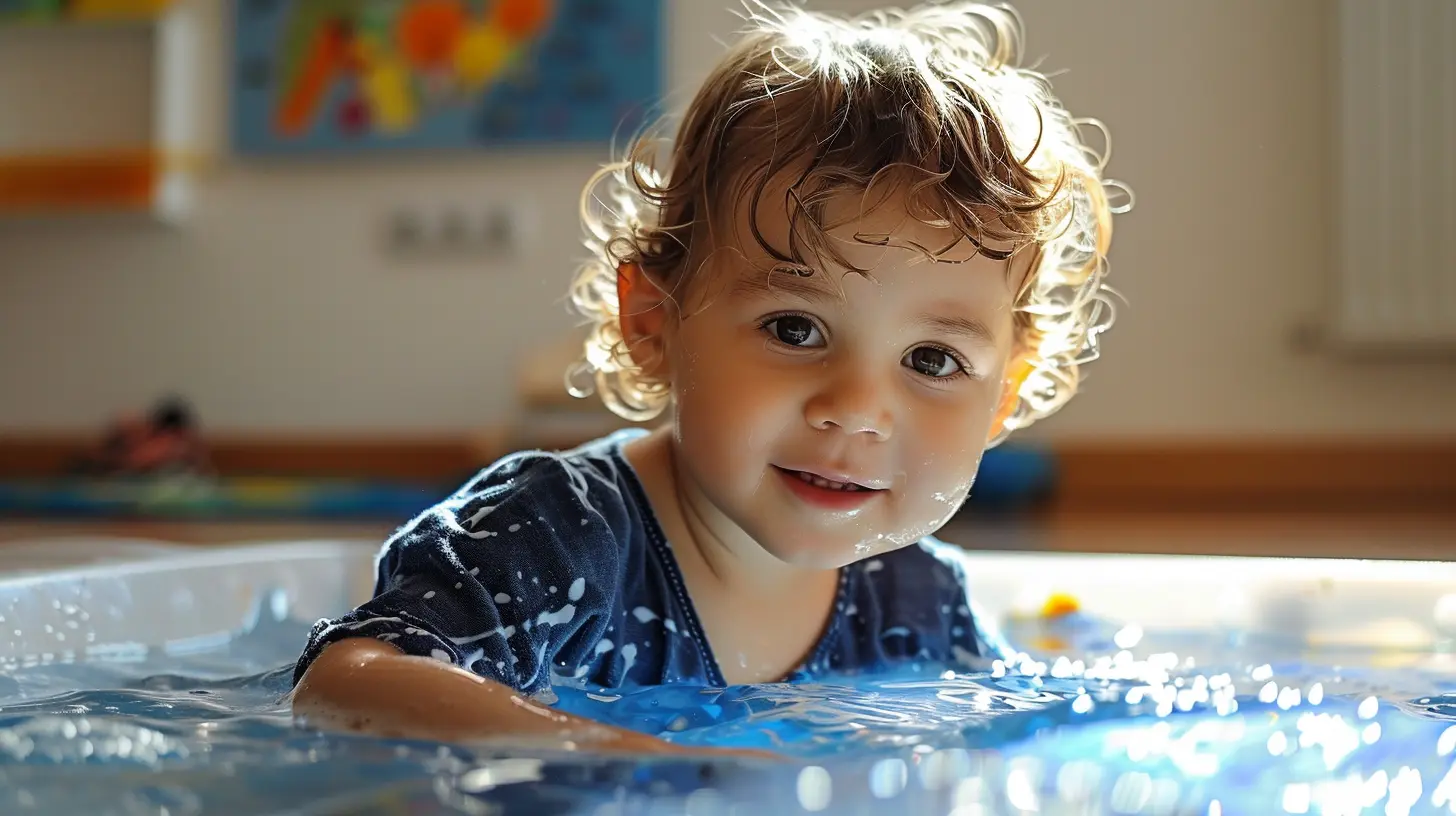
Why Creativity Matters So Much at This Age
Before we jump into the how, let’s chat for a second about the why. Toddlers are naturally curious; they’re tiny scientists and artists rolled into one adorable, snack-obsessed package. Creativity for them isn't just about drawing or playing music—it's the very foundation of problem-solving, emotional expression, and even building relationships.Think of creativity as their toolkit for life. By encouraging creative thinking now, you’re helping your little one become a more confident, flexible, and joyful human. And honestly, isn’t that what we’re all aiming for as parents?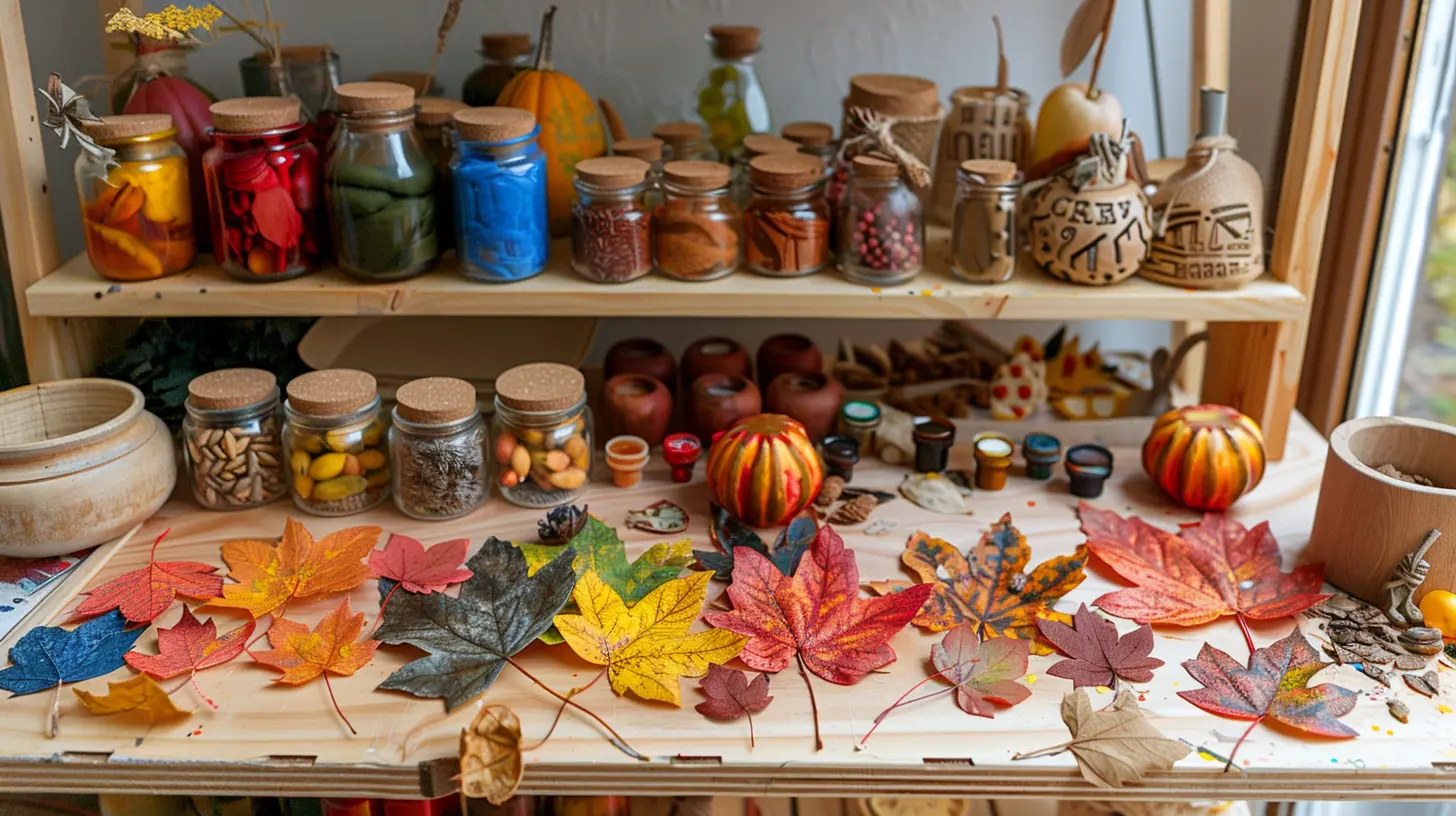
Toddlers Don’t Need Fancy—They Need Freedom
Here’s the thing: creativity doesn’t come from structured activities with specific outcomes. It thrives in freedom. You don’t need a Pinterest-perfect craft station or an expensive playroom. What toddlers need is the space (physically and emotionally) to experiment, fail, try again, and make choices.So, if you’re worried you’re not doing enough because you haven’t signed them up for toddler yoga or baby violin lessons, take a deep breath. You’re probably already doing more than you think.
Everyday Moments That Spark Creativity
Let’s take a peek at your day-to-day life and see where creative magic is already hiding.1. Meal Time: A Sensory Playground
Who says food is just for eating?Let your toddler be part of the cooking process—let them pour, mix, squish, sprinkle, and yes, even make a little mess. It’s more than just helping; it’s sensory play at its finest. Feeling textures, smelling spices, and choosing colors (like red strawberries or green peas) builds cognitive connections and gives them a sense of ownership.
Bonus tip: Ask them what they want to name the dish. Don’t be surprised if you end up with something called “Princess Dinosaur Soup.”
2. Bath Time: A Tiny Water Lab
Bath time is perfect for open-ended play. Cups, spoons, toy animals, and squeezable bottles can become waterfalls, pirate ships, or a full-blown spa for rubber ducks.Let them lead the storytelling. Ask things like, “Where are the sharks hiding today?” or “What song should the soap sing?” These kinds of prompts stimulate imagination and get those creative wheels turning.
3. Chores: Yes, Really
Believe it or not, toddlers find folding laundry fascinating. Let them sort socks by color, line up towels, or help “sweep” with a mini broom. Aside from helping them learn responsibility, it builds pattern recognition and decision-making skills—key aspects of creative thinking.And when they spill the cereal while trying to “help”? That’s just part of the masterpiece, right?
The Power of Open-Ended Toys and Loose Parts
You’ve probably heard the phrase "less is more," and when it comes to toys, that couldn’t be truer. Open-ended toys—things like blocks, scarves, play dough, or even cardboard boxes—can be used in countless ways and don’t come with instructions.This kind of play invites your child to become the creator of the game, not just a participant.
Quick examples of creative loose parts:
- Buttons, bottle caps, or pinecones (perfect for sorting, stacking, counting)
- Old magazines and child-safe scissors (hello, DIY collages!)
- Wooden spoons and pots (instant musical jam session)
Give them the tools and space—then step back and let them own it.
Encourage Pretend Play (Even If It Gets Weird)
Pretend play is the holy grail of toddler creativity. When your child dons a towel cape and calls themselves Captain Banana, don’t just smile—join in!Make-believe lets toddlers process the world around them. It’s how they explore emotions, test boundaries, and understand social roles.
Some ways to support it:
- Keep a basket of dress-up clothes handy.
- Let them reuse household items for props (like cardboard tubes for telescopes).
- Ask open-ended questions: “What happens next?” or “Who should we rescue?”
Even if you have to be the villain in the story three times in a row, you’re helping your toddler build critical imagination muscles.
Art Without the “Rules”
Okay, quick confession: we sometimes cringe at the idea of paint on the walls. But letting your toddler experiment with color, texture, and shapes in a judgment-free way is one of the best gifts you can give them.And no, it doesn’t have to be messy every time. Think crayons on cardboard, sidewalk chalk, water painting on the patio, or magic markers on old newspaper.
The key? Don’t worry about the end result. The joy is in the process, not the picture-perfect product.
Pro tip: Display their artwork proudly—even if it’s just scribbles. It boosts their confidence and shows them that their ideas are valued.
Use Nature as a Creative Classroom
There’s no better (or more budget-friendly) creative space than the great outdoors. From making mud pies to collecting leaves or building stick forts, nature is full of hands-on, imaginative opportunities.Try creating a “nature treasure box” with items like rocks, feathers, or acorns. Use them later for crafts, storytelling, or even math games (like sorting by size or shape).
Nature-inspired play ideas:
- Leaf rubbings with crayons
- Rock painting
- Storytime under a tree with make-believe creatures
Plus, fresh air? Always a win.
Music and Movement: Creativity in Motion
Toddlers aren’t meant to sit still. Music allows them to channel all that energy into something expressive and creative.You don’t have to be a musical genius either. Bang on pots, clap rhythms, or make up silly songs together. Dance like no one’s watching (they aren’t, they’re watching Cocomelon).
Music and movement help build rhythm, memory, coordination, and self-expression. It’s an all-around brain booster disguised as fun.
Storytelling: Making Magic With Words
Reading books to toddlers is powerful, but making up stories together? That’s next-level creativity. Try telling stories with their toys as characters or make up bedtime adventures where they’re the hero.Even better—let your toddler “read” a wordless picture book and ask them what's happening on each page. You’ll be amazed at the stories they come up with.
Bonus activity: Start a family story jar. Fill it with prompts like “A dragon who lost his roar” or “A rainy day with no umbrella,” and take turns creating tales.
When to Step In and When to Step Back
As tempting as it is to guide your toddler's play (“No, sweetie, the frog doesn’t go on the roof”), resist the urge. Creativity flourishes in open-endedness.Give them room to explore and make mistakes. Yes, it’s hard to watch them try to balance five uneven blocks for the tenth time, but that perseverance is part of their creative journey.
Your role: Set the stage, offer materials, ask thoughtful questions, then let go. Trust the process—even if it looks like total chaos.
Encouragement Over Praise
It’s easy to fall into the “Good job!” trap, but thoughtful encouragement goes further. Instead of evaluating what they made, comment on the effort and process.Try these instead:
- “You really focused while you built that tower.”
- “How did you come up with that idea?”
- “Tell me more about this color choice!”
You’re reinforcing that creativity isn’t about being right—it’s about expressing oneself.
Conclusion: Creativity Isn’t a Checklist
Here’s the big truth: nurturing creativity in toddlers doesn’t mean doing more. It means noticing more.It’s less about orchestrating impressive projects and more about embracing the beautiful chaos of toddlerhood. It’s in the spilled paints, the upside-down storybooks, and the toddler who insists that the carrot is actually a magic wand.
By incorporating creative opportunities into your daily routine, you're not only making the days more enjoyable—you’re equipping your toddler with lifelong skills to imagine, to innovate, and to express who they are. And that? That’s parenting gold.
So go on—get messy, get silly, and get inspired. Because in your toddler’s world, every day is already a canvas. You just have to let them paint.
all images in this post were generated using AI tools
Category:
Encouraging CreativityAuthor:

Noah Sawyer
Discussion
rate this article
1 comments
Quillan Vaughn
This article offers great insights! Simple activities like cooking or nature walks can really spark creativity in toddlers. I'll definitely try some of these ideas with my kids.
July 23, 2026 at 3:22 AM
Noah Sawyer
I'm glad you found the article helpful! Enjoy those activities with your kids... they can be so much fun and inspiring!