Raising Boys Who Are Comfortable Expressing Their Feelings
13 August 2026
Have you ever noticed how boys are often told to "man up" or "stop crying like a girl"? It's almost like emotions are a foreign language they’re not supposed to speak. But here’s the truth—boys feel just as deeply as anyone else. The problem? Society has conditioned them to bottle it all up.
So, how do we raise boys who are not only allowed but encouraged to express their emotions freely? It’s time to break the cycle and rewrite the narrative.

Why Do Boys Struggle With Expressing Their Feelings?
From an early age, boys receive indirect (and sometimes direct) messages that emotions—except for maybe anger—are a weakness. Whether it’s in movies, on the playground, or even within families, many are taught to suppress anything that makes them seem "soft."The result? They grow up feeling they must be strong in ways that deny their emotional reality. And when those unspoken feelings pile up, they can turn into frustration, aggression, or even deep-seated struggles with mental health.
But here’s the kicker—emotional expression isn’t a weakness. It’s a skill. And just like any other skill, it can be learned. 
Creating a Safe Space for Emotions
Boys need to know that they can express themselves without judgment. That starts at home.1. Lead by Example
Kids don’t just listen to what we say—they mirror what we do. If you openly express your emotions in a healthy way, they’ll learn that it's normal and acceptable.If you’re feeling stressed, say something like:
"I’m feeling overwhelmed right now. I think I need to take a few deep breaths."
This shows them that emotions aren’t scary. They’re just part of being human.
2. Validate, Don’t Shut Down
Imagine your son is crying because he lost his favorite toy. The knee-jerk reaction might be:"It’s just a toy, don’t cry!"
But what does that teach him? That his emotions don’t matter. Instead, try:
"I see you’re really upset about this. That toy meant a lot to you. Want to tell me more?"
Validation teaches boys that their feelings are real and important. 
The Power of Words: Teaching Emotional Vocabulary
Many boys struggle to express emotions simply because they don’t have the words to describe them. Giving them an emotional vocabulary is like handing them a map to navigate their own feelings.1. Name the Feeling
Instead of just saying, "You’re mad," help them get more specific:- "Are you feeling frustrated because your friend didn’t listen to you?"
- "Do you feel disappointed that you didn’t win the game?"
- "Are you feeling left out because your classmates made plans without you?"
The more words they have for emotions, the easier it is to express them effectively.
2. Use Books and Stories
Kids absorb lessons through stories much better than lectures. Books with emotional themes can be great tools to start conversations.After reading a book, ask:
"How do you think the main character felt when that happened? Have you ever felt that way?"
This encourages them to connect emotions with real-life experiences. 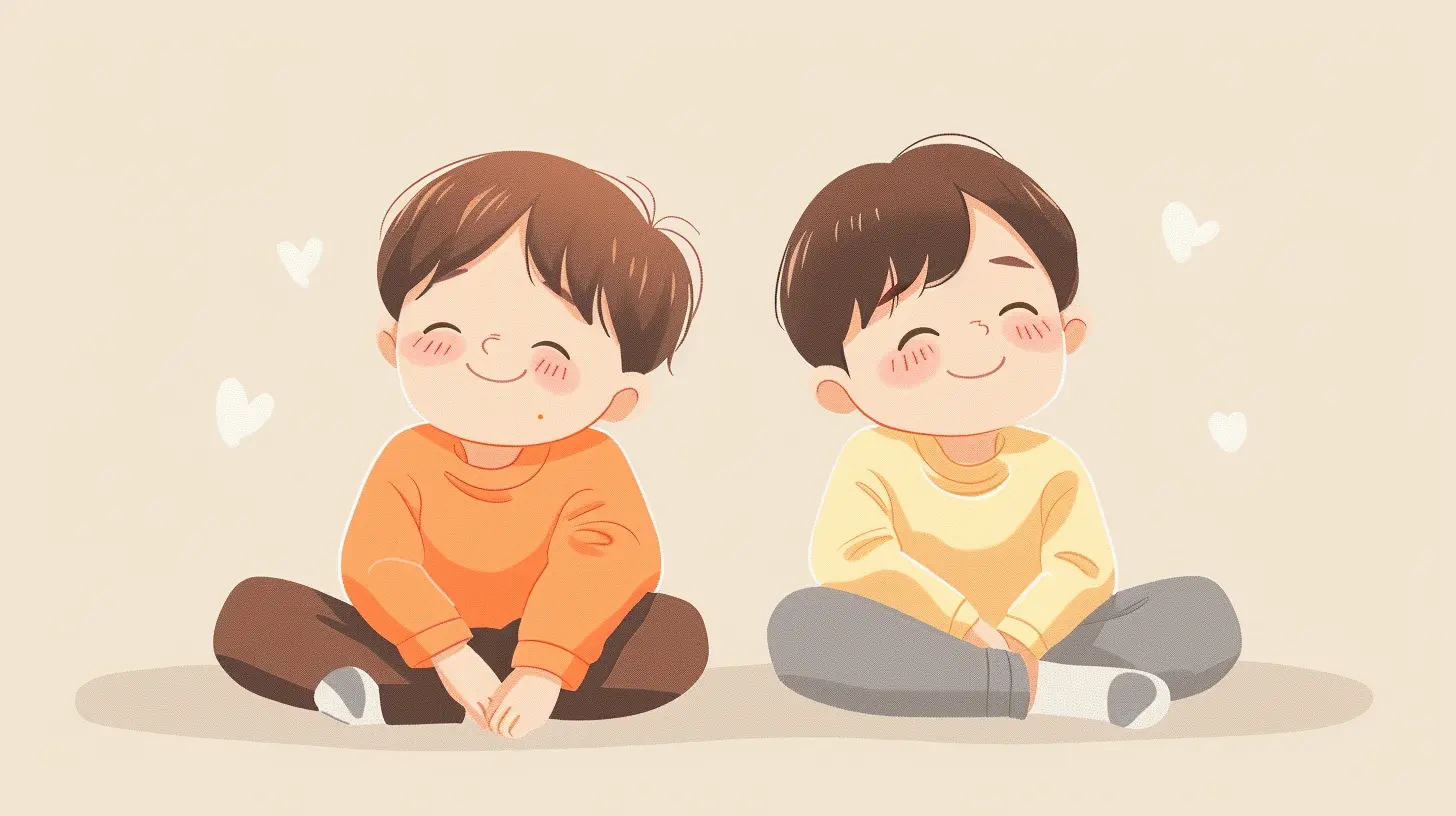
Rewriting What It Means to "Be a Man"
Boys grow up bombarded with messages about masculinity—many of which revolve around toughness, self-reliance, and never showing vulnerability. It’s time to flip that script.1. Redefine Strength
True strength isn’t about shutting down emotions—it’s about managing them. Teach boys that real courage is admitting when they’re scared, frustrated, or sad.Instead of saying, “Be strong,” try:
"It’s okay to feel upset. Talking about it is what really makes you strong."
2. Encourage Emotional Friendships
Many boys are raised to believe friendships should revolve around competition, jokes, and surface-level connections. But deep, emotional friendships are just as essential for them as they are for girls.Encourage friendships that allow for openness. Help them see that real friends are those who offer support—not just someone to play video games with.
Giving Them Healthy Emotional Outlets
Boys need ways to process and express emotions beyond just talking. Providing them with different outlets can help channel their feelings in positive ways.1. Journaling
Writing down thoughts and feelings can be a powerful way for boys to process their emotions. You can encourage this by saying:"Sometimes, when I’m feeling frustrated, I write about it in my journal. It helps me figure things out."
Even if they don’t write pages of feelings, just jotting down a few words can make a difference.
2. Physical Activity
For some boys, movement is their best form of expression. Sports, martial arts, dance, or even just a walk outside can help them process emotions in a healthy way.Instead of letting anger build up, encourage them to move through their emotions.
3. Creative Outlets
Art, music, and even building things with their hands can be emotional outlets. Creativity allows boys to express themselves in ways that words sometimes can’t.Breaking Generational Cycles
Many of us were raised in environments where emotional suppression was the norm. Changing that for our sons means unlearning some of our own habits.If you catch yourself saying things like “Stop crying” or “Toughen up”, pause and rethink. Would you say the same thing to your daughter? If not, why?
Raising emotionally healthy boys means challenging our own conditioning. It’s uncomfortable but necessary.
The Long-Term Benefits of Emotionally Strong Boys
Boys who grow up knowing how to express their emotions:✅ Form healthier relationships
✅ Have better mental health
✅ Handle stress more effectively
✅ Become empathetic and compassionate adults
By allowing boys to feel, we’re not just helping them—we’re creating a kinder, more emotionally intelligent world.
Final Thoughts: The Future of Emotionally Healthy Boys
Raising boys who are comfortable expressing their feelings isn’t just about parenting—it’s about changing societal norms. It starts at home, in schools, and in everyday conversations.We must ensure our sons know that being emotional is not a flaw; it’s a strength. And that real men—truly strong men—are the ones who embrace every part of themselves, including their emotions.
So, let’s stop silencing our boys. Let’s teach them that emotions are nothing to fear. Let’s give them the tools to navigate life with confidence, empathy, and emotional intelligence.
Because the world doesn’t need more silent, "tough" men. It needs men who are whole.
all images in this post were generated using AI tools
Category:
Raising BoysAuthor:

Noah Sawyer
Discussion
rate this article
1 comments
Eleanor Reynolds
Helping boys express their feelings is essential for their emotional development. Encourage open conversations about emotions and create a safe space for them to share. Share your own feelings to set an example, and reinforce that it's strong to be vulnerable. This will build their confidence and empathy.
August 13, 2026 at 3:37 AM