What Gen Z Wants Indian Parents to Understand About Strength
September 18, 2026 - 04:12
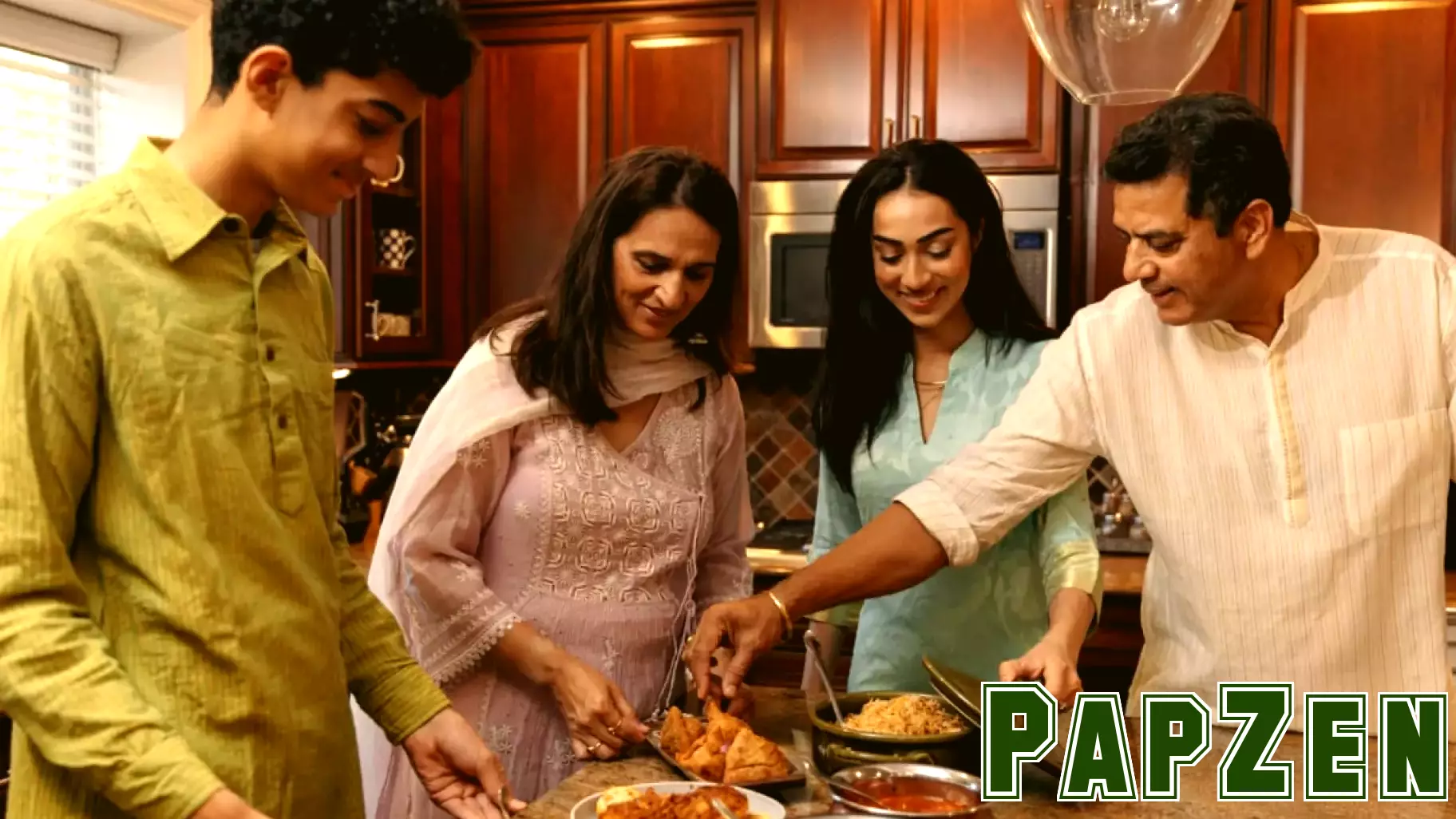
Gen Z is more comfortable naming what it feels: I am anxious, I need space. For parents, listening to those words without immediately trying to dismiss or fix is important. Many young people say the hardest part is not the emotion itself but the fear of being told they are overreacting.
The first thing they ask for is validation before advice. When a teenager says they feel overwhelmed, a response like "that sounds heavy" lands better than "others have it worse." The second is privacy. Constant checking of phones or diaries can push them to hide more, not less. The third is permission to be average sometimes. Not every low day needs a solution, and not every failure needs a lecture.
The fourth is consistency. Parents who stay calm during difficult conversations teach more about strength than any speech. The fifth is honesty about their own struggles. When adults admit they also feel tired or scared, young people learn that strength is not silence but the ability to keep talking. That shift in approach can change the whole relationship.
MORE NEWS
September 17, 2026 - 07:34
Harsh Parenting and Weak Routines Linked to School Absenteeism in TeensA new report from the Economic and Social Research Institute finds that young people are far more likely to miss school when they face harsh parenting or grow up without steady daily routines. The...

September 16, 2026 - 19:43
The Hidden Toll of Trying to Be a Perfect ParentThe pressure to be the perfect parent can be overwhelming, but social media and perceived world threats are causing some to become overprotective parents, negatively affecting young people. Many...
September 16, 2026 - 12:00
Ayurvedic Brand BabyOrgano Debuts First Film on Modern Co-ParentingBabyOrgano, an Ayurvedic wellness brand for kids, has launched its first brand film, an emotion-led campaign rooted in contemporary Indian family life. The film turns its attention to modern...
September 15, 2026 - 17:11
New TikTok Series Shows How We Treat ToddlersA new series on TikTok is drawing attention to the way adults treat young children. The videos focus on everyday moments between parents and toddlers, and they ask a simple question: would we...