Rethinking the Phrase "Because I Said So" in Parenting
December 2, 2025 - 05:54
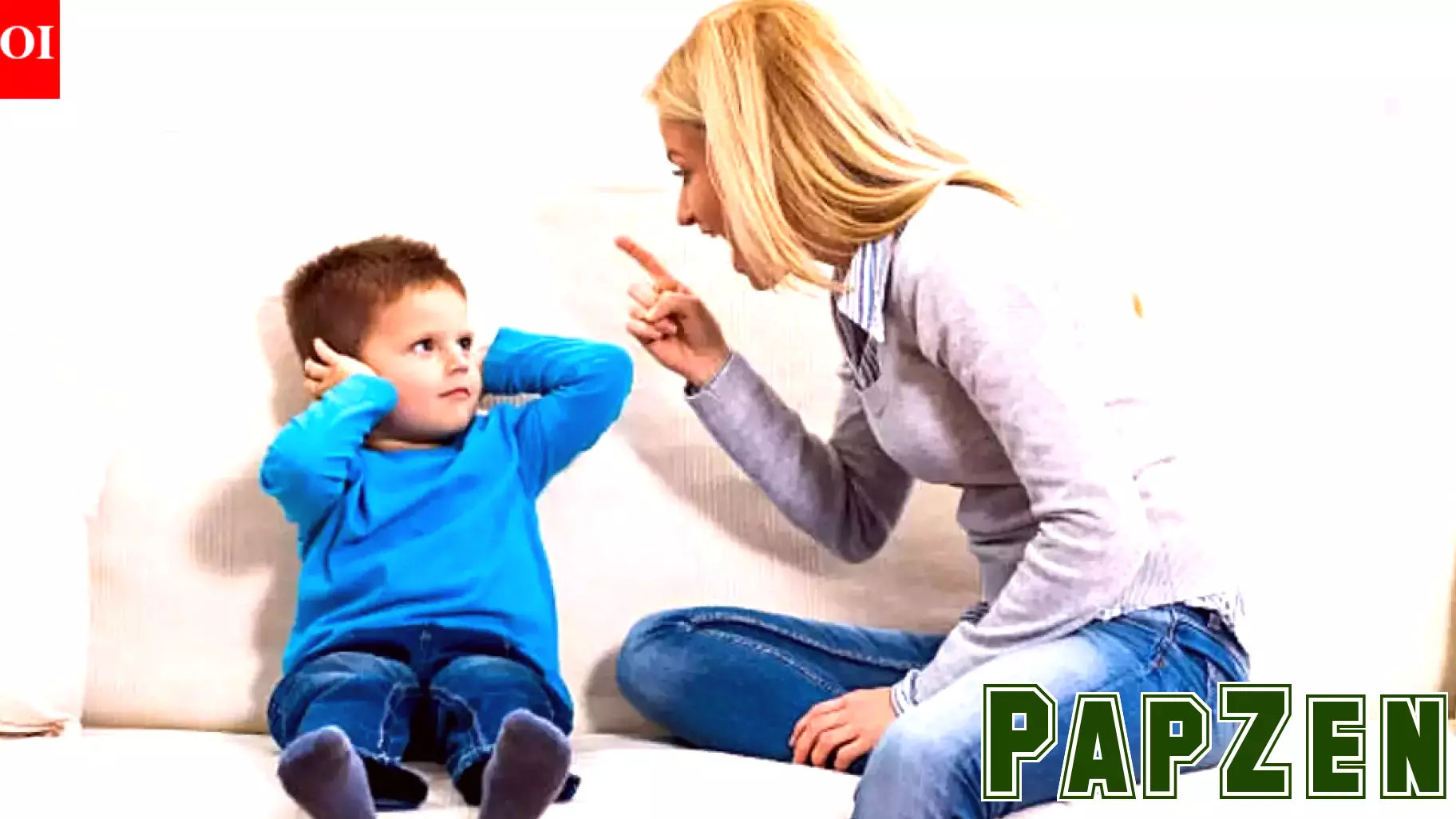
In today's parenting landscape, child psychology specialists are advising against the classic retort, "Because I said so." This strict stance can undermine effective communication between parents and children. Experts argue that this phrase often fails to provide children with the understanding they need to navigate their emotions and decisions. Instead of fostering respect and cooperation, it can lead to frustration and resentment.
Parents are encouraged to engage in open dialogues with their children, explaining the reasoning behind their rules and decisions. This approach not only helps children comprehend the rationale but also nurtures critical thinking skills. By fostering an environment where children feel heard and valued, parents can build stronger relationships based on mutual respect.
Moreover, providing explanations can empower children, helping them to internalize values and make better choices in the future. As parenting evolves, the importance of communication and understanding in raising well-adjusted children cannot be overstated. Embracing this shift might lead to more harmonious family dynamics.
MORE NEWS

October 14, 2026 - 05:01
The Guilt of Balancing Work and a Sick ChildIt`s a dilemma all parents face at one time or another: what to do when your child is ill on a work day. For families in Sussex, the pressure can feel especially sharp, with rising living costs,...

October 13, 2026 - 00:41
ADHD Podcast Creator Wins Major Industry HonorKate Moryoussef has claimed a top prize at the British Podcast Awards, taking home gold in the parenting category for her show, The ADHD Women`s Wellbeing Podcast. The win marks a significant...

October 12, 2026 - 00:44
Actress Jyotika opens up about her and Suriya’s parenting roles: ‘All school-related responsibilities areActress Jyotika has offered a rare glimpse into how she and her husband, actor Suriya, manage their parenting duties, revealing that the bulk of school-related tasks falls to him. In a recent...

October 11, 2026 - 06:41
Ben Affleck Says He Feels He Falls Short Next to Jennifer Garner as a ParentBen Affleck has opened up about what it is like to raise his three children alongside his ex-wife, Jennifer Garner, admitting that he often feels he does not measure up to her as a parent. The...