The Link Between Physical Activity and School Readiness
2 May 2026
You’ve probably heard the phrase “healthy body, healthy mind,” right? Well, when it comes to kiddos, this couldn’t be more true. If you’ve got a little one getting ready to hop, skip, and jump their way into school, you might be curious: does all this jumping around really help with school readiness? Spoiler alert: absolutely! Let’s dive into how physical activity and school readiness are closely connected. (Hint: it’s more than just burning off that endless toddler energy!)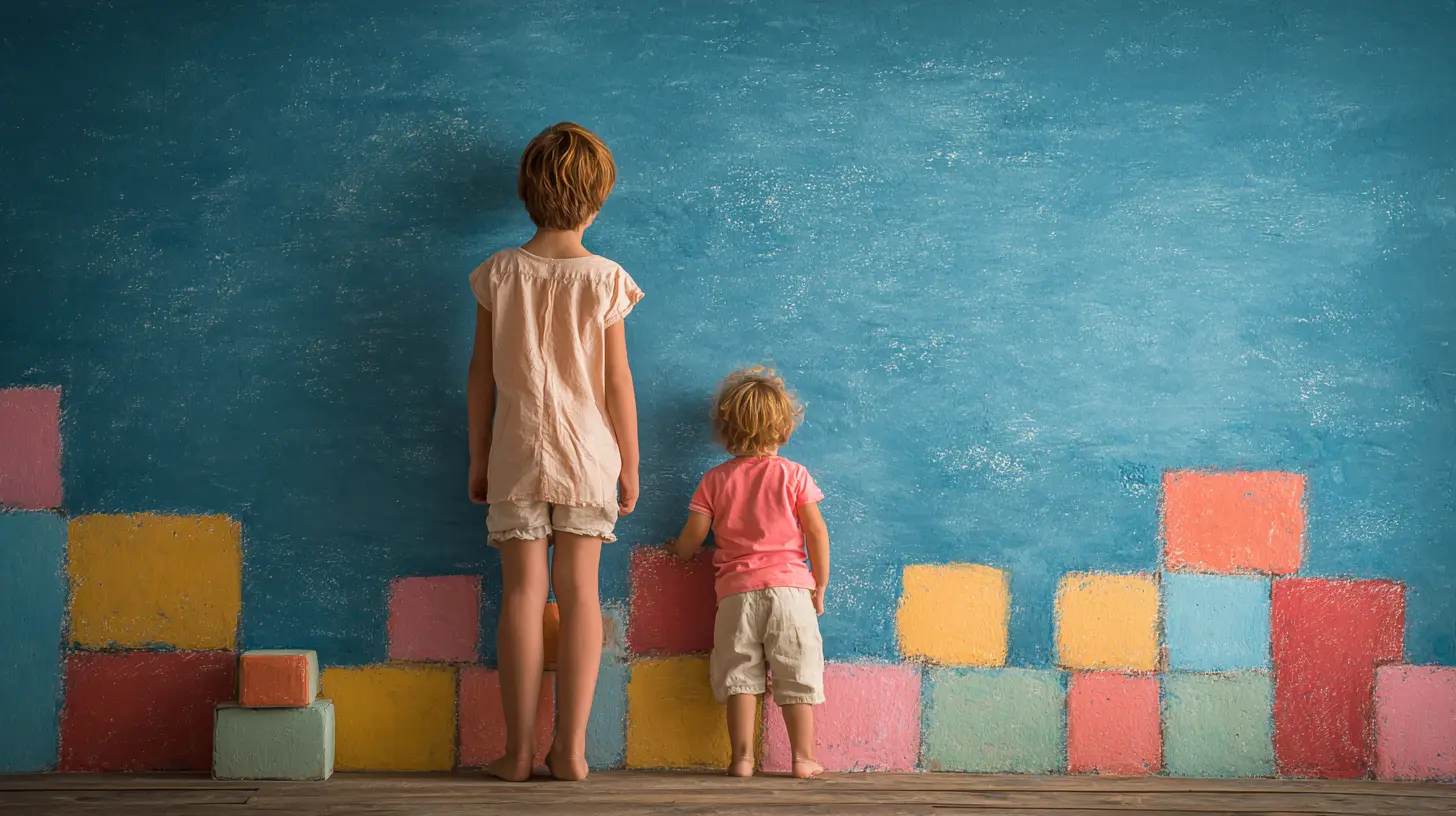
What Is School Readiness, Anyway?
Before we dive into the running, jumping, and climbing trees, let’s talk about what school readiness even means. It’s not just about your little one being able to recite the alphabet or count to ten on their fingers (though those are great skills, too!). School readiness is a mix of emotional, social, and cognitive skills that help a child thrive in a learning environment.Being ready for school means they can follow instructions, sit still (for at least a wee bit), get along with other kiddos, and soak up all kinds of new information like a sponge. Sounds like a tall order, doesn’t it? That’s where physical activity comes in to save the day.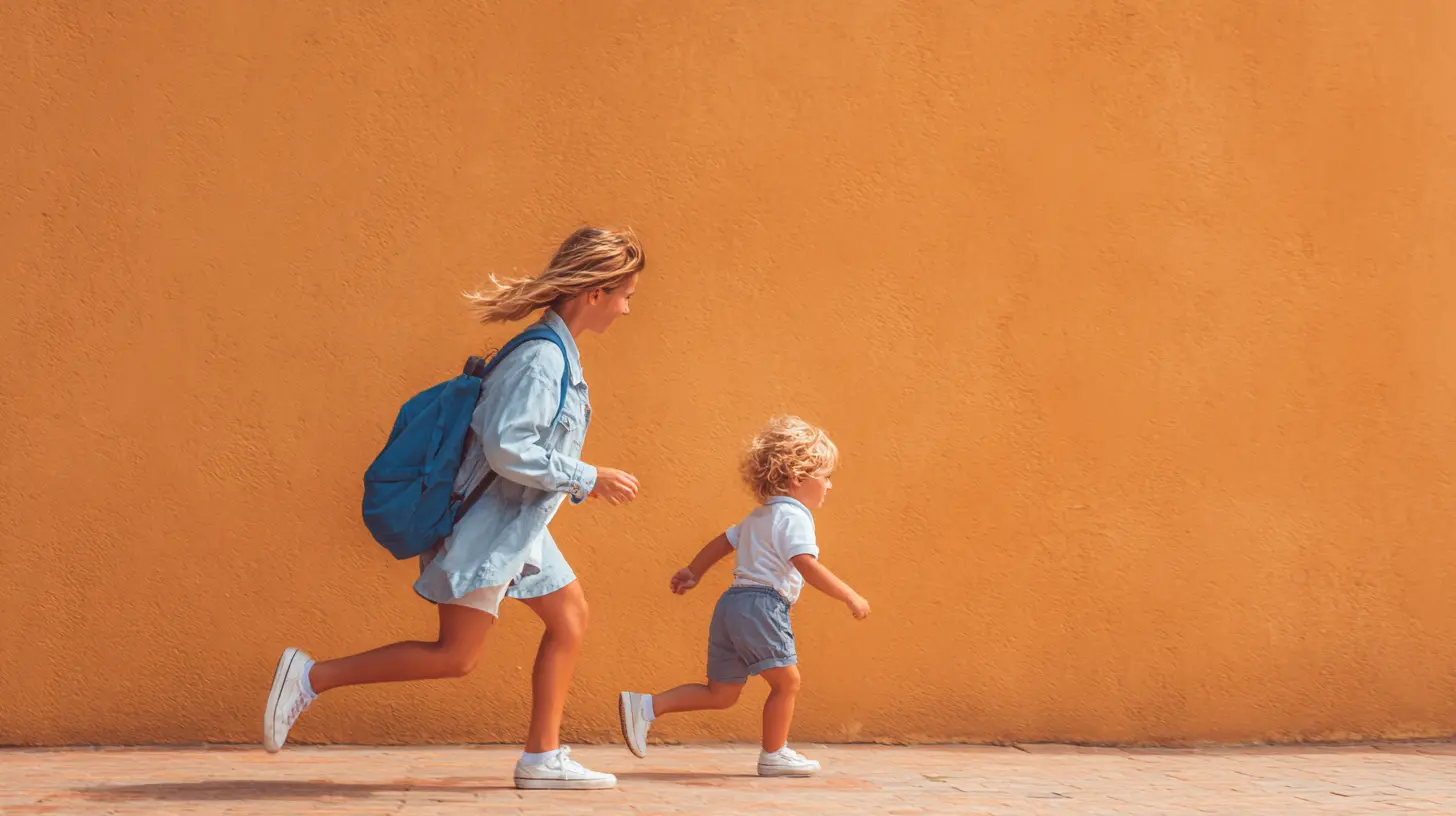
The Connection Between Active Bodies and Growing Minds
Movement Builds the Brain
Picture this: your child is running around the playground, climbing the monkey bars, or playing a game of tag. It might look like they’re just blowing off steam, but their brain is actually in overdrive. Every time they balance, jump, or catch a ball, their brains are forming new neural pathways. These pathways are like highways that help process everything from problem-solving to memory.Studies show that movement literally grows gray matter in the brain. (Yes, their physical activity is actually making them smarter! How cool is that?)
Physical Activity Boosts Focus and Self-Control
Let’s face it—kids have the attention spans of goldfish at times. But get them moving, and you’ll notice something amazing. Physical activity helps increase blood flow to the brain, which improves focus and concentration. (Cue angels singing!) It also teaches self-control. Think about it: to kick a soccer ball or jump rope, they have to plan, time their movements, and pay attention—all essential skills for the classroom.Social Skills Get a Workout, Too
When kids are running around the yard with others, they’re not just burning off energy—they’re navigating social cues, learning to share, and even picking up conflict resolution skills. Playing a game of freeze tag or basketball teaches teamwork and communication, which are big pieces of that school-readiness puzzle.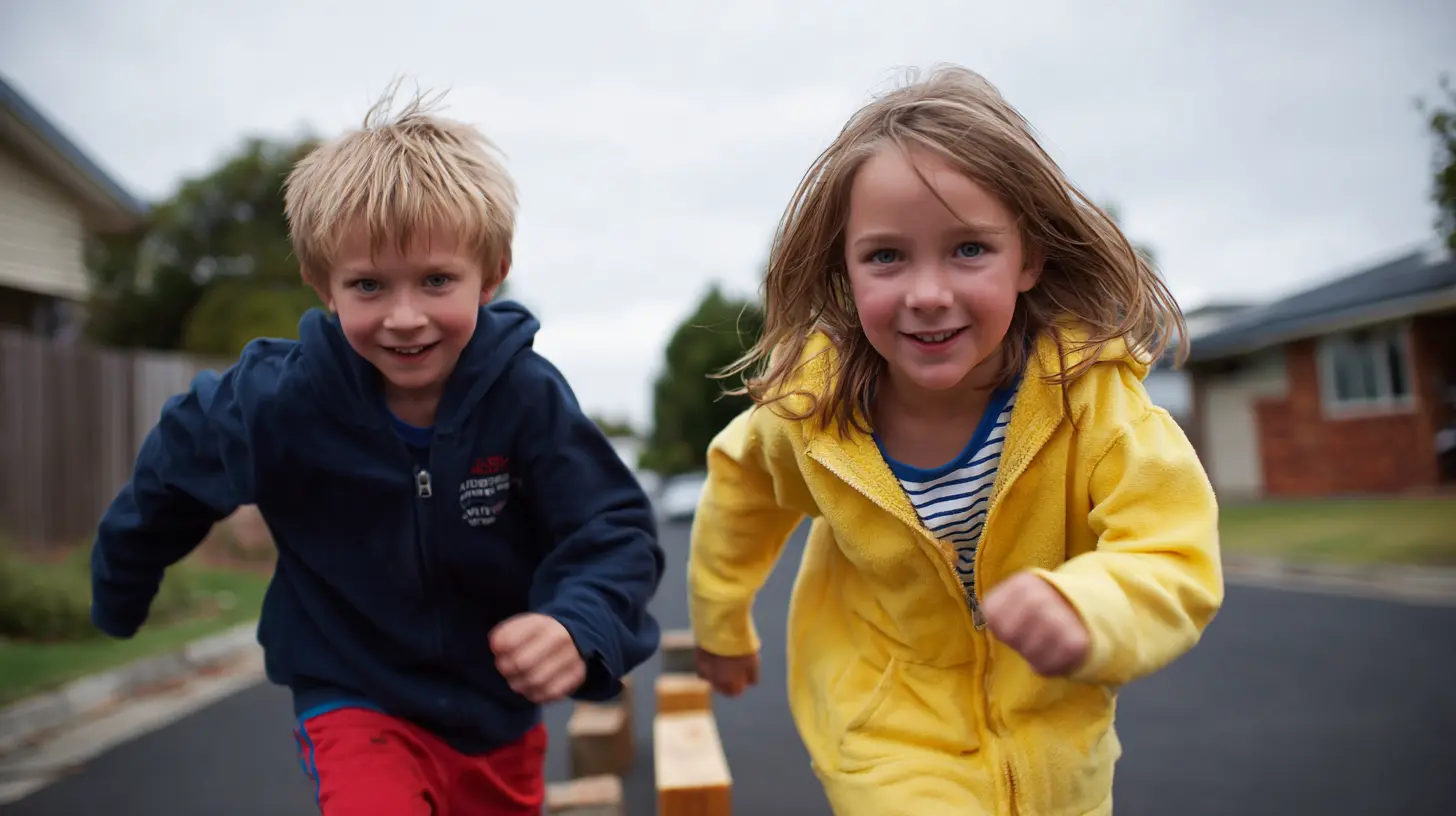
Breaking It Down: The Physical Skills That Matter for School
So, what kinds of movements are most helpful for getting your kiddo school-ready? Let’s break it down into three categories:1. Gross Motor Skills (Big Movements)
Think running, jumping, hopping, and climbing. These activities build strength and coordination, which not only help on the playground but also in things like sitting at a desk without falling over (seriously) and writing neatly.2. Fine Motor Skills (Tiny Movements)
This is where things like finger painting, building with blocks, and threading beads come in. Fine motor skills are key for tasks like holding a pencil, cutting with scissors, and even zipping up a backpack.3. Balance and Coordination
Ever watch your child walk along a curb like it’s a tightrope? That’s balance and coordination in action. These skills are essential for everything from physical activities like gym class to mental activities like focusing on schoolwork.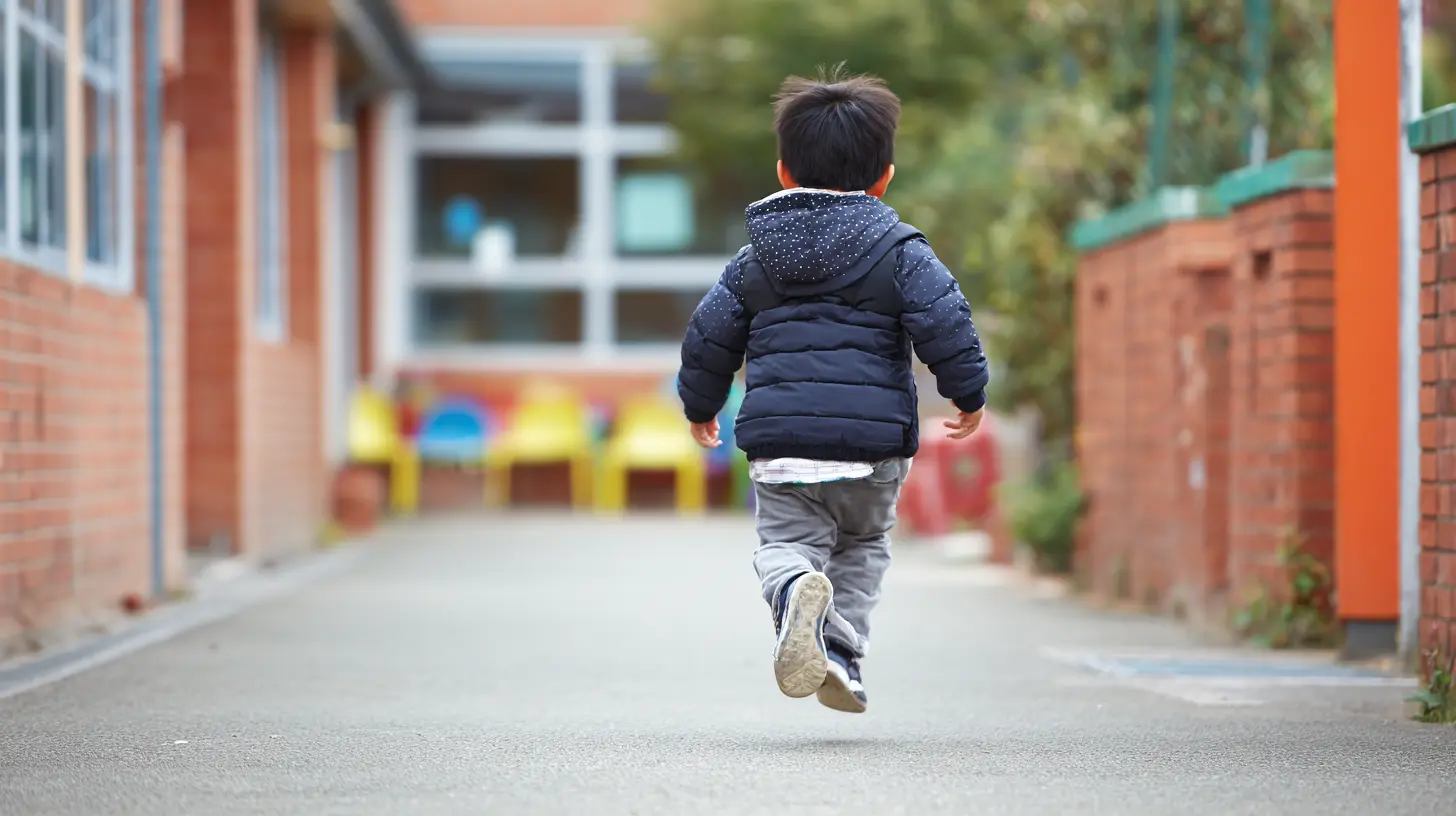
How to Add More Movement to Your Kid’s Day
If you’re thinking, “Okay, I’m sold on physical activity, but how do I squeeze it into our busy schedule?”—you’re not alone. The good news is, you don’t need fancy equipment or hours of free time to get your kid moving. Here are a few easy-peasy ideas:1. Turn Off the Screens and Turn Up the Music
Nothing gets little feet moving like a dance party. Crank up their favorite tunes and let them boogie through the living room. Bonus: you can join in the fun (and maybe sneak in a mini workout for yourself).2. Play Active Games
Old-school games like hide-and-seek, Simon says, or hopscotch are not only fun but also help develop those gross motor skills.3. Head to the Park
Local parks are like the ultimate obstacle course for kids. Let them climb, slide, swing, and run around. Plus, it’s a great way for them to practice social skills with other children.4. Make Chores an Adventure
Turn tidying up into a game. Who can pick up the most toys in 30 seconds? Or who can race to put away their shoes first? Chores and exercise in one go—your kids' future teachers will thank you.5. Join a Group Activity
If you have the time and means, classes like kids' yoga, soccer, or gymnastics are excellent ways to introduce structured physical activity. These environments help foster discipline and teamwork, too.The Role of Recess and Physical Education in School Readiness
Physical activity doesn’t stop once your kiddo lands in school. In fact, recess and gym class are key players in keeping kids ready to learn. Regular breaks for movement help them recharge and refocus—imagine trying to sit through hours of learning without stretching your legs! Now multiply that by 100 for a super-energetic child.Unfortunately, some schools are cutting back on recess time in favor of more academics. (Insert collective groaning here.) But research shows that kids with regular physical breaks perform better academically and are less likely to have behavioral issues. So, let’s hear it for recess!
The Emotional Benefits of an Active Lifestyle
Okay, so we’ve talked about physical readiness and cognitive skills, but let’s not forget emotional readiness. Physical activity is a major stress buster for kids. (Turns out, after a long day of practicing letter sounds, they need an outlet, too!)Exercise releases endorphins—those feel-good chemicals in the brain—which can help calm anxiety and improve mood. A happy, calm kiddo is more likely to walk into their first day of school feeling confident and ready to tackle whatever comes their way.
Let’s Hear It for Playtime!
So, what’s the bottom line here? Physical activity isn’t just about sports trophies or six-pack abs (though the latter would be impressive on a six-year-old). It’s about preparing kids to be their very best selves—physically, emotionally, socially, and academically.If you’re stressing about sight words or whether your child knows their colors, take a deep breath. Sometimes, the most valuable preparation for school happens on the playground, in the backyard, or during a good old-fashioned game of tag.
Get your kiddo moving, and you’ll be giving them the tools they need to thrive not just in school, but also in life. Now, if you’ll excuse me, there’s a dance party with my kids that I absolutely cannot miss. Care to join?
all images in this post were generated using AI tools
Category:
School ReadinessAuthor:

Noah Sawyer
Discussion
rate this article
2 comments
Zelda Sanders
Prioritizing physical activity can significantly enhance children's readiness for school and future learning.
May 9, 2026 at 2:27 PM
Noah Sawyer
I completely agree. Regular physical activity lays a strong foundation for children's focus and learning in school.
Julian McNab
This article highlights an important connection between physical activity and cognitive development. Encouraging movement in early childhood not only prepares kids for school but also nurtures their overall well-being.
May 5, 2026 at 2:27 AM
Noah Sawyer
Thanks for your insightful comment! I completely agree that fostering movement in early childhood is crucial for both learning and overall health.