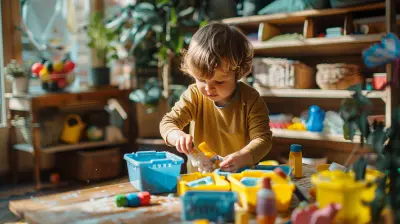
Understanding Toddler Behavior Patterns Heading into 2026
16 April 2026
Hey there, fellow parent! Grab a lukewarm coffee and take a seat. If you’re currently navigating the wild, wonderful, and occasionally bewildering world of toddlerhood, you’ve probably found yourself staring at your little human, wondering, “Why on earth did you just put yogurt in your hair after I finally got you dressed?” You’re not alone. As we look ahead to 2026, the landscape of toddler behavior is… well, it’s still gloriously messy. But our understanding of it is evolving faster than a toddler can sprint toward a forbidden electrical socket.
Think of your toddler’s brain not as a miniature adult brain, but as a bustling, chaotic, and incredibly vibrant startup company. The CEO (the prefrontal cortex, responsible for logic and self-control) is still on an extended coffee break, won’t be fully in the office until their mid-20s. Meanwhile, the interns (the limbic system, handling emotions and impulses) are running the show, fueled by fruit snacks and sheer enthusiasm. Our job as parents heading into 2026 isn’t to shut down the startup, but to learn its unique, baffling, and brilliant operating system.
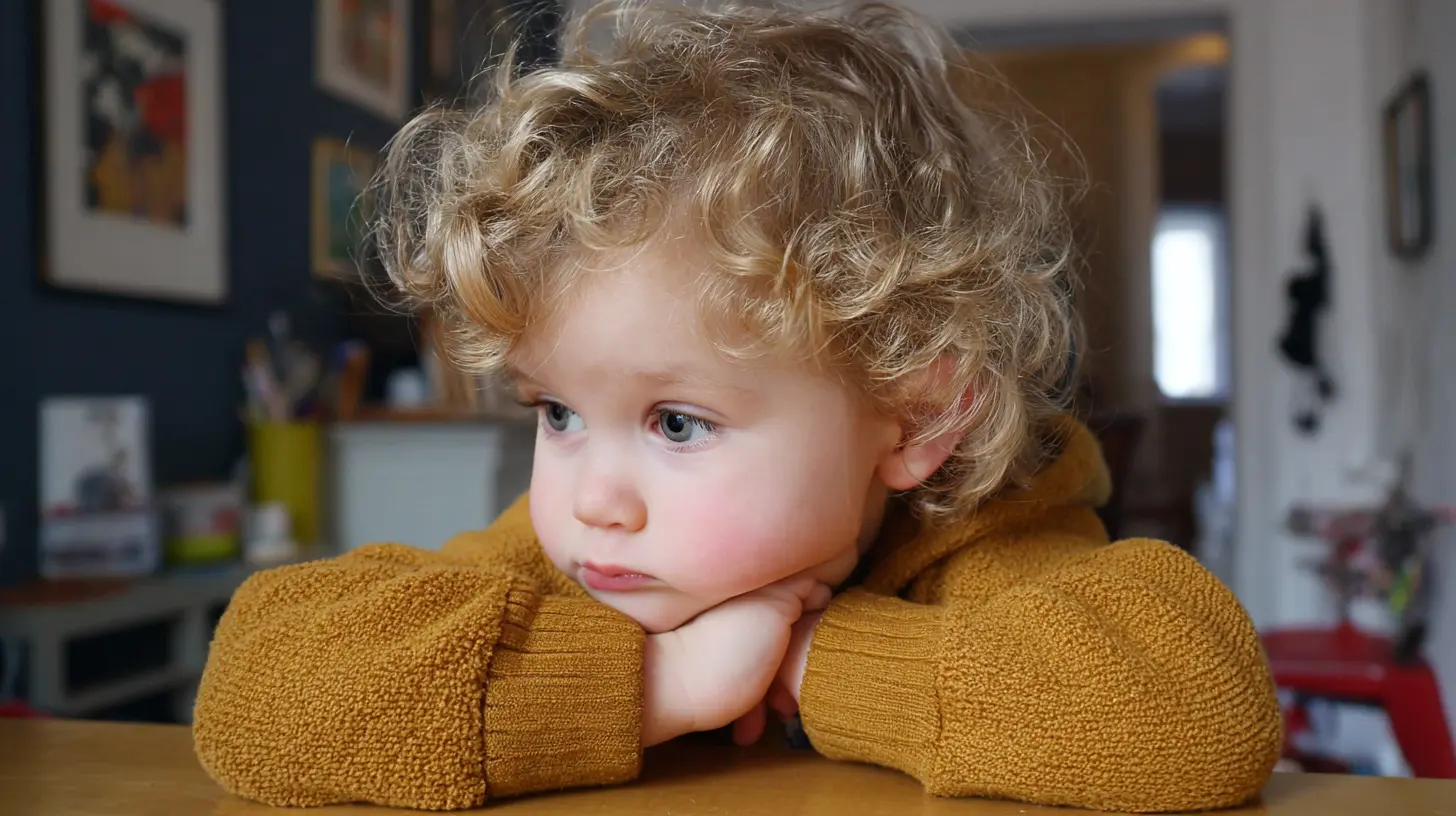
The 2026 Toddler: A Product of a New World
Let’s set the scene. The toddlers of 2026 were born into a world deeply shaped by events in the early 2020s. Their earliest experiences may have involved more time at home, more screen-mediated family connections, and parents navigating unprecedented stress. This doesn’t doom them! But it does create a unique behavioral cocktail. We’re seeing, and will continue to see, patterns influenced by this context.The “Micro-Transition” Meltdown. You’ve likely experienced this: moving from the sandbox to the stroller results in a meltdown of epic proportions. Heading into 2026, we’re understanding this isn’t just stubbornness. For toddlers who had very controlled, home-bound environments early on, any transition—no matter how small—can feel like a massive, unpredictable system change. Their little brains are working overtime to process the shift. It’s less about the sandbox and more about the terrifying cliff-edge of the unknown. The good news? Predictability is your superpower. Narrating the next steps (“First sand, then stroller, then we’ll look for red cars on the walk!”) builds mental bridges for them to cross more easily.
The “Connection-Seeking” Tantrum vs. the “Overwhelm” Meltdown. This is a crucial distinction becoming mainstream in parenting circles. A tantrum is often a performance with an audience—a goal-oriented protest against a broken cookie or a denied toy. You might see them peek through their fingers to check if you’re watching. A meltdown, however, is a neurological storm. It’s a system shutdown from sensory or emotional overload—too much noise, too little sleep, too many demands. The response for each is different. For a tantrum, calm consistency is key. For a meltdown, they need a quiet harbor to wait out the storm: reduced stimulation, a calm presence, and safety. By 2026, recognizing this difference will be as basic as knowing the difference between hungry and tired cries.

Decoding the Big Three: Biting, Hitting, and the Legendary "No"
These classic behaviors aren’t going extinct. But our playbook for handling them is getting a major upgrade, moving from “How do I stop this?” to “What is this communicating?”Biting: The Signal of Big Feelings, Tiny Words. That shocking chomp on a playmate’s arm isn’t a sign of a future vampire. For a toddler, biting is often a primitive, all-in-one tool. It can express overwhelming excitement, frustration, fear, or even love (yes, really). Their language center is a traffic jam of ideas with no exit ramp. The feeling has to go somewhere, and their mouths are primary sensory organs. The 2026 approach? Intervene immediately with a firm, calm “I cannot let you hurt people.” Then, play detective. Were they overstimulated? Trying to get a toy? Unable to say “I’m scared”? Provide the words and the alternative: “You wanted the truck. Say ‘Truck, please!’” or “You’re so excited! Let’s squeeze this stuffed animal instead!”
Hitting & Throwing: Physics Experiments with Feelings. When your toddler winds up and whacks you or launches a bowl of peas, they aren’t being malicious. They are little scientists conducting vital research: “What happens when my body moves like this? What sound does it make? How does Mom’s face change?” They are also exploring cause and effect and power in a world where they have very little. Our job is to teach the experiment’s boundaries. “I see you’re feeling very angry. It’s okay to be angry, but I won’t let you hit. Let’s hit this pillow together/stomp our feet/throw these soft balls into the basket.” You’re validating the emotion (the weather inside them) while redirecting the action (how they express that weather).
The Almighty "NO": The Dawn of Selfhood. Celebrate the “no”! I know, in the moment, when you’re late and they’re refusing to put on pants, it’s hard to see it as a developmental milestone. But this is your toddler’s declaration of independence. They are realizing they are a separate person from you, with their own will. It’s the foundation for a strong sense of self. The trick is to offer controlled choices, so they can exercise this new power in productive ways. “Would you like to wear the red pants or the blue pants?” “Should we walk to the car like a dinosaur or a hopping bunny?” You avoid the direct power struggle while letting them flex their autonomy muscle.

The Digital Sandbox: Behavior in a Wired World
Here’s the big one for 2026. Toddlers are now digital natives in a way even five years ago was different. They see us swipe, tap, and talk to screens. Their behavior patterns are intrinsically linked to this reality.The "Swipe-Back" Frustration. Ever seen a toddler try to “swipe” a physical picture in a book or get frustrated that a real toy won’t respond to a tap? This is a real behavioral pattern. They are applying the rules of the digital world—instant response, cause-and-effect—to the analog world, which is slower and less predictable. We might see more frustration with puzzles, blocks, or books that don’t “do” anything. The antidote? Unapologetic, immersive analog play. Sensory bins, mud kitchens, finger painting—activities where the cause and effect are physical, messy, and on a human time scale.
Post-Screen "Hangover." This is a critical pattern to watch. The transition off a screen is often where the behavioral explosion happens. Their brains have been passively entertained on a dopamine drip, and suddenly they’re thrust back into the slow, demanding real world. It’s like asking someone to do calculus right after a rollercoaster ride. The 2026 strategy is all about the bridge. Give a clear, 5-minute warning. Follow screen time with a high-connection, low-demand activity—a cuddle, a snack together, a walk outside. Don’t expect them to pivot immediately to sharing toys or following complex instructions.

Building Your 2026 Toddler Toolkit: Strategies for the Future
So, with all these evolving patterns, what’s a modern parent to do? Your toolkit needs a few key upgrades.1. Become an Emotion Detective, Not a Behavior Judge. Shift your first question from “Why are you doing this?” to “What are you feeling?” Label those feelings like you’re naming colors. “You look so disappointed the park is closed.” “That loud noise really startled you, didn’t it?” This practice, called emotion-coaching, builds their emotional vocabulary and neural pathways for self-regulation. It tells them all their feelings are acceptable, even if some actions are not.
2. Master the Art of "Connection Before Correction." This is the golden rule. A toddler who feels disconnected is a toddler who will act out to force a connection, even a negative one. Before you launch into correcting the thrown toy, get on their level, make eye contact, and connect. A hug, a gentle touch, a simple “You’re having a tough moment. I’m here.” When their emotional cup is refilled with connection, they become infinitely more receptive to guidance. It’s like trying to install software on a computer that’s frozen—you have to reconnect first.
3. Design the Environment, Not Just the Child. So much of toddler behavior is about their environment. Instead of constantly saying “no,” see if you can say “yes” by toddler-proofing. Create a “yes space”—a safe room or area where everything is okay to touch and explore. Put the tempting breakables away. Have healthy snacks within reach. You’re not removing all boundaries; you’re setting up the playpen of life so they can explore freely within safe limits, reducing friction and power struggles for everyone.
4. Your Regulation is Their Foundation. Here’s the hardest but most important one. You cannot pour from an empty cup. A dysregulated adult cannot regulate a dysregulated child. When the tantrum hits, your nervous system is your most important parenting tool. Take a breath. Feel your feet on the floor. Speak slowly. Your calm is not about being emotionless; it’s about being a steady anchor in their hurricane. They are literally borrowing your calm prefrontal cortex until theirs is built. By 2026, parental self-care won’t be a luxury; it will be recognized as the essential foundation of effective parenting.
Looking Ahead with a Smile (and Maybe a Deep Breath)
Understanding toddler behavior patterns heading into 2026 isn’t about having a perfectly behaved child. That’s a myth, and chasing it will drive you bonkers. It’s about shifting our lens. These aren’t random acts of chaos. They are coded messages, developmental milestones in disguise, and experiments in being human.Your toddler isn’t giving you a hard time. They are having a hard time. Their brain is under construction, and we are the project managers, safety inspectors, and emotional support crew all rolled into one. So the next time you’re deciphering a meltdown or navigating a defiant “NO,” remember: you’re not just managing behavior. You’re helping to wire a human brain for resilience, empathy, and emotional intelligence. And that’s a job for 2026, 2056, and beyond.
Now, if you’ll excuse me, I think I hear the sound of suspicious quiet from the next room… which is a behavior pattern I understand all too well. Wish me luck!
all images in this post were generated using AI tools
Category:
Developmental StagesAuthor:

Noah Sawyer
Discussion
rate this article
2 comments
Zephyrae McWain
Understanding toddler behavior patterns is crucial for effective parenting strategies.
April 22, 2026 at 3:56 AM
Noah Sawyer
Absolutely! Recognizing these patterns helps parents tailor their strategies to meet their toddlers' needs, fostering healthier development and stronger connections.
Lira Moore
Understanding toddler behavior in 2026? Just remember: it's 10% logic, 90% snack-related negotiations! Buckle up, parents—toddlerhood is a wild ride on the snack express!
April 20, 2026 at 2:58 PM
Noah Sawyer
Absolutely! Snack negotiations are definitely a key part of the journey. Parents can expect a lot of creativity and resilience as they navigate this wild ride!