Limiting Screen Time to Encourage More Creative Play
21 May 2026
Let’s be honest: Screens are everywhere. From smartphones to tablets, TVs to laptops, it’s almost impossible to escape them—especially when it comes to our kids. It’s like they’re born with an instinct to swipe and tap. But here’s the thing—while digital devices do have their perks, excessive screen time could be stealing something way more valuable from our children: their creativity.
So how do we strike that magical balance between technology and imagination? That’s exactly what we’re going to dive into. Let’s talk about why limiting screen time isn't just a good idea—it’s essential for fostering more creative play in our kids.
The Digital Dilemma: Too Much Screen, Too Little Spark
We’re not here to bash screens. Technology is a modern marvel, no doubt. It’s educational, it’s entertaining, and sometimes it’s the only way we get a moment of peace (hello, Paw Patrol). But when screens start replacing playtime entirely, that’s where things start to get murky.Think about it—when kids are glued to a screen for hours on end, they’re in passive mode. They’re consuming content instead of creating it. They’re watching someone else’s story unfold instead of dreaming up their own.
That’s like trading crayons for couch cushions—cozy, sure, but not exactly inspiring.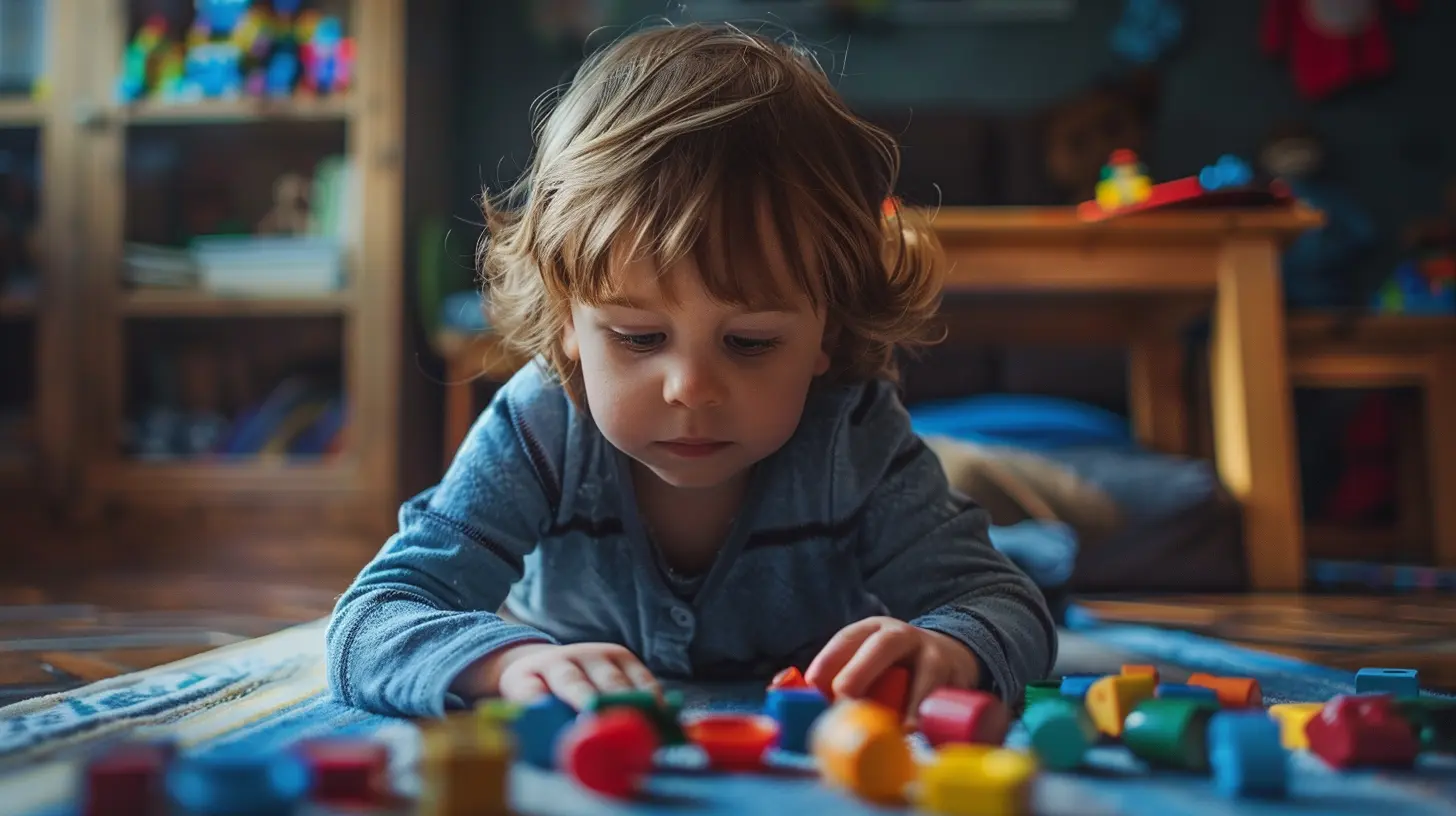
What Happens When Creative Play Takes the Backseat?
Let’s set the scene: a child sits down to build a Lego spaceship. There’s no screen in sight. Just colored bricks and a big, bursting imagination. What’s happening in that moment isn’t just play—it’s development in action.Here’s what creative play brings to the table:
- Problem-solving skills: Figuring out how to make that tower stand or that puppet show work? That’s brain gym in disguise.- Social development: Playing pretend with friends? That’s teamwork, negotiation, and empathy all rolled into one.
- Emotional expression: Sometimes it’s easier to act things out with dolls and dinosaurs than to say them out loud.
- Confidence-building: Creating something from scratch makes kids feel capable and proud.
When screen time gets in the way, kids miss out on these micro-moments of growth. And let’s not forget physical activity—another casualty of excessive screen use. No one ever broke a sweat building a Minecraft world, but a backyard fort? That’s a full-body workout and a creative triumph.
How Much Screen Time Is Too Much?
Good question. Guidelines from the American Academy of Pediatrics suggest:- Under 18 months: Avoid screens altogether (except for video chats).
- Ages 2–5: Limit to 1 hour of high-quality programming per day.
- Ages 6 and up: Be consistent. Screen time shouldn’t replace sleep, physical activity, or real-world interactions.
But honestly, it’s more about what your kids are doing with their time and less about setting a stopwatch. Quality over quantity still applies here.
Signs Your Child Might Be Getting Too Much Screen Time
Worried you might be in screen overload territory? Here are a few red flags to watch for:- Constant begging for screen time
- Meltdowns when devices are taken away
- Difficulty entertaining themselves without a screen
- Less interest in toys, art supplies, or outdoor play
- Trouble sleeping or lack of focus
If you’re nodding along to most of those, don’t panic. It’s a common struggle. The good news? You’re not powerless.
The Secret Sauce: Redirect, Don’t Just Remove
Let’s be real—just yanking the tablet away isn’t going to magically turn your kid into Picasso. The trick is to replace screen time with something even more irresistible: creative play.Here’s how you do it without a full-on revolt.
1. Create a YES environment for creative play
Kids need space—in their minds and in their homes—to get creative. This doesn’t mean you have to turn your living room into a Pinterest-worthy playroom. Start simple:- Set up a corner with crayons, paper, glue, and tape.
- Keep dress-up clothes in a basket.
- Rotate toys to keep things fresh and exciting.
Think of it as setting the stage. The actors (your kids) will take care of the magic.
2. Lead by example
If you’re always on your phone, it’s hard to argue that screens are bad. But if your kids see you doodling, journaling, reading, or building something, they’ll want to join in. Kids are natural imitators—be the creative spark they need.3. Schedule screen-free times
Make it a family rule. Maybe it’s screen-free Sundays. Or no screens after dinner. Having clear boundaries helps set expectations and gives kids a routine they can rely on. It’s like putting rails on a bowling lane—it helps them stay on track.4. Boredom is your friend
We say it all the time: “I’m bored.” But boredom is the birthplace of creativity. When kids have nothing to do, their brains start to wander. That’s when they dream up dragon adventures, make up songs, or try to draw a three-headed unicorn. Resist the urge to rescue them from boredom with a screen. Let them stew for a bit—you’ll be amazed at what they come up with.5. Use screen time to inspire creative play
Yes, really. Not all screen time is evil. Watch a cooking show together and then try the recipe. Let them watch a magic trick, then build their own wand. Make screen time a springboard rather than a dead end.Indoor and Outdoor Ideas to Get Kids Playing Creatively
Need a few ideas to jumpstart playtime? We’ve got a list for that.Indoor
- Build a fort with cushions and blankets- Set up a DIY art studio
- Create a homemade playdough kitchen
- Host a living room talent show
- Pretend school with stuffed animals as students
- Make a cardboard puppet theater
Outdoor
- Sidewalk chalk obstacle courses- Nature scavenger hunts
- Backyard camping (tent included or not)
- Water balloon painting (messy but fun!)
- Collecting sticks and rocks to build fairy houses
The goal isn’t perfection—it’s participation. Don’t overthink it. Just provide the tools and let their imaginations take flight.
How to Handle the Pushback (Because It Will Happen)
Let’s be honest. Limiting screen time can feel like trying to take a lion’s steak away. There will be tears, negotiations, maybe even a little tactical whining. That’s normal.Here’s your toolkit:
- Stay calm and consistent: Kids push boundaries. That’s their job. It’s yours to hold the line—kindly but firmly.
- Offer choices: Instead of saying “No iPad,” say, “Would you like to paint or build a Lego house?”
- Stick to routines: Screens right after school every day? Break that habit gently. Swap in a snack and playtime instead.
- Make it a game: Turn screen-free hours into “Mission Imagination” and award points or stickers for time spent being creative.
Eventually, they’ll stop asking (as much). And one day, you’ll peek in the room and find them deep in a pretend jungle, saving stuffed animals from quicksand. That’s the win.
Why This Matters More Now Than Ever
The world’s changing fast. Technology is evolving at warp speed, and our kids are growing up in a digital-first society. It’s easy to fall into the trap of thinking they have to be tech-savvy early on. And sure, that has its place.But creativity? That’s timeless.
The ability to think independently, solve problems, and express themselves? That’s what will carry them far, no matter what the world looks like in 10 or 20 years.
By limiting screen time and encouraging more creative play, we’re not just filling their day with fun—we’re setting the foundation for a lifetime of innovation, resilience, and joy.
Final Thoughts
Limiting screen time doesn’t mean becoming a tech-hating hermit. It simply means being more intentional about how we raise our kids in this digital age. By nudging them away from screens and toward creative play, we give them the chance to explore their imaginations, build real-world skills, and—most importantly—just be kids.So the next time they reach for that tablet, pause. Then offer them a paintbrush, a cardboard box, or a simple “What should we build today?”
Because when we unplug, that’s when the magic really begins.
all images in this post were generated using AI tools
Category:
Encouraging CreativityAuthor:

Noah Sawyer
Discussion
rate this article
2 comments
Daria Palmer
This topic really sparks my interest. Finding a balance between screen time and creative play seems crucial. I wonder what unique activities parents have discovered to inspire their children's imagination.
July 9, 2026 at 3:32 PM
Noah Sawyer
I'm glad to hear that! Many parents have found success with activities like outdoor adventures, DIY crafts, and storytelling sessions. These not only cut down on screen time but also boost creativity. What activities do you have in mind?
Angie Walker
This article really hits home. It's so easy to let screens take over, but fostering creativity in our kids is vital. I've started setting aside screen-free time, and the difference in their imaginative play is incredible. Thank you for the reminder.
May 26, 2026 at 4:26 PM
Noah Sawyer
I'm glad to hear that! It's amazing what screen-free time can do for creativity. Keep nurturing that imagination!