Understanding Car Seat Safety: What Every Parent Should Know
7 April 2026
Bringing a baby into the world comes with a whirlwind of emotions—joy, excitement, and let’s be honest, a little bit of fear. One of the biggest concerns for new parents? Keeping their little one safe, especially while traveling. Car seat safety isn’t just about strapping your child in and hitting the road; it’s about knowing the right seat, the correct installation, and the best practices to keep them protected.
In this guide, we’ll break everything down in simple terms so you can have peace of mind every time you buckle your child in. 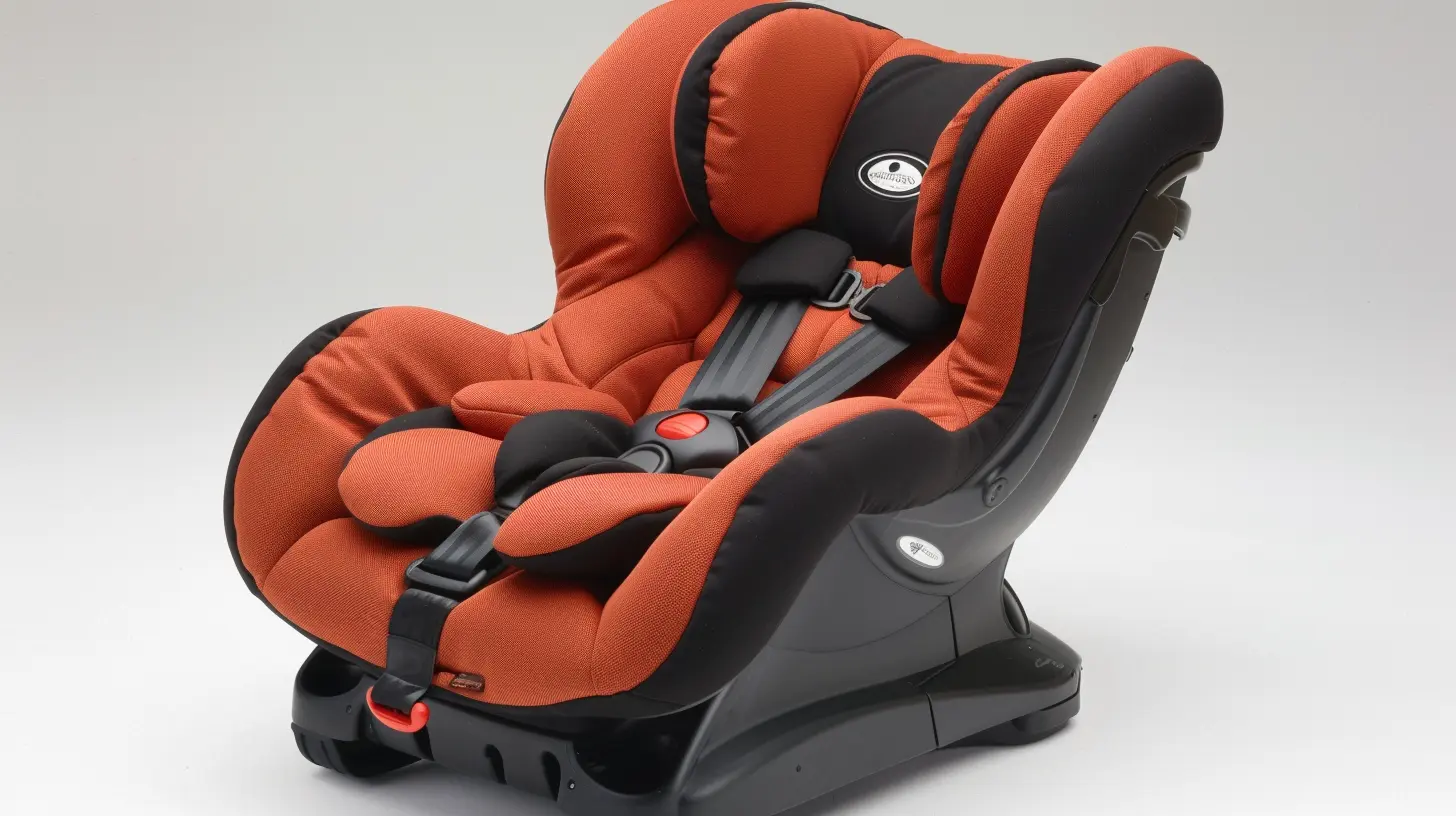
Why Car Seat Safety Matters
Did you know that car crashes are a leading cause of injury and death for children? It’s a heartbreaking reality, but the statistics don’t lie. Properly using a car seat can reduce the risk of fatal injury by 71% for infants and 54% for toddlers in passenger vehicles. That’s huge!But here’s the kicker—more than half of car seats are installed or used incorrectly. That means even with the best of intentions, many parents are unknowingly putting their kids at risk. So, let’s get this right. 
Choosing the Right Car Seat for Your Child
Not all car seats are created equal, and what works for your friend’s baby might not be right for yours. The key? Choose a seat based on your child’s age, weight, and height.1. Rear-Facing Car Seats (Birth to Age 2-4)
Rear-facing seats are the safest option for infants and toddlers. They provide crucial head, neck, and spine support in case of an accident.- Infant Car Seats: Designed for newborns and small babies, typically used until around 12 months or when they outgrow it.
- Convertible Car Seats: These start as rear-facing and can later transition to forward-facing as your child grows.
Pro Tip: Keep your child rear-facing as long as possible, up to age 4 if your car seat allows it.
2. Forward-Facing Car Seats (Age 2-7)
Once your child outgrows the rear-facing seat, they move to a forward-facing seat with a five-point harness. This keeps them secure by distributing crash forces across the strongest parts of their body.- Harness matters: Keep your child in a five-point harness until they reach the maximum height or weight limit for the seat.
3. Booster Seats (Age 5-12)
When your child outgrows a forward-facing seat, it’s time for a booster seat. This helps position the vehicle’s seat belt correctly across their chest and lap, ensuring better protection.- High-back boosters: Offer extra head and neck support, great if your car lacks headrests.
- Backless boosters: A better choice if your car seats already have good head support.
4. Seat Belts Only (Age 10-12 and Up)
Kids should continue using a booster until the car’s seat belt fits them properly—typically when they reach 4’9” in height (around 10-12 years old).A proper fit means:
✔ The lap belt rests snugly across the upper thighs—not the stomach.
✔ The shoulder belt sits across the chest—not the neck. 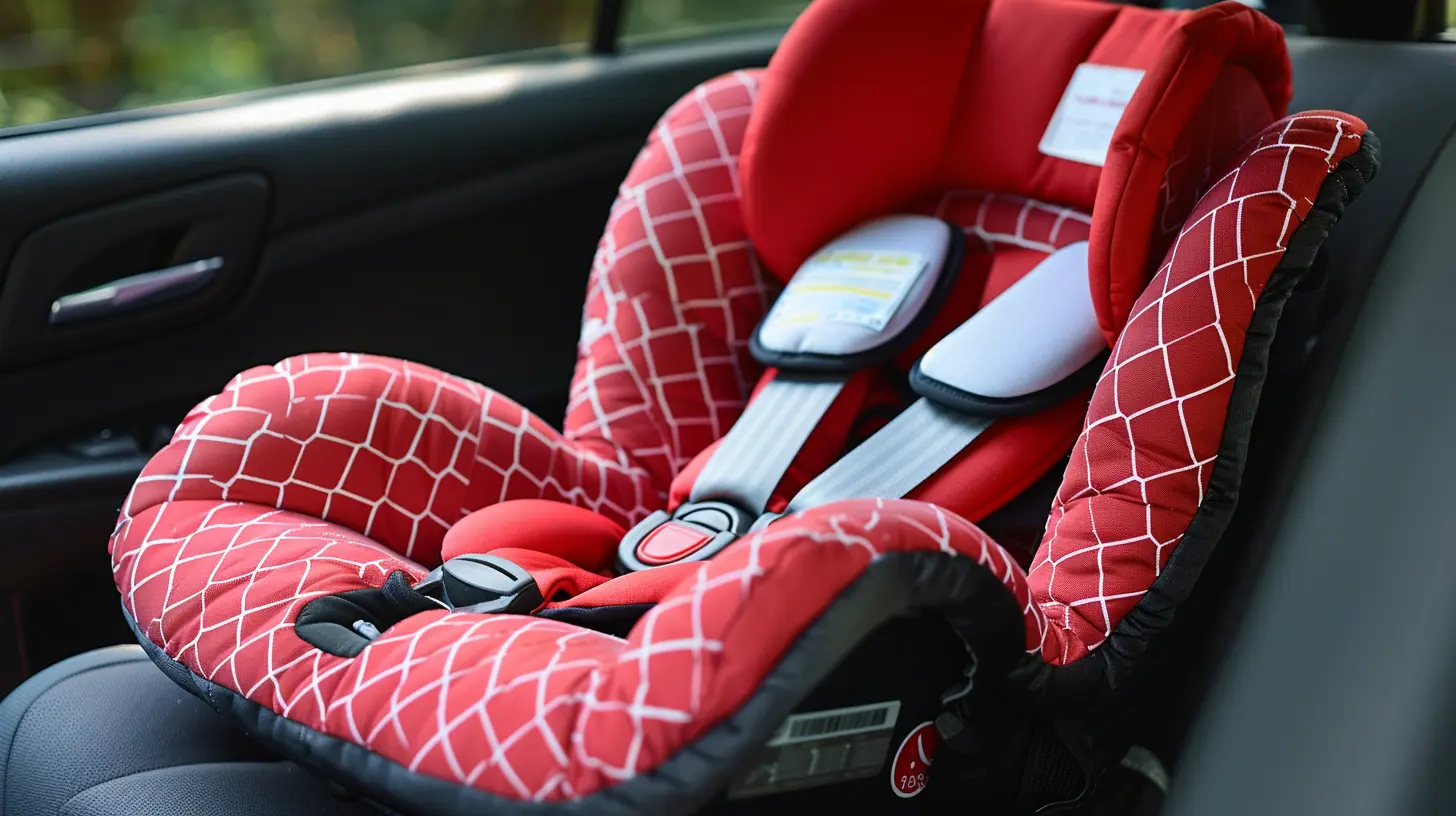
Avoiding Common Car Seat Mistakes
Even the best car seat won’t protect your child if it’s not used properly. Here are some common mistakes parents make—and how to fix them.1. Loose Harness Straps
If the harness is too loose, your child could be thrown forward in a crash. The straps should be snug—you should not be able to pinch any slack at the shoulder.2. Incorrect Positioning of Chest Clip
The chest clip should be placed at armpit level. Too low? Your child could slip out in an accident.3. Switching to Forward-Facing Too Soon
Many parents turn their child forward-facing the moment they turn two. But experts strongly recommend keeping them rear-facing as long as possible because it’s much safer.4. Using a Car Seat That’s Expired or Been in an Accident
Car seats expire after about 6-10 years due to wear and tear. If you’re using a secondhand seat, check the expiration date. Also, never use a car seat that’s been in a moderate or severe crash—it might have unseen damage.5. Not Installing the Seat Correctly
Your car seat should be tightly secured—it should not move more than one inch in any direction when tugged at the base. Many police stations and fire departments offer free car seat checks to ensure proper installation.
Proper Car Seat Installation: What You Need to Know
Installing a car seat isn’t as easy as clicking it into place and hoping for the best. Here’s what you should keep in mind.1. Use Either the LATCH System or Seat Belt—Not Both
Your car seat manual might say you can use either the LATCH system (Lower Anchors and Tethers for Children) or the vehicle’s seat belt, but not at the same time. Check your car’s manual to see which is the best option.2. Rear-Facing Seats Should Recline at the Right Angle
Most car seats have a recline indicator—use it! If the seat is too upright, your baby’s head could fall forward, restricting their airway.3. Always Secure the Top Tether for Forward-Facing Seats
The top tether stops the seat from tipping forward in a crash. Many parents skip this step, but it significantly improves safety.If you’re unsure whether you’ve installed the seat properly, get it checked by a Certified Child Passenger Safety Technician (CPST). It’s worth the extra step for peace of mind.
When Is It Time to Move to the Next Seat?
Moving up to the next car seat stage too soon is one of the most common mistakes parents make. So, how do you know when it's time? Here’s a simple rule of thumb:✔ Rear-facing to forward-facing: Only switch when your child exceeds the height or weight limit of the rear-facing seat (not just because they turned two).
✔ Forward-facing to booster: When they outgrow the harness AND can sit properly without slouching.
✔ Booster seat to seat belt: When the seat belt fits properly—usually when they’re 4’9” tall and around 10-12 years old.
Waiting until your child reaches the maximum limits of their current seat is always the safer choice.
Final Thoughts on Car Seat Safety
Car seat safety isn’t just about following a set of rules—it’s about giving your child the best protection possible while on the road. A properly installed and used car seat can mean the difference between life and death in a crash.So, take the time to choose the right seat, install it correctly, and keep your child in the appropriate seat for as long as possible. When in doubt, seek help from experts—you’ll never regret going the extra mile for your child’s safety.
And remember, no short trips are “safe enough” for skipping car seat rules. Even if you’re just driving down the street, buckle up the right way—every single time.
all images in this post were generated using AI tools
Category:
Baby GearAuthor:

Noah Sawyer
Discussion
rate this article
2 comments
Cadence Matthews
Thank you for this informative article on car seat safety! It's crucial for parents to stay updated for the safety of our little ones.
April 15, 2026 at 3:58 PM
Noah Sawyer
Thank you for your feedback! I'm glad you found the article helpful for keeping our kids safe.
Rina McQuade
This article is a must-read for every parent! Understanding car seat safety is crucial for protecting our little ones on the road. The tips offered are clear and practical, ensuring we choose the right seat and properly secure our children. A great resource for keeping our families safe!
April 14, 2026 at 4:31 AM
Noah Sawyer
Thank you for your kind words! I'm glad you found the tips helpful for keeping our kids safe on the road.