Supporting Your Child’s Artistic Expression Without Limiting Their Ideas
9 May 2026
Art is a beautiful, messy, and limitless form of self-expression. It’s a way for kids to communicate emotions, thoughts, and dreams that they sometimes can’t put into words. But as parents, we often fall into the trap of steering their creativity—correcting colors, suggesting ideas, or setting rules that might unintentionally restrict their imagination.
So how do we encourage our child’s artistic expression while making sure we’re not boxing in their ideas? It’s all about support, not direction. Let’s talk about ways to nurture their creativity without putting a lid on their artistic freedom. 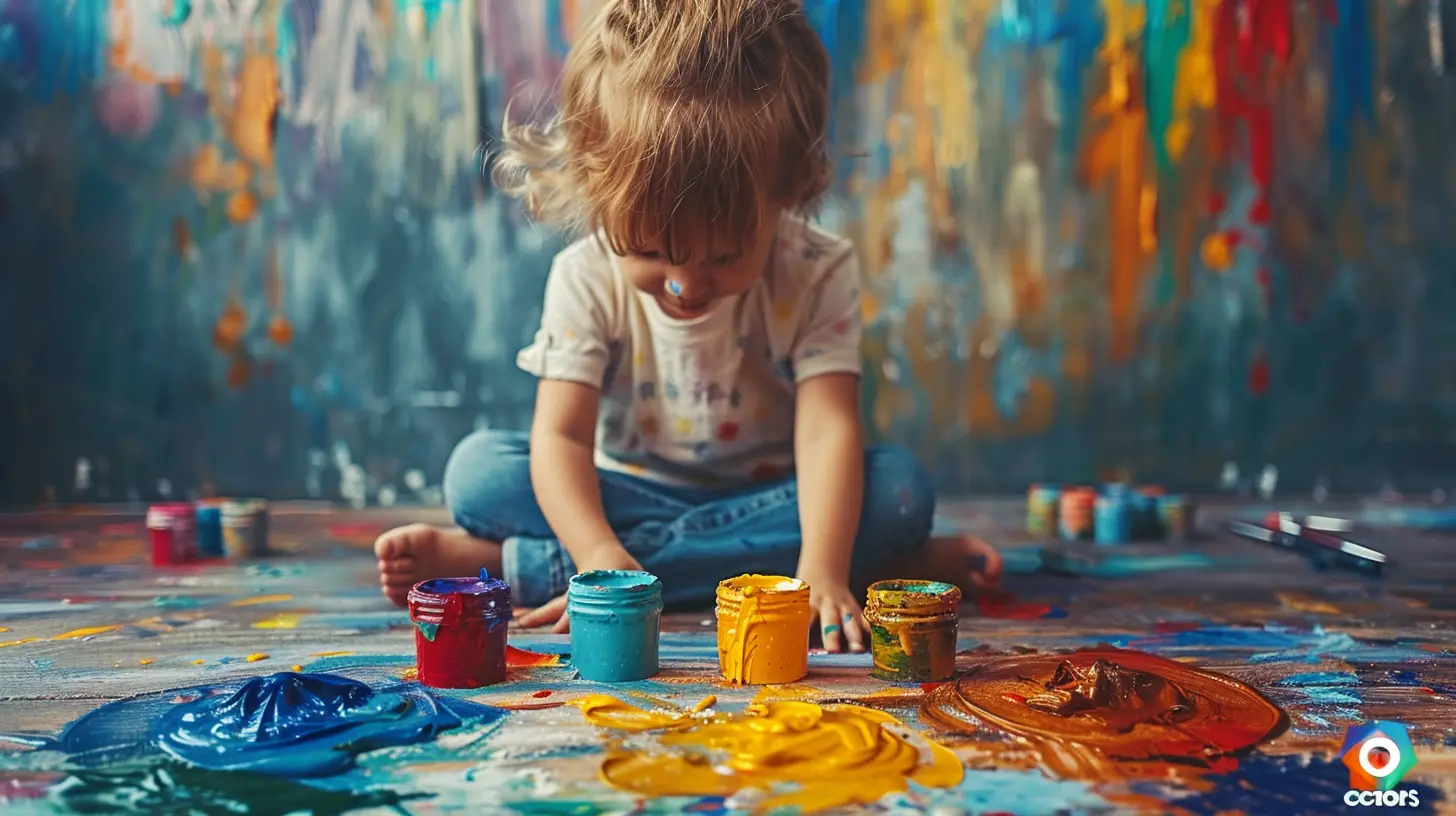
The Importance of Artistic Freedom in Childhood
Art isn't just about creating pretty pictures; it’s about problem-solving, self-exploration, and confidence-building. When kids are given the freedom to explore art without restrictions, they learn to think outside the box. They become innovators, risk-takers, and free thinkers.Imagine if Picasso had been told that faces must always be drawn symmetrically or if Van Gogh had been forced to use realistic colors. The world would have missed out on some of the most extraordinary masterpieces!
When children are allowed to create art without unnecessary limitations, they:
- Develop critical thinking skills
- Gain confidence in their own ideas
- Learn emotional expression through creativity
- Improve problem-solving abilities
Now, let’s dive into how you can support your child’s creativity without unintentionally curbing it. 
1. Provide the Right Materials, Then Step Back
Think of yourself as a gardener. You provide the soil, water the seeds, and give the plants sunlight—but you don’t dictate how they grow. The same goes for your child's artistic journey.Give them a variety of materials—crayons, paints, markers, sculpting clay, fabric, recycled materials—then let them take charge. If they want to paint the sky green or give a cat wings, let them. It’s their world; they’re just creating in it.
Avoid Over-Instructing
It’s easy to slip into phrases like “Why don’t you draw a real-looking tree?” or “Maybe add more detail to that.” While well-intended, these comments can make a child second-guess their creativity. Instead, try saying:- “Wow, I love how you made that tree! Tell me about it.”
- “That’s so unique! What inspired you to create this?”
Let their imagination lead. Your role is to appreciate, not to direct. 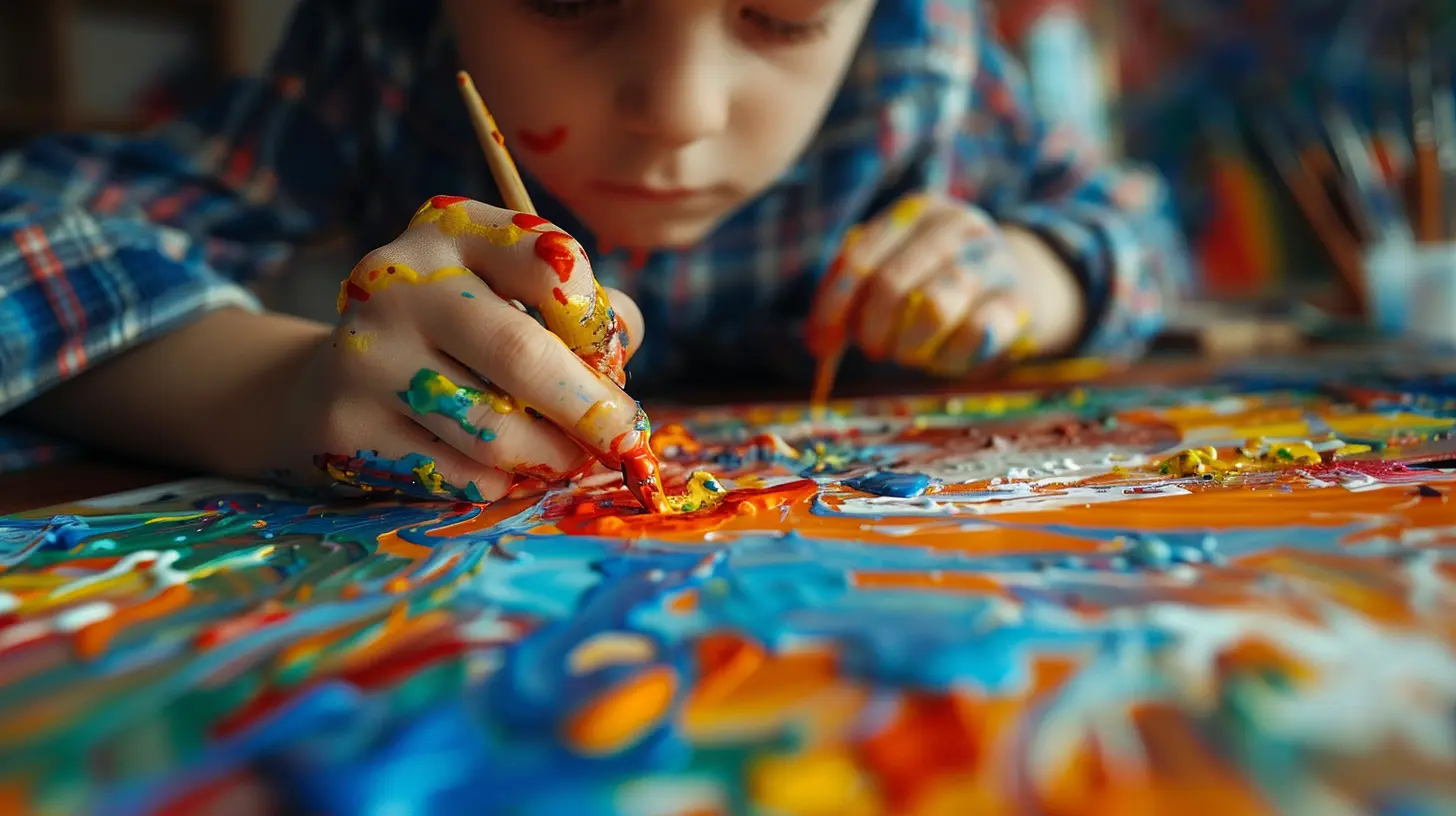
2. Create a Judgment-Free Zone
Nothing stifles creativity faster than fear of judgment. If kids feel like they’ll be criticized or corrected, they’ll start playing it safe rather than experimenting with ideas.Encourage Without Correcting
If your child paints a purple sun or draws a house floating in the sky, resist the urge to correct them. Instead, celebrate their imagination. If they ask for feedback, keep it positive and encouraging.Instead of saying:
❌ “That's not how a sun looks.”
Try:
✅ “That’s such an interesting color choice! What made you pick purple for the sun?”
When kids feel safe expressing themselves artistically, they’ll keep pushing boundaries and thinking creatively. 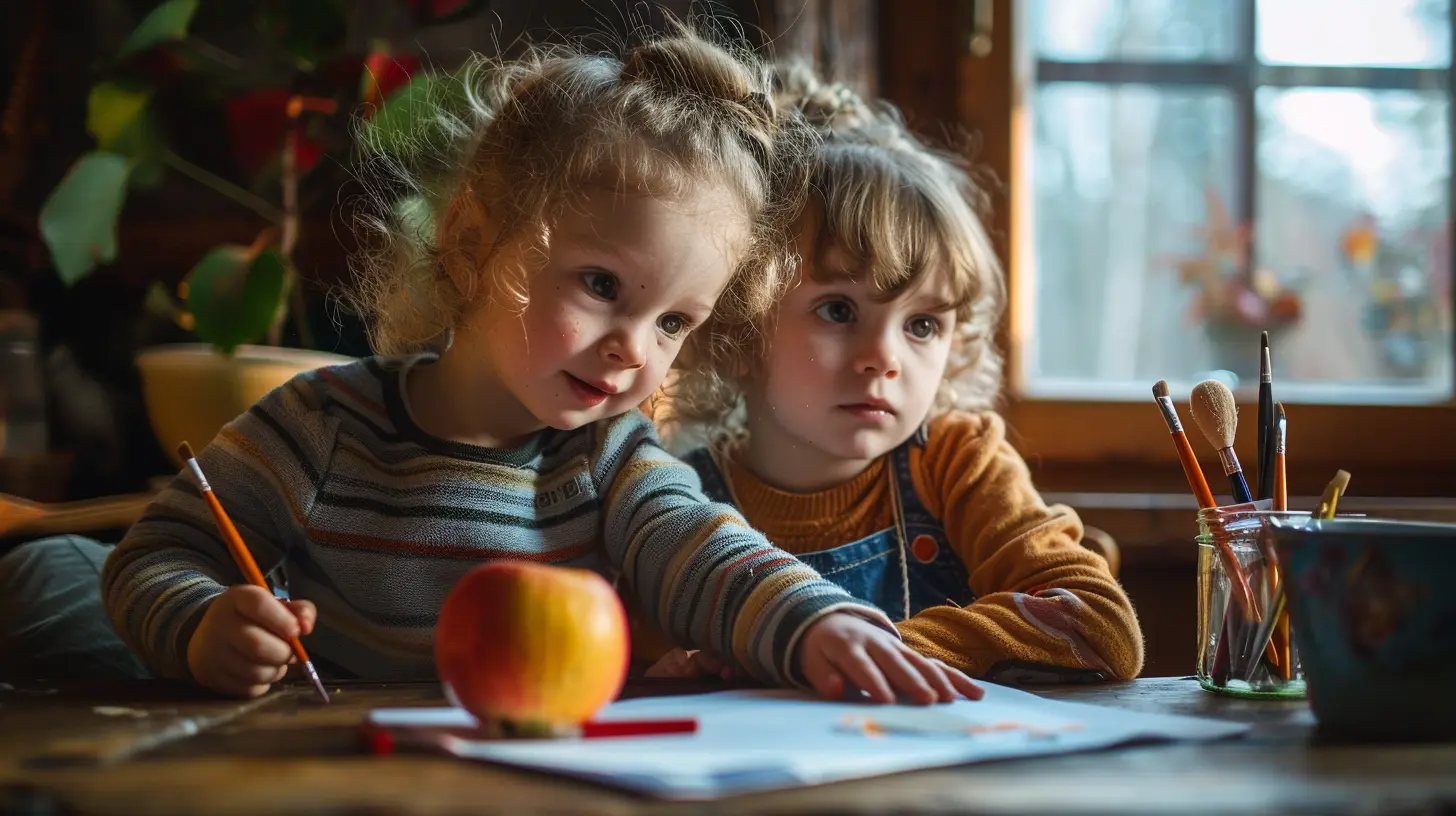
3. Focus on the Process, Not the Product
One of the biggest creativity killers? Putting too much emphasis on the final result. When kids feel pressured to create something “good” or “realistic,” they might stop taking creative risks.Embrace the Messy Middle
Art is supposed to be messy. It’s okay if their painting looks like a chaotic swirl of colors or if their sculpture is unrecognizable. What matters is the joy of creating, not the outcome.Instead of asking, “What is this supposed to be?” try saying:
- “Tell me about what you made!”
- “That looks fun to create—what do you like most about it?”
When kids know that their efforts are valued more than the finished piece, they’ll feel freer to explore without fear of failure.
4. Let Them Lead Their Own Artistic Journey
Some kids love painting, while others may prefer sculpting, doodling, or digital art. The best way to nurture their creativity? Let them choose their path.Offer Variety, But Don’t Force It
Expose your child to different forms of art—drawing, painting, theater, music—but let them decide what interests them the most. Just because you love watercolors doesn’t mean they will.And if they lose interest in one medium and jump to another, that’s perfectly okay. Creativity is about exploration, not mastery.
5. Avoid Over-Scheduling Structured Art Classes
While structured art classes can be great, too much formal instruction can sometimes box in creativity. If your child enjoys art class, that’s wonderful! But if all their artistic time is spent following step-by-step instructions, they might struggle to develop their own unique style.Balance Structured Learning with Free Exploration
If your child is in art lessons, make sure they still have unstructured creative time at home—time where they can experiment without rules or guidelines. Sometimes, the best artistic ideas happen when there’s no pressure to perform.6. Embrace the Unconventional
Art isn't limited to drawing and painting. Some kids express creativity through:- Building structures with LEGO
- Designing costumes with old clothes
- Creating stories through comic strips
- Making music or performing plays
Encouraging artistic expression means recognizing creativity in all forms. If your child prefers building over painting, let them! Creativity doesn't have to fit inside a frame to be valuable.
7. Display Their Artwork Proudly
Nothing makes a child beam with pride more than seeing their art displayed. It tells them their creativity matters.Create an Art Gallery at Home
Hang their paintings on the fridge, frame their doodles, or dedicate a wall to showcasing their work. If they create 3D art, find a shelf to display it.By celebrating their artistic efforts, you’re reinforcing that their ideas are valuable and worth sharing.
8. Be an Art Ally, Not a Judge
One of the best ways to support your child’s artistic expression? Be their biggest cheerleader. Ask about their work, listen to their ideas, and let them explain their creative choices.Encouragement Over Criticism
Even if something doesn’t make sense to you, remember—it makes perfect sense to them. Your job isn’t to understand it; it’s to support it.- Instead of critiquing, ask questions.
- Instead of correcting, celebrate originality.
- Instead of imposing ideas, let them explore their own.
The more freedom they have to create, the more they’ll trust their own imagination.
Final Thoughts
Supporting your child’s artistic expression is about giving them space to explore, create, and dream without fear of judgment or limitation. When creativity is nurtured without restrictions, kids grow into confident thinkers who aren’t afraid to color outside the lines—literally and figuratively.So the next time your child hands you a wild, unconventional masterpiece, don't try to “fix” it. Instead, smile, admire, and say, “Tell me about this amazing creation!”
Because in the end, art isn’t about perfection—it’s about expression. And that’s something worth celebrating every single day.
all images in this post were generated using AI tools
Category:
Encouraging CreativityAuthor:
Noah Sawyer
Discussion
rate this article
2 comments
Keira McVeigh
Encourage creativity by providing tools, not restrictions. Let them explore.
June 12, 2026 at 3:02 PM
Noah Sawyer
Absolutely! Giving kids the right tools lets their imagination soar. Exploration is key to creativity.
Jace Valentine
I love this article! Encouraging our kids to explore their creativity without boundaries is so important. It's amazing to see how freely they express themselves when we support their unique ideas. Let's cherish and nurture their artistic journeys together!
May 10, 2026 at 3:30 AM
Noah Sawyer
Thank you! I completely agree-nurturing their creativity is vital for their growth. Let's keep celebrating their unique journeys!