The Role of Nutrition in Child Development
14 September 2026
A child's brain grows faster in the first few years of life than it ever will again. By age three, it has already reached roughly 80 percent of its adult size. Every one of those billions of neural connections is built from material that comes from one place: food. That single fact explains why nutrition is not a side topic in parenting. It is infrastructure. It shapes how a child thinks, feels, fights off illness, sleeps, and eventually performs in school.
But here is where most conversations go wrong. Parents are often handed two extremes. One camp treats nutrition as a rigid formula, where a single missed serving of vegetables signals failure. The other shrugs and says kids will eat when they are hungry, so don't worry. Neither holds up well against what we actually know. This article takes a closer look at how nutrition influences development, where the real leverage points are, and how to make sound decisions without turning mealtimes into a battlefield.

Why Early Nutrition Matters More Than Most Parents Realize
The first 1,000 days, from conception to a child's second birthday, are a period of extraordinary vulnerability and opportunity. During this window, the brain is not just growing in size. It is wiring itself. Myelination, the process of coating nerve fibers so signals travel quickly, depends heavily on fat. Neurotransmitter production depends on amino acids, iron, zinc, and B vitamins. Without these building blocks, the architecture itself changes.What makes this period so consequential is that some of these effects are difficult to reverse later. Iron deficiency, for example, can impair attention and learning even after iron levels are corrected. The brain adapted to the shortage in ways that persist. This is not meant to frighten anyone. It is meant to explain why pediatricians ask so many questions about what a toddler eats. They are not being fussy. They are watching a developmental window that closes.
The Brain Is Mostly Fat, and That Matters
Roughly 60 percent of the brain's dry weight is fat. The type of fat matters. Omega-3 fatty acids, particularly DHA, are concentrated in the brain's gray matter and in the retina. Breast milk contains DHA, which is one reason infant formula manufacturers add it. For older children, fatty fish, walnuts, flax, and fortified eggs contribute. A diet built mostly on refined carbohydrates and low-fat snacks leaves the brain short on the raw material it prefers.Nutrients That Do Heavy Lifting
It helps to think in terms of roles rather than a checklist.Iron carries oxygen to the brain and supports neurotransmitter function. Low iron shows up as fatigue, irritability, and trouble sustaining attention.
Zinc supports cell division and immune function. It is involved in how the body uses protein, which matters enormously during growth spurts.
Iodine is essential for thyroid hormone production, and thyroid hormones direct brain development. Iodine deficiency remains a public health concern in some regions, which is why iodized salt exists.
Choline, found in eggs, liver, and some legumes, contributes to memory-related structures in the brain.
Vitamin D works with calcium for bone density and plays a role in immune regulation.
Protein provides amino acids for enzymes, hormones, and tissue. Children need more protein per kilogram of body weight than adults because they are constantly building.
None of these works in isolation. Iron needs vitamin C to be absorbed well. Zinc and copper compete, so balance matters. Calcium and iron can interfere with each other when taken together. This is why single-nutrient supplements rarely deliver what a varied diet does.

How Nutrition Shapes Physical Growth and Immunity
Growth is the most visible scoreboard. A child who is consistently undernourished will show it in height and weight curves, but the sequence is telling. Weight usually falters before height does, because the body protects height as long as it can. When a pediatrician flags a falling weight percentile, it is often an early signal that something in the diet or the child's health needs attention.Immunity is the less visible story. Roughly 70 percent of the immune system resides in the gut. What a child eats feeds not just the child but also the trillions of bacteria living in the digestive tract. Fiber from fruits, vegetables, and whole grains feeds beneficial bacteria, which in turn produce short-chain fatty acids that support gut lining integrity. A gut lining that stays intact keeps pathogens out. A diet high in sugar and low in fiber nudges the bacterial balance in a less helpful direction.
There is also a practical trade-off here. Overly sterile environments and overly restrictive diets can weaken immune education. Children need exposure to a range of foods and, within reason, to the outside world. The goal is not a bubble. It is a well-fed immune system that can respond appropriately.

The Gut-Brain Connection in Plain Terms
The vagus nerve runs a direct line between the gut and the brain. Gut bacteria influence this signaling, and they also produce compounds that affect mood and cognition. This is why some children with poor diets show irritability, sleep disruption, and difficulty concentrating that improves when their eating patterns improve.It would be an overstatement to claim that diet cures behavioral conditions. It does not. But diet can amplify or dampen symptoms. A child who skips breakfast and eats a sugary snack at recess is riding a blood sugar rollercoaster. The crash that follows looks a lot like inattention. Sometimes it is simply hunger in disguise.
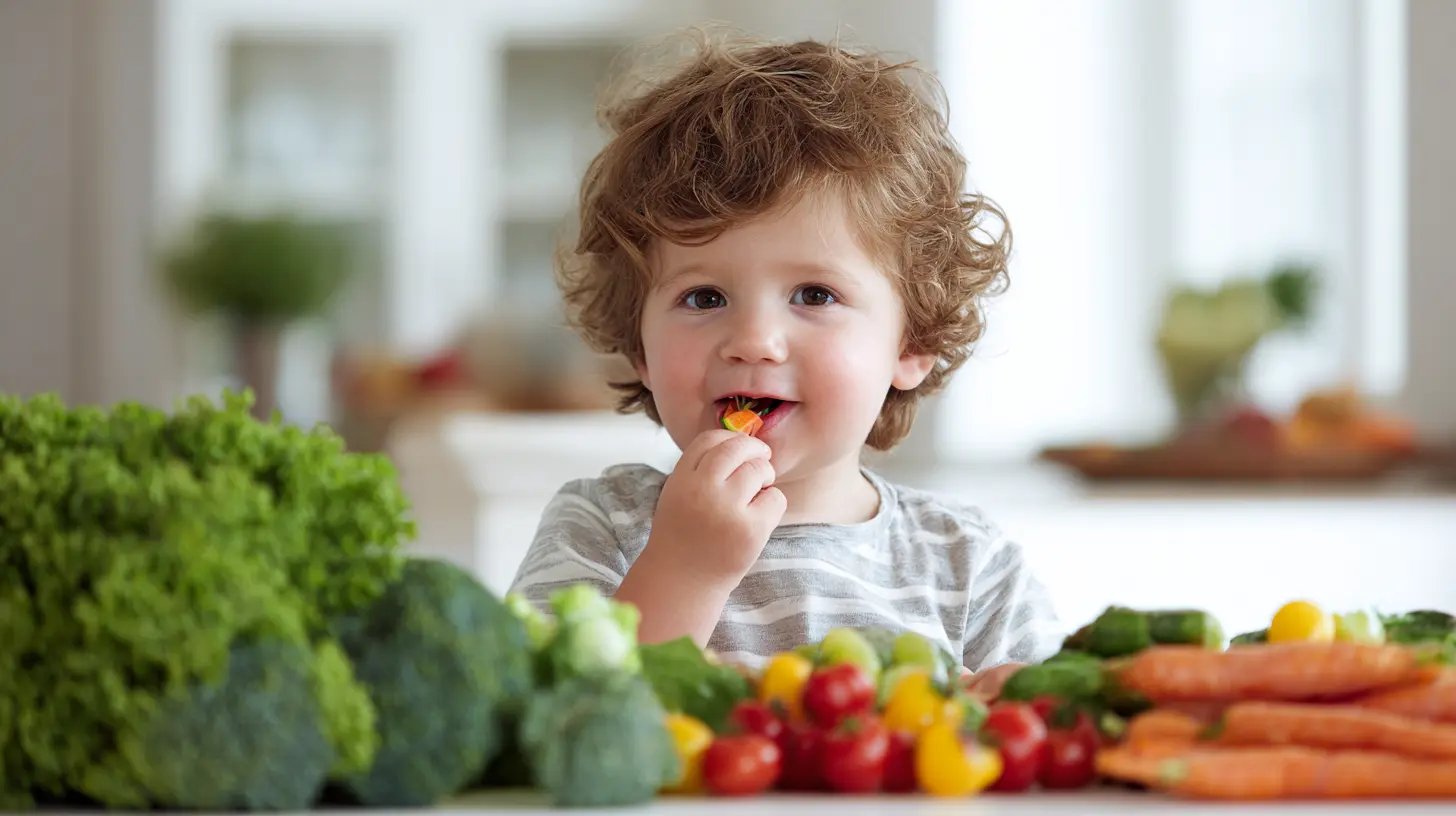
Nutrition Across Developmental Stages
Pregnancy and Breastfeeding
What a mother eats during pregnancy becomes the child's first nutritional environment. Folate prevents neural tube defects. Iron supports the expanding blood supply. DHA supports brain and retinal development. After birth, breast milk adapts in composition to some degree, though its DHA content depends partly on the mother's diet. Mothers who do not breastfeed or who supplement should choose a formula with DHA and iron, and follow pediatric guidance on when to introduce solids.Infancy and the Introduction of Solids
Around six months, breast milk or formula alone no longer meets a baby's iron and zinc needs. This is when iron-fortified cereals, pureed meats, beans, and eventually soft table foods enter the picture. Introducing allergenic foods such as peanut and egg early, under pediatric guidance, has been shown to reduce allergy risk in many children. Delaying them is no longer the default advice.Toddlers: The Picky Eating Years
Toddler appetites fluctuate wildly. A child may eat a large meal one day and almost nothing the next. This is normal. Growth slows after the first year, so calorie needs per kilogram drop. Parents who panic and start short-order cooking train the child to expect a custom menu. A better approach is a division of responsibility: the parent decides what, when, and where to eat. The child decides whether and how much.School-Age Children
This is when breakfast becomes a real factor. Children who eat breakfast tend to perform better on attention and memory tasks, largely because their brains are not running on empty. Lunch quality matters too. A lunch that is mostly refined grains and sugar will not sustain a child through an afternoon of learning. Protein, fiber, and healthy fat slow digestion and keep blood sugar steadier.Adolescents
Teenagers have high nutrient demands, especially for iron (particularly girls after menstruation begins), calcium, and zinc. They also have more autonomy over food choices and more exposure to marketing. This is a stage where modeling and access matter more than lectures. Keeping easy, nutrient-dense options visible in the kitchen often works better than banning junk food outright.Common Mistakes and Misconceptions
Mistake one: assuming a multivitamin covers the gaps. Supplements can help in specific cases, such as vitamin D in low-sunlight climates or iron in diagnosed deficiency. But they do not replace food. They also carry risk. Too much vitamin A or iron can be harmful. Supplements should be targeted, not automatic.Mistake two: hiding vegetables in everything. Sneaking pureed cauliflower into brownies can work once. It does not teach a child to like vegetables. Repeated neutral exposure, without pressure, is what builds acceptance over time.
Mistake three: using dessert as a reward. This teaches that dessert is the prize and dinner is the chore. It can increase preference for sweets and decrease interest in the meal itself.
Mistake four: cutting fat for young children. Young children need fat for brain development. Low-fat diets are generally not appropriate before age two, and even after that, healthy fats should not be restricted without medical reason.
Misconception: picky eating is permanent. For most children, it is a phase. For a smaller number, it reflects sensory sensitivity or a feeding disorder that warrants professional support. The difference is worth investigating if a child's diet is shrinking rather than expanding over months.
Practical Strategies That Actually Work
Eat together when you can. Children learn by watching. A parent who eats broccoli without commentary does more than a parent who lectures about it.Offer, do not force. A new food may need to appear on the plate a dozen times before a child tries it. Serve a small portion alongside a familiar food and move on.
Keep structure. Three meals and two snacks at roughly the same times give a child's appetite a rhythm. Grazing all day blunts hunger and makes meals feel optional.
Involve children in the kitchen. A child who washes lettuce or stirs batter is more likely to taste the result. This is not a guarantee, but it shifts the dynamic from passive to participatory.
Watch the drinks. Juice, soda, and sweetened milk can fill a small stomach with calories that carry little nutrition. Water and plain milk are the defaults.
Be patient with texture. Some children reject foods based on how they feel in the mouth, not how they taste. Roasting, mashing, or serving raw can change the outcome entirely.
When to Seek Professional Guidance
Talk to a pediatrician or a registered dietitian if a child is losing weight, falling off growth curves, avoiding entire food groups for extended periods, showing signs of nutrient deficiency such as pale skin or unusual fatigue, or if mealtimes are consistently distressing for the family. Early intervention tends to be simpler and more effective than waiting.
The Bottom Line
Nutrition is one of the few levers parents can pull that touches nearly every aspect of a child's development. It is not about perfection. It is about patterns. A diet that is mostly varied, mostly whole, and mostly eaten together will do more for a child's brain, body, and future than any single superfood or supplement. The goal is not a flawless plate. It is a foundation strong enough to carry a growing person through childhood and beyond.
all images in this post were generated using AI tools
Category:
Developmental StagesAuthor:

Noah Sawyer