The Importance of Using Non-Toxic Baby Gear
19 August 2026
Welcoming a baby into your life is nothing short of magical. From their first giggle to their tiny fingers wrapped around yours, every little moment feels precious. As parents, we go above and beyond to give our little ones the best start in life—comfort, nourishment, and safety. But, have you ever stopped to consider what’s actually in the baby gear you use every day?
Many baby products, from cribs to car seats, contain hidden toxins that could pose risks to your child’s health. That's why choosing non-toxic baby gear isn't just a trend—it’s a necessity. In this article, we’ll dive into why non-toxic baby gear is so important, what to look for when shopping, and how to create a safer environment for your little one. 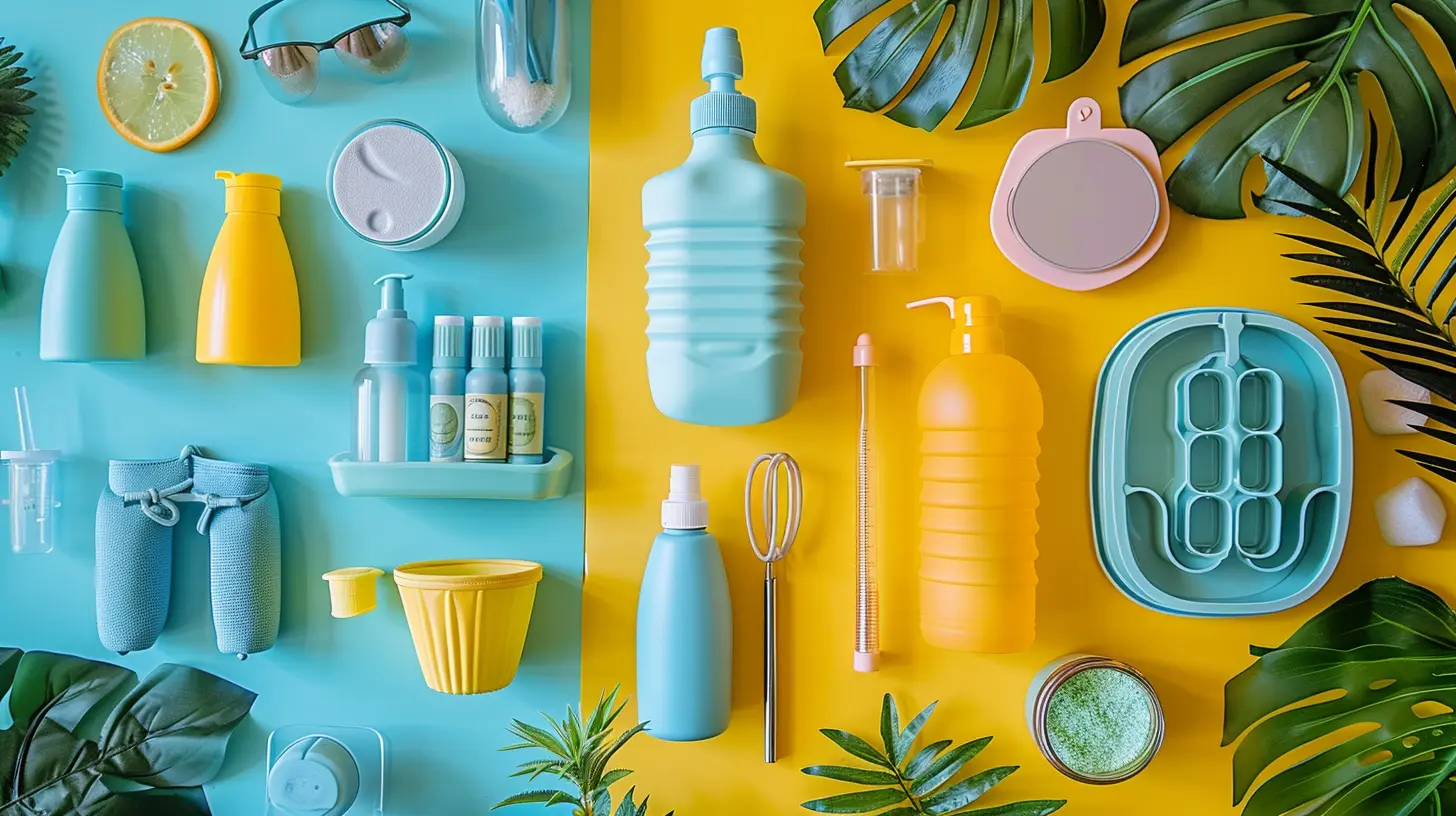
Why Non-Toxic Baby Gear Matters
Babies are incredibly vulnerable to toxins. Their immune systems are still developing, and their tiny bodies are more susceptible to absorbing harmful chemicals than adults. When they explore the world—touching, chewing, and crawling on everything—their exposure to toxins in their surroundings increases.Many conventional baby products are made with materials that contain chemicals like BPA, phthalates, formaldehyde, flame retardants, and lead. These chemicals can leach into the air, onto your child’s skin, or even into their mouths when they chew on toys or furniture. The long-term effects of these exposures have been linked to hormone disruption, developmental problems, respiratory issues, and even cancer.
Choosing non-toxic baby gear ensures you're reducing these risks and giving your baby a healthier environment to grow and thrive in. 
Common Toxins Found in Baby Products
It’s shocking to think about, but many everyday baby products contain harmful chemicals. Here are some of the worst offenders:1. BPA (Bisphenol A)
Found in plastic bottles, sippy cups, and even pacifiers, BPA is a hormone disruptor that can interfere with your baby’s development. Opt for BPA-free plastics or better yet, go for stainless steel or glass alternatives.2. Phthalates
These are commonly found in soft plastics, like teething rings and bath toys. Phthalates have been linked to hormonal imbalances and developmental issues. Look for phthalate-free labels when purchasing plastic baby gear.3. Flame Retardants
Used in mattresses, car seats, and upholstered furniture, flame retardants sound good in theory but are actually toxic. They can be absorbed through the skin or inhaled, leading to respiratory issues and developmental concerns. Opt for organic cotton or wool products instead.4. Formaldehyde
Believe it or not, some cribs and high chairs are made from materials that release formaldehyde into the air. This chemical is a known carcinogen and can irritate the respiratory system. Choose furniture made of solid wood or with low-VOC finishes.5. Heavy Metals (Lead & Cadmium)
Some baby toys, paints, and even bibs have been found to contain lead or cadmium, which are extremely toxic to children's developing brains. Always choose reputable brands that meet strict safety standards.
How to Choose Safe and Non-Toxic Baby Gear
Now that we know the risks, how do we ensure that the products we buy are truly safe for our little ones? Here’s what to keep in mind:1. Read Labels Carefully
Always check that items are certified non-toxic. Some key certifications to look for include:- GOTS (Global Organic Textile Standard) – Great for organic cotton products.
- GREENGUARD Gold Certification – Ensures low chemical emissions in furniture and mattresses.
- OEKO-TEX Standard 100 – Indicates the fabric is free from harmful substances.
2. Go for Natural Materials
Stick to materials like organic cotton, bamboo, solid wood, and stainless steel. These are naturally free from harmful chemicals and much safer for your baby.3. Avoid Strong Smells
Ever notice how some new baby products have a strong chemical smell? That’s often a sign of off-gassing toxic chemicals. Opt for products labeled “low-VOC” or “formaldehyde-free” to minimize exposure.4. Choose Sustainable and Eco-Friendly Brands
Companies that focus on sustainability typically also prioritize safe materials. Brands like Naturepedic, Green Sprouts, and Lovevery are known for their commitment to non-toxic baby products.5. Prioritize Safety Over Aesthetics
Yes, that trendy modern crib might look amazing in your nursery, but if it’s coated in toxic finishes, it’s not worth it. Choose function, safety, and material quality over looks.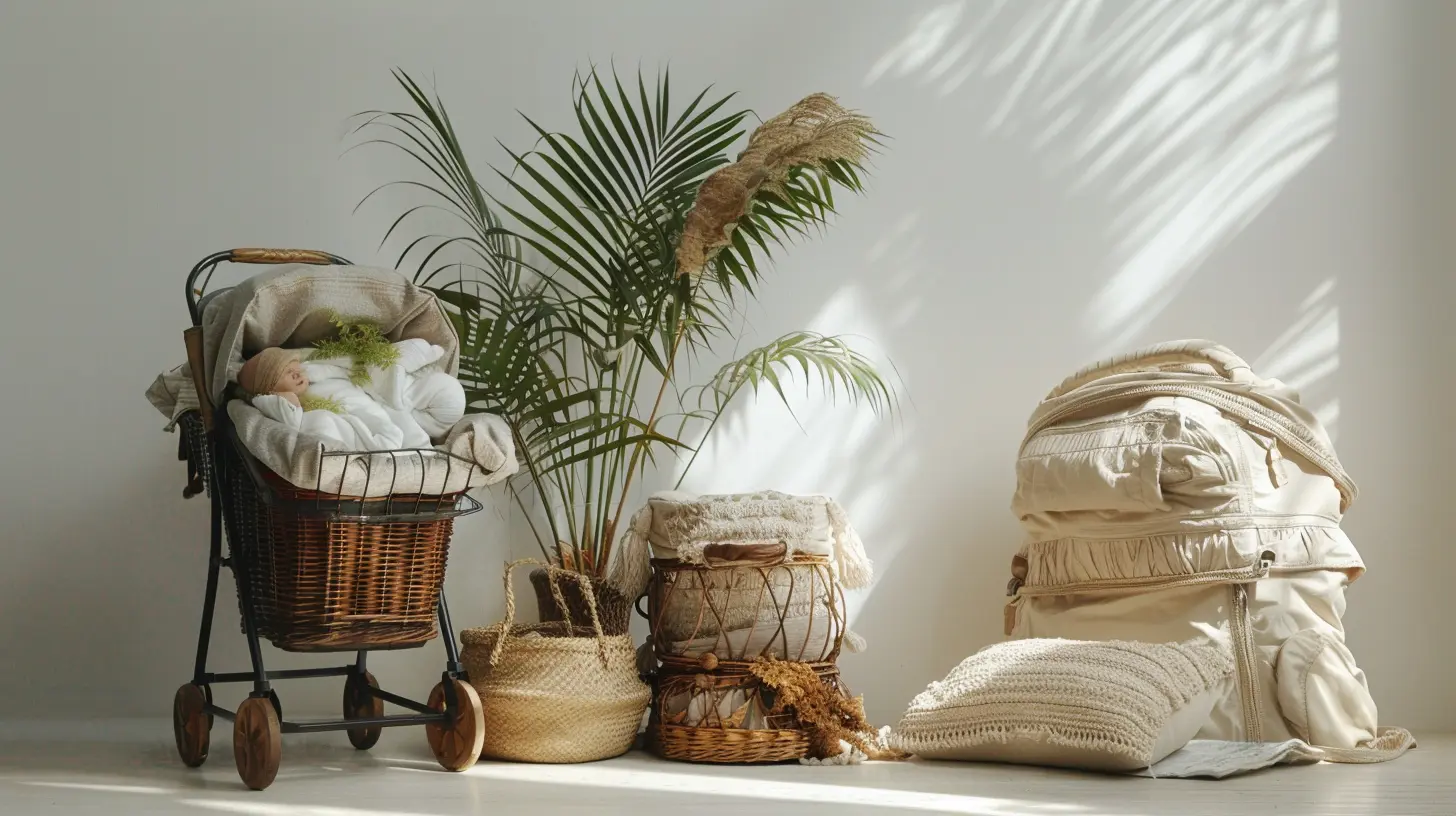
Must-Have Non-Toxic Baby Products
Want to make the switch to safer baby gear? Here are some must-have non-toxic alternatives:1. Non-Toxic Crib and Mattress
Look for cribs made of solid wood with non-toxic paint or finishes. For mattresses, go for organic cotton, wool, or natural latex with certifications like GREENGUARD Gold.2. Glass or Stainless Steel Bottles
Instead of plastic bottles, go for glass or stainless steel options that are BPA-free and phthalate-free.3. Organic Cotton Clothing and Bedding
Babies spend a lot of time snuggled up in their clothes and bedding, so choosing organic, chemical-free fabrics is a must.4. Non-Toxic Play Mats and Toys
Look for natural rubber or organic cotton play mats, and go for wooden or organic fabric toys instead of plastic.5. Car Seats Free from Flame Retardants
Some brands now offer car seats that are made without flame retardants while still meeting safety standards. Check for options from brands like UPPAbaby and Nuna.The Long-Term Benefits of Using Non-Toxic Baby Gear
Making the switch to safer baby gear isn't just about the short-term benefits—it’s an investment in your child’s long-term health. Here’s how:- Reduces exposure to harmful chemicals, lowering the risk of allergies, asthma, and hormonal disruptions.
- Supports brain development, as toxins like lead and phthalates can affect cognitive function.
- Creates a healthy home environment, benefiting the entire family by improving indoor air quality.
- Protects the planet, since non-toxic, eco-friendly products often have a smaller environmental footprint.
Ultimately, every small choice you make adds up. By choosing non-toxic baby gear, you’re giving your baby the purest, safest start in life.
Final Thoughts
Parenting comes with a million decisions, and choosing non-toxic baby gear is one of the most important ones you can make. While it might seem overwhelming at first, simply taking small steps—switching to organic bedding, opting for glass bottles, or choosing natural wood furniture—can make a big difference.Your baby deserves a safe, healthy environment. And as parents, we have the power to make that happen—one thoughtful choice at a time.
So, the next time you’re shopping, take a moment to check those labels, read the ingredients, and opt for cleaner, safer options. You’ll thank yourself later, and your baby will too.
all images in this post were generated using AI tools
Category:
Baby GearAuthor:

Noah Sawyer
Discussion
rate this article
1 comments
Winter Wilson
Choosing non-toxic baby gear is essential for protecting our little ones from harmful chemicals. Babies are vulnerable, and their bodies absorb substances more readily. Prioritizing safe products not only nurtures their health but also fosters a mindful approach to parenting, guiding us toward a cleaner, safer environment for future generations.
August 30, 2026 at 3:28 AM
Noah Sawyer
I completely agree. Prioritizing non-toxic baby gear truly makes a difference in our children's health and sets a positive example for future generations. Let's keep pushing for safer choices.