The Developmental Benefits of Boredom
29 September 2026
Parents today face a peculiar pressure. Every empty hour looks like an opportunity that should be filled. A child staring out the window on a Tuesday afternoon can trigger a quiet guilt: Shouldn't they be doing something? Shouldn't I be providing something?
This instinct is understandable. It is also, in many cases, working against the very development parents are trying to support.
Boredom is not a malfunction of childhood. It is a functional state, one that does specific and valuable work in the developing brain. The problem is that modern family life has made boredom almost impossible to reach. When it does appear, it is treated as a problem to solve within minutes.
Understanding what boredom actually does, and how to protect space for it without turning it into another parenting project, changes how you approach empty afternoons.
What Boredom Actually Is
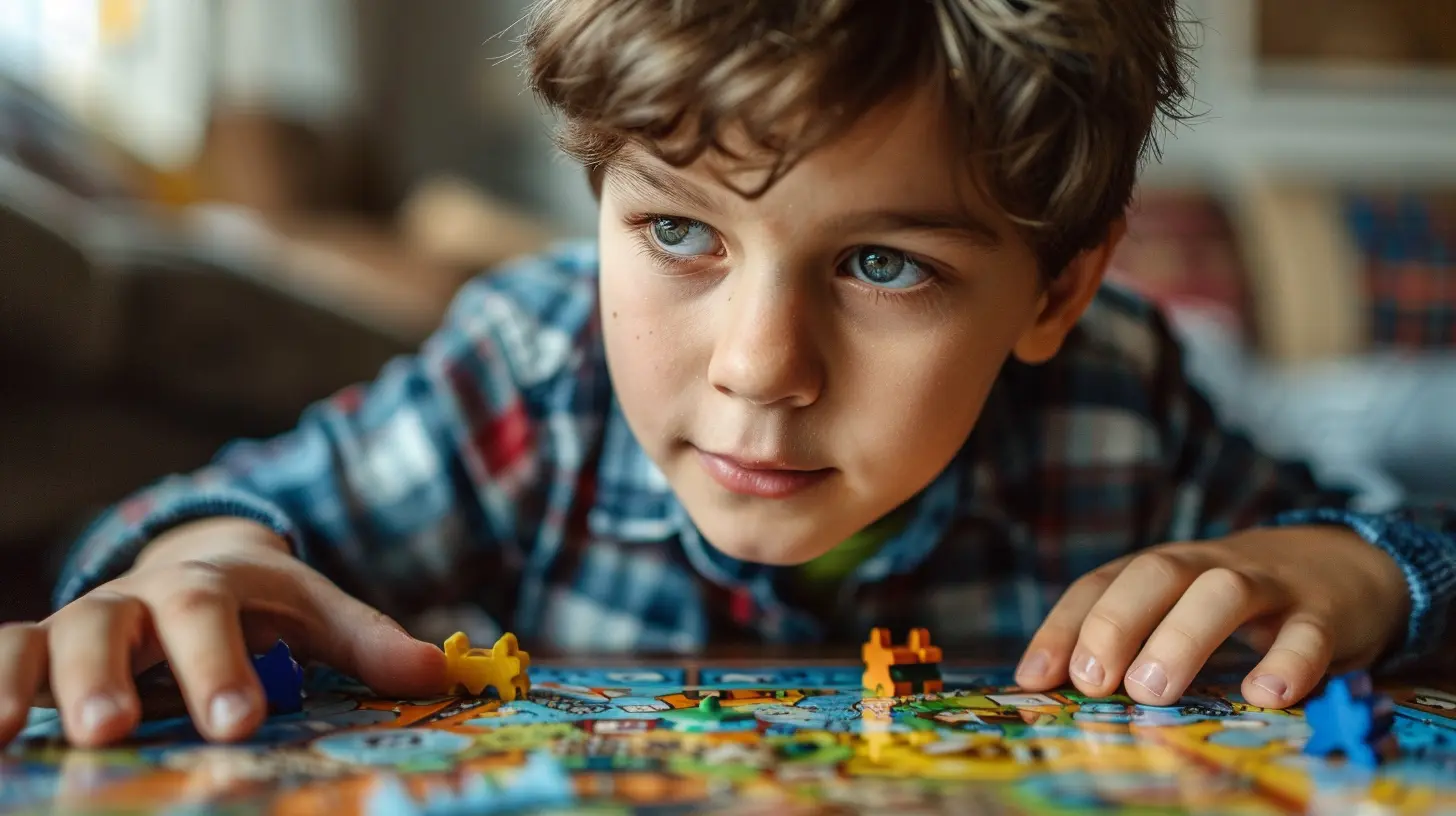
Boredom is not the same as having nothing to do. It is a specific mental state: the recognition that current options feel unsatisfying, combined with the absence of an obvious next step. It is a signal, not a defect.Researchers who study boredom distinguish between different types. There is the restless, agitated boredom that comes from being trapped in a situation you cannot leave, like a long wait in a doctor's office with no distractions. There is the flat, apathetic boredom that can accompany low mood. And there is the open, searching boredom that arises when a child has time, freedom, and no clear direction.
That third type is the one worth protecting. It is uncomfortable but not distressing. It creates a kind of productive friction: the mind wants stimulation, none is immediately available, and so it begins to generate its own.
This distinction matters because not all boredom is beneficial. A child who is bored because they are chronically understimulated, isolated, or struggling emotionally does not need more empty time. They need support, connection, or a different environment. The benefits described in this article apply to the ordinary, healthy boredom that arises when a child has resources and freedom but no ready-made activity.

Why the Brain Needs Empty Space
The human brain does not idle when nothing is happening. When external demands drop, a network of regions becomes more active. Neuroscientists call this the default mode network. It is involved in memory consolidation, imagining future scenarios, thinking about oneself and others, and connecting unrelated ideas.In practical terms, this is where a lot of quiet cognitive work happens. A child who appears to be doing nothing may be replaying a social conflict from earlier in the day, imagining how a conversation might go tomorrow, or connecting something they saw in a video to something they built last week.
When every gap is filled with a screen, a scheduled activity, or adult-directed play, this network gets less opportunity to run. The child is not harmed in a dramatic way. But something gradual is lost: the habit of generating thought from within rather than responding to input from outside.
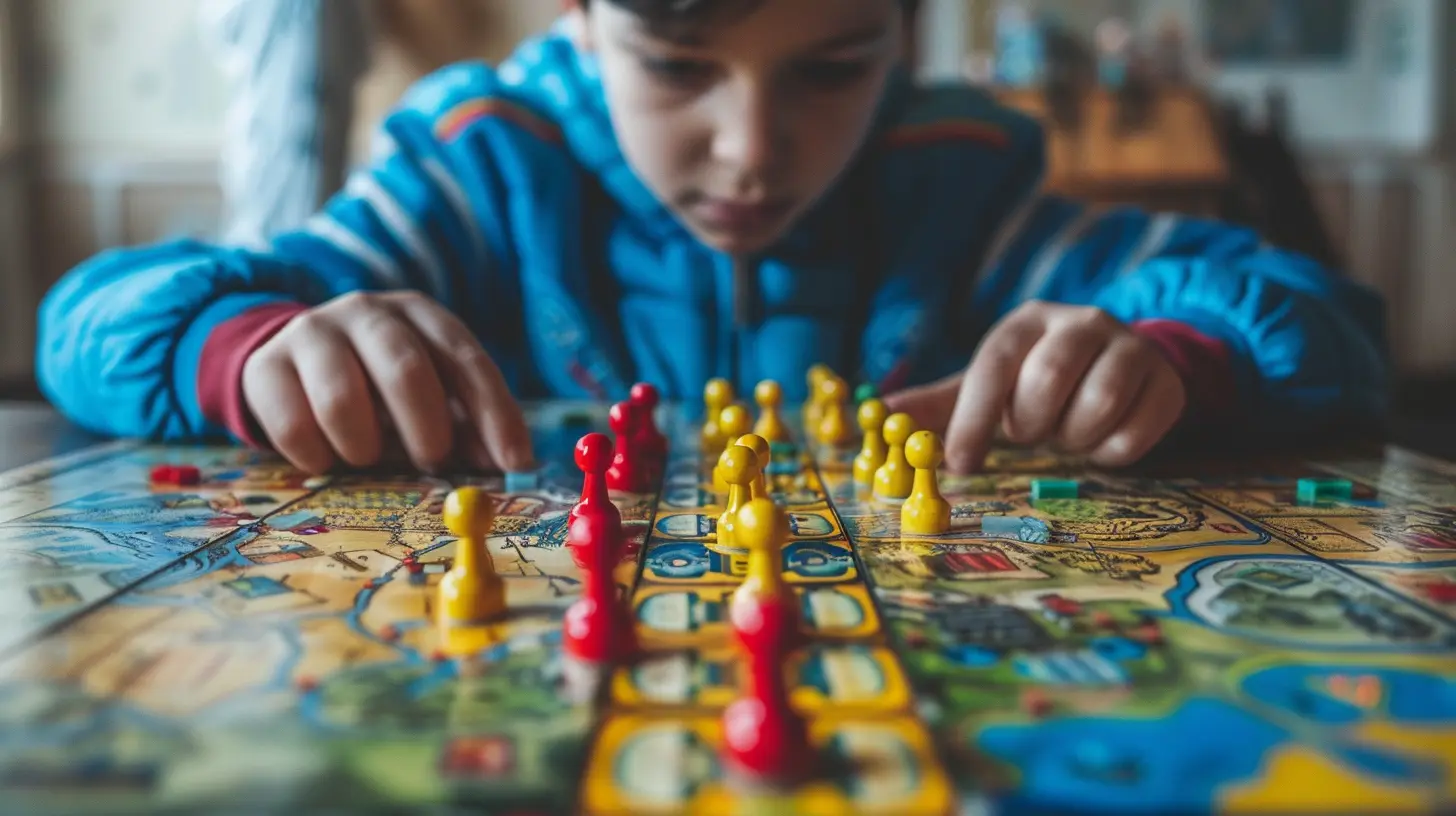
You can see the difference in how children handle unstructured time. Some can sit with a box of random objects and gradually build a world. Others, given the same box, ask within ninety seconds what they are supposed to do. Neither child is broken. But the second child has had less practice at the specific skill of starting from nothing.
The Skills That Boredom Builds
Internal Initiation
The ability to start something without external instruction is one of the most underrated life skills. It shows up in adulthood as the difference between people who wait for tasks to be assigned and people who notice what needs doing and begin.Boredom is the training ground for this. When a child is bored and no adult rescues them, they eventually have to decide something. That decision might be small: build a ramp for a toy car, draw a map of an imaginary country, reorganize a shelf. The content matters less than the act of choosing.
Adults often short-circuit this by offering suggestions too quickly. A well-meaning "Why don't you read a book?" ends the search before it begins. The child learns that boredom is resolved by waiting for an adult idea, not by generating their own.
Tolerance for Discomfort
Not every moment of life is interesting. Meetings, commutes, waiting rooms, and long projects with slow payoffs are full of low-stimulation time. Adults who cannot tolerate this reach for their phones constantly, which fragments attention and reduces patience for anything slow.Children who experience manageable boredom learn that the feeling passes. They develop a kind of internal steadiness: this is boring, and I can handle it. That capacity does not come from being told about it. It comes from living through it.
Creativity and Divergent Thinking
Creativity research consistently finds that constraints and empty space often produce more original ideas than abundant resources. When children have every toy, every option, and every answer available, they tend to use things in expected ways. When they have less, they improvise.A cardboard box becomes a spaceship when there is nothing better to do. A stick becomes a tool, a sword, a fishing rod, a walking cane. This is not nostalgia for simpler times. It is a description of how the mind responds to scarcity: it generates possibilities.
Self-Knowledge
A child who is constantly entertained by external sources has fewer opportunities to notice what they actually like. Preferences emerge in unstructured time. A child might realize they enjoy drawing more than they thought, or that they are drawn to building things, or that they prefer quiet activities to loud ones.This kind of self-awareness is slow to develop and easy to disrupt. It requires time that is not directed by anyone else.
Problem Solving and Planning
When children are bored, they often begin to plan. They think about what they could do next, what materials they would need, who they might involve. This is executive function practice in a natural setting, without worksheets or flashcards.A child who decides to build a fort has to solve a series of problems: what to use, where to put it, how to keep it standing, how to handle the fact that a sibling wants to help. These are real cognitive challenges disguised as play.

The Role of Screens
Screens are not the enemy of boredom in a simple way. They are simply the most efficient boredom-elimination tool ever created. That efficiency is the problem.A child with a tablet never has to sit with the uncomfortable gap between wanting stimulation and finding it. The gap is closed instantly. Over time, the brain learns that this gap is not worth tolerating, because it never has to be.
This does not mean screens are harmful in themselves. The issue is proportion and timing. A child who spends three hours a day in passive screen use has far less unstructured time than a child who spends thirty minutes. The question is not whether screens exist in your home but how much of the day they occupy and whether they are the default response to boredom.
A useful rule of thumb: screens should not be the first thing a child reaches for when bored, and they should not be the thing that prevents boredom from ever occurring. If every car ride, every wait, and every quiet afternoon is filled with a screen, boredom has been engineered out of childhood.
What Boredom Is Not
Boredom is not the same as neglect. A child who is bored because no one is paying attention to them, because they are hungry, or because they are in an environment with nothing to do and no one to help them find something, is not experiencing the productive kind of boredom. They are experiencing deprivation.The difference is whether the child has resources available and the freedom to use them. A child with art supplies, books, toys, outdoor space, and a safe adult nearby is in a very different situation from a child with none of those things.
Boredom is also not a virtue in itself. A child who is bored for hours every day with no outlets is not benefiting. The goal is not to maximize boredom but to allow it to exist when it naturally arises, rather than treating it as an emergency.
Common Mistakes Parents Make
Rescuing Too Quickly
The most common mistake is solving boredom within seconds. A child says "I'm bored," and a parent immediately offers a list of activities. This teaches the child that boredom is a problem for adults to fix.A better response is often a version of: "That's okay. You'll figure something out." This is not cold. It is confidence in the child's ability to generate their own direction. It may take several tries before a child believes you mean it.
Confusing Boredom with Misbehavior
When children are bored, they sometimes act out. They whine, poke siblings, or make messes. Parents often interpret this as defiance. It is more often a signal that the child has not yet developed the skill of self-direction.The response should be to hold the boundary while offering the child a way to practice. "I can see you're restless. I'm not going to give you a screen right now. What could you do?" This puts the responsibility back on the child without abandoning them.
Over-Scheduling as a Preemptive Strike
Many families fill every afternoon with activities to prevent boredom from ever occurring. This is understandable, especially in competitive environments. But it comes at a cost: children lose the chance to learn how to manage empty time.A balanced approach might include some structured activities and some protected empty time. The ratio depends on the child. Some children thrive with more structure. Others need more space. The point is to make the choice consciously rather than by default.
Treating Boredom as a Character Flaw
Some parents subtly communicate that being bored is a sign of being uninteresting or ungrateful. This can make children feel ashamed of a normal human state. Boredom is not a failure. It is a signal that the mind is looking for something meaningful to do.How to Make Room for Boredom
Protect Unstructured Time
This sounds obvious, but it requires active defense. Unstructured time gets filled by default unless you treat it as a priority. That might mean saying no to an extra activity, leaving an afternoon open, or resisting the urge to plan a playdate when a child seems restless.The amount of time needed varies. Some children need only an hour a day. Others need entire afternoons. Watch your child. If they seem constantly overstimulated and unable to settle, they may need more empty time, not less.
Provide Materials, Not Instructions
A shelf with art supplies, building materials, books, and random objects gives children options without directing them. The key is accessibility. If materials are locked away or require permission, they are less likely to be used spontaneously.Rotate materials occasionally to keep them fresh. But do not overdo it. Too many options can be as paralyzing as none.
Resist the Urge to Fill Silence
Car rides, waiting rooms, and quiet evenings are natural boredom zones. These are opportunities. A child who learns to look out the window, think, or simply sit with their own thoughts is developing a skill that will serve them for life.This does not mean never offering a book or a game. It means not treating every silent moment as a problem to solve.
Model It Yourself
Children learn from what they see. If every quiet moment in your own life is filled with a phone, they will absorb that pattern. If they see you sitting with a book, thinking, or simply being still, they learn that this is normal.This is not about performance. It is about genuinely examining your own relationship with boredom and whether you are passing on a healthy one.
Tolerate the Discomfort
The first twenty minutes of boredom are often the hardest. Children may complain, follow you around, or ask repeatedly what they should do. This is normal. If you can hold steady without rescuing or scolding, most children eventually find something.The key is to stay calm and neutral. Boredom is not an emergency. Your calm communicates that.
When Boredom Is Not the Answer
There are situations where boredom should not be the goal. A child who is chronically bored at school may need a different educational environment. A child who is bored because they are socially isolated may need help building connections. A child who is bored because of depression or anxiety needs professional support, not more empty time.Boredom is beneficial when it is a temporary state within a rich environment. It is not beneficial when it is a chronic condition caused by lack of resources, lack of connection, or untreated mental health issues.
A Balanced View
The goal is not to romanticize boredom or to make children suffer for the sake of it. It is to recognize that empty time is not wasted time. It is a developmental resource, one that is increasingly scarce in modern childhood.Parents do not need to create boredom. They need to stop preventing it. They need to resist the reflex to fill every gap and trust that their child can handle the discomfort of not knowing what to do next.
That trust is not always easy. But it is one of the most valuable things you can offer a developing mind.
Practical Takeaways
- Aim for at least one unstructured block of time each day, even if it is short.- Keep materials accessible and varied, but do not direct their use.
- When your child says they are bored, pause before responding. Give them a chance to solve it.
- Do not use screens as the default solution to boredom.
- Distinguish between productive boredom and boredom caused by unmet needs.
- Model your own comfort with empty time.
- Expect resistance at first. It usually fades.
Boredom is not a problem to be solved. It is a space where something important happens. Protecting that space is one of the quieter, more countercultural things a parent can do.
all images in this post were generated using AI tools
Category:
Developmental StagesAuthor:

Noah Sawyer