The Benefits of a Family Gratitude Practice
4 June 2026
Parenting can feel like a never-ending juggling act, right? Between homework, meal planning, extracurricular activities, and managing our own lives, it’s easy to get caught up in the daily grind. But what if I told you that there’s one simple habit—one that takes just a few minutes a day—that can transform your family life for the better? Yep, I’m talking about practicing gratitude as a family. It’s like hitting the “refresh” button on the chaos and finding joy in the little things.
Gratitude isn’t just about saying “thank you” (though that’s a great start). It’s a mindset, a way of appreciating what’s good in our lives even when things aren’t perfect. When you bring that mindset into your home and make it part of your family’s routine, the ripple effects are incredible. Let’s break it all down, shall we?
What is a Family Gratitude Practice?
First things first—what exactly is a family gratitude practice? It’s not as complicated as it might sound. In simple terms, it’s setting aside intentional moments as a family to acknowledge and express gratitude. Think of it as a family ritual, like dinnertime or bedtime stories, but with a focus on appreciating what you already have.Maybe it’s a daily ritual where everyone shares one thing they’re thankful for before dinner. Or perhaps it’s a once-a-week gratitude journal that you fill out together. The key is consistency. The more often you practice, the more it becomes a natural part of your family culture.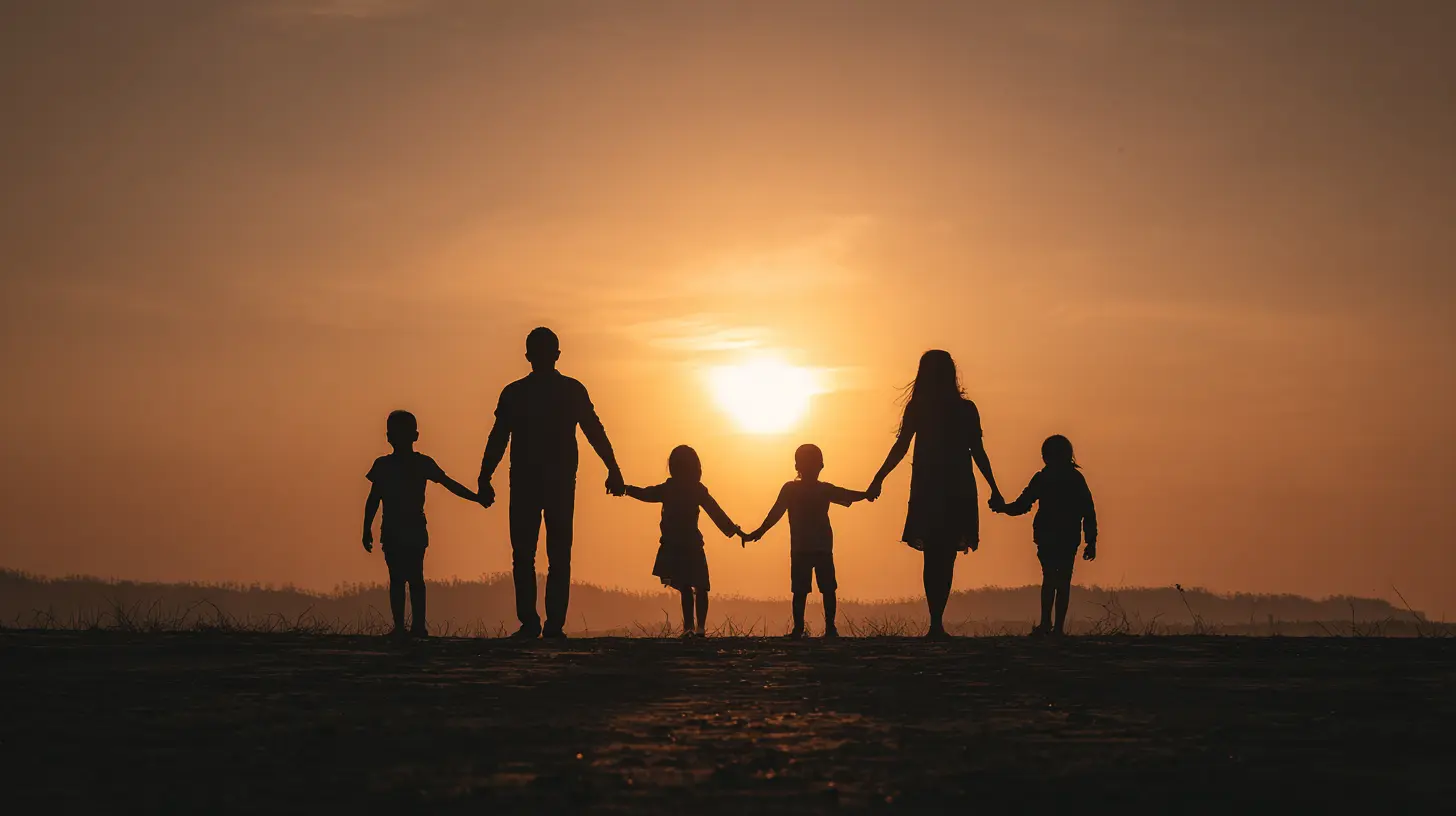
Why Gratitude Matters for Families
You might be wondering, why bother? Life’s busy enough without adding another “to-do” to the list. But trust me, the benefits of a gratitude practice are worth it. Here’s why:1. Shifts Focus From Negativity to Positivity
Ever notice how easy it is to dwell on what’s going wrong? The spilled coffee, the forgotten lunchbox, the tantrum at Target—it’s like these little things hijack our day. Gratitude shifts the focus. When you make a habit of identifying what you’re thankful for, it’s like putting on a pair of positivity glasses. You start noticing the good stuff: the cozy hug from your toddler, the laugh you shared with your teen, or even just a sunny day.2. Strengthens Family Bonds
Let’s face it—life’s distractions can make quality family time feel like a luxury. A gratitude practice is a built-in moment to connect. By sharing your thoughts and listening to each other, you create a sense of togetherness. It’s like hitting pause on the chaos and saying, “Hey, we’re in this together.”3. Improves Emotional Well-Being
Gratitude isn’t just good for relationships; it’s good for the soul. Studies have shown that practicing gratitude can reduce stress, improve mood, and even help with sleep. And this isn’t just for the grown-ups—it’s just as impactful for kids. Imagine giving your child a tool to handle life’s challenges with a more positive mindset. That’s what gratitude can do.4. Teaches Important Life Skills
Here’s the thing about gratitude—it’s one of those skills that benefits you for life. By teaching your kids to focus on what they have rather than what they lack, you’re helping them build resilience. It’s like giving them an emotional toolkit to navigate disappointments and challenges in a healthier way.
Simple Ways to Start a Family Gratitude Practice
Now that you’re sold on the idea, let’s talk about how to actually get started. (Because, let’s be real, if it’s too complicated, we’re not doing it.) The good news? A gratitude practice is as flexible as you need it to be. Here are some ideas to help you weave gratitude into your family’s everyday life:1. Gratitude Jar
This one’s a crowd-pleaser. Grab a jar, some slips of paper, and a pen. Throughout the week, everyone writes down something they’re grateful for and adds it to the jar. At the end of the week, take turns reading them out loud. It’s a simple but powerful way to reflect on the good things, big or small.2. Thankful at the Table
Make gratitude part of your mealtime routine. Before digging in, go around the table and have everyone share one thing they’re grateful for. It doesn’t have to be profound—“I’m thankful for pizza” totally counts.3. Gratitude Journals
If your kids are old enough to write, consider starting gratitude journals. Once a week (or even every night!), spend five minutes jotting down three things you’re thankful for. Younger kids can draw pictures instead of writing—it’s all about capturing the essence of gratitude in a way that works for your family.4. Bedtime Gratitude Ritual
Bedtime is a natural time to wind down and reflect. Before the lights go out, ask your child, “What’s one thing you were grateful for today?” It’s a sweet way to end the day on a positive note.5. Seasonal Gratitude Projects
Want to make it extra fun? Turn gratitude into a creative project. For example, during Thanksgiving, create a “thankful tree” where everyone adds leaves with things they’re grateful for. Or, in December, make an Advent calendar of gratitude. The possibilities are endless!
How Gratitude Impacts Kids
It’s not just adults who benefit from a gratitude practice—your kids will, too. And the effects are pretty amazing.1. Builds Confidence and Self-Esteem
When kids learn to recognize the good things in their lives, they feel more secure and valued. It reminds them that they have support, love, and opportunities, which boosts their confidence.2. Encourages Kindness and Empathy
Grateful kids are often more empathetic. When they realize how much they have to be thankful for, they’re more likely to want to give back and help others. It’s like planting seeds of kindness that grow over time.3. Helps Them Cope with Challenges
Let’s be real—life isn’t always rainbows and sunshine. But kids who practice gratitude are better equipped to handle tough times because they’ve trained their brains to look for the silver lining.The Ripple Effect on Parenting
Here’s the kicker: a family gratitude practice doesn’t just benefit your kids—it’ll transform you as a parent, too. When you actively focus on gratitude, you’ll feel more patient, less stressed, and, dare I say, happier. It’s like putting on a superhero cape—suddenly, you’re able to tackle tantrums and teenage drama with a little more grace. And let’s not forget, parenting isn’t just about teaching your kids to be better people; it’s also about growing alongside them.Overcoming Challenges
Let’s be honest—starting a new habit isn’t always easy. Some days, it’ll feel awkward. Other days, you’ll forget altogether. That’s okay. The goal isn’t perfection—it’s progress. If your gratitude jar collects dust for a week or your mealtime rituals get interrupted, just pick it back up when you can. The beauty of gratitude is that it’s always there, waiting for you to tap into it.And if your kids are reluctant at first? Hang in there. Sometimes it takes a little time for them to warm up to the idea. Keep it fun, low-pressure, and consistent, and eventually, it’ll become second nature.
Final Thoughts
A family gratitude practice is one of those simple yet transformative habits that can bring more joy, connection, and resilience into your home. It’s like a glue that strengthens your bond, a lens that sharpens your focus on the good, and a gift that keeps on giving. So why not give it a try? Start small, stay consistent, and watch the magic unfold.Because at the end of the day, parenting isn’t about having it all together. It’s about creating little moments of meaning amid the mess. And a gratitude practice? Well, it just might be your family’s secret weapon for thriving instead of just surviving.
all images in this post were generated using AI tools
Category:
Family BondingAuthor:

Noah Sawyer
Discussion
rate this article
2 comments
Audra McQuiston
Emphasizing gratitude fosters stronger family bonds and encourages positive outlooks.
August 3, 2026 at 4:05 AM
Noah Sawyer
I completely agree. Gratitude truly has the power to deepen connections and uplift spirits in families.
Elowen West
I love the idea of a family gratitude practice. It's a simple way to teach kids appreciation and positivity. Plus, it strengthens family bonds and creates lasting memories. Definitely worth trying in our daily routine.
June 13, 2026 at 4:20 AM
Noah Sawyer
I'm glad you see the value in it! A family gratitude practice can really bring everyone closer together and make a big difference in how we view our daily lives. Enjoy the journey!