Teaching Kids Consent Through Boundaries
7 July 2026
Parenting isn’t just about teaching kids to tie their shoes, say "please," or remember to brush their teeth. It's deeper than that. One of the most important lessons we can give our children is how to understand personal boundaries and practice consent. It's not just about physical touch — it's about respect, communication, and empathy.
But here’s the thing: this isn’t a one-time conversation. Teaching kids consent through boundaries is an ongoing process. A daily one, even. And it starts way earlier than you might think.
So, how do you raise a boundary-respecting, consent-aware kiddo in today’s world? Let’s break it down.
Why Teaching Consent and Boundaries Early Matters
Let’s be real — the world isn’t always great at honoring boundaries. That’s why it’s so important we get ahead of it.Teaching consent is about empowering our kids to understand their own rights, feelings, and bodies — and to respect those of others. It’s not about fear; it’s about confidence and safety.
Think of it this way: just as we teach kids how to cross the street safely, we should teach them how to navigate social interactions safely and respectfully. Consent and boundaries are their emotional crosswalks.
What Exactly Do We Mean by “Consent” and “Boundaries”?
We throw around these words a lot, but what do they really mean to a 4-year-old or a 10-year-old?- Consent is simply agreeing to something. It means someone says “yes” freely and enthusiastically — and it’s okay if they say “no” too.
- Boundaries are the invisible lines that protect our comfort, space, and feelings. We all have them. Teaching our kids to know and respect those lines is essential.
And that’s the beauty of it — once kids get the concept, it applies to everything: playtime, hugs, borrowing toys, and eventually... dating, relationships, and beyond.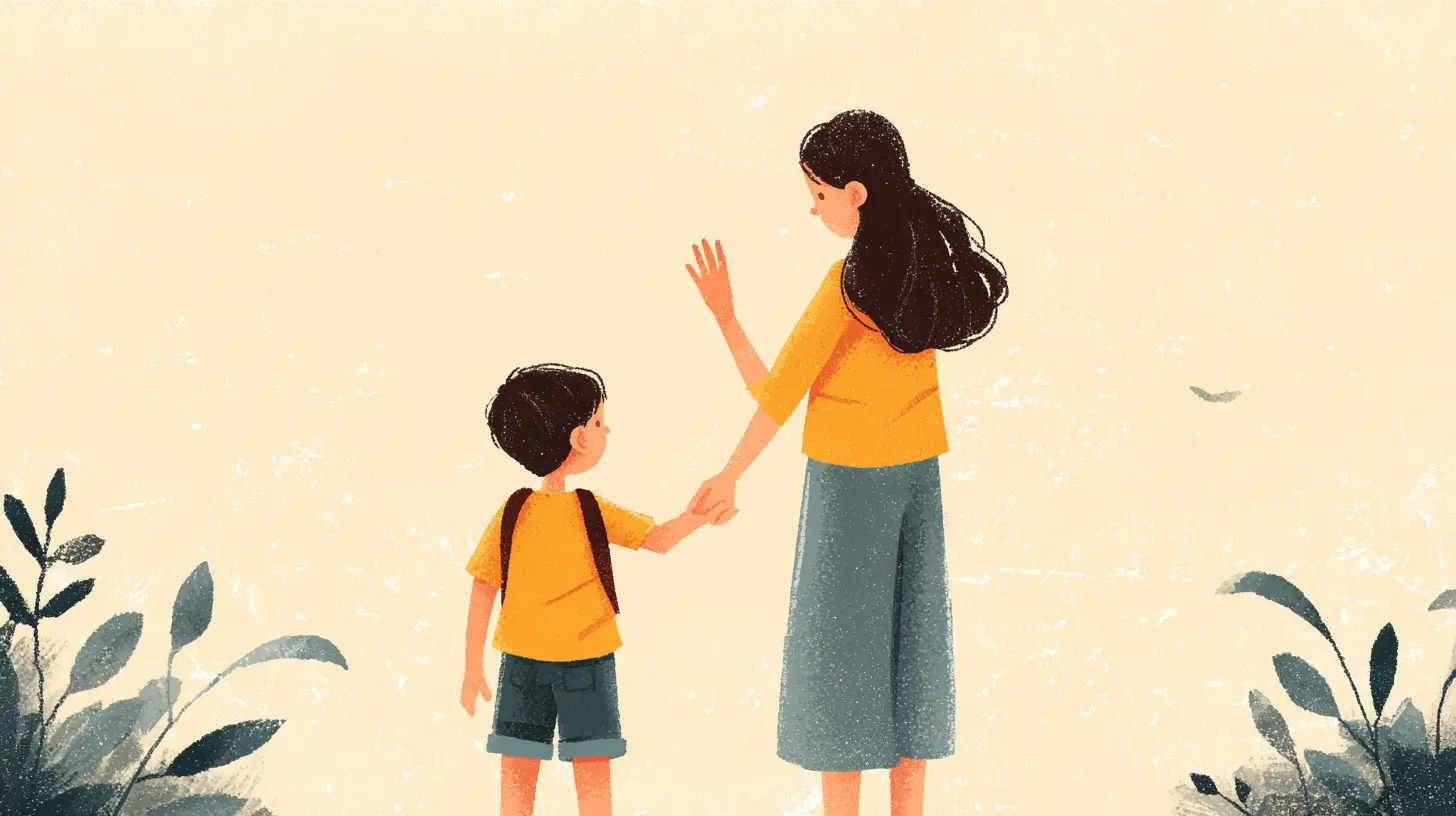
Start With Body Autonomy — Even in Toddlers
Yep, it starts young. Like, really young.Kids as young as two or three can begin learning about ownership of their body. Saying things like, “You don’t have to hug Aunt Karen if you don’t want to,” sends a powerful message. It says, “Your body is your own.”
This might ruffle a few feathers with relatives expecting those goodbye hugs — but remember, you're raising a confident child, not a people-pleaser.
Simple Examples:
- “Do you want a high five or a wave?”- “Is it okay if I fix your hair?”
- “Can I give you a hug?”
These small moments teach kids how to recognize their choices — and that their preferences matter.
Model Boundaries in Everyday Life
Kids may not always listen to what we say, but they are always watching what we do.If your child sees you setting healthy boundaries with your time, your privacy, or how others treat you, they’re more likely to do the same.
Try saying:
- “I’m feeling tired right now, so I’m going to take a few minutes alone.”
- “No, I don’t feel comfortable sharing that information.”
- “I love you, but I’m not ready to talk about that just now.”
Let them see you pause, check in with yourself, and assert your needs in a healthy way.
It’s like giving them a real-life script to use when they need it most.
Teach Them to Ask for Consent Too
Consent isn't just about saying "no" — it’s also about asking for a “yes.”When your child wants to play with a friend’s toy or join in a game, teach them to ask first. It’s just as important as asserting their own boundaries.
Role-play Scenarios:
- “Can I sit here?”- “Would you like to play tag?”
- “Is it okay if I pet your dog?”
These moments reinforce that they should always seek agreement rather than assuming it.
Trust me, once they get the hang of it, you'll catch them checking in with friends like little pros.
Redefine "Politeness" and Let Kids Say "No"
We’ve all heard it: “Be nice,” “Go give him a hug,” “Don’t be rude.”But here’s the deal — we’re not raising kids to be robots. We’re raising them to be respectful and assertive.
If we constantly override their “no,” how can we expect them to trust it later?
Instead of pushing past their discomfort for the sake of adult feelings, back them up. Celebrate that “no”! It means they understand themselves — and that’s huge.
So, let’s ditch forced affection and shy apologies and replace them with phrases like:
- “It’s okay to say no kindly.”
- “You don’t have to do anything that makes you uncomfortable.”
- “Your feelings matter.”
Boundaries in Friendships and Social Situations
Let’s be honest — playground politics are wild.Kids face all kinds of peer pressure, and that’s why boundaries with friends can be tricky. Maybe a friend wants to share secrets, play rough, or even exclude others.
Help your child navigate this with tools like:
- “I don’t like when you yell at me.”
- “I need space right now.”
- “Please stop — I don’t like that.”
Practice these lines together. Use dolls or stuffed animals. Make it a game.
The more they practice, the more natural it becomes when it really counts.
Normalize Changing Their Minds
We’ve all had moments where something felt okay at first — then... not so much.Whether it’s a game of tag that got too rough or a hug that lingered too long, teach your child that consent can change.
Saying “yes” once doesn’t mean it’s “yes” forever.
Encouraging phrases could be:
- “You can stop anytime.”
- “If you’re not comfortable, just say so.”
- “Your 'no' is always valid.”
This helps them feel in control. And that’s what we want.
Handle Boundary Crosses With Compassion… and Clarity
Spoiler alert: Your child will mess up — they’ll cross someone’s boundary or have theirs crossed. That’s part of learning.The goal isn’t perfection. It’s understanding.
When these moments happen, don’t shame them. Instead, use it as a window for growth.
Ask:
- “How do you think your friend felt when that happened?”
- “How could we handle that differently next time?”
Make it a conversation, not a punishment.
And if someone crosses your child’s boundary? Validate them. Listen. Reassure. Then talk through what should’ve happened.
Use Media and Stories to Spark Conversation
Books, cartoons, and even commercials are fantastic springboards for these talks.Next time you're watching something together and a character forces a hug or ignores someone’s wishes, hit pause.
Ask:
- “What do you think about what they just did?”
- “Was that respectful?”
- “What should they have said or done instead?”
Stories help kids make sense of big ideas. It’s like sneaking vegetables into spaghetti — they'll absorb the lesson without even realizing it.
Teach Emotional Boundaries Too
Boundaries aren’t just physical — they’re emotional too.Kids need to know it’s okay to have their own opinions, interests, and feelings. They don’t have to like what everyone else likes or agree with every friend.
Encourage them to speak up when something feels off.
Validate when they say:
- “That hurt my feelings.”
- “I didn’t like that joke.”
- “I don’t want to talk about that.”
These conversations build emotional intelligence — and that’s a big win for their mental health.
What About Siblings? Yep — It Applies There Too
Siblings are often the first “test run” for boundary-setting.And yes, they’ll fight. They’ll push each other's buttons. That's normal. But it’s also the perfect training ground.
Work with phrases like:
- “Use your words instead of grabbing.”
- “Did you ask before taking that?”
- “Can you check if they’re okay playing that game?”
Turn conflicts into practice sessions, not just punishments.
Keep the Conversation Going As They Grow
Consent and boundaries don’t stop being relevant once your kid hits double digits. In fact, they become even more important.As they move into tween and teen years, things get more layered — relationships, peer pressure, social media, and yes, romantic interest.
Keep the dialogue open. Keep it real. Share your own experiences (when age-appropriate), and let them ask questions. Even awkward ones.
This isn't just about protection — it's about connection.
Final Thoughts: Raising Respectful, Empowered Humans
Teaching kids about consent and boundaries might seem like a tall order — but it’s really just about respect, empathy, and self-worth. And every day offers a chance to reinforce that.Remember, by helping kids learn how to say “no” — and ask for a “yes” — we’re not just teaching them good manners.
We’re teaching them how to honor themselves and others.
It's one of the most powerful gifts we can give them.
all images in this post were generated using AI tools
Category:
Parenting BoundariesAuthor:

Noah Sawyer
Discussion
rate this article
1 comments
Barrett Holland
Teaching kids about consent is essential. Setting clear boundaries helps them understand respect for their own and others' personal space. This foundation fosters healthy relationships and prepares them for future interactions.
July 17, 2026 at 4:19 AM
Noah Sawyer
Absolutely, teaching consent through boundaries empowers kids to respect themselves and others. It's vital for their growth and future relationships.