Toddler Transition Gear: Making the Move from Baby to Big Kid
15 March 2026
Ah, the toddler years—where the cuddly newborn phase is fading, and your little one is ready to conquer the world (or at least the living room). This stage is all about transitions: cribs turn into beds, sippy cups replace bottles, and diapers become a thing of the past.
But let's be honest, transitioning from baby to big kid isn't always smooth sailing. It takes patience, preparation, and the right gear to make the shift as seamless as possible. So, if you're gearing up for big changes, here's everything you need to know about toddler transition gear—and how to survive the journey! 
Why Transition Gear Matters
Toddlers thrive on routine and familiarity, so any big change can feel overwhelming for them (and let's be real, for us too). The right transition gear can help ease their anxiety and make things feel exciting rather than scary.Think of it like training wheels for life's next big steps. It's not just about moving from Point A to Point B—it’s about making your child feel safe, confident, and ready for their next stage of independence. 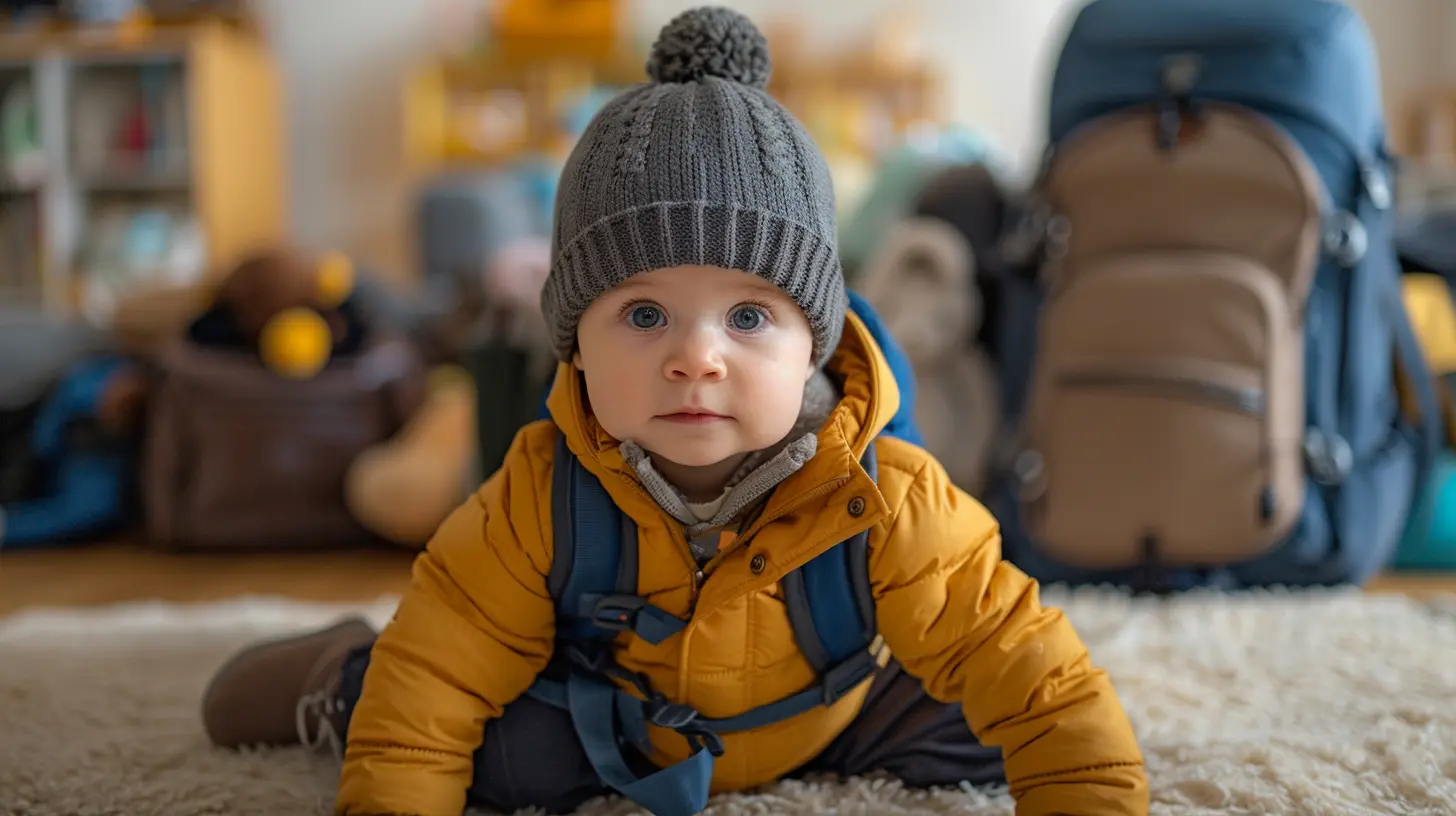
Crib to Big Kid Bed: The Great Escape
One day, your toddler is sleeping peacefully in their crib. The next, they're climbing out like a mini ninja. When that happens, it's time to transition to a big kid bed.What You Need:
- Toddler Bed or Bed Rails – A toddler bed is a smaller, low-to-the-ground option, but some parents skip this and go straight to a twin bed with rails.- Comfortable Mattress – Make sure it's supportive and cozy.
- Familiar Bedding – Using their favorite blanket or stuffed animal can make the transition easier.
- Nightlight – Helps with nighttime fears (and prevents midnight wandering).
How to Make It Smooth:
- Start with naps in the new bed before making it an overnight change.- Keep bedtime routines identical to before—this helps the bed feel familiar.
- If your toddler keeps getting out of bed, gently guide them back without making it a game.

Sippy Cups & Open Cups: Ditching the Bottle
Saying goodbye to bottles can be bittersweet—especially when it’s been a comfort item for months (or years). But the sooner you introduce cups, the easier it’ll be.What You Need:
- Spill-Proof Sippy Cups – Great for transitioning, but avoid using them too long, as they can impact oral development.- Open Cups with Handles – Perfect for practicing real drinking with less mess.
- Straw Cups – These help develop oral muscles and are easier than traditional sippy cups.
How to Make It Smooth:
- Start by swapping one bottle feeding for a cup until bottles are completely phased out.- Offer cups with water at meal times before making the full transition.
- If your toddler refuses, try making a fun game out of drinking from a new cup.
Potty Training: The Most Messy (But Rewarding) Transition
Few transitions are as infamous (or as messy) as potty training. Some kids take to it like fish to water; others treat the potty like a sworn enemy. The key? Patience and the right tools.What You Need:
- Toddler Potty or Seat Reducer – Some kids prefer their own potty, while others like a seat that fits on the big toilet.- Step Stool – Helps them reach the toilet and sink for handwashing.
- Training Pants – For when diapers are on the way out, but accidents still happen.
- Reward System – Stickers, small treats, or verbal praise can work wonders.
How to Make It Smooth:
- Let your toddler watch and learn from you (toddlers are natural copycats).- Have them pick out their own potty to build excitement.
- Celebrate small wins—every successful trip to the potty is a victory!
High Chair to Booster Seat: Joining the “Big Kid” Table
At some point, your little one will realize the high chair is for babies (cue the dramatic refusal to sit in it). That’s your cue to transition to a booster seat.What You Need:
- Booster Seat with Straps – Keeps them secure while giving them a big kid feel.- Sturdy Dining Chair – Make sure it won’t tip easily.
- Placemat – For the inevitable mess.
How to Make It Smooth:
- Let them sit in a booster seat when they aren’t eating first, so it feels familiar.- Keep meals structured—if they wander away, remind them that eating happens at the table.
- Use fun toddler utensils to keep them engaged.
Car Seat Upgrades: Safety First, Always
Gone are the days of the infant car seat—now your tot needs a bigger, sturdier ride.What You Need:
- Convertible Car Seat – A rear-facing option that transitions to forward-facing.- High-Back Booster – For when they’re ready to move from a five-point harness.
How to Make It Smooth:
- Stick with rear-facing as long as possible (it’s the safest position).- Make car rides exciting with books, music, or their favorite toy.
Baby to Toddler Clothing: Dressing for Independence
Toddlers want to do it themselves—and that includes getting dressed. The key is making it easier for them.What You Need:
- Elastic-Waist Pants – Easy for potty breaks.- Soft, Stretchy Shirts – No buttons or zippers to slow them down.
- Velcro Shoes – Because tying laces is a future-you problem.
How to Make It Smooth:
- Let them pick their outfits (within reason).- Give them choices: “Do you want the red shirt or the blue one?”
- Keep clothing simple—too many complicated items can lead to frustration.
Final Thoughts
Toddlerhood is a wild, unpredictable ride full of changes, tantrums, and triumphs. The right transition gear can make all the difference in ensuring those big milestones go as smoothly as possible.But remember—there’s no right way to do it. Every child is different, and some transitions may take longer than others. Be patient, be flexible, and most importantly—celebrate every little step. Because before you know it, your tiny tot will be a full-fledged big kid, and you’ll be wondering where the time went.
all images in this post were generated using AI tools
Category:
Baby GearAuthor:

Noah Sawyer
Discussion
rate this article
2 comments
Greta Monroe
Great tips! Excited to help my toddler transition smoothly!
March 21, 2026 at 4:34 AM
Noah Sawyer
Thank you! I'm glad you found the tips helpful. Wishing you and your toddler a smooth transition!
Morgan Jimenez
Embracing these changes makes parenting joyful!
March 18, 2026 at 5:55 AM
Noah Sawyer
Absolutely! Embracing these changes can turn parenting into a joyful adventure as we celebrate each stage of growth!