How to Build Lasting Routines Through Every Developmental Stage
13 November 2026
Creating routines for children can feel like trying to build a sandcastle during high tide. Just as you think you've constructed a sturdy wall, along comes a wave of change-whether it's a growth spurt, a new school year, or a sudden interest in dinosaurs. However, establishing lasting routines can provide a sense of stability that helps children thrive. This article will guide you through the process of building these routines across various developmental stages, complete with practical advice, real-world examples, and a sprinkle of humor.
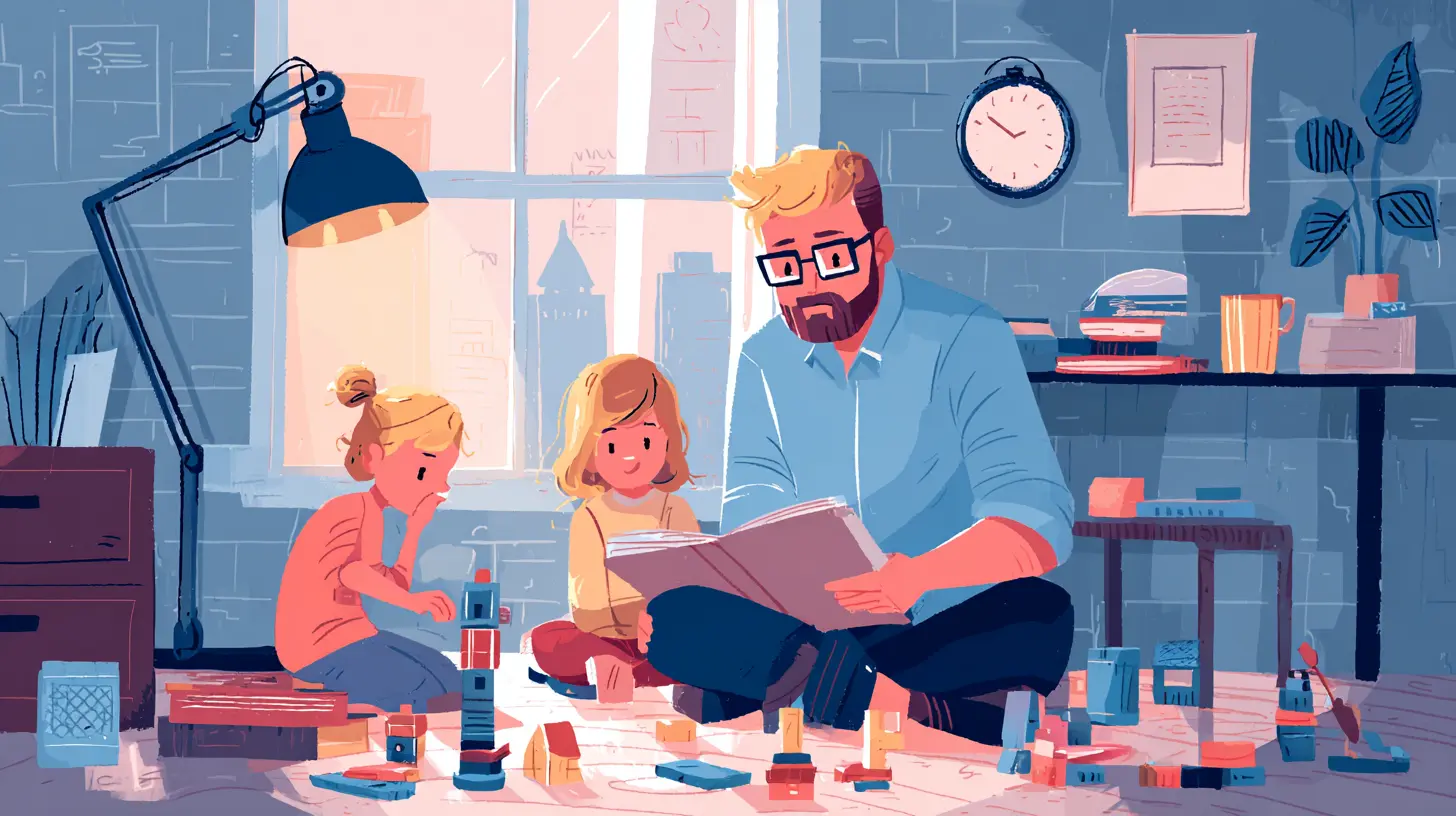
Understanding Developmental Stages
Before we dive into the nitty-gritty of building routines, it's essential to understand the different developmental stages children go through. Each stage comes with its own unique characteristics, challenges, and opportunities for establishing routines.Infancy (0-12 months)
During infancy, routines are crucial for both the baby and the parents. Newborns thrive on predictability-feeding, sleeping, and diaper changes create a comforting rhythm.Key Considerations:
- Feeding: Whether breastfeeding or formula feeding, try to establish a consistent feeding schedule. This doesn't mean rigid timing; rather, aim for a general pattern.
- Sleep: Infants benefit from a bedtime routine. Consider activities like gentle rocking, singing, or reading a short book to signal that it's time to wind down.
Common Mistakes:
- Ignoring baby cues: While routines are beneficial, it's essential to remain flexible and responsive to your baby's needs. If they are hungry or tired, adjust accordingly.
Toddlerhood (1-3 years)
Ah, the toddler years-where routines can be both a blessing and a challenge. Toddlers are developing autonomy and testing boundaries, making it vital to maintain structure while allowing for some freedom.Key Considerations:
- Consistency: Stick to regular meal times and nap schedules. This helps toddlers feel secure and understand what to expect.
- Choices: Give them a sense of control by offering choices within the routine. For example, "Do you want to wear the blue shirt or the red shirt today?"
Real-World Example:
Consider a morning routine where you set a timer for each task-getting dressed, brushing teeth, and eating breakfast. This not only keeps things on track but can turn the routine into a fun game.
Preschool (3-5 years)
Preschoolers are curious and energetic. Routines at this stage should encourage learning while still providing comfort.Key Considerations:
- Incorporate Learning: Use routine time to teach concepts like colors, numbers, or days of the week. For instance, while getting dressed, you can talk about the colors of their clothes.
- Visual Schedules: Create a visual chart of the daily routine. Use pictures to represent each activity, making it easier for them to understand what comes next.
Common Misconceptions:
- Routines have to be boring: You can make routines engaging by adding songs or dance breaks. Turn brushing teeth into a mini dance party!
Early Childhood (5-7 years)
As children enter early childhood, they start school, which adds a new layer to routines. Balancing home and school life is key.Key Considerations:
- Homework Routine: Establish a specific time and place for homework. This helps children transition from school to home and reinforces the importance of education.
- Family Time: Incorporate family activities into the routine, such as game nights or cooking together. This strengthens family bonds and provides a sense of belonging.
Trade-offs:
- While routines are beneficial, be cautious not to overschedule. Allow for spontaneous play and downtime to foster creativity and relaxation.
Middle Childhood (7-12 years)
Middle childhood is a time of increasing independence. Routines should evolve to accommodate this growth while still providing structure.Key Considerations:
- Self-Care Routines: Encourage children to take responsibility for their own routines, like packing their backpacks or preparing snacks.
- Goal Setting: Help them set personal goals, whether academic or extracurricular. Incorporate time for these activities into their daily routine.
Best Practices:
- Regularly review and adjust routines together. This not only empowers children but also helps them understand the importance of flexibility.
Adolescence (12+ years)
Teenagers are often juggling school, extracurricular activities, and social lives. Routines may take a backseat, but they are still essential.Key Considerations:
- Flexible Routines: As teens grow, they may resist structured routines. Instead of imposing strict schedules, encourage them to create their own routines that align with their goals.
- Check-ins: Regularly check in with your teen about their routines. Offer support and guidance without being overbearing.
Common Mistakes:
- Underestimating their ability to self-manage: While guidance is important, give them space to navigate their own routines. This fosters independence and responsibility.
Practical Strategies for Building Lasting Routines
Now that we've explored the developmental stages, let's delve into practical strategies for building lasting routines that adapt to your child's growth.Start Small
Begin with one or two routines, particularly at times of day when transitions are challenging, such as mornings or bedtime. As these become established, gradually add more.Be Consistent but Flexible
While consistency is vital, life happens. Be prepared to adapt routines as needed, especially during significant changes like moving or welcoming a new sibling.Involve Your Child
Engage your child in the process of creating routines. Ask for their input and preferences. This not only makes them feel valued but also increases their commitment to following through.Use Positive Reinforcement
Celebrate successes, no matter how small. A sticker chart or verbal praise can motivate children to stick to their routines.Create a Routine Playlist
Music can make routines enjoyable. Create a playlist of songs that signal different activities, like getting dressed or cleaning up. It can turn mundane tasks into fun moments.Evaluate and Adjust
Regularly assess how well routines are working. If something feels off, discuss it with your child and brainstorm solutions together.
Challenges and Solutions
Building lasting routines is not without its challenges. Here are some common hurdles and how to overcome them.Resistance to Change
Children may resist new routines, especially if they are used to a different way of doing things.Solution: Introduce changes gradually. Explain the benefits of the new routine and involve them in the transition process.
Busy Schedules
Life can get hectic, making it difficult to maintain routines.Solution: Prioritize essential routines and be willing to let go of non-essential ones. Focus on quality over quantity-what truly matters in your family's day?
Over-Reliance on Technology
In today's digital age, children may become overly reliant on screens, disrupting routines.Solution: Set boundaries around screen time and encourage other activities, like reading or outdoor play.

Conclusion
Building lasting routines through every developmental stage is a journey filled with twists and turns. By understanding your child's unique needs at each stage, you can create a flexible yet structured environment that promotes growth and security. Remember, routines should evolve with your child, adapting to their changing interests and responsibilities. So, grab a cup of coffee, put on your favorite playlist, and get ready to embark on this rewarding adventure together.
all images in this post were generated using AI tools
Category:
Developmental StagesAuthor:

Noah Sawyer