Eco-Friendly Baby Products: Sustainable Choices for New Parents
20 February 2026
Bringing a baby into the world is a beautiful experience, but it also comes with a lot of decisions—especially about what products to use. With so many baby items on the market, it’s easy to feel overwhelmed. But if you're looking to make a positive impact on the environment while keeping your little one safe, eco-friendly baby products are a great place to start.
From organic clothing to biodegradable diapers, sustainable choices can make a big difference. Not only are they better for the planet, but they also help protect your baby from harmful chemicals. In this guide, we’ll walk you through the best eco-friendly baby products and why they’re worth considering.
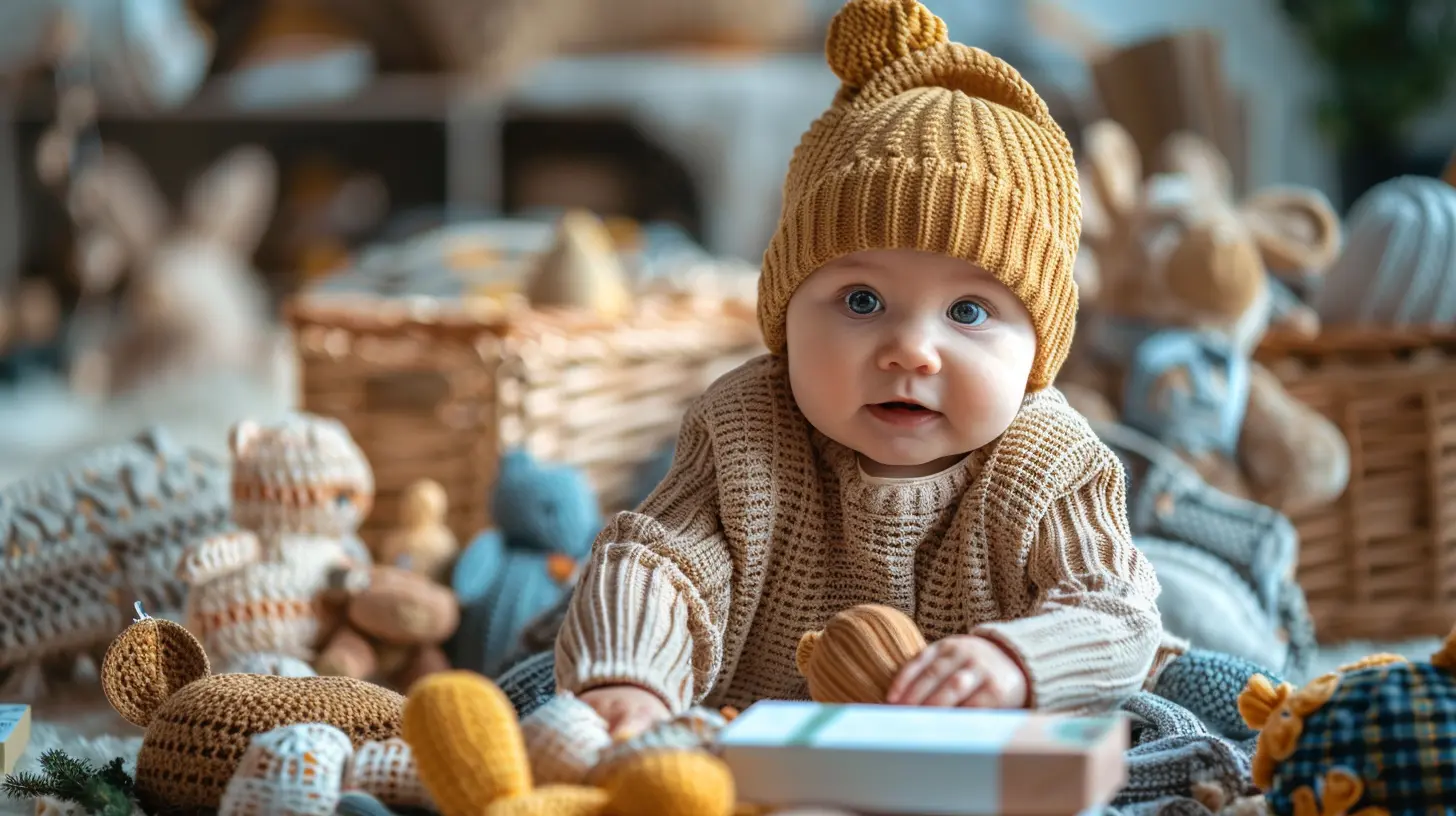
Why Choose Eco-Friendly Baby Products?
Before we dive into specific products, let’s talk about why sustainability matters when it comes to baby care.1. Protecting Your Baby from Harmful Chemicals
Many conventional baby products contain synthetic materials, artificial fragrances, and harsh chemicals. These can cause skin irritation, allergies, and even disrupt hormones. Eco-friendly alternatives are typically made with natural, non-toxic ingredients that are gentle on your baby's delicate skin.2. Reducing Environmental Impact
From disposable diapers to plastic baby bottles, traditional baby products contribute to landfill waste and pollution. Sustainable products are designed to minimize waste, use renewable materials, and reduce carbon footprints.3. Supporting Ethical Brands
When you opt for eco-friendly baby products, you're often supporting companies that prioritize fair wages, ethical sourcing, and safe working conditions. That means your purchase goes beyond just sustainability—it also promotes social responsibility.Now that we know why sustainable choices matter, let’s look at some of the best eco-friendly baby products to consider.
1. Organic Baby Clothing
Babies have sensitive skin, and conventional clothing often contains pesticides, dyes, and toxic chemicals. Organic cotton, bamboo, and hemp clothing are fantastic alternatives.Benefits of Organic Baby Clothing:
- Free from harmful chemicals and pesticides- Softer and more breathable than synthetic fabrics
- Hypoallergenic and gentle on sensitive skin
- Biodegradable and sustainable
Look for brands that are GOTS (Global Organic Textile Standard) certified, as they follow strict regulations for organic fabric production.
2. Biodegradable Diapers and Cloth Diapers
Diapers are one of the biggest sources of waste—an estimated 20 billion disposable diapers end up in landfills each year. Thankfully, eco-friendly diaper options can help cut down on waste.Biodegradable Disposable Diapers
If you prefer the convenience of disposables, opt for biodegradable versions made from plant-based materials. They decompose faster than conventional diapers and are free from toxic chemicals like chlorine and phthalates.Cloth Diapers
Reusable cloth diapers are another excellent option. While they require washing, they significantly reduce landfill waste and can save you hundreds of dollars in the long run.Tips for Using Cloth Diapers:
- Use a liner to make cleaning easier.- Wash with eco-friendly detergent to avoid skin irritation.
- Invest in at least 20-25 diapers to ensure you always have a clean one ready.
3. Natural Baby Skincare Products
A baby's skin is delicate and highly absorbent, so the last thing you want is harsh chemicals seeping into their system. Many mainstream skincare products contain parabens, sulfates, and artificial fragrances, which can cause irritation.Must-Have Eco-Friendly Baby Skincare Items:
- Organic Baby Lotion – Made with ingredients like shea butter, coconut oil, and aloe vera.- Natural Baby Wash & Shampoo – Free from sulfates and synthetic fragrances.
- Organic Diaper Balm – Helps prevent rashes without harmful chemicals.
Look for products that are USDA Organic certified or EWG Verified to ensure they meet high safety standards.
4. Sustainable Baby Bottles and Feeding Products
Plastic baby bottles can contain BPA, phthalates, and PVC, all of which have been linked to health concerns. Instead, consider these sustainable alternatives:Eco-Friendly Baby Feeding Options:
- Glass Baby Bottles – Durable, non-toxic, and easy to sterilize.- Stainless Steel Bottles – Lightweight and long-lasting.
- Silicone Baby Bottles – Soft, squeezable, and BPA-free.
- Bamboo Baby Bowls & Spoons – A safer alternative to plastic feeding utensils.
These options not only reduce plastic waste but also help keep harmful chemicals out of your baby’s diet.
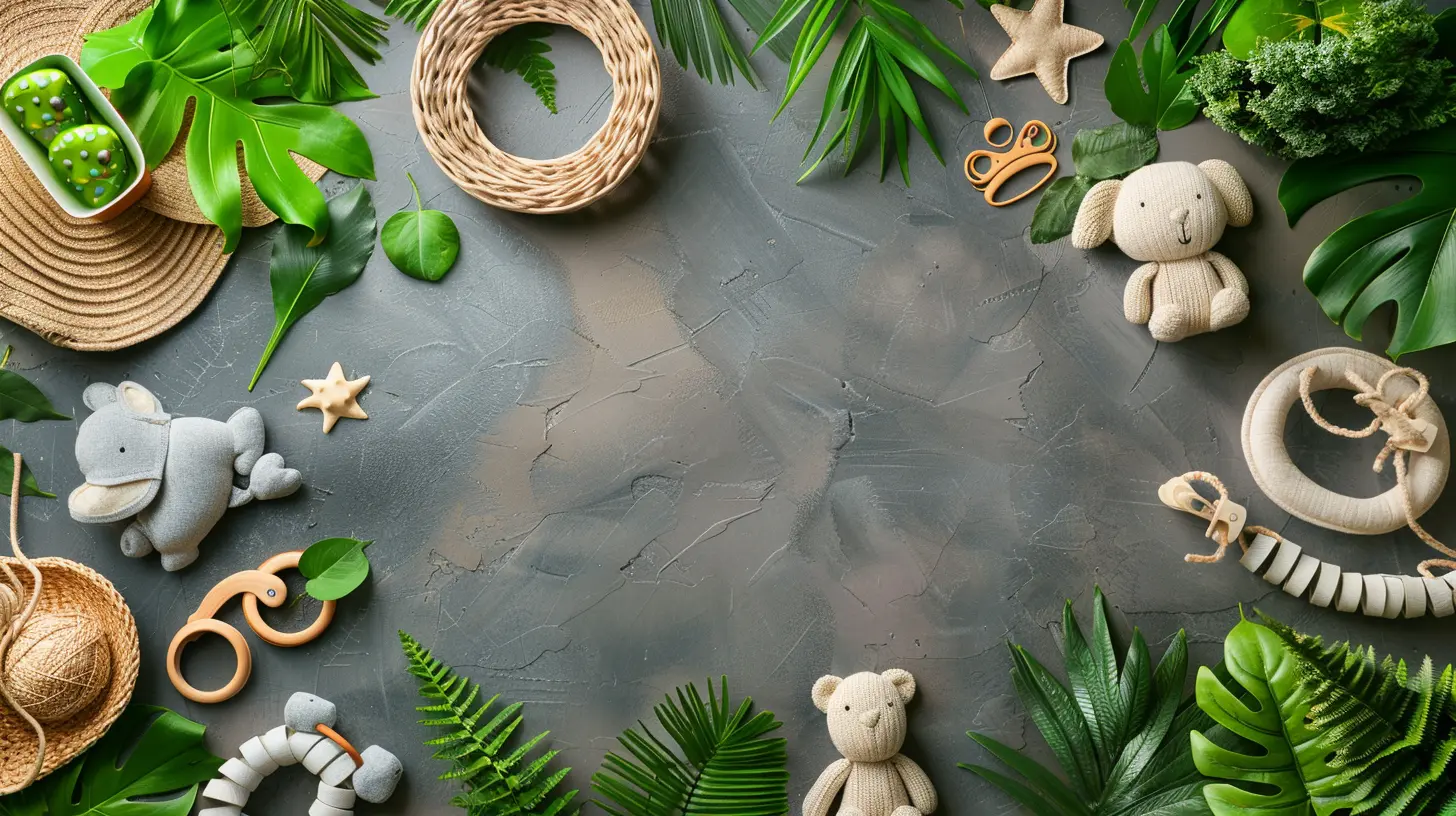
5. Wooden and Sustainable Baby Toys
Plastic toys break easily and often contain harmful dyes and chemicals. Wooden and organic fabric toys are much safer and better for the environment.Sustainable Toy Options:
- Wooden Teethers – Made from natural wood with non-toxic finishes.- Organic Cotton Stuffed Animals – Soft and free from synthetic materials.
- Recycled Plastic Toys – If you prefer plastic, choose brands that use recycled materials.
When choosing toys, check for sustainable certifications such as FSC (Forest Stewardship Council) for wooden items.
6. Eco-Friendly Nursery Essentials
Your baby’s nursery should be a safe, toxin-free environment. Conventional furniture, mattresses, and paints can contain volatile organic compounds (VOCs) that emit harmful gasses. Here's how you can create a sustainable nursery:Green Nursery Must-Haves:
- Organic Cotton Crib Mattress – Free from flame retardants and synthetic materials.- Non-Toxic Paint – Choose VOC-free paint for a safer indoor air quality.
- Reclaimed or FSC-Certified Wood Furniture – Durable and made from responsibly sourced wood.
- Organic Cotton Bedding – Soft and free from pesticides or artificial dyes.
A chemical-free nursery ensures your little one sleeps in a safe and healthy environment.
7. Reusable Baby Wipes
Disposable baby wipes contribute to millions of pounds of landfill waste each year and often contain harsh chemicals. Switching to reusable cloth wipes is an easy way to cut down on waste.Why Reusable Wipes?
- Made from organic cotton, bamboo, or muslin- Can be washed and reused, reducing waste
- Free from artificial fragrances and preservatives
If you prefer disposables, opt for biodegradable wipes made from plant-based fibers.
8. Sustainable Baby Gear
Baby gear—like strollers, car seats, and carriers—can have a significant environmental impact. While you can’t avoid buying essentials, you can make more eco-conscious choices.Tips for Choosing Sustainable Baby Gear:
- Buy second-hand when possible (just ensure it meets safety standards).- Choose brands that use recycled materials in their products.
- Look for certified non-toxic materials when buying new items.
Investing in high-quality, long-lasting products also means they can be passed down to younger siblings or other families.
Final Thoughts
Raising a baby sustainably doesn’t mean you have to be perfect—it’s about making small, thoughtful choices that collectively make a big difference. Whether you opt for organic baby clothes, cloth diapers, or non-toxic toys, every eco-friendly swap helps protect both your baby and the planet.Sustainable parenting is all about balance. Choose what works best for your family, and remember that every effort counts. Let’s raise the next generation with kindness, care, and a love for the environment.
all images in this post were generated using AI tools
Category:
Baby GearAuthor:

Noah Sawyer
Discussion
rate this article
2 comments
Graham Evans
Discover hidden gems for your baby's green journey.
February 22, 2026 at 4:14 PM
Noah Sawyer
Thank you for your interest! We're excited to share some fantastic eco-friendly baby products that are perfect for a sustainable journey.
Corinne Cummings
Great tips for raising an eco-conscious little one!
February 20, 2026 at 5:11 AM
Noah Sawyer
Thank you! I'm glad you found the tips helpful for raising an eco-conscious child!