Cultivating a Curious Mind: Raising Kids Who Love to Create
16 June 2026
Let’s be honest—every kid is born curious. From the moment they pop into this world, they’re wired to explore, question, imagine, and create. But somewhere along the way, between schedules, school pressures, and screens, that spark of curiosity can start to dim. As parents, caregivers, or anyone who shapes young minds, we’ve got the power—and responsibility—to fan that creative flame and help kids grow into curious, confident, and imaginative adults.
So, how exactly do we raise kids who love to create? Stick with me, because we’re diving deep into crafting a home where creativity thrives.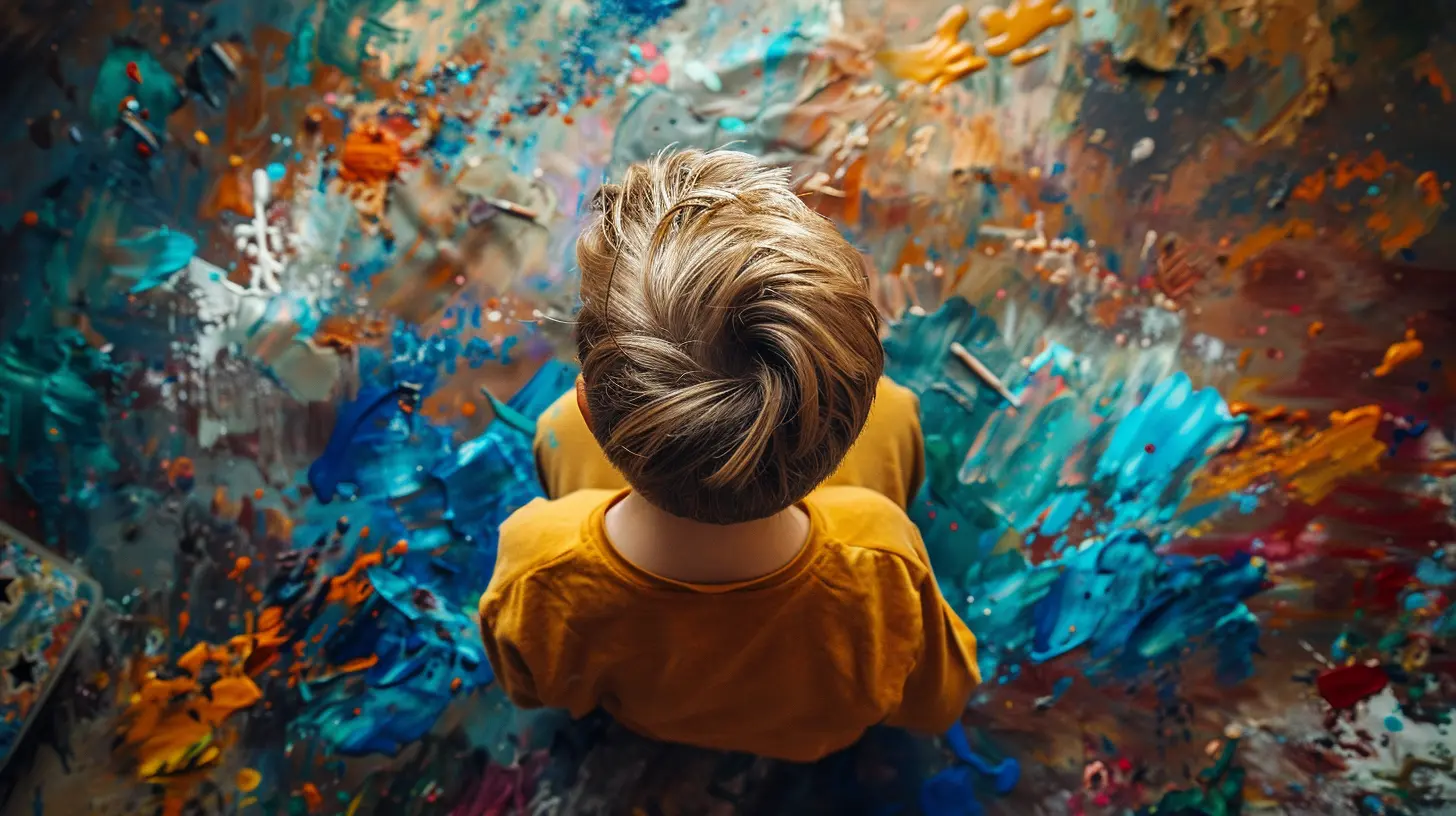
Why Creativity Matters More Than Ever
We tend to think of creativity as painting or drawing, but it goes way deeper than that. Creativity is problem-solving. It’s innovation. It’s seeing possibilities where others see dead-ends. In a world changing faster than ever, creativity is no longer just “nice to have”—it's a must-have life skill.Kids who love to create are better at coping, adapting, and dreaming big. They turn boredom into opportunity and setbacks into stepping stones. Doesn’t that sound like the kind of mindset the next generation needs?
Start With Wonder: The Power of Curiosity
Here’s the thing—curiosity fuels creativity. When kids are encouraged to ask “Why?” or “What if?”, they’re practicing critical thinking. It’s like mental gymnastics for the brain. The more they use it, the stronger it gets.Remember those toddler years when your child asked "why" 500 times a day? That’s gold, not an annoyance. Those questions are your kid’s brain building new roads and connections.
How to Nurture Curiosity:
- Answer questions with enthusiasm, not irritation.- Admit when you don’t know something—and look it up together.
- Encourage open-ended questions and exploration.
- Create opportunities to experience new things: museums, nature walks, different cultures, music, and even new foods!
Curiosity doesn’t always need a plan. Sometimes, just leaving room for boredom works wonders.
Limit the Limits: Make Room for Imagination
If we want kids to think outside the box, we’ve got to stop stuffing them into one. Over-scheduling, rigid routines, and constant structure might help keep things running smoothly—but they can choke out imagination.Let’s break it down.
Create Space—Literally and Mentally:
- Declutter schedules: Not every moment needs to be “productive.” Unstructured time is where magic often happens.- Design a creativity corner: A small space with art materials, books, building blocks, recycled materials… anything that sparks imagination.
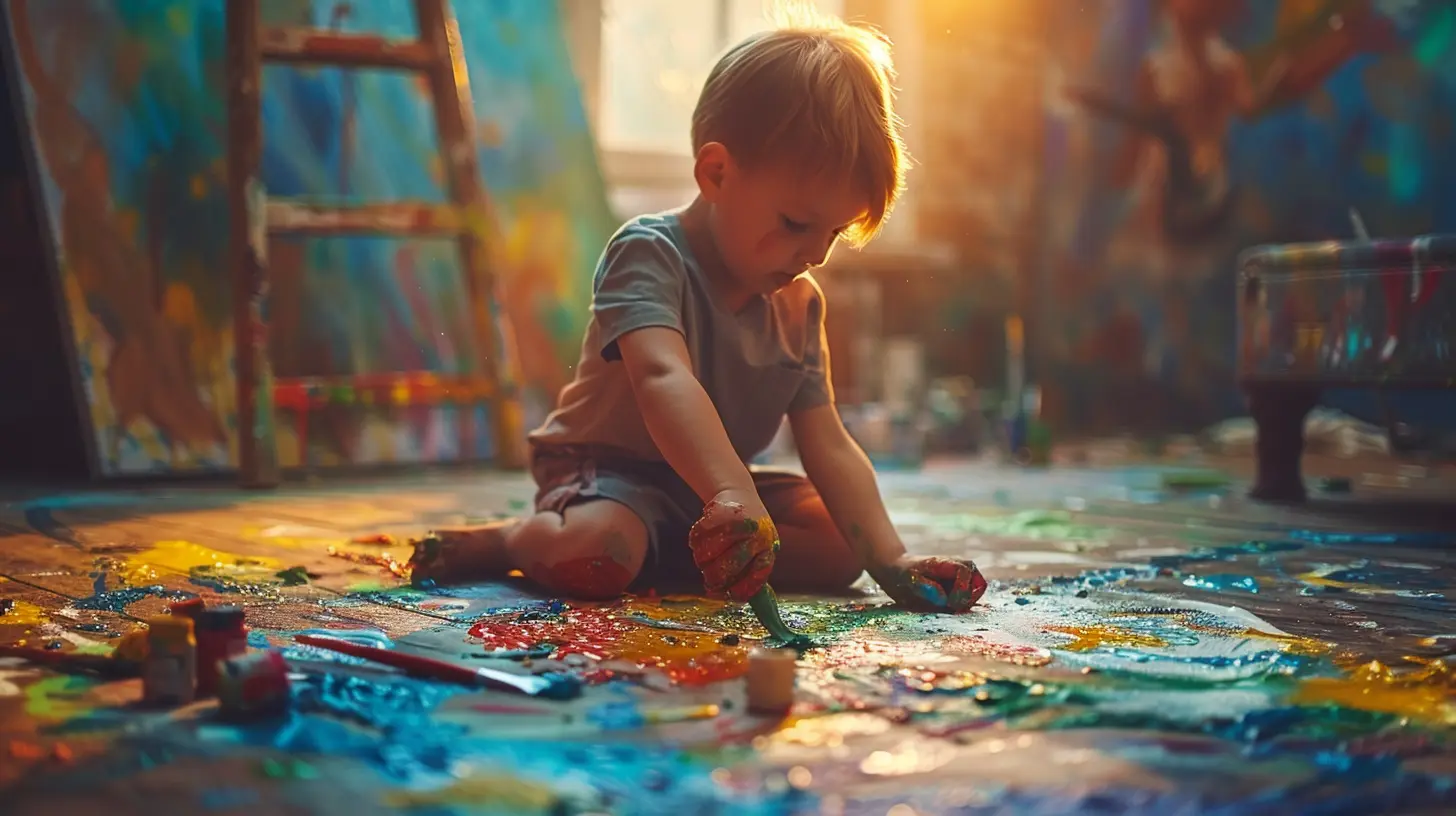
- Say “yes” to mess once in a while. Creativity is messy, and that’s okay. Crayons on the table or glitter on the floor? That’s a small price to pay for big ideas.
Embrace Process Over Perfection
One of the best (and hardest) things we can do is to stop praising results and start celebrating effort. When we overemphasize the outcome—like a perfect drawing or a good grade—we risk crushing the joy of creating.Shift the Conversation:
Instead of saying, “What a beautiful picture,” try:- “Tell me about what you made.”
- “What did you enjoy most while making this?”
- “How did you get that idea?”
This approach puts the spotlight on process, experimentation, and personal growth—all absolutely essential to lifelong creativity.
Let Boredom Be the Teacher
Here’s something we forget in the age of smartphones and YouTube: boredom is good. Yep, you read that right. Boredom is the breeding ground for creativity. It acts like a blank canvas where the mind has no choice but to create its own stimulation.When your kid says “I’m bored,” try this:
- Invite them to come up with three things they can do—without screens.- Offer open-ended prompts like “What could we build with this box?” or “What kind of story could we write today?”
- Resist the urge to jump in with solutions. Let them sit with their boredom a bit—it’s uncomfortable, but it’s necessary.
Foster a “Why Not?” Mindset
Kids need to feel safe to take creative risks. Whether that means expressing bold ideas, trying something new, or failing gloriously, they need to see that risk is part of the game—not something to avoid.Encourage Risk-Taking by:
- Modeling it yourself—share your own creative pursuits, even if they’re imperfect.- Not laughing at or dismissing “wild” ideas.
- Showing that mistakes are part of learning. A botched science project or a flopped recipe isn’t failure—it’s feedback.
Remember, Picasso didn’t paint a masterpiece on his first try.
Fuel Creativity With Books, Stories, and Conversations
Stories are the rocket fuel of imagination. Reading lights up brain cells and builds empathy, vocabulary, and new worlds—all from the comfort of a couch.Build a Culture of Storytelling:
- Read aloud together (even with older kids).- Encourage storytelling—whether it’s writing, drawing, or acting out plays.
- Share your own stories from childhood. They’ll listen more than you think.
- Mix in all kinds of books—from fantasy and mystery to biographies and joke books.
Stories give kids a window into what’s possible—and a mirror to see their own potential.
Encourage Creative Expression in All Forms
Not every child will want to draw, paint, or write poetry—and that’s totally fine. Creativity is a wide-open field. Let them explore all the corners of it.Think Beyond Art:
- Music and dance- Cooking and recipe creation
- Inventing games and rules
- Designing their own board games
- Building with Legos or Minecraft
- Redecorating their room
Whatever outlet they gravitate toward, honor it. Creativity thrives when kids feel their interests are valued.
Celebrate Curiosity in Everyday Life
You don’t need to carve out special “creativity time.” In fact, the best moments often come when we least expect them.Try This:
- Ask “What do you think will happen?” before starting something new.- Let them plan part of your weekend or a family dinner.
- Talk about “weird” facts you learned that day.
- Invite them to redesign something—like a broken toy or a family rule.
Everyday life is full of creative possibilities—if you're looking for them.
Surround Them With Inspiration
Environment matters. Just like a plant thrives with sunlight and water, creativity blooms in the right space.Create a Creative-Friendly Home:
- Keep art supplies within easy reach (not locked away like treasure).- Display their creations proudly—on walls, fridge doors, or shelves.
- Expose them to music, art, and creative thinkers—through books, shows, museums, or family conversations.
- Invite creators to spend time with your kid—local artists, musicians, chefs, inventors, or just people who think differently.
Kids who see creativity as a norm will grow up believing it’s within their reach.
Be a Creativity Cheerleader, Not a Critic
It’s tempting to step in and "fix" their creative work—straighten the lines, correct the spelling, or suggest a “better” way. But that can backfire.What seems like "help" can feel like “your way is wrong."
Support Instead of Sway:
- Ask questions instead of giving directions.- Give them space to explain their thinking.
- Avoid the urge to turn every creative activity into a lesson.
Your belief in their creative potential is more powerful than any advice you could give.
Final Thoughts: Keep it Playful
At its core, creativity is about play. It’s about joy, freedom, and curiosity running wild. If we want kids to love creating, we need to make space for it to be fun, free, and a little wacky.No pressure. No grades. Just the pure delight of making something out of nothing.
Raising a child who loves to create isn’t about fancy art classes or expensive toys. It’s about giving them permission to imagine, to question, to tinker, and to try. It’s about celebrating who they are, not who we want them to be.
So go ahead—jump into a pillow fort, write a silly poem, dance in the kitchen, or just sit back and watch your kid’s imagination take flight. You’re not just raising a child—you’re raising a thinker, a dreamer, and a future changer.
all images in this post were generated using AI tools
Category:
Encouraging CreativityAuthor:

Noah Sawyer
Discussion
rate this article
2 comments
Zacharias McMaster
Encouraging curiosity in children not only fosters creativity but also builds resilience. By allowing them to explore, experiment, and ask questions, we empower them to become innovative thinkers and lifelong learners.
August 18, 2026 at 4:49 AM
Liora Adkins
What a wonderful article! Encouraging creativity and curiosity in kids is so important for their growth. I love the practical tips you shared to inspire imagination. It's all about nurturing their interests and giving them the space to explore. Can't wait to try these ideas with my own children!
June 30, 2026 at 4:08 PM
Noah Sawyer
Thank you for your kind words! I'm glad you found the tips helpful. Enjoy exploring these ideas with your kids!