Creative Challenges for Kids: Turning Obstacles into Opportunities
2 June 2026
Let’s face it—parenting isn’t all sunshine and rainbows. Some days feel like a whirlwind of snacks, screen time negotiations, and the ever-familiar “But WHY?” chorus. And when your child hits a roadblock—be it school-related stress, a friendship fallout, or a confidence dip—you’re left wanting to fix everything.
But what if, instead of solving their struggles for them, we helped them turn those challenges into stepping stones?
That’s what creative challenges for kids are all about. They’re not just fun brain teasers or craft ideas (although those can be part of it, too). Creative challenges help kids grow emotionally, build problem-solving muscles, and stretch their imagination when life throws them a curveball.
So pull up a chair, grab your coffee (or third cup of the day), and let’s look at how you can help your child turn life’s little frustrations into playful, powerful learning experiences.
Why Creative Challenges Matter
We talk a lot about resilience in kids, but do we really give them the tools to build it?Think of creative challenges as mini life puzzles. They push kids to think differently, adapt, and come up with solutions that aren’t always obvious. Instead of seeing a problem as a brick wall, they begin to see it as a jungle gym—something to climb, swing around, and even have fun with.
The Psychology Behind It
Children are brilliant at absorbing. But they don’t just absorb facts or behaviors—they also absorb reactions. So if they see us getting flustered by setbacks, they’re likely to follow suit.Introduce creative problem-solving early on, and you’re helping to build a growth mindset. That’s the belief that intelligence and abilities aren’t fixed but can grow with effort and time. It’s also the golden key to handling life’s ups and downs.
In short? Creative challenges are practice runs for real-life resilience.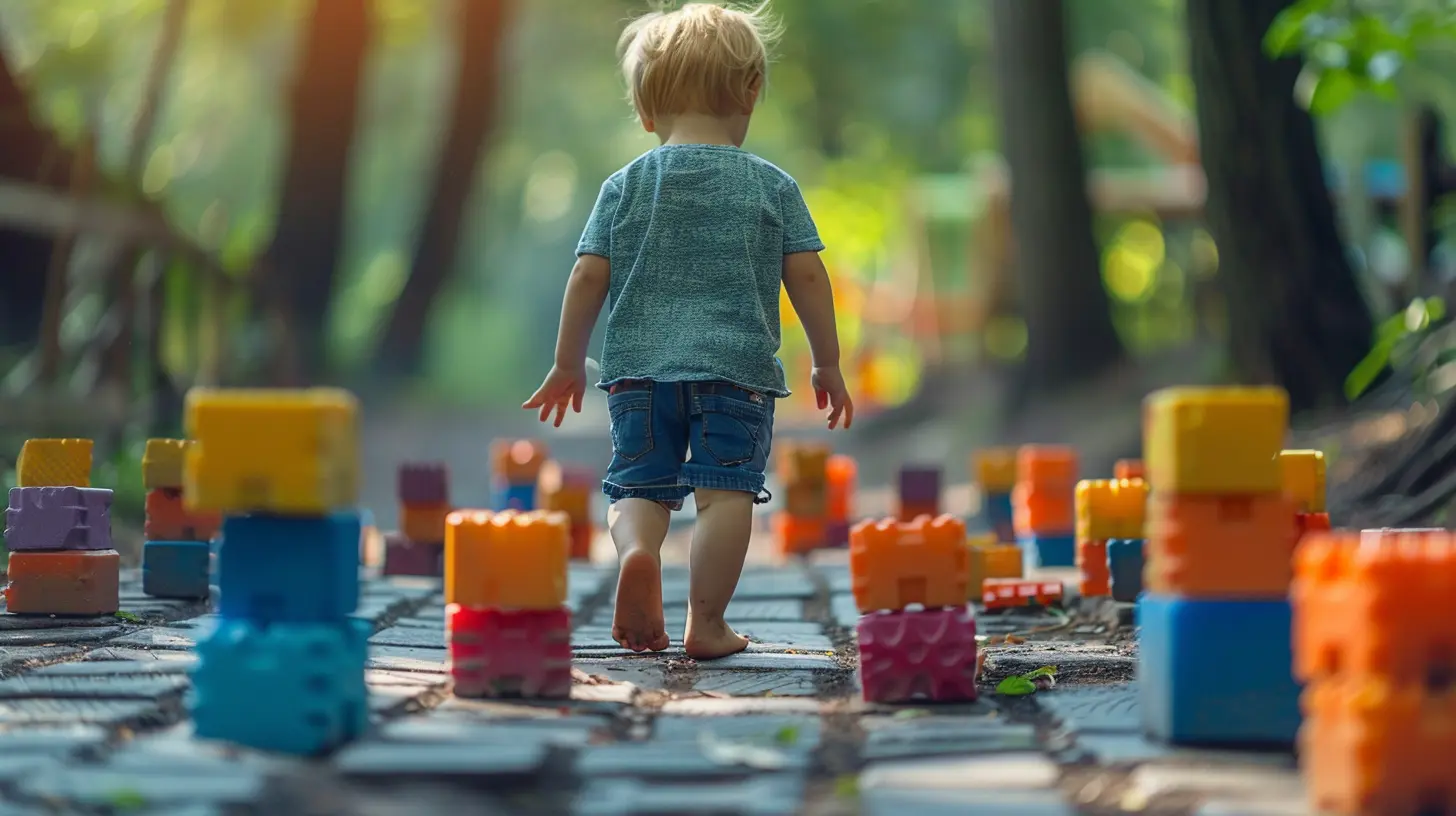
How Obstacles Can Fuel Creativity
We often want to shield our kids from struggle. But without challenge, there’s no reason to think creatively. When kids face a “problem,” they’re actually being handed a blank canvas. Here’s what that looks like:- A sibling fight? Opportunity for empathy and negotiation.
- A rainy day? Time to invent new indoor games.
- A tough homework assignment? A chance to learn persistence and new strategies.
When we step back and let them wrestle with the discomfort (while offering gentle guidance), they begin to stretch their thinking muscles. That’s where real learning happens.
Types of Creative Challenges for Kids
Ready to help your child tap into their inner inventor, artist, or strategist? Here are some categories of creative challenges that can transform “I’m bored” or “I can’t do this” into “Look what I made!”1. Problem-Solving Challenges
The best problems aren’t always in textbooks. Give your child a situation and ask, “How can we fix this creatively?”Examples:
- The toy box lid broke—how can we repurpose it?
- We only have two ingredients left in the fridge—what kind of snack could we make?
- The internet is down—how can we entertain ourselves for an hour?
These may seem small, but they reinforce the idea that there’s more than one way to solve a problem.
2. Art-Based Challenges
Art naturally encourages lateral thinking. It’s not about coloring inside the lines—it’s about redesigning the lines entirely.Try this:
- Give them random items (paper clips, toilet paper rolls, buttons) and ask them to build something.
- Challenge them to draw a superhero that solves world problems (like pollution or bullying).
- Create “opposite day” art—what would a nighttime sun or a flying fish look like?
When kids express through art, they’re not just making fun things—they’re making sense of the world.
3. Storytelling and Role Play
Kids are natural storytellers. We just need to give them the stage.Throw out prompts like:
- “What if your favorite stuffed animal could talk—what would it say?”
- “You’re the mayor of your own tiny town. What rules would you create?”
- “Imagine a world where people walk on walls—what’s school like?”
Let them take the lead and watch their world unfold. It’s more than entertainment—it’s training for flexible thinking, empathy, and communication.
4. Physical Challenges
Creativity doesn’t have to be tied to crayons or crafts. Movement-based challenges channel energy into innovation.Ideas:
- Build an obstacle course out of pillows and chairs.
- Create a new dance move or turn daily chores into a competition.
- Invent a new sport using socks and cardboard boxes.
When kids move, their brains light up. Plus, it’s a great way to release stress and boost mood.
Making Everyday Obstacles into Opportunities
Ready for a mindset shift? Here’s how to flip everyday challenges into creative opportunities—without needing any extra time or fancy supplies.1. Mealtime Mishaps
The recipe flopped? Great! Ask your child how you could rescue it. Add a silly twist by suggesting oddball fix-its—should we sprinkle cereal on top? Serve it upside down?It’s no longer about failing at dinner, but figuring out what to try next time.
2. Friendship Woes
“She won’t play with me anymore” breaks your heart, right?But instead of jumping in to fix it, sit down and brainstorm strategies. What could your child say next time? Do they want to write a letter? Create a peace offering craft?
This builds emotional intelligence and conflict-resolution skills.
3. School Struggles
If your child’s facing frustration with schoolwork, ditch the drill-sergeant mode. Ask: "How else could we look at this?" or, “What would make this more fun?”Maybe they turn a math problem into a story, or create a song to memorize facts. Bring humor in—it's a powerful partner in learning.
Encouraging a Problem-Solver Mindset
It’s not just about doing challenges; it’s about thinking differently. That starts with how we talk to our kids.Use Growth-Focused Language
Instead of: “You’re so smart!”Try: “I love how you didn’t give up.”
Instead of: “That’s wrong.”
Try: “That didn’t work—what else could?”
Language shifts like this help kids see setbacks as stepping stones, not stop signs.
Celebrate Effort, Not Just Results
Did the spaghetti tower fall over? Bravo—they tried something bold.Did the homemade board game end in chaos? Fantastic—they learned what rules work.
When kids feel safe to fail, they begin to take creative risks. That’s when the magic happens.
Tools to Foster Creative Thinking
Looking for ways to prompt creativity without hovering?Here are a few parent-approved tools:
- Creativity Journals: Let kids doodle, brainstorm, or write wild ideas.- Open-Ended Toys: Think LEGO, magnetic tiles, paper and markers—not toys that “do” things for them.
- Prompt Cards: Create your own with questions like, “Invent a holiday,” “Design a pet that doesn’t exist,” or “Solve a problem using only socks.”
You don’t need to micromanage creativity. Just set the stage and get out of the way.
When Creativity Hits a Wall
Spoiler alert: not every challenge leads to a masterpiece. Kids can (and will) hit walls. They'll get frustrated, bored, or say, “This is dumb.”That’s okay. Keep these tricks in your back pocket:
- Offer choices, not commands. “Do you want to build something, draw, or come up with a new game?”
- Reframe the challenge. “This is really tricky—can we think of a silly way to do it?”
- Recognize the feeling, not just the outcome. “I know that felt tough. Want to try again, or take a break?”
Creativity isn’t a faucet. It’s a muscle. And just like any workout, the progress comes with the sweat.
The Long-Term Payoff
Here’s the thing: creative challenges aren’t just about being clever—they’re about being confident.When children begin to view obstacles as invitations to innovate, they build independence. They trust their own judgment. They learn to experiment, adapt, and move forward even when things get messy.
In short, they become future-ready humans. And isn’t that what we all want?
Final Thoughts
Helping kids see obstacles as opportunities isn’t about sitting down with a Pinterest-perfect activity every day. It’s about noticing the struggles already in their lives and choosing to approach them with curiosity instead of panic.So next time your child says “This is too hard,” smile a little. That’s your cue. Because tucked inside that frustration is the start of a powerful, creative journey.
And guess what? You’re the perfect guide.
all images in this post were generated using AI tools
Category:
Encouraging CreativityAuthor:

Noah Sawyer
Discussion
rate this article
2 comments
Miranda Soto
Embrace challenges as chances for growth. Kids thrive when they explore and find solutions. Let's inspire creativity!
July 22, 2026 at 2:21 AM
Noah Sawyer
Absolutely! Challenges spark creativity and resilience. Let's encourage our kids to turn every obstacle into a chance for discovery.
Landon Potter
This article is a wonderful reminder that challenges can spark creativity in our kids. Embracing these moments can really teach them resilience and problem-solving in fun ways. Great read!
June 4, 2026 at 3:15 AM
Noah Sawyer
Thanks for your thoughtful comment! I'm glad you found the article inspiring. Embracing challenges really does open up so many creative pathways for kids.