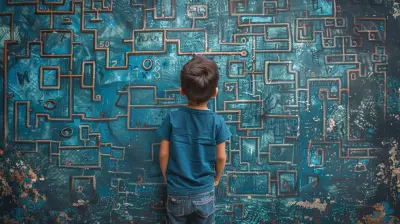
Why Free Time is Essential for Boys’ Development
3 November 2025
Growing up, boys are often bombarded with structured activities—school, sports, extra classes, and a packed schedule designed to ensure they succeed. But what about free time? You know, those unstructured, unscheduled hours where they can just be kids? Turns out, those moments are just as important as any study session or soccer practice.
In fact, free time plays a crucial role in helping boys grow mentally, physically, and emotionally. Let’s dive into why giving your son some unstructured time isn’t just a luxury—it’s a necessity. 
1. Free Time Boosts Creativity and Imagination
Think back to when you were a kid. Remember building forts out of couch cushions? Creating entire imaginary worlds in your backyard? That kind of unstructured play is where creativity thrives.Boys need space to let their minds wander, to daydream, and to come up with their own games. When they’re not constantly following instructions or a set schedule, they’re able to think outside the box. This imaginative play isn’t just fun—it helps develop problem-solving skills, critical thinking, and innovation.
Creativity in Action
- A boy with a few sticks and rocks can create a whole battlefield or castle.- A group of kids can turn an empty field into a thrilling adventure.
- Drawing, crafting, or storytelling allows boys to express emotions and hone their artistic talents.
When boys have time to be bored, they come up with the most incredible ideas. And that’s a skill they’ll carry into adulthood. 
2. Encourages Independence and Self-Discovery
If a child is constantly told what to do, when does he get the chance to figure things out on his own? Boys need free time to develop independence.When they have solitary playtime or time away from structured activities, they learn how to manage boredom, make their own decisions, and entertain themselves. They aren't looking to an adult or coach for direction—they’re learning by doing.
How Free Time Builds Independence
- Encourages decision-making without adult intervention.- Helps boys discover their passions and interests.
- Fosters confidence as they learn to rely on their own ideas.
Without free time, boys might never realize they love drawing, enjoy building model airplanes, or find peace in reading adventure stories. 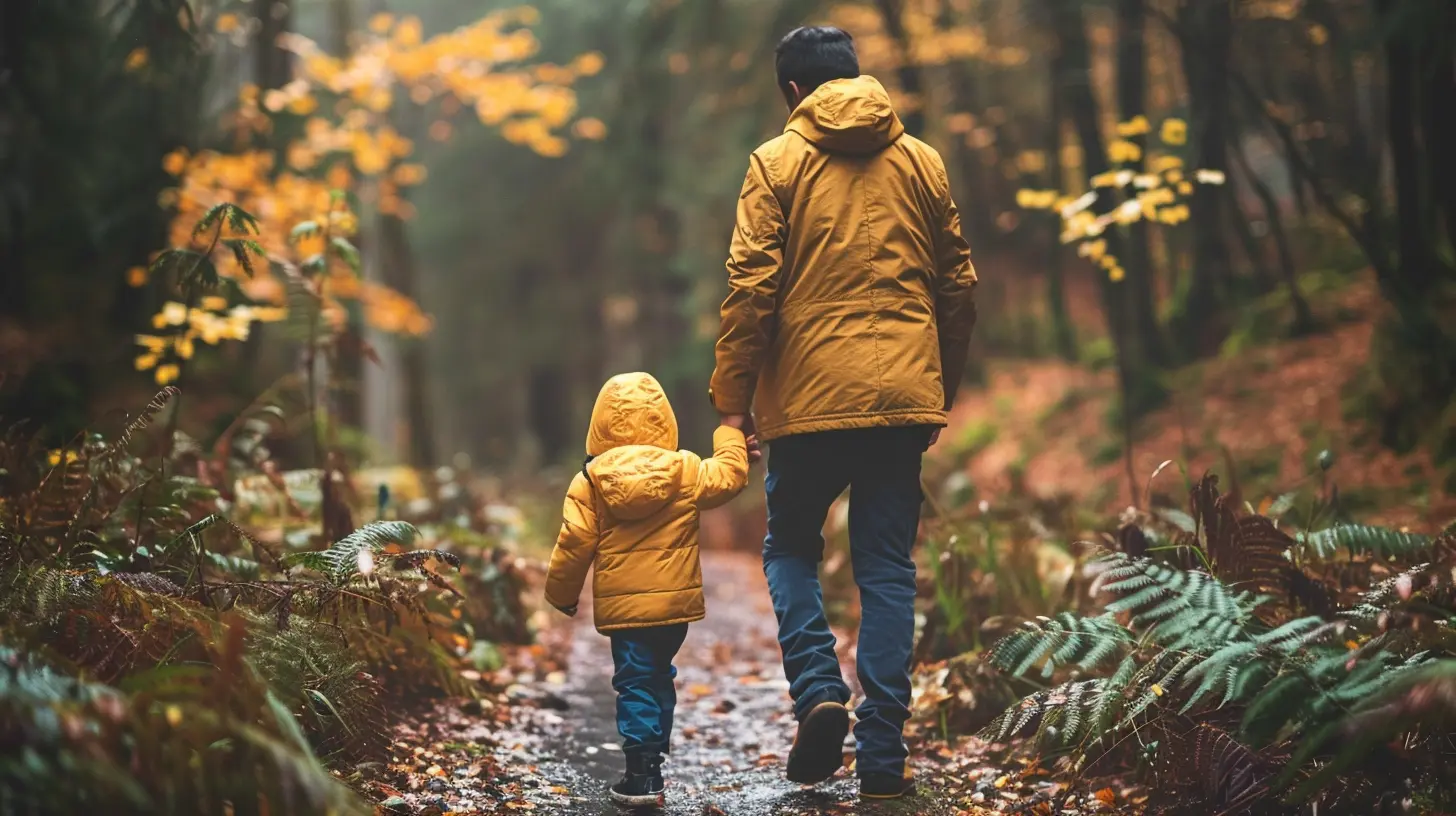
3. Strengthens Social Skills
Playgrounds, backyards, and neighborhood hangouts are more than just spaces to burn energy. They’re classrooms for life.When boys have unstructured time to interact with their peers, they learn important social skills like negotiation, compromise, and teamwork. Unlike organized sports or structured playdates, free play teaches them how to handle conflicts, share, and work together—without adult interference.
The Social Benefits of Free Play
- Kids figure out how to resolve arguments among themselves.- They learn how to include others in their games.
- They develop empathy by seeing different perspectives.
Boys who get enough free time often become better communicators, more adaptable, and more emotionally intelligent. 
4. Reduces Stress and Improves Mental Health
Let’s face it—kids today are under more pressure than ever. Between school demands, extracurriculars, and social expectations, boys can easily get overwhelmed. But free time? That’s their mental reset button.Why Unstructured Time Reduces Stress
- Gives boys a break from constant performance-based activities.- Allows them to decompress, relax, and enjoy life without expectations.
- Encourages mindfulness without even realizing it—whether they’re doodling, kicking a ball around, or cloud-watching.
When they have time to unwind, boys are less likely to feel anxious, frustrated, or burned out. In turn, they’ll be happier and more emotionally balanced.
5. Improves Problem-Solving and Critical Thinking
Free time often leads to situations where boys have to solve problems on their own. Maybe they’re trying to build the tallest LEGO skyscraper and it keeps falling. Maybe they’re figuring out how to organize a fun game with friends.This kind of trial-and-error learning is golden. It helps strengthen problem-solving skills without the pressure of right or wrong answers.
Real-Life Problem-Solving Examples
- Trying to fix a broken toy teaches persistence.- Figuring out rules for a game with friends promotes fairness.
- Experimenting with different ways to build something improves logical thinking.
These are the foundations of problem-solving, skills that will benefit them in school and later in life.
6. Enhances Physical Health
Boys are naturally energetic, and they need an outlet to run, jump, climb, or simply lie on the grass staring at the clouds.When they’re given free time, they’re more likely to engage in physical play—whether it’s riding a bike, climbing trees, or running around with friends. This kind of movement is essential for their physical health.
Physical Benefits of Free Play
- Improves motor skills and coordination.- Strengthens muscles and promotes overall fitness.
- Reduces childhood obesity by keeping them active.
Plus, when boys see exercise as fun instead of a structured routine, they develop a lifelong appreciation for movement.
7. Helps Boys Develop Emotional Resilience
Life isn’t always smooth sailing, and free time helps boys develop emotional strength.When they spend time exploring, making mistakes, and dealing with small frustrations on their own, they build resilience. Unstructured play often means failed attempts, disagreements with friends, or difficulties figuring something out—all essential for emotional growth.
How Free Time Builds Emotional Strength
- Teaches patience when things don’t go as planned.- Encourages perseverance when they face challenges.
- Helps them manage frustration in a low-stakes environment.
These small experiences teach boys how to handle life’s bigger challenges later on.
How Parents Can Encourage Free Time
You might be thinking, “This all sounds great, but how do I actually ensure my son gets enough free time?”Here are some simple ways to make it happen:
1. Reduce Overscheduling
It’s okay if your son doesn’t participate in every after-school activity. Give him space to breathe and just "be."2. Allow for Unstructured Play
Not everything needs to be planned. Let your child have time where nothing is scripted—no coaches, no rigid rules, just free play.3. Limit Screen Time
Technology has its benefits, but too much of it steals valuable free time. Encourage outdoor play or hands-on activities instead.4. Encourage Boredom
Yes, you read that right. Boredom isn’t a bad thing! It inspires creativity and problem-solving. When kids aren’t constantly entertained, they find ways to entertain themselves.5. Create a Play-Friendly Environment
Make sure your home or backyard has spaces where boys can safely explore, build, and imagine.Final Thoughts
Free time isn’t wasted time—it’s an essential ingredient in boys’ development. It fuels their creativity, builds independence, enhances social skills, and even supports their mental and physical health.So, the next time you see your son lying on the floor staring at the ceiling, don’t rush to fill his time with an activity. He might just be creating his next big idea.
Give your child the gift of free time—they’ll thank you for it in the long run.
all images in this post were generated using AI tools
Category:
Raising BoysAuthor:

Noah Sawyer
Discussion
rate this article
1 comments
Faryn McDermott
This article highlights the crucial role of free time in boys' development. Unstructured play fosters creativity, problem-solving skills, and emotional resilience. Great insights!
November 4, 2025 at 4:33 AM
Noah Sawyer
Thank you! I'm glad you found the insights valuable. Free time truly is vital for fostering essential skills in boys.