Building Social Skills for a Smooth School Transition
11 November 2025
Starting school is a big deal—not just for kids, but for parents too. It’s a mix of excitement, nerves, and a whole bunch of emotions in between. Whether your little one is heading off to kindergarten or transferring to a new school, one thing’s for sure… social skills can make a world of difference.
In fact, building strong social skills before stepping into a new classroom can make the transition smoother, friendlier, and way less stressful for everyone involved. Let’s dive into what those skills are, why they matter, and how you can start nurturing them right now—because yes, you’ve got this.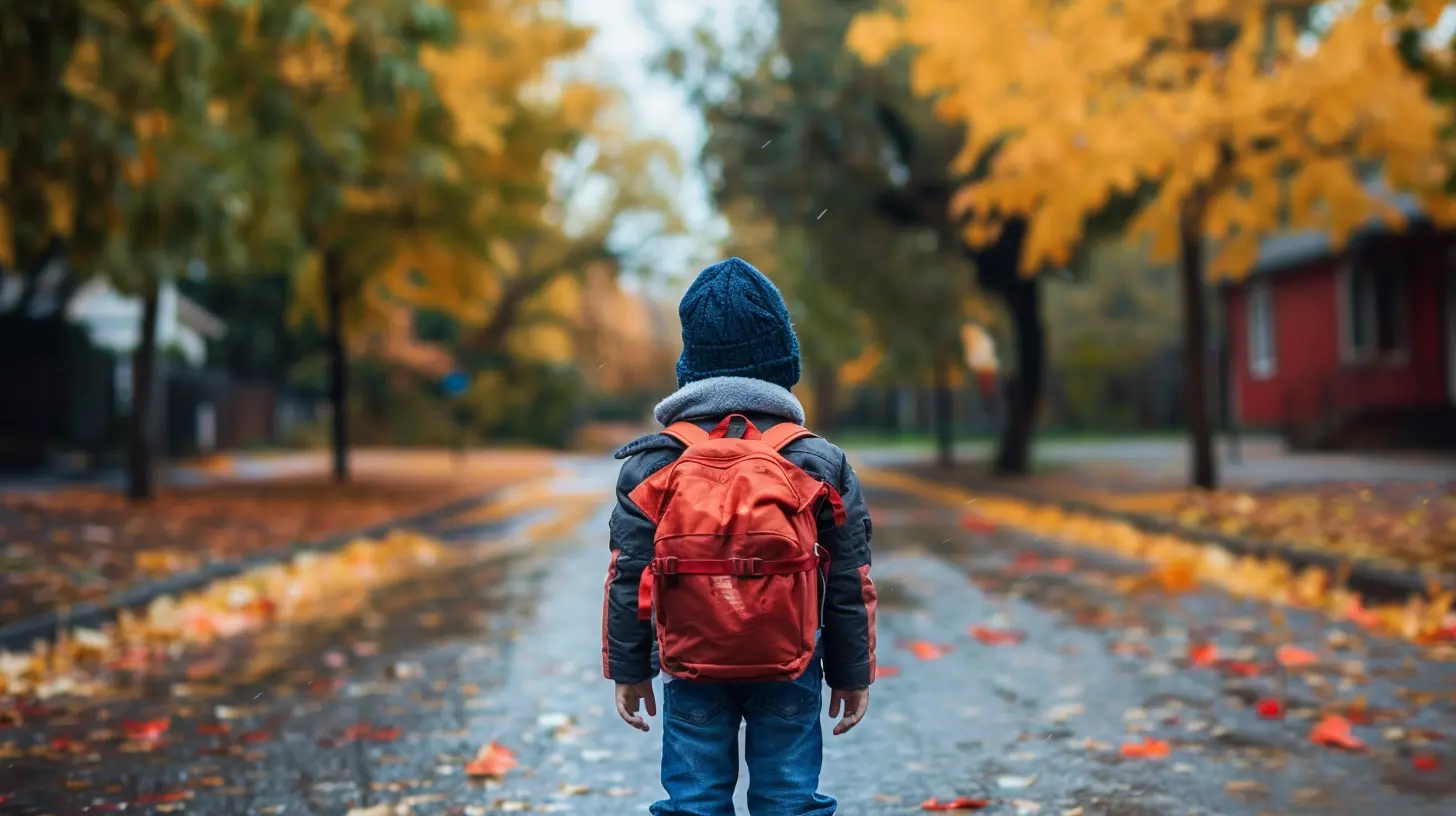
Why Social Skills Matter More Than You’d Think
We focus so much on ABCs and 123s when preparing our kids for school, but what about the skills that help them connect with others? Social skills—like making friends, taking turns, listening, and expressing feelings—are the secret sauce to a positive school experience.Think of it this way: if academics are the keys to school success, then social skills are the engine that helps the car move forward.
Kids with solid social skills are more likely to:
- Enjoy going to school
- Make and keep friends
- Solve problems peacefully
- Feel confident in group settings
- Cooperate with teachers and classmates
So, yeah… they’re kind of a big deal.
The Social Challenges Kids Face When Starting School
Let’s be real. It’s tough being the new kid, even if everyone is new at the same time.Here are some common social hurdles:
- Separation anxiety: Saying goodbye to mom or dad can trigger the waterworks.
- Making friends: Some kids are natural social butterflies. Others? Not so much.
- Joining in: It can be hard to insert yourself into a group already mid-game.
- Understanding social cues: Things like tone of voice, eye contact, and personal space can be confusing at first.
- Handling conflict: Minor disagreements can quickly escalate when kids haven’t learned how to express themselves calmly.
That’s where we come in—as guides, cheerleaders, and gentle nudgers.
1. Start with Emotional Intelligence
Before kids can socialize with others, they need to understand their own feelings. Emotional intelligence is the foundation for all social interaction.How to Help Your Child Build It:
- Name the feelings: When your child is mad, sad, or overjoyed—label it. “You look really frustrated right now. Want to talk about it?”- Validate emotions: Instead of dismissing their feelings (“You’re fine!”), try saying, “It’s okay to feel upset. That was a tough moment.”
- Role-play: Use dolls, action figures, or even stuffies to act out emotional situations. “Mr. Bear is nervous about his first day of school. What should he do?”
Once kids can recognize and talk about their emotions, they’re better equipped to handle social situations with empathy and confidence.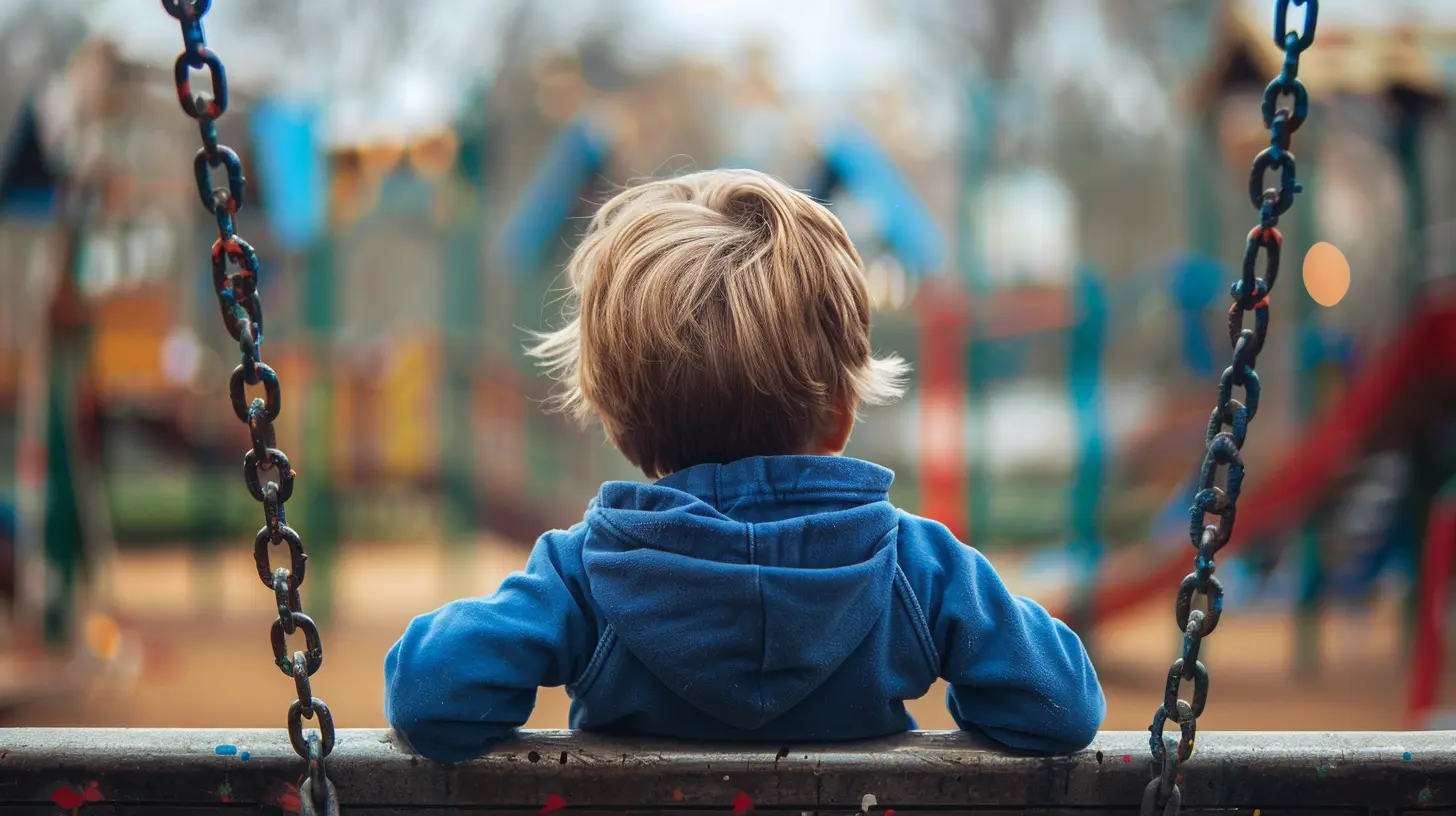
2. Practice the Art of Conversation
Sounds simple, right? But conversation is a skill—and it needs practice just like riding a bike.Tips to Build Conversational Confidence:
- Model it: Let your child hear you engaging in friendly conversations during everyday interactions—at the grocery store, on the phone, or with neighbors.- Teach greetings and goodbyes: “Hi, my name is Ava!” and a friendly wave at the end can do wonders.
- Take turns talking: Play the “conversation tennis” game. One person says something, the other responds, and you keep going back and forth.
- Use open-ended questions: Instead of “Did you have fun?” ask “What was the funniest thing that happened at the park today?”
Soon enough, they’ll be chatty little pros who can hold their own in new environments.
3. Encourage Cooperative Play
Play is more than just fun—it’s how kids learn to work together.Great Ways to Promote Cooperation:
- Board games: Simple ones that involve turn-taking and following rules are gold.- Pretend play: Setting up a “restaurant” or “school” at home encourages kids to take on roles and work as a team.
- Group activities: Think sidewalk chalk murals, building forts, or crafting together.
The more they play with others at home, the better they’ll navigate group play at school.
4. Teach Problem Solving Skills Early
Conflict? It’s going to happen. But it doesn’t have to spiral into chaos. Giving kids the tools to handle disagreements respectfully is a gift that keeps on giving.Problem Solving Framework (Keep it Simple!):
1. Stop and breathe: Help them calm down first.2. Name the problem: “You both want the same toy.”
3. Share feelings: “How did that make you feel?”
4. Think of solutions together: “What could you do instead?”
5. Try one: Let them put it into action and adjust if needed.
Practicing these steps ahead of time can make a big difference when tensions rise on the playground.
5. Expose Them to Social Settings Before School Starts
You wouldn’t run a marathon without training, right? The same goes for social scenarios.Easy Ways to Socialize Before School:
- Attend story times at the library- Join a playgroup or kindergarten readiness class
- Set up playdates with one or two kids
- Visit the school during open house days
- Go to the park and encourage interaction
Even short interactions with peers help build familiarity and ease those “first day” jitters.
6. Use Books and Media to Start Conversations
Sometimes, our kids need examples outside their own experience. Storybooks, shows, and even short videos can offer great jumping-off points.Recommended Reads:
- Llama Llama Misses Mama – for separation anxiety- The Invisible Boy – about making friends and including others
- Giraffes Can’t Dance – embracing differences and self-confidence
After reading together, ask questions like, “What would you do if you were in that situation?” or “Have you ever felt like that?”
7. Create a Safe Space at Home for Social Practice
Your home is their safe zone—the perfect place to try, fail, and try again.Encourage siblings (if they’re around) to take turns, share, and resolve their problems with words.
Have regular family dinners where everyone shares something about their day. Play silly games that require listening and following directions. Model empathy by being kind to neighbors, animals, and service workers.
Your child watches you more than you think.
8. Offer Praise and Encouragement—A Lot of It
Confidence is built on small wins, and your words matter more than gold stars.Say things like:
- “I noticed how you waited your turn today. That was really respectful.”
- “You told your friend how you felt without yelling. That’s a big step!”
- “You were nervous, but you still said hi. That was brave.”
Focus on effort, not just outcomes. That way, they associate trying with success.
9. Know That It Takes Time (And That’s Okay)
Every child develops at their own pace. While some kids are naturally chatty and outgoing, others warm up slowly—and that’s perfectly normal.If your child struggles with social interaction, don’t panic. Stay patient, keep practicing, and celebrate progress, no matter how tiny.
And if you truly feel like they’re struggling beyond what’s expected, reaching out to a child development specialist or school counselor can help.
10. Be There on the First Day (and After)
When that big school day finally arrives, be the steady hand they need. Help them get ready, talk through what to expect, and remind them of all the awesome social tools in their backpack (no, not the literal one).After school, give them space to decompress. Some kids need time before they’re ready to talk, and that’s okay. When they do open up, listen intently and offer encouragement.
You can even role-play anything that felt tricky and come up with new ideas for handling things next time.
Final Thoughts: You’re Building Lifelong Skills
Helping your child build social skills for a smooth school transition isn’t just about avoiding first-day meltdowns—it’s about setting them up to thrive in classrooms, on sports teams, at birthday parties, and beyond.Social skills are life skills. And your child? They’re already on their way—with you cheering them on every step of the way.
So take a breath, give yourself some credit, and keep modeling those good vibes. They’re soaking it up more than you know.
all images in this post were generated using AI tools
Category:
School ReadinessAuthor:

Noah Sawyer
Discussion
rate this article
1 comments
Idris McCloud
Essential tips! Helping kids develop social skills really eases the stress of starting school.
November 13, 2025 at 5:57 AM
Noah Sawyer
Thank you! I'm glad you found the tips helpful—supporting kids in developing social skills can make a big difference in their school experience!