The Importance of Choosing BPA-Free Baby Gear
31 December 2025
As parents, we always want the best for our little ones—especially when it comes to their health and safety. From the food they eat to the toys they play with, every decision matters. But have you ever stopped to think about the materials in the baby gear you use daily? If not, it's time to pay attention, especially to something called BPA.
BPA, short for bisphenol A, is a chemical commonly found in plastics. While it might not seem like a big deal, studies have linked BPA exposure to various health concerns, particularly in infants and young children. That’s why choosing BPA-free baby gear is more important than ever. But what exactly is BPA, and why should you avoid it? Let's dive into it! 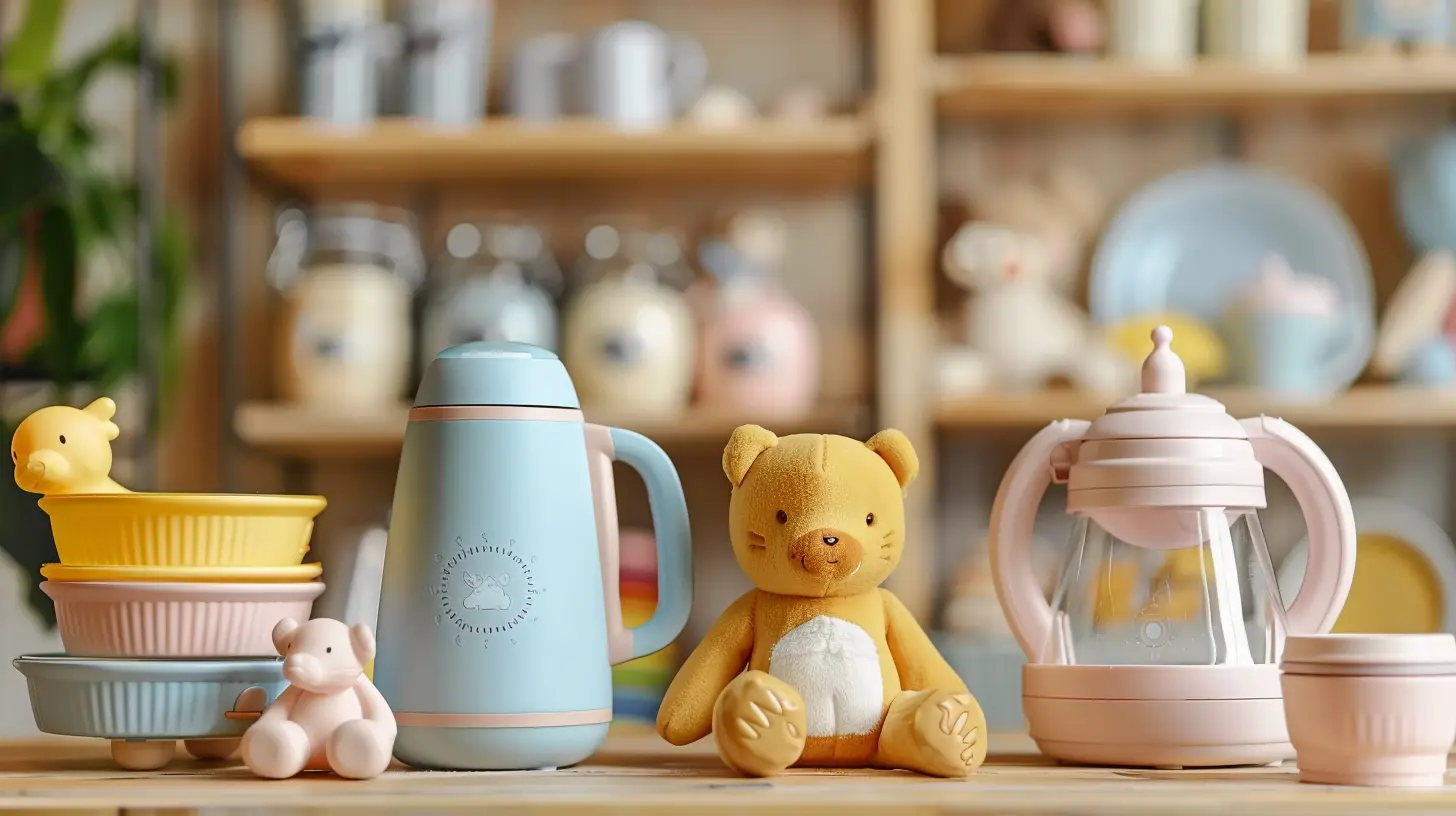
What is BPA, and Why is it a Concern?
BPA is an industrial chemical used to make plastics and resins. It’s found in everything from water bottles to food containers and even baby products like bottles, pacifiers, and sippy cups. Sounds harmless, right? Not so fast.Research suggests that BPA can seep into food and beverages, especially when heated. When ingested, it can mimic estrogen in the body—potentially disrupting hormones and leading to developmental and health issues. Babies, with their tiny bodies and developing systems, are especially vulnerable to these effects.
Studies have linked BPA exposure to:
- Hormonal imbalances
- Behavioral issues
- Increased risk of obesity
- Potential developmental delays
- Higher chances of heart disease later in life
With all these risks, it's no wonder why parents everywhere are making the switch to BPA-free baby gear. 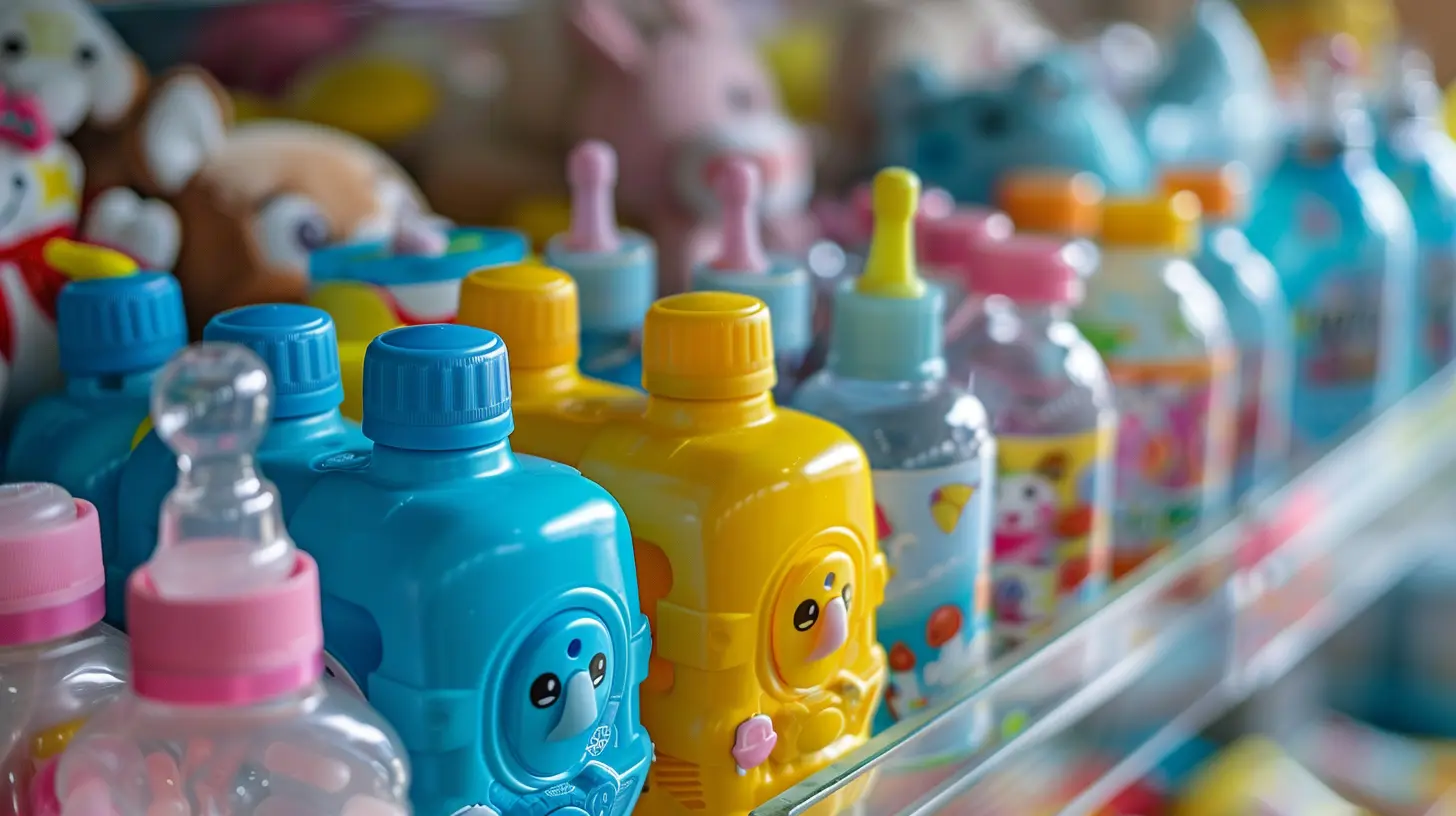
How Babies Are Exposed to BPA
You might be wondering, "How could my baby be exposed to BPA?" Unfortunately, it’s easier than you think. BPA is commonly found in:1. Baby Bottles and Sippy Cups
If a bottle or cup contains BPA, that means every sip your baby takes could come with a dose of this harmful chemical, especially when the plastic is heated.2. Teething Toys and Pacifiers
Babies love to chew on things. If their teething toys or pacifiers contain BPA, they could be absorbing it directly into their system.3. Plastic Bowls, Plates, and Utensils
Many baby feeding products are made from plastic, and if they have BPA, serving warm food in them can cause the chemical to leach into meals.4. Food Storage Containers
Storing homemade baby food in plastic containers? If they’re not BPA-free, there’s a chance they could be contaminating your baby’s meals.5. Canned Baby Food and Formula Linings
Some cans are lined with BPA-containing resins. That means even if the food inside is organic, the packaging could still pose a risk.
Why BPA-Free Baby Gear is the Best Choice
Switching to BPA-free baby products isn’t just a trend; it’s a necessity. Here’s why making the switch is one of the best things you can do for your little one:1. Eliminates Harmful Chemical Exposure
BPA-free products ensure your baby isn’t exposed to a chemical that could negatively affect their growth and development.2. Supports Healthy Development
Since BPA disrupts hormones, avoiding it can reduce the risk of developmental delays and behavioral issues in young children.3. Safer for Everyday Use
You can feel confident that the bottles, toys, and utensils your baby uses daily don’t pose hidden health risks.4. Environmentally Friendly
Many BPA-free products are made from safer, eco-friendly materials, such as glass or stainless steel, which are also sustainable choices.
How to Identify BPA-Free Baby Products
The good news? Many manufacturers have caught on, and BPA-free baby gear is now widely available. But how can you be sure you're making the right choice? Here are some tips:1. Look for the "BPA-Free" Label
Many brands now clearly label their products as BPA-free. If it doesn’t say it, assume it contains BPA.2. Check the Recycling Code
On plastic products, there’s a small triangle with a number inside. Avoid plastics labeled #3 and #7, as these often contain BPA. Instead, opt for #1, #2, #4, or #5, which are generally safer choices.3. Opt for Glass, Stainless Steel, or Silicone
Rather than relying on plastic, choose baby bottles, food containers, and cups made from safer materials like glass, stainless steel, or medical-grade silicone.4. Be Wary of Older Products
If baby gear has been handed down or purchased secondhand, it may contain BPA—especially if it was made before 2012 when regulations became stricter.The Best BPA-Free Baby Products to Choose
Now that you know the risks, here are some safe alternatives for common baby items:1. BPA-Free Baby Bottles
- Philips Avent Natural Glass Bottles- Dr. Brown’s Options+ Glass Bottles
- Comotomo Silicone Bottles
2. BPA-Free Sippy Cups
- Munchkin Miracle 360- NUK Learner Cup
- Green Sprouts Glass Sip & Straw Cup
3. BPA-Free Feeding Sets
- EZPZ Silicone Suction Plates- Avanchy Bamboo Baby Bowls
- Oxo Tot Fork & Spoon Set
4. BPA-Free Teething Toys
- Sophie la Girafe Natural Teether- Comotomo Silicone Teether
- Nuby Ice Gel Teether Keys
By making simple swaps, you can ensure your baby stays safe from potentially harmful chemicals while still having everything they need for their daily routine.
Final Thoughts
When it comes to your baby’s health, every little choice matters—and choosing BPA-free baby gear is a small but powerful step in protecting them from unnecessary health risks. With so many safe alternatives available today, there’s no reason to stick with outdated, potentially toxic materials.So, next time you're shopping for baby bottles, plates, or toys, take an extra moment to check the label. Your baby’s health is worth it!
all images in this post were generated using AI tools
Category:
Baby GearAuthor:

Noah Sawyer
Discussion
rate this article
2 comments
Selena Allen
Choosing BPA-free baby gear is essential for parents concerned about health risks associated with harmful chemicals. Prioritizing safe materials can help ensure a healthier environment for our little ones as they grow and explore.
January 17, 2026 at 5:42 AM
Noah Sawyer
Absolutely! Choosing BPA-free gear is crucial for safeguarding our children's health and promoting a safe, nurturing environment.
Tia Simmons
Choosing BPA-free baby gear is crucial for your child's health. These products reduce exposure to harmful chemicals, promoting safer environments for infants and toddlers.
January 6, 2026 at 3:28 PM
Noah Sawyer
I completely agree! Prioritizing BPA-free baby gear is essential for ensuring our children's safety and well-being. Thank you for highlighting this important issue!