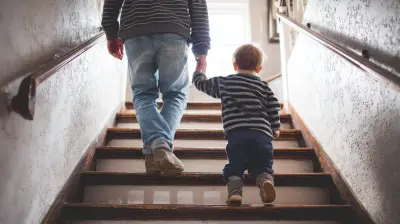
Boundaries and Emotional Regulation: Helping Kids Set Limits on Reactions
7 June 2026
Kids are like tiny tornadoes of emotions—one minute, they’re giggling uncontrollably, and the next, they’re on the floor in full meltdown mode because their sandwich was cut into squares instead of triangles. Sound familiar?
As parents, our job isn’t just to keep them fed and relatively clean—it’s also to help them navigate their big feelings and learn to set boundaries for their reactions. In other words, teaching them to regulate emotions before they turn into a full-fledged emotional hurricane.
So, how exactly do we help our little ones manage their feelings without turning into mini dictators? Let’s dive into the nitty-gritty of boundaries and emotional regulation for kids—without losing our sanity in the process. 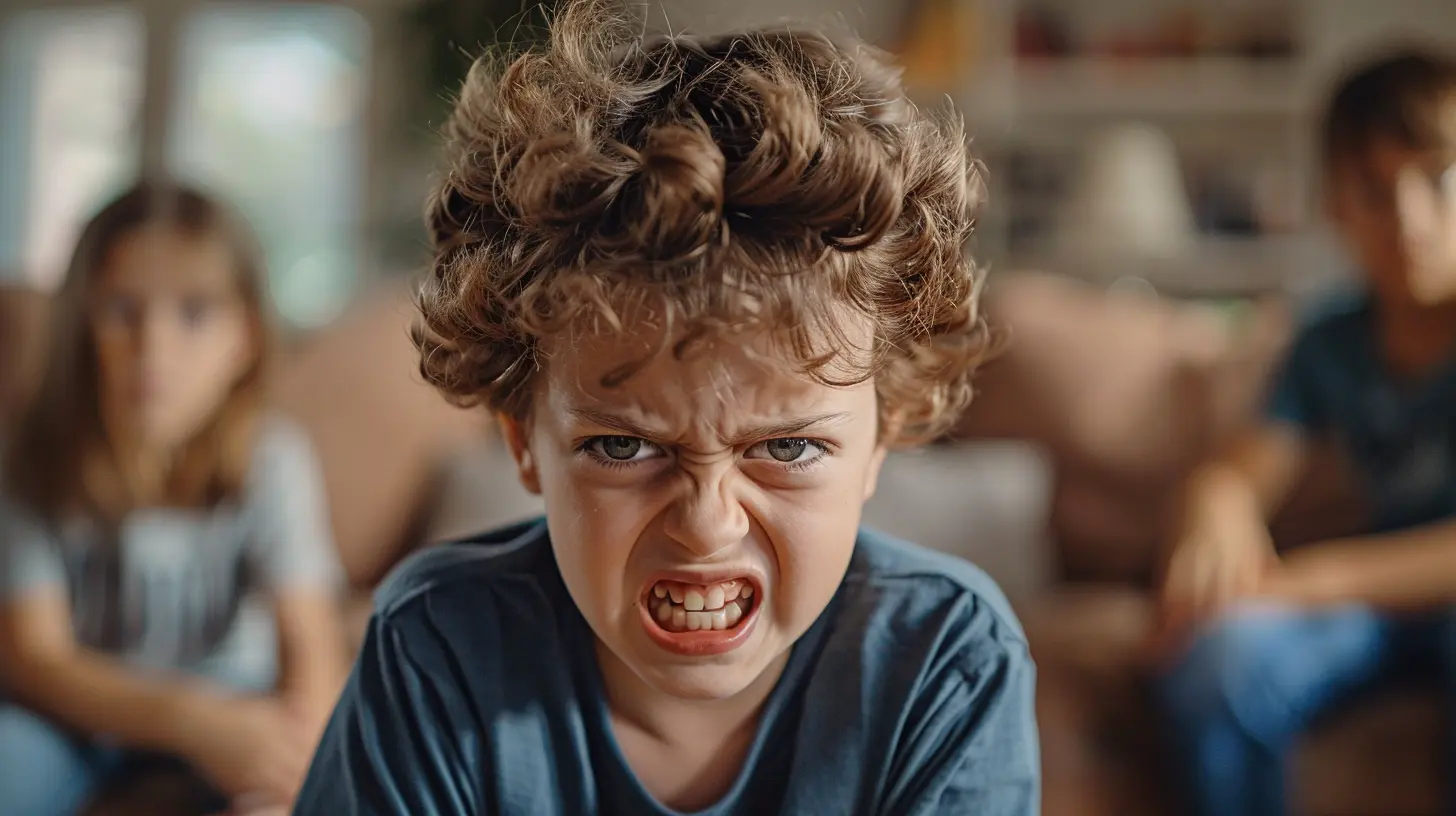
What Are Boundaries And Emotional Regulation (And Why Should We Care)?
Before we start setting rules and expectations, let’s break it down.Boundaries = Personal Space Rules
Boundaries are those invisible but oh-so-important guidelines that help kids understand what’s okay and what’s not. Think of them like traffic lights for behavior—green means go, yellow means slow down, and red means STOP (preferably before the tantrum explosion).Emotional Regulation = Keeping The Drama In Check
Emotional regulation is basically learning how to manage feelings without turning into an overdramatic sitcom character. It’s teaching kids to pause, think, and respond instead of reacting like their world just ended because their sock is "too lumpy."Why does this matter? Well, unless you want to negotiate with a tiny terrorist every time you say "no," teaching kids how to set limits on their reactions will make life at home much easier. 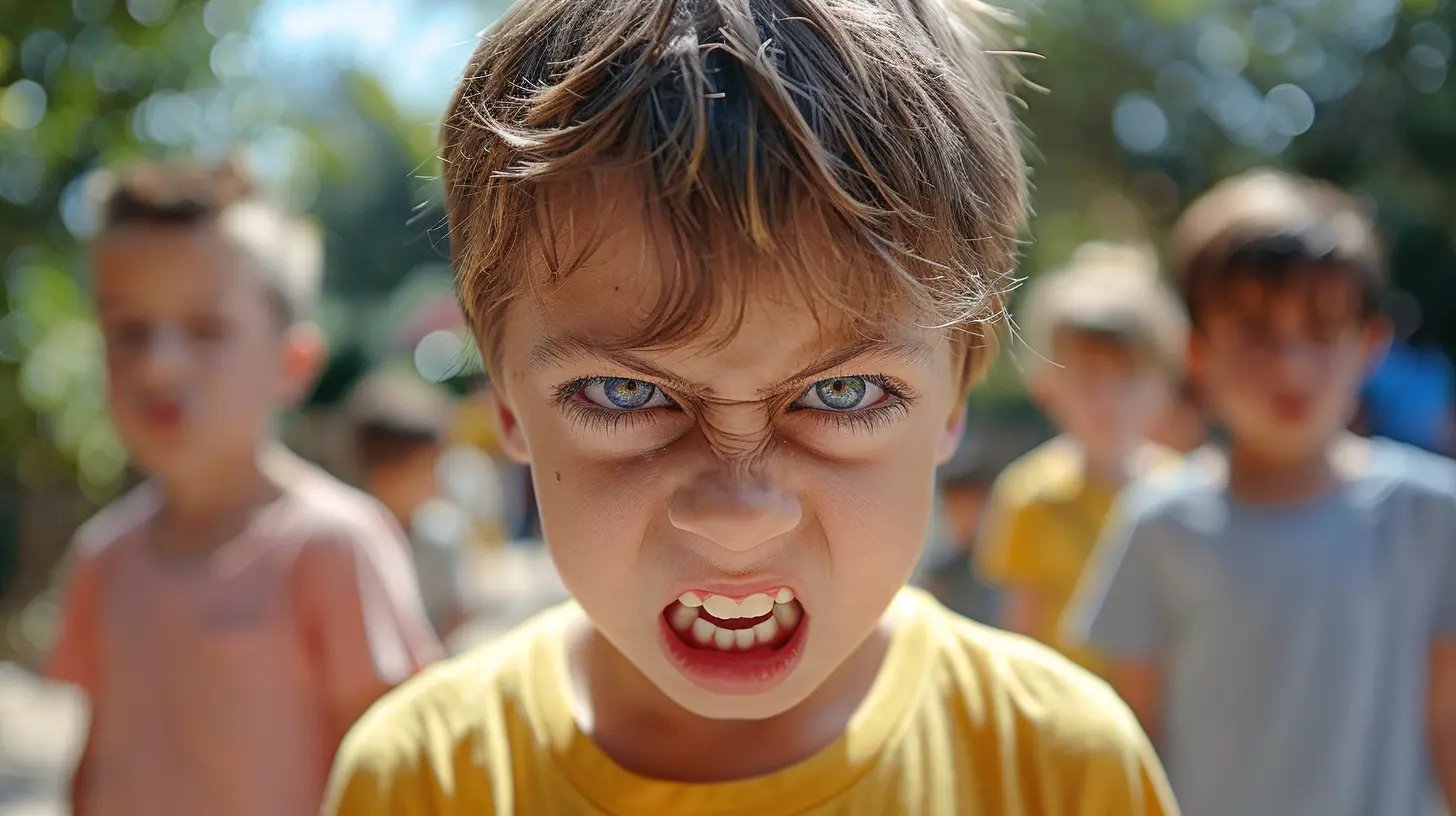
The Uh-Oh Moments: When Kids Struggle With Boundaries And Emotions
If you’ve ever told your kid they can’t have candy before dinner and watched them collapse in utter devastation, you’ve seen firsthand what happens when emotional regulation is a work in progress.Here are some classic signs your kiddo might need a little help in this department:
- Instant meltdowns over small things (like getting the blue cup instead of the red).
- Difficulty handling frustration—think throwing toys when things don’t go their way.
- Struggles with sharing because, obviously, everything belongs to them.
- Big emotional reactions to minor disappointments (No, buddy, Target is NOT closed forever—it’s just 10 PM).
Sound familiar? Don’t worry—you’re not raising a tiny dictator on purpose. Emotional regulation isn’t automatic, it’s a learned skill. And yes, it takes time (and a whole lot of patience). 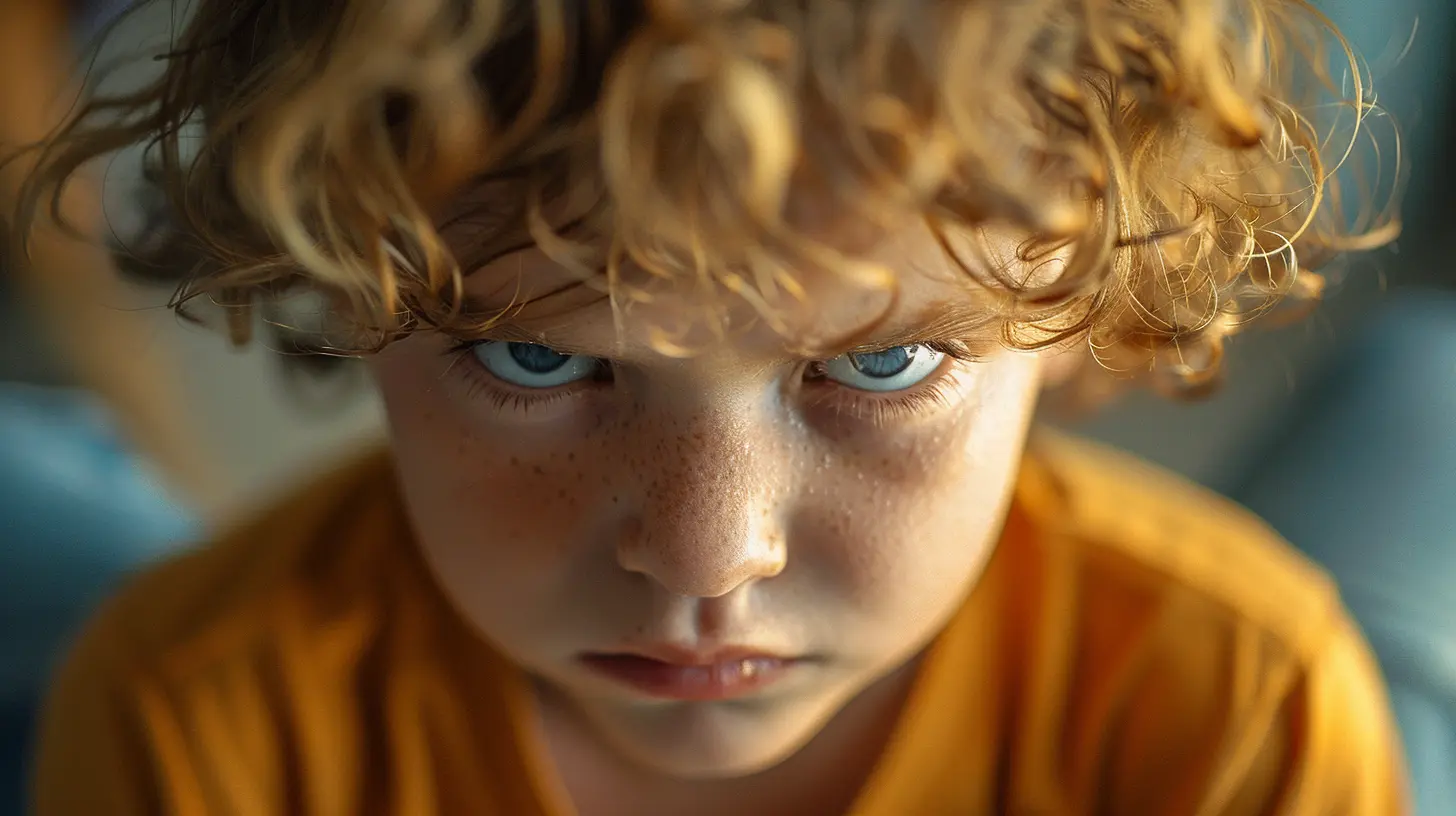
How To Teach Kids Boundaries And Emotional Regulation (Without Losing Your Mind)
Now that we know what we’re dealing with, let’s talk solutions. Because let’s be honest—parenting is hard enough without playing referee to every emotional meltdown.1. Name The Feeling (Even The Weird Ones)
Kids often react big because they don’t even know what they’re feeling. Help them by putting words to emotions:- “I see that you’re frustrated because your tower fell down.”
- “I know you’re disappointed that we have to leave the park. It’s okay to feel sad.”
By naming emotions, you help your child recognize them when they happen—sort of like giving their feelings a label instead of letting them explode like an unshaken soda can.
2. Teach The "Pause and Breathe" Trick
Ever noticed how deep breathing is basically the universal solution to freaking out? Well, it works for kids too.When emotions start bubbling over, encourage them to:
- Take a deep breath in like they’re smelling a delicious cookie.
- Blow out slowly like they’re cooling a cup of hot cocoa.
This simple trick helps slow their body’s stress response, making it easier to think before reacting (instead of throwing their shoe across the room).
3. Create A Calm-Down Spot
Let’s be real—timeouts can sometimes feel like punishments. Instead, try a calm-down corner where kids can go to breathe, relax, and reset.Stock it with:
- Soft pillows
- A fidget toy or stress ball
- A feelings chart (so they can point to "angry" instead of screaming it)
This gives them a physical space to regulate emotions instead of melting down wherever they happen to be (like the middle of the grocery store aisle).
4. Use "When/Then" Statements Instead Of "Stop That!"
Ever noticed how kids don’t respond well to “STOP DOING THAT!” but somehow magically hear “Ice cream” whispered from three rooms away?Instead of just saying no, try:
- “When you finish cleaning up, then we can play outside.”
- “When you speak calmly, then I can help you.”
This shifts their focus from frustration to what they can do to get what they want (spoiler alert: it actually works).
5. Be The Calm They Need (Even When You Want To Scream)
Monkey see, monkey do. If we lose our cool every time they throw a fit, guess what? They’ll do the same.Instead, model calm reactions:
- Speak in a steady voice (even if you’re internally screaming).
- Take deep breaths in front of them.
- Show them how you regulate emotions in tough moments.
Kids are like tiny sponges (except instead of soaking up water, they absorb everything you do).
6. Validate Feelings, But Set Clear Limits
It’s okay to feel angry, but it’s not okay to throw things.It’s okay to be disappointed, but it’s not okay to scream at the top of your lungs (especially inside Target).
A simple phrase you can use is:
"It’s okay to feel [emotion], but it’s not okay to [inappropriate behavior]."
For example:
- "It’s okay to feel frustrated, but it’s not okay to hit your brother with a stuffed animal the size of your head."
- "It’s okay to feel mad, but it’s not okay to yell at Mommy like she stole your last Goldfish cracker." 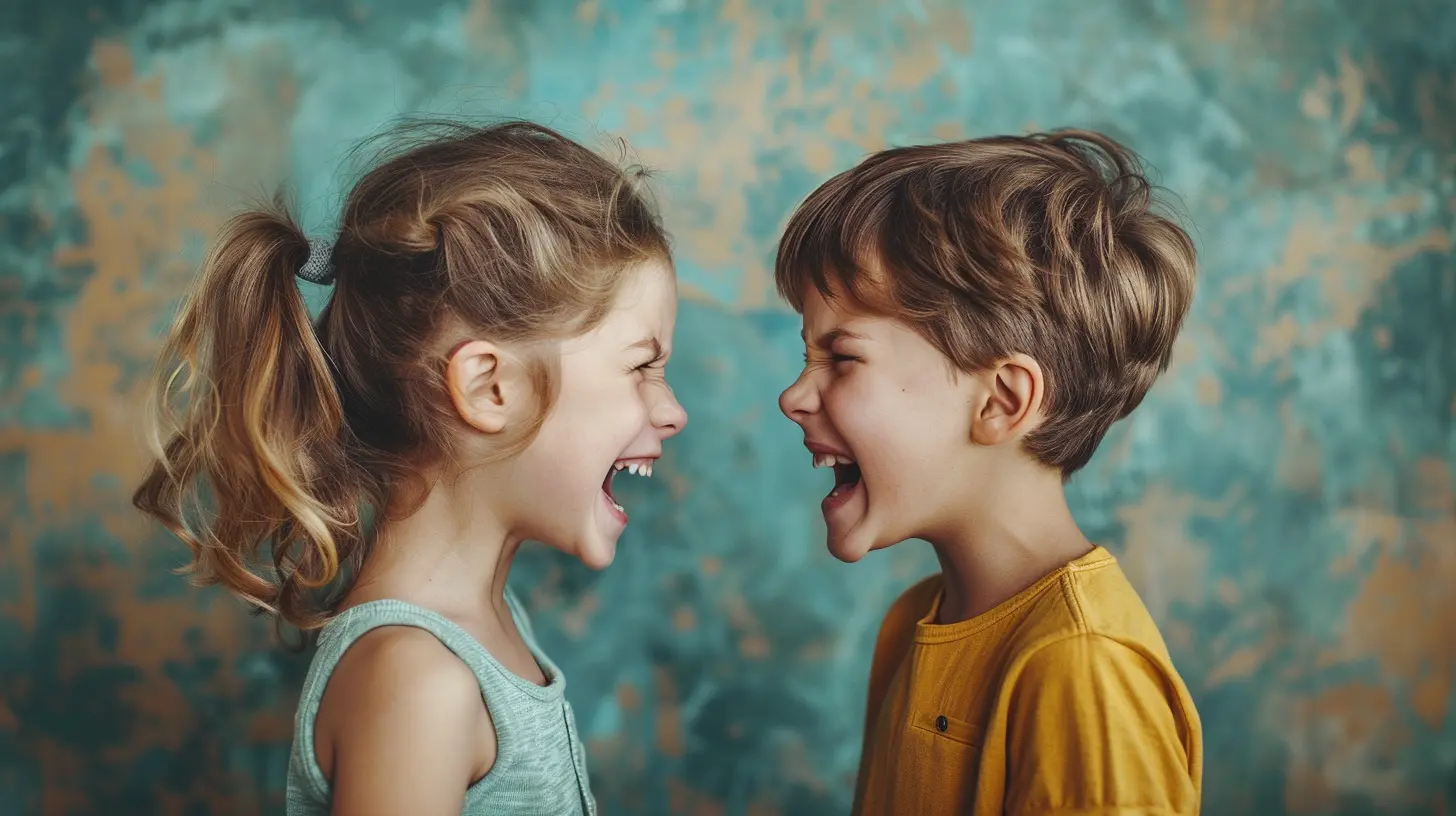
The Long Game: Why This Matters Beyond Toddlerhood
Emotional regulation doesn’t just help in childhood—it’s a life skill that keeps on giving. When kids learn to manage emotions early, they grow into adults who can handle stress, communicate better, and not lose it when Starbucks runs out of their favorite drink.Teaching boundaries helps them:
✔ Build healthy relationships
✔ Handle conflict without drama
✔ Make better decisions
✔ Develop self-control (yes, even for cookies)
So while it might feel exhausting now (because, let’s be honest, it is), you’re shaping a future adult who won’t flip tables when things don’t go their way.
Final Thoughts: Small Steps, Big Impact
Helping kids set limits on their reactions isn’t about shutting down emotions—it’s about teaching them how to express feelings in a way that won’t make you want to move to a remote island.Remember:
✅ Stay patient (or at least pretend—you got this).
✅ Model healthy reactions.
✅ Give them tools to self-regulate.
✅ Set clear boundaries with love.
One day, they’ll thank you. Until then, brace yourself for more meltdowns, more deep breaths, and maybe even a few unexpected giggles in between.
(And yes, you totally deserve that glass of wine after bedtime.
all images in this post were generated using AI tools
Category:
Parenting BoundariesAuthor:

Noah Sawyer
Discussion
rate this article
2 comments
Jacqueline McGehee
Teaching kids to set limits empowers them to manage their emotions effectively and confidently.
August 24, 2026 at 4:37 AM
Noah Sawyer
Absolutely, teaching boundaries gives kids valuable tools to understand and express their emotions. It's a key part of their growth.
Hawk Long
Thank you for sharing these valuable insights. Teaching kids about boundaries and emotional regulation is essential for their growth. I appreciate the practical tips you provided.
June 8, 2026 at 2:26 PM
Noah Sawyer
Thank you for your kind words! I'm glad you found the tips helpful for teaching kids important skills.