Winning the Screen Time Battle Without Power Struggles
26 August 2026
Every parent knows the scene. You ask your child to put down the tablet, and suddenly you are the villain in a drama you never auditioned for. The whining starts. The bargaining. The classic "just five more minutes" that somehow stretches into an hour. If you have felt like a broken record repeating the same screen time rules, you are not alone. The real problem is not the screen itself. It is the battle that comes with it.
Most advice about screen time focuses on limits, timers, and strict rules. But rules without understanding create resistance. Children do not fight against limits because they are addicted to pixels. They fight because the transition feels abrupt, unfair, or completely out of their control. The good news? You can change the dynamic completely without turning your living room into a negotiation table.
Why Power Struggles Happen in the First Place
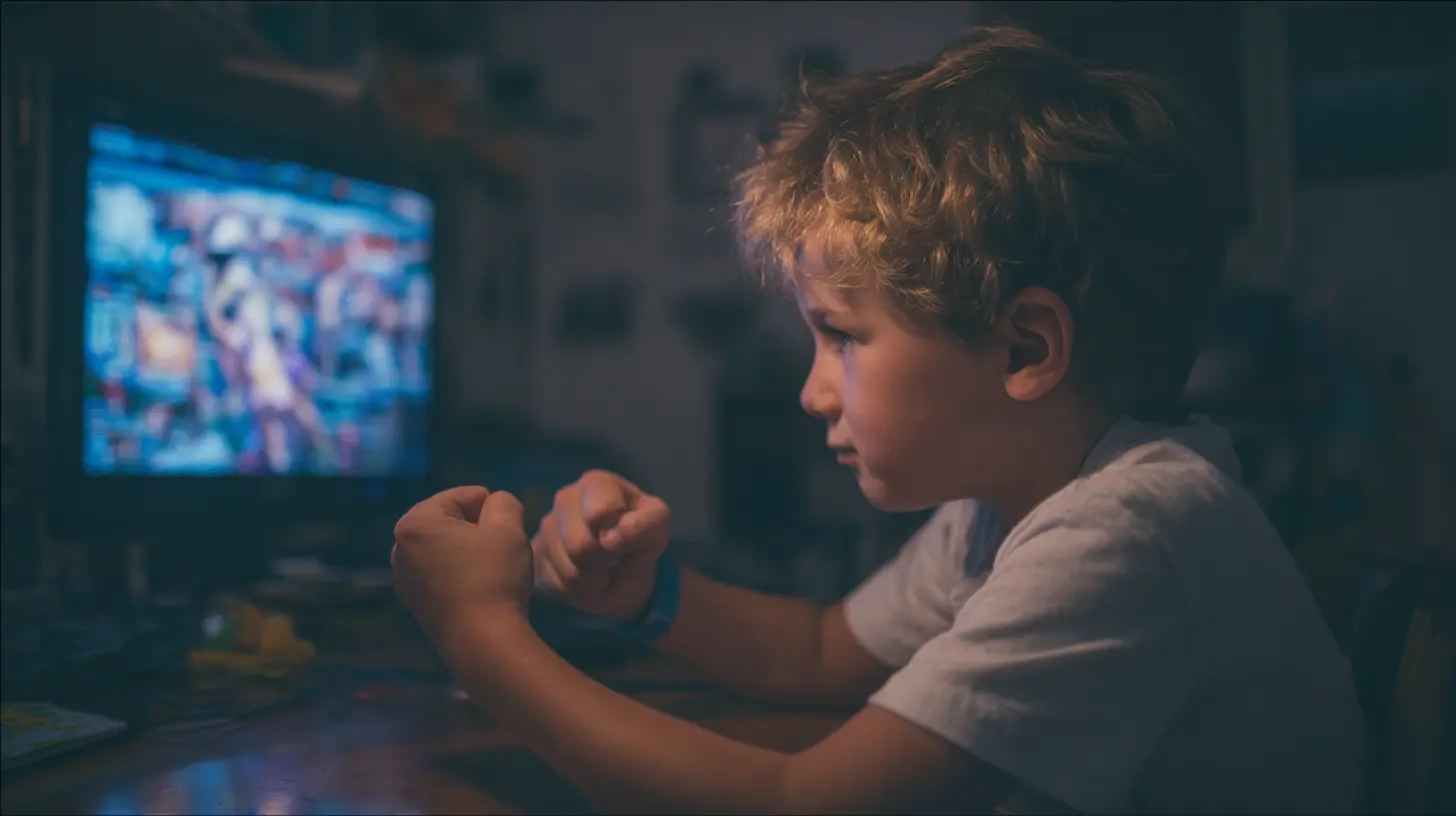
Before you can fix the problem, you need to see it clearly. A power struggle is not really about the screen. It is about control. Your child wants to feel like they have a say in their own life. You want to feel like your authority matters. When both sides dig in, the screen becomes the battlefield.Think about how you feel when someone interrupts you mid-task. If you are deep in an email or a conversation and your partner suddenly says "time is up, come here now", you feel annoyed. You want to finish your thought. Children feel the exact same way when they are in the middle of a game or a video. Their brains are fully engaged. The shutdown command feels like a violation, not a reasonable request.
Another factor is what child development experts call task inertia. The brain does not like switching gears suddenly. It is easier to keep doing what you are doing than to stop and start something new. For a child, that transition is even harder because their executive function skills are still developing. They are not being difficult on purpose. Their brains are literally wired to resist the stop signal.

The Big Mistake: Treating Screen Time as a Reward or Punishment
Many parents fall into the trap of using screens as the ultimate reward or the ultimate threat. "If you clean your room, you get an hour of iPad." "If you talk back again, no video games for a week." This approach seems effective at first, but it creates a dangerous association.When screens become the prize, they become more valuable in your child's mind. They start to see screen time as the best part of the day, the thing they have to earn. That makes the activity itself feel more important than it should. Meanwhile, non-screen activities start to feel like chores or punishments by comparison.
The alternative is to treat screens as a normal part of daily life, not a special privilege. That does not mean unlimited access. It means you remove the emotional charge around the topic. Screens are just another activity, like reading, playing outside, or doing homework. When you stop making it a big deal, your child will slowly stop treating it like a forbidden fruit.

Set Clear Expectations Before the Screen Goes On
The most effective strategy is also the simplest one. Set the boundary before the activity starts, not in the middle of it. When your child picks up the tablet, say something like "You can watch for twenty minutes. When the timer goes off, we will put it away and head to the park." That single sentence does three things.First, it tells them the exact amount of time they have. Second, it clearly states the transition that will happen after. Third, it gives them something to look forward to. The key is to make the expectation concrete, not vague. "A little while" means nothing to a child. "Until the timer rings" means everything.
You can even let them set the timer themselves. This small act of participation gives them a sense of ownership. They pressed the button. They heard the countdown. When the alarm sounds, they are more likely to accept it because they were part of the process from the beginning.

Use Visual Timers Instead of Verbal Warnings
Verbal warnings are easy to ignore. You say "five more minutes" and your child nods, but they are not actually tracking time. They are just waiting for you to stop talking so they can get back to their game. A visual timer changes everything.A kitchen timer with a red dial, a sand timer, or a time-tracking app on a parent's phone works far better than words. The child can see the time running out. They can watch the red section shrink. This makes the passage of time tangible. It is no longer an abstract concept that you are imposing on them. It is a physical reality they can observe.
For younger children, a simple sand timer is excellent. They can see the sand falling and understand that when it runs out, the activity ends. For older kids, a timer on their own device works well. The key is consistency. Use the same timer every time. Eventually, your child will start to self-monitor because they know exactly what the visual cue means.
The Power of the "When and Then" Formula
One of the most reliable techniques in parenting is the "when and then" structure. It sounds like this: "When you turn off the tablet, then we can make cookies together." Or "When the show ends, then we will go outside and kick the ball around."The formula works because it links the end of screen time to a positive activity, not a negative one. You are not taking something away. You are offering something else. The child still has to stop the screen, but the stop is followed by a pleasant transition. This reduces the feeling of loss.
The trick is to make the "then" activity genuinely appealing. It does not have to be elaborate. A snack, a game, a story, or even just sitting together on the couch can work. The point is to shift the focus from what is ending to what is beginning.
Have a "Wind Down" Ritual for High-Engagement Games
Some games and shows are more absorbing than others. A fast-paced action game or an intense episode of a favorite series is much harder to leave than a calm puzzle or a slow documentary. If your child is playing something highly stimulating, a cold stop will almost always trigger a fight.The solution is a wind-down ritual. About five minutes before the end, start making gentle noise in the room. Not intrusive, just present. Then say "We are going to finish up soon. Let us find a good stopping point." Encourage your child to pause the game, save their progress, or reach a natural break in the story.
This works because it gives the child agency. They get to decide where to stop, rather than being yanked out mid-action. It also teaches them a valuable life skill: how to close out an activity responsibly. This is not just about screens. It is about learning to manage your own attention and transitions.
What to Do When Your Child Refuses to Stop
No matter how well you prepare, there will be times when your child just says no. They ignore the timer. They keep watching. They argue. This is where most parents make a critical mistake. They escalate.Raising your voice, threatening consequences, or physically taking the device away will end the immediate conflict, but it will also increase the resistance next time. Your child learns that they have to fight harder to keep their screen. The power struggle intensifies.
Instead, stay calm and use a neutral consequence. If the timer went off and the tablet did not get put away, then the tablet goes into a parent-controlled spot for the rest of the day. You do not need to lecture. You do not need to argue. You just need to follow through with a clear outcome.
The consequence should be related and reasonable. Missing the timer means the device goes away for a while. It does not mean losing screen time for a week. The goal is not to punish. The goal is to show that the boundary is real. When you stay calm and consistent, your child learns that arguing will not change the outcome.
The "One More Thing" Trap and How to Avoid It
Children are natural negotiators. They will ask for "one more level" or "one more episode" because it has worked before. If you give in once, you have taught them that the rule is flexible. The next time, they will push even harder.The solution is to make your answer predictable. You can say "I hear you, but the timer already went off. We will have more screen time tomorrow." Then stop talking. Do not explain yourself at length. Do not renegotiate. The more words you use, the more room there is for argument.
If you want to be generous, you can offer a different activity instead. "You can watch one more episode tomorrow, but right now we are going to read a book. Which book do you want to pick?" This shifts the conversation from what they cannot have to what they can have.
Creating a Family Screen Time Plan Together
Instead of imposing rules from above, sit down with your child and create a screen time plan together. This works especially well with kids over six. Ask them what times of day they think screens should be allowed. Ask them what activities they want to make sure they still have time for. Ask them what they think a fair limit is.You will be surprised at how reasonable their answers are. Most children, when given the chance, will suggest limits that are similar to what you would have chosen. And because they helped make the plan, they feel a sense of ownership over it. They are more likely to follow a rule they helped create than one that was handed down to them.
The plan should include not just limits but also screen-free zones and times. For example, no screens at the dinner table. No screens in the bedroom. No screens for the first hour after waking up. Put the plan somewhere visible. Refer to it often. When a conflict comes up, you can point to the plan instead of pointing at your child.
The Role of Parental Modeling
You cannot expect your child to have a healthy relationship with screens if you are glued to your own phone all evening. This is not about being perfect. It is about being honest. Children learn more from what they see than from what they are told.If you want your child to put down their device and join the family, you need to be willing to put down yours. That does not mean you can never check your phone. It means you need to be intentional about when you do it. When you are with your child, be present. They will notice. They will mirror your behavior more than they mirror your words.
Try designating certain times as "everyone unplugged" time. Maybe it is dinner. Maybe it is the hour before bed. During that time, no one in the house uses screens, including you. This creates a shared experience rather than a punishment. It is not "you cannot watch TV." It is "we are all reading together."
Understanding That Not All Screen Time Is Equal
One of the biggest misconceptions in modern parenting is that all screen time is the same. It is not. Watching a documentary about ocean life is different from playing a mindless endless runner game. Video chatting with grandma is different from scrolling through short clips. Creating digital art is different from passively watching a cartoon.You do not need to judge every minute of screen time, but you should be aware of what your child is actually doing. Passive consumption is generally less beneficial than active creation or social connection. A child who is designing a level in a game is using problem-solving skills. A child who is watching random videos is mostly being entertained.
This does not mean passive screen time is evil. It is fine in moderation. But when you are setting limits, consider the quality of the content. You might allow more time for educational apps or creative tools and less time for mindless scrolling. This is a nuanced approach that many experts recommend.
The Importance of Boredom
One of the reasons children fight so hard for screens is that they are afraid of being bored. Boredom feels uncomfortable. It feels like emptiness. But boredom is actually a gift. It is the space where creativity grows.When a child is bored, they are forced to invent. They build forts. They draw pictures. They make up games. They talk to their siblings. They figure out how to entertain themselves. These are essential life skills that cannot be learned from a screen.
If your child complains that they are bored without a screen, let them be bored. Do not rush to provide an alternative activity. Do not suggest a different device. Sit with the discomfort. Within a few minutes, most children will find something to do. And that something will be more valuable than any video they could have watched.
Handling the "Everyone Else Has More Time" Argument
At some point, your child will tell you that all their friends have unlimited screen time. This is almost certainly an exaggeration, but it feels true to them. Instead of dismissing it, acknowledge their feeling. Say "I understand that it feels unfair. Different families have different rules. In our family, we have these limits because we want to make sure you have time for other things."You do not need to justify your rules over and over. But you do need to validate their feelings. The argument is not really about the screen. It is about wanting to fit in and not feel left out. Once you address the underlying feeling, the argument loses its power.
You can also point out that your child does have screen time. They are not being denied completely. The limit is about balance, not deprivation. Over time, they will understand this, even if they do not appreciate it right now.
What to Do on the Days When Everything Goes Wrong
There will be days when you are tired, your child is cranky, and the screen time plan falls apart. You will give in just to get a moment of peace. Or you will explode and yell because you cannot handle one more request. This happens to every parent. It does not make you a failure.What matters is what you do after. Apologize if you yelled. Explain that you were frustrated and that you are going to try again tomorrow. Then actually try again. Consistency is not about being perfect every single day. It is about returning to the plan after you veer off course.
The longer you practice these strategies, the easier they become. Your child will learn that the rules are stable. They will learn that arguing does not work. They will learn that screen time is not a battleground but just another part of their day.
A Final Perspective on the Bigger Picture
Screen time battles are exhausting because they feel so immediate and so constant. But step back for a moment. Your goal is not to win every argument. Your goal is to raise a child who can manage their own attention, make good choices, and eventually self-regulate without any external rules.Every time you handle a screen time conflict calmly, you are teaching your child something valuable. You are showing them that limits can be set with love. You are showing them that their feelings matter but do not control the outcome. You are showing them that life is full of transitions and that they can handle them.
The battles will not disappear overnight. But they will change. The screaming matches will become quiet negotiations. The negotiations will become habits. And eventually, your child will look up from their device, check the timer themselves, and put it down without a word. That is the real victory.
all images in this post were generated using AI tools
Category:
Parenting WinsAuthor:

Noah Sawyer
Discussion
rate this article
2 comments
Ryder Reed
Ah, the screen time saga...it's like negotiating with tiny, tech-savvy dictators. Maybe we need to start offering snacks in exchange for "screen-free zones." Just remember, if all else fails, there's always the great outdoors. Fresh air beats pixels any day... most days!
August 31, 2026 at 3:24 AM
Noah Sawyer
That's a clever way to put it! Offering snacks might just do the trick. And yes, nothing beats the outdoors for recharging both kids and parents!
Clementine Garcia
Great tips! Finding balance with screen time can be such a relief for both kids and parents.
August 29, 2026 at 2:56 PM