Why Messy Art Projects Are Essential for Creative Growth
25 May 2026
Let’s get one thing straight right from the jump—messy art projects are not just adorable Pinterest fails or chaos in the name of fun. They’re vital. Yes, VITAL. They play a crucial role in your child’s creative development, and to be brutally honest, if your kid isn't getting their hands dirty with paint, glue, glitter, or mud pies once in a while, they’re missing out on some serious brain fuel.
Forget the tidy coloring books and perfect little craft kits with step-by-step instructions. We're talking real art here. The kind that ends with you scrubbing marker off the walls and Play-Doh out of the carpet. And you know what? It’s 1000% worth it.
Let’s break down why messy art projects aren't just okay—but absolutely essential for growing creative, resilient, and happy kids.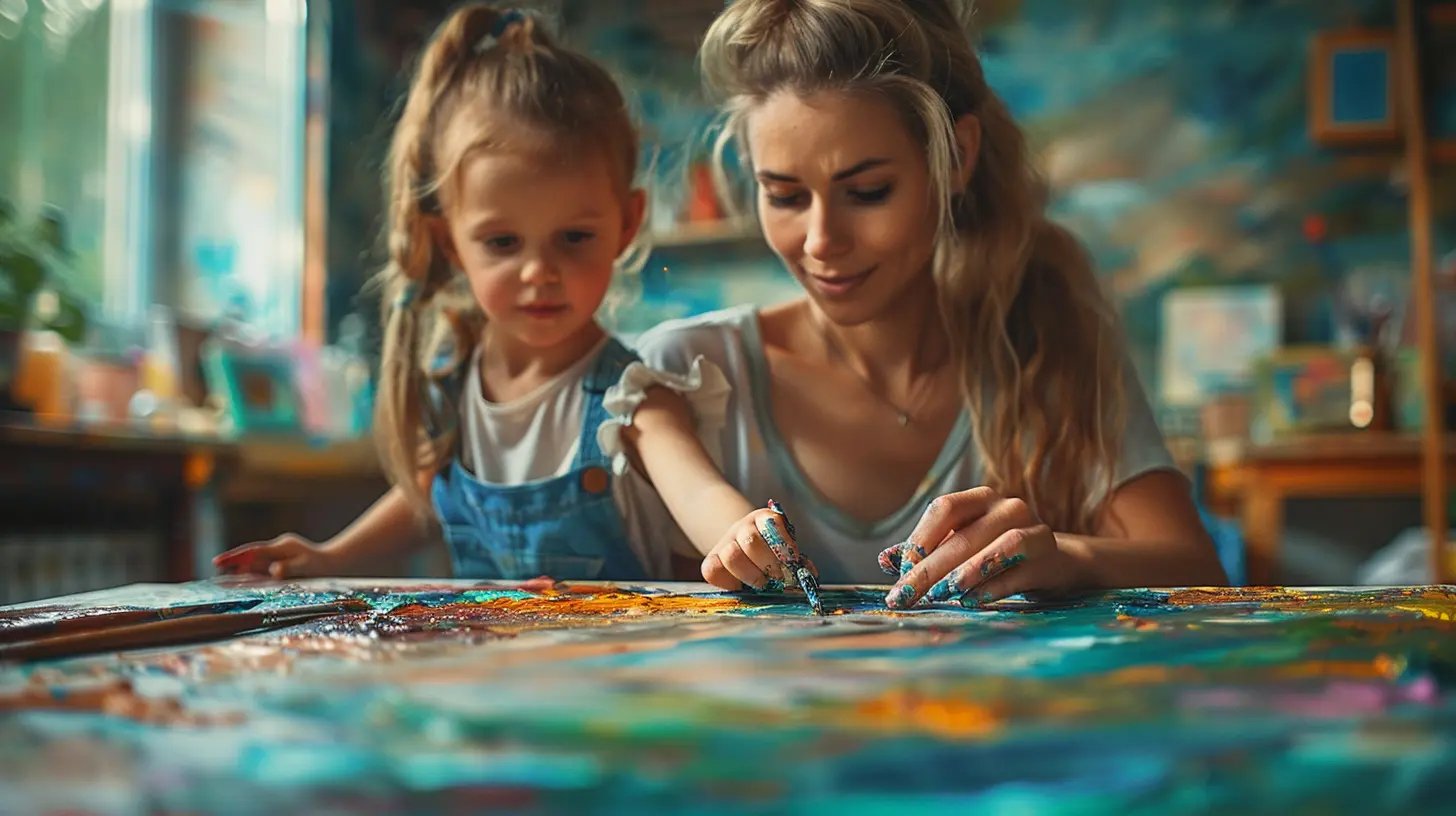
Creativity Isn’t Meant to Be Clean
Creativity is not a straight line, and it sure as heck isn’t tidy. It’s loud. It spills. It drips. It blends colors that weren’t supposed to go together. And that’s exactly where the magic happens.When kids can create without fear of making a mess, they also create without fear of failure. That’s HUGE. In messy art, there are no “wrong” choices. Blue apples? Go for it. A sculpture made entirely of old cereal and duct tape? Why not?
That kind of open-ended creativity builds confidence. It teaches kids that their ideas matter—even the weird ones. Especially the weird ones. Because let’s face it: Innovation doesn’t come from staying inside the lines.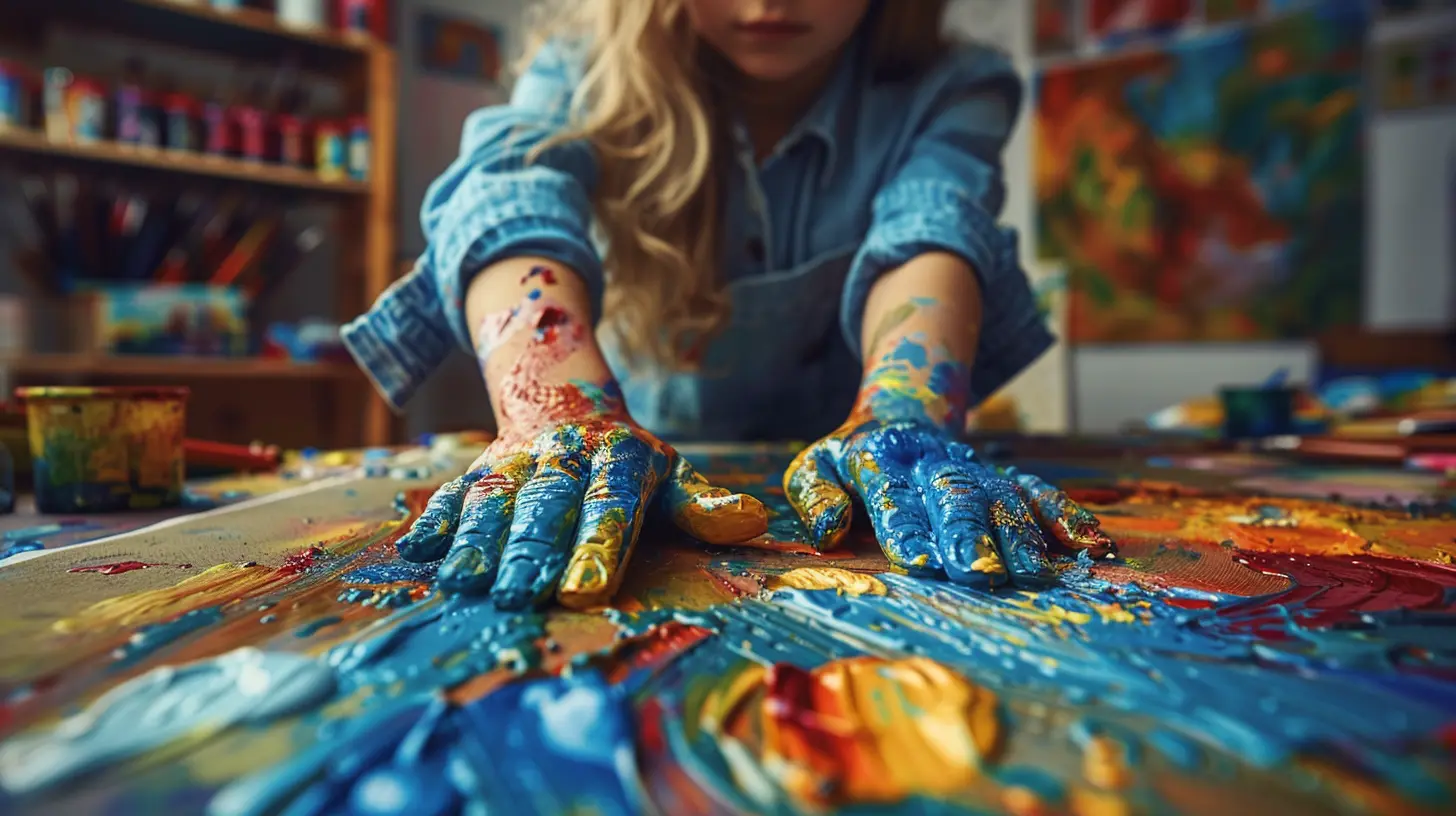
The Sensory Party Their Brains Crave
Kids are little sensory-seeking missiles. They want to touch, squish, smear, and mold everything they can get their hands on. And this isn’t just because they’re trying to destroy your clean kitchen (although, okay, that might be part of it).Messy art projects are basically a sensory playground. Think finger painting, slime-making, or digging into a pile of kinetic sand. These activities fire up all sorts of neural pathways in the brain and help kids make sense of the world through touch, sight, smell, and even sound.
Plus, engaging multiple senses at once helps strengthen memory and learning. So when your toddler smears yogurt on the wall in the name of art, it’s not just a mess—it’s a full-blown brain boost.
Emotional Expression Without Words
Let’s talk feelings—kids have A LOT of them. But they don’t always have the vocabulary to express what’s swirling around in those little hearts and heads.Messy art gives them a healthy outlet to let it all out.
Maybe they’re painting in angry reds. Maybe they’re scribbling like a mad scientist. Or maybe they’re building a whole new world out of cardboard and glue because they feel a little out of control in this one.
Whatever the reason, messy art is a powerful emotional release. Think of it as therapy with finger paint. And the best part? It doesn’t require them to say a single word. 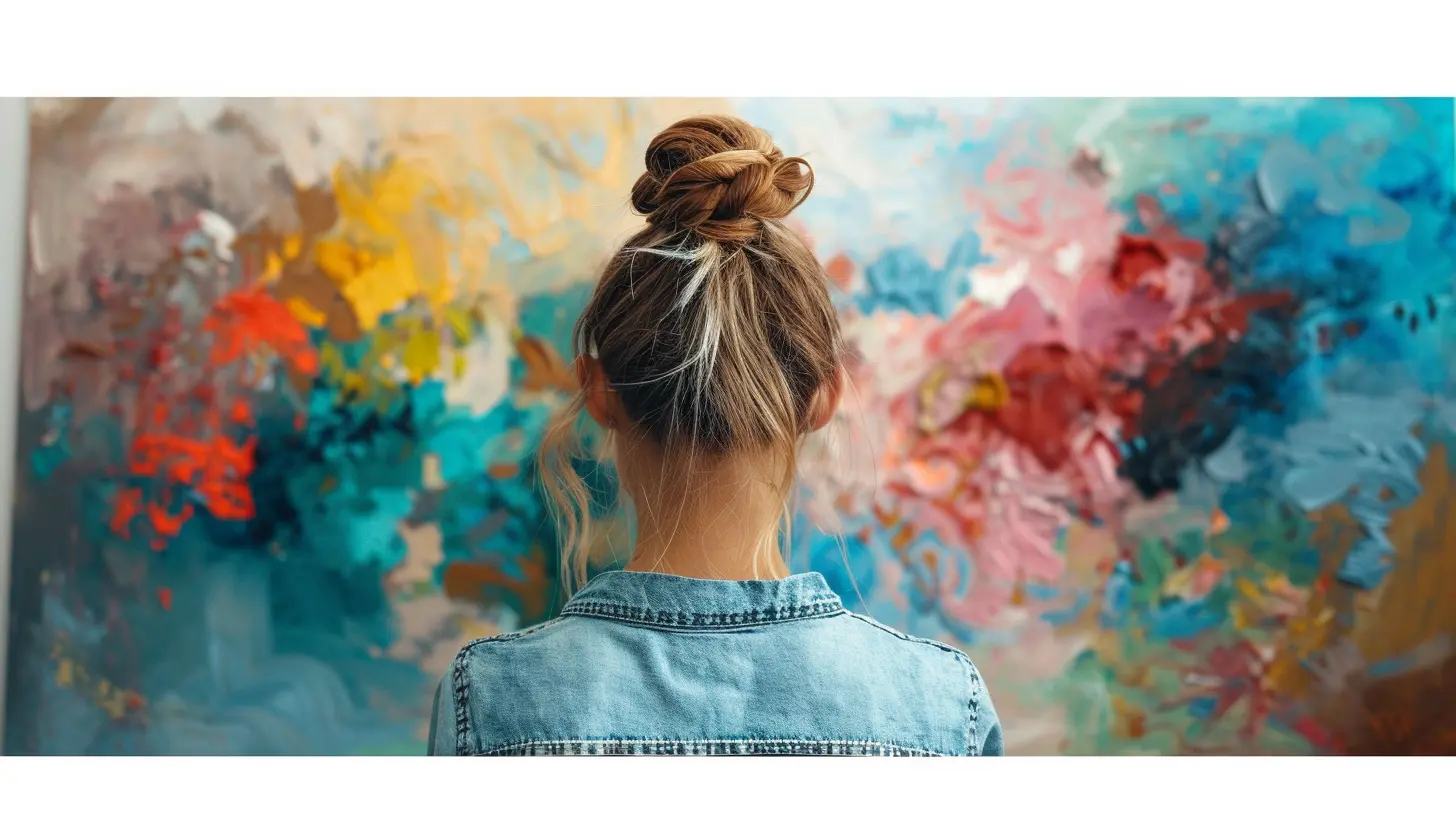
It Builds Big-Time Problem Solving Skills
Here’s something often overlooked: messy, unstructured art is basically a masterclass in critical thinking. No, seriously.When you hand a child a pile of random materials—paint, feathers, popsicle sticks, googly eyes—and say, “Go for it,” you’re asking them to figure it out. You’re putting them in charge of the process. They have to decide what to use, how to use it, what to make, how to fix it when it flops, and when to call it done.
That’s not just art. That’s strategy. That’s engineering. That’s innovation.
And guess what? They’re doing all this while getting glitter in unmentionable places. We’ll call that a win-win.
There’s Value in the Mess Itself
Okay, I know what you're thinking: "But the mess! The chaos! The endless cleanup!"Yeah, it's real. But here's the deal—kids learn a surprising amount just from dealing with the mess. Cleaning up after a project teaches responsibility, teamwork, and respect for space and materials. They start to understand that actions have consequences, and messes—like life—don’t just magically go away.
Let them clean (even if they suck at it at first). It’s all part of the process.
Messy Art Makes Space for Risk-Taking
Risk-taking sounds scary when we’re talking about little humans, but trust me, it’s a good thing when it comes to creative growth.Messy art naturally encourages creative risks. When there isn’t a right answer or a pre-cut template to follow, kids get brave. They push boundaries. They ask, “What if I mix this with that?” or “What happens if I use my feet instead of a brush?”
Boom. That’s bravery in action. And those small creative risks build the emotional muscle needed for even bigger risks later in life—like standing up for a friend or trying out for the school play.
It Teaches Process Over Perfection
One of the worst things we can teach our kids is that the end result is the only thing that matters. (Looking at you, test scores and Instagram likes.)Messy art flips that script. It focuses on the process, not the product. Because, let’s be honest, 80% of what they create might look like a colorful explosion with a pulse. And that’s okay.
The value is in how they made it. What they explored. What they discovered. What they dared to try.
When kids learn to love the process, they start to chase curiosity instead of perfection. And THAT is where lifelong learning begins.
It Builds Fine and Gross Motor Skills
You might not realize it, but every single messy art project works your kid’s body as much as their brain.Kneading clay strengthens tiny hands. Drawing with crayons improves pencil grip. Painting on giant sheets of paper taped to the wall builds shoulder and arm muscles. Even the simple act of squeezing a glue bottle is exercise for little hands.
These physical skills are critical for writing, cutting, buttoning, typing, and everything else they’ll need down the line. So don’t underestimate the power of a good ol’ fashioned mess to fine-tune their motor capabilities.
Messy Art Encourages Independence
When kids are given the tools to create freely, they learn to trust themselves. “I did this all by myself,” becomes a badge of honor.They make decisions. They deal with challenges. They problem-solve. And they start to see themselves as capable creators, not just tiny humans waiting for adult directions.
If you give them enough space (and yeah, probably a drop cloth), you’ll start to see a kid who doesn’t need your constant input. They become project leaders. Idea machines. Confidence rockets.
Now THAT’S parenting gold.
Messy Art Is Just Plain Fun (And Fun Matters)
Let’s not overlook the obvious here: Messy art is crazy fun.Kids need joy. They need play. Especially in a world that too often rushes them to grow up. Messy art is a break from structure, from screens, from school stress. It’s where kids can just be.
And mental well-being? Yeah, this helps with that too. Joy isn't just nice—it's necessary. And there’s no purer joy than watching a kid absolutely lose it with laughter because they accidentally squirted paint on their elbow and turned it into a dragon.
Your Role? Cheerleader, Not Clean-up Crew
Look, I get it. The idea of glue in your carpet and glitter in your hair makes you want to break out the wine and cry a little. But remember this:You’re not supposed to be managing every detail. You’re there to cheer them on. To say, “Wow, I never would’ve thought to do it that way!” or “Tell me about what you made!”
Let them lead the charge. Let them learn. Let them make mistakes and turn them into masterpieces.
The mess? It’s temporary. But the growth? Lasts forever.
Final Thoughts: Embrace the Chaos
Messy art isn't just arts and crafts gone rogue—it’s the secret sauce of creativity. It teaches big life skills through little squishy moments. It gives kids the freedom to explore, the courage to try, and the joy of making something all their own.So next time you find yourself hesitating before busting out the paint or setting up the glue station, ask yourself this: What’s scarier—the mess, or missing out on all that growth?
Grab the smocks, roll up your sleeves, and dive in. Creativity isn’t tidy—but it’s oh-so worth it.
all images in this post were generated using AI tools
Category:
Encouraging CreativityAuthor:

Noah Sawyer
Discussion
rate this article
2 comments
Ellie Newton
Messy art projects can be a wonderful way for kids to explore their creativity and express themselves. While they may create chaos, the benefits for imaginative thinking and problem-solving skills are truly invaluable. Embrace the mess!
July 17, 2026 at 2:21 PM
Noah Sawyer
Absolutely! Messy art projects spark creativity and let kids think outside the box. Embracing that chaos can lead to amazing discoveries.
Nora Holland
I appreciate this article's emphasis on messy art projects. They truly provide children with the freedom to explore and express themselves. Creative growth often flourishes in chaos, and letting kids dive into their imaginations can lead to wonderful discoveries. Well said!
May 30, 2026 at 2:53 AM
Noah Sawyer
Thank you! I'm glad you resonated with that point. Messy art really does unlock so much creativity in kids.