Top Tips for Choosing a Breast Pump: What Parents Should Consider
3 May 2026
Let’s face it: breastfeeding is a beautiful, natural experience—but it can also come with its fair share of challenges. Whether you're planning to return to work, share feedings with a partner, or just want a little flexibility in your routine, a breast pump can be a total game-changer. But... with so many options out there, choosing the right one can feel a lot like trying to solve a Rubik's Cube while sleep-deprived—and possibly leaking.
So, how do you know which breast pump is the right fit for you and your baby? Don't worry—I’ve got your back (and your boobs!). Let’s unpack the ins, outs, and all-around must-knows of picking the perfect breast pump.
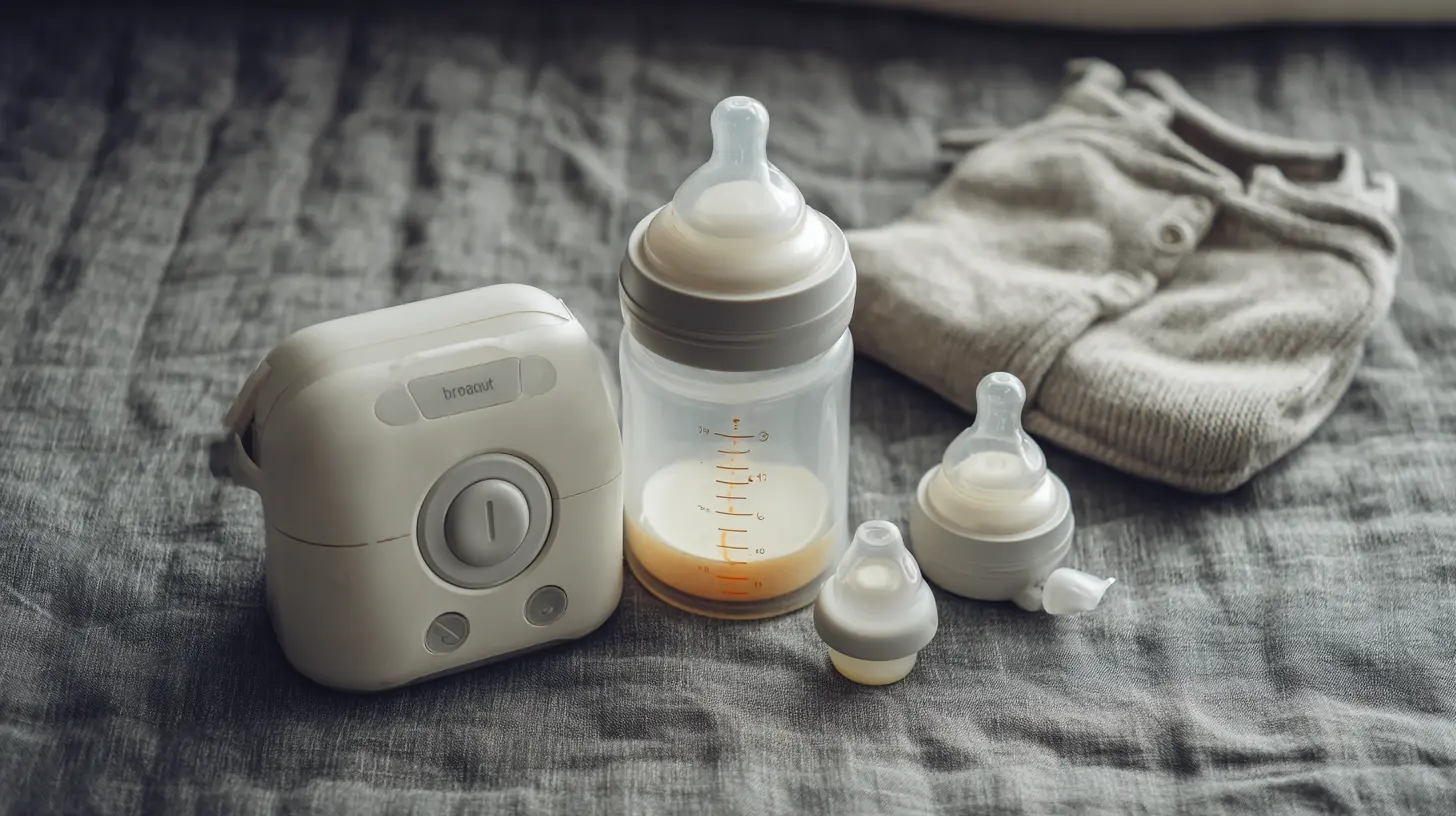
Why You Might Need a Breast Pump
Before we dive into the nitty-gritty, let’s quickly go over why a breast pump might be on your radar in the first place:- Returning to work and still want baby to get breast milk.
- Wanting to increase milk supply.
- Dealing with latch issues.
- Wanting a break (because, yes, you deserve one).
- Feeding multiples (double the babies, double the need for milk).
- Storing milk for later or emergencies.
Even if you’re exclusively breastfeeding now, trust me, things can change. And when they do, having a reliable pump can save the day.
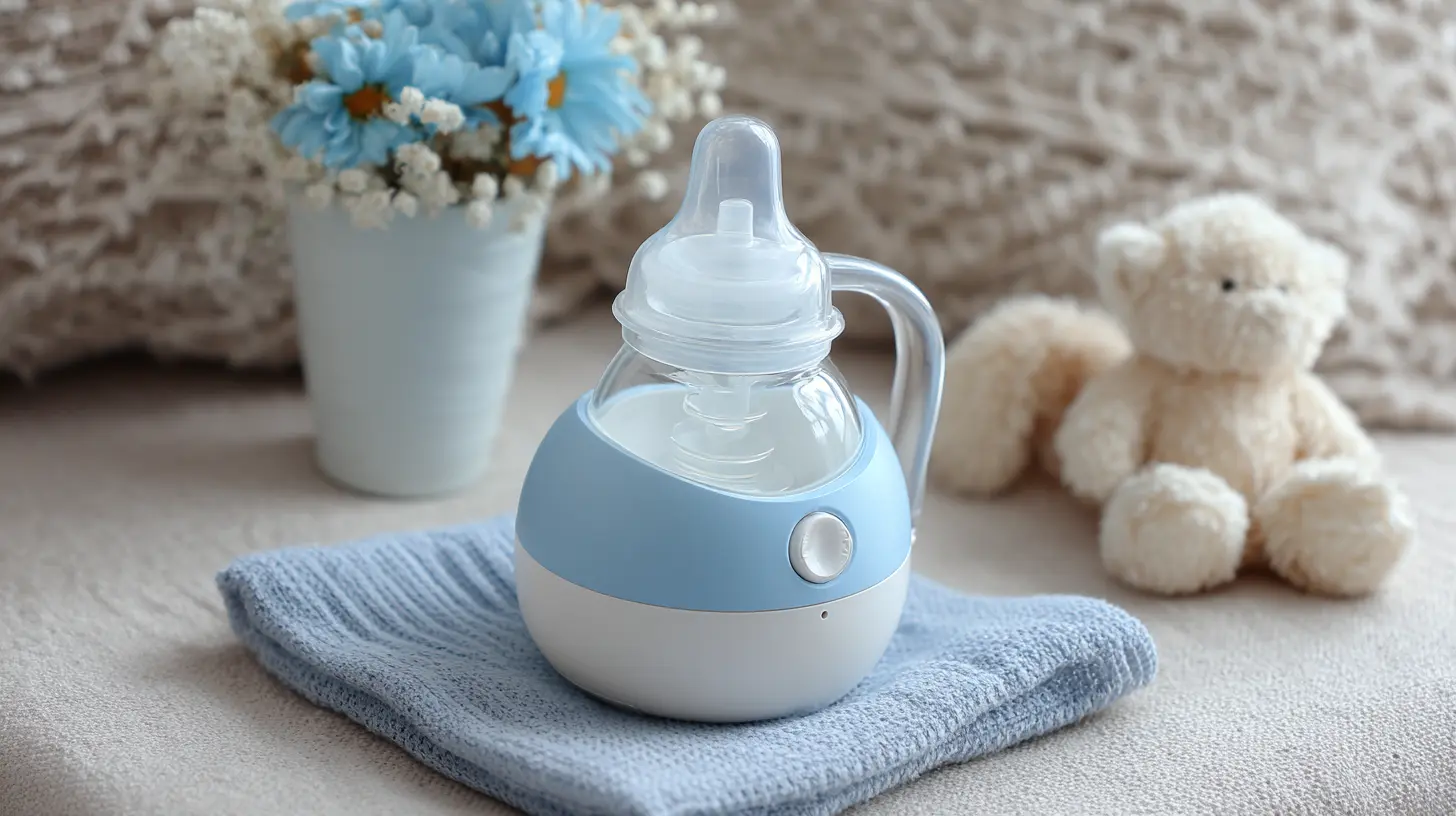
Types of Breast Pumps: What’s the Difference?
Shopping for a breast pump is a bit like shopping for a car. There are different models, different speeds, and yes, different price points. Here's a quick breakdown of the main types:1. Manual Breast Pumps
Think of these as the “old-school” but trusty version. You use your hand to squeeze and create suction. No cords, no sounds—just you and your manual labor.Pros:
- Lightweight and portable.
- Budget-friendly.
- Quiet (perfect for those late-night or on-the-go sessions).
Cons:
- Takes more effort.
- Slower pumping.
- Might be tiring for frequent use.
2. Electric Breast Pumps (Single or Double)
These are the most popular options. A motor does the work, meaning less hand-cramping for you.Pros:
- Efficient (especially double pumps).
- Settings to mimic baby’s natural sucking pattern.
- Great for frequent use.
Cons:
- Heavier and louder.
- Needs a power source (unless it has a battery option).
- Pricier.
3. Wearable Breast Pumps
These are the new kids on the block—and they’re a total game-changer. Think: hands-free pumping while doing laundry, cooking, or even having a Zoom meeting.Pros:
- Totally portable and discreet.
- Fits in your bra and collects milk quietly.
Cons:
- Can be expensive.
- May not offer as strong suction as hospital-grade options.
4. Hospital-Grade Pumps
The MVPs of the breast pump world. Designed for high-volume pumping and often used in NICUs or by moms with special circumstances.Pros:
- Strong suction.
- Great for building or maintaining supply.
Cons:
- Bulky and expensive.
- Usually rented instead of owned.
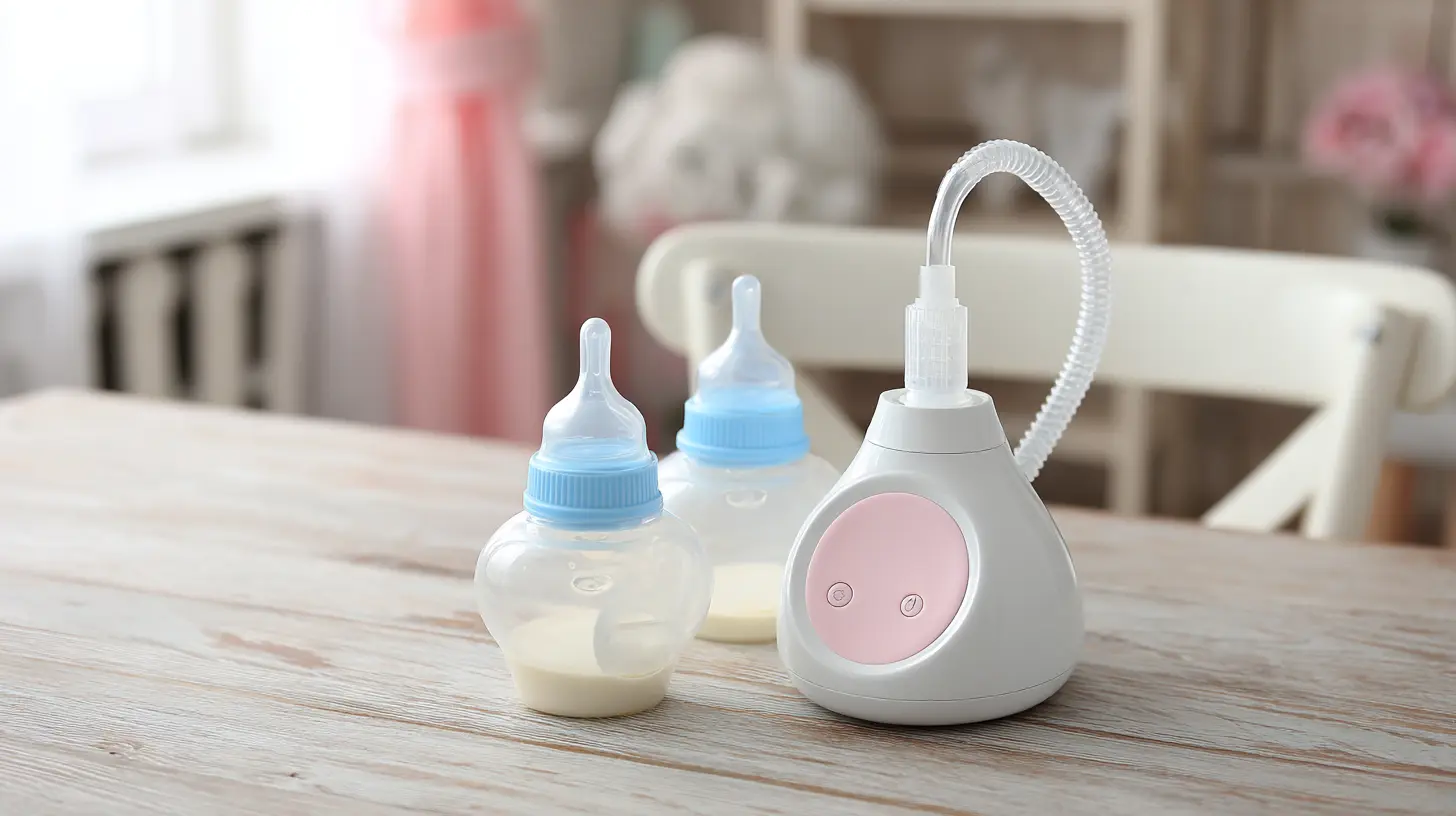
Key Features to Consider
Now that you know the types, let’s talk features. Because when it comes to breast pumps, the devil is definitely in the details.1. Suction Strength and Speed Settings
Imagine if your breast pump felt like a tiny vacuum cleaner—uncomfortable, right? That’s why adjustable suction and speed are SO important. You want the pump to mimic your baby’s natural rhythm. Start with a faster speed to stimulate let-down, then slow and stronger to express milk.2. Comfort of Flanges (Breast Shields)
Size matters—at least when it comes to flanges. Too small, and it feels like a pinch. Too big, and the suction won’t work well. Look for a pump that offers multiple sizes or lets you buy replacements.3. Portability and Power Options
Will you be pumping at work? In the car? During travel? A pump with battery options, a car adapter, or USB charging might be worth its weight in gold. Lightweight, compact designs are easier to toss in a diaper bag or backpack.4. Ease of Cleaning
Some pumps come with what feels like a million tiny pieces. Unless you’re a fan of dishwashing marathons, look for a model with fewer parts and dishwasher-safe accessories.5. Noise Level
Some pumps sound like a lawnmower. Others are whisper-quiet. If you’re pumping during meetings or while baby sleeps, quieter is better. Trust me, nothing says “awkward” like your co-worker asking, “What’s that sound?”6. Closed vs. Open System
In short: closed systems have a barrier between the milk and the motor, keeping things more hygienic. Open systems? Not so much. If sanitation matters (and it should), go with a closed system.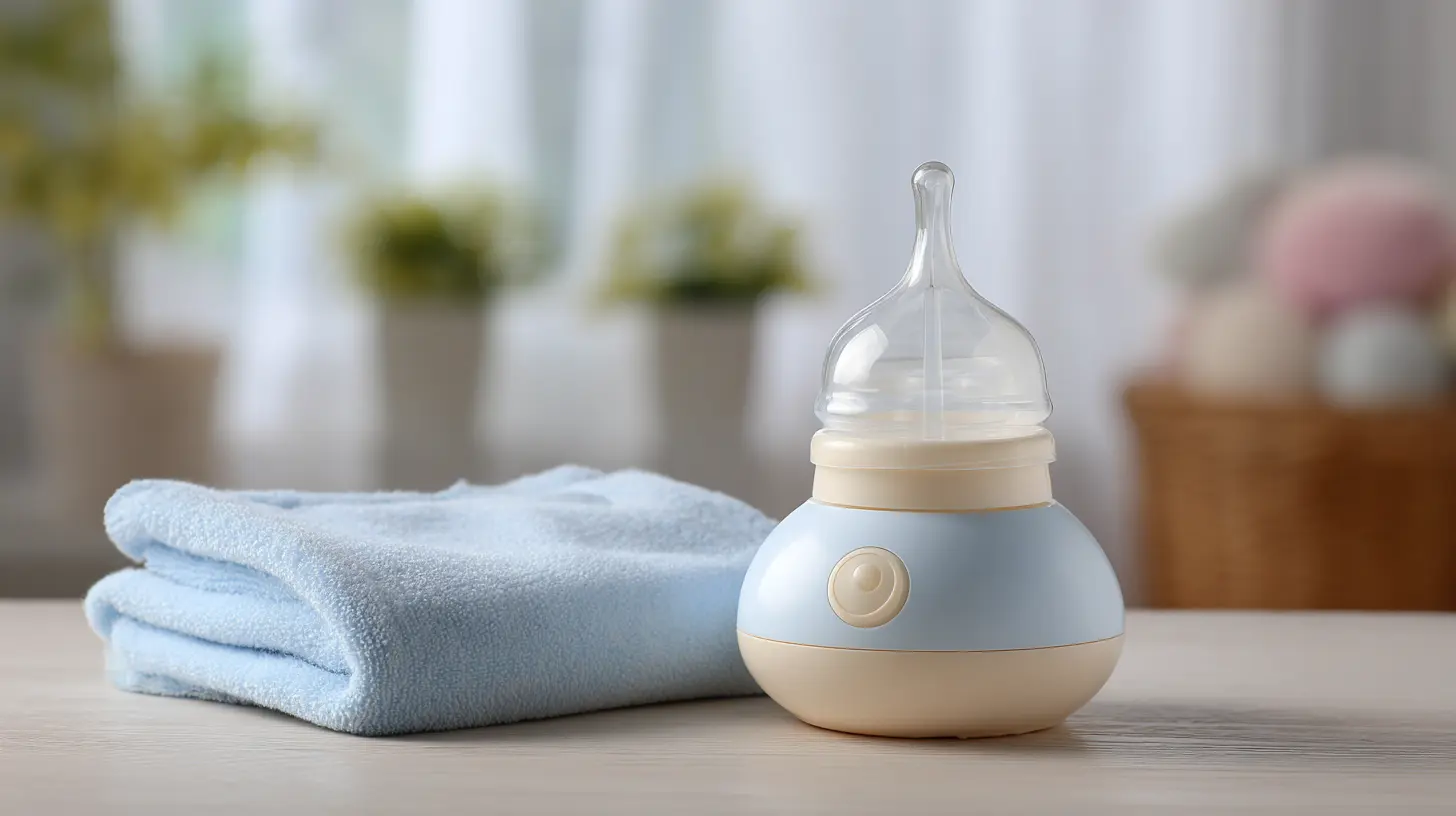
Budget Considerations: How Much Should You Spend?
Breast pumps aren’t exactly cheap—but they’re an investment in your sanity and your baby’s health.- Manual pumps: $20–$50
- Electric (single): $60–$150
- Electric (double): $150–$350
- Wearables & Smart Pumps: $250–$500+
- Hospital-grade (rental): $50–$100/month
Luckily, many insurance plans now cover breast pumps (thanks to the Affordable Care Act). It’s definitely worth calling your provider and asking what’s covered.
Questions to Ask Yourself Before Buying
Picture this: You're standing in the baby gear aisle (or scrolling at 2 a.m.), overwhelmed by pump options and reviews. What do you actually need to know before pulling the trigger?Here are some helpful questions to guide your decision:
- How often will I pump?
- Will I be pumping at home, work, or both?
- How important is portability?
- Do I need a quiet pump?
- How much time can I dedicate to pumping?
- Do I want to pump both breasts at once?
- Am I okay with cleaning multiple parts?
Real Talk: What Other Moms Wish They Knew
Learning from others is always helpful, right? Here’s a little wisdom straight from the trenches:> “I didn’t realize flange sizing mattered so much. Once I got the right size, pumping was way more comfortable—and I got more milk!”
> “I thought a manual pump was enough. It wasn’t once I went back to work. Wish I’d gone for a double electric from the start.”
> “Wearable pumps seemed like a splurge…until I spilled milk at work using my old one.”
> “Noise level didn’t seem important 'til I tried pumping during a Zoom meeting!”
Sometimes small features make a big difference. Always check reviews, ask for recommendations in parenting groups, and trust your gut.
Breastfeeding Goals Matter, Too
Before buying a pump, it’s super helpful to think about your breastfeeding journey goals. Are you planning to breastfeed exclusively? Mix breast and bottle? Combo feed with formula? Whatever your path, there’s a pump that can support it.And remember—plans can change. Maybe breastfeeding will come easily, or maybe it won't. A pump gives you flexibility either way.
Pro Tips for Making Pumping Easier
Once you’ve got your pump, here are a few tips to keep things smooth sailing:- Create a pumping station with everything you need: pump, storage bags, burp cloths, snacks, water—YES, snacks.
- Massage your breasts before pumping—it helps with milk flow.
- Don’t watch the bottles fill—the wait feels like an eternity. Distract yourself.
- Practice makes perfect. It might be awkward at first. That’s totally normal.
- Label and store milk properly. Date it, freeze it, and don’t cry over spilled ounces (though we all have).
Maintenance & Lifespan
Your breast pump isn’t a forever friend—it has a shelf life. Motors can wear out, valves need replacing, and tubing may get funky. Keep it clean, check parts regularly, and replace anything that looks worn or damaged.And if you plan to use the pump for multiple babies, double-check your model’s durability and warranty.
Final Thoughts: It’s All About Finding What Works for YOU
There’s no “one-size-fits-all” when it comes to breast pumps. What works for your sister-in-law or best friend might not suit your lifestyle or needs. Think about your daily routine, your baby’s needs, and your comfort above all else.Remember, the goal is to make your feeding journey as smooth and supported as possible. With the right breast pump, you can reclaim a bit of time, flexibility, and peace of mind in those chaotic early months.
And if the first pump doesn’t work out? That’s okay. You’re learning as you go—like all parents. You’ve got this.
all images in this post were generated using AI tools
Category:
Baby GearAuthor:

Noah Sawyer
Discussion
rate this article
2 comments
Zylith Potter
Choose a pump that fits your lifestyle and comfort.
May 14, 2026 at 3:29 AM
Noah Sawyer
Absolutely! Comfort and lifestyle are key. Finding the right pump makes a big difference.
Blake McAllister
Choosing a breast pump is like picking a new best friend-comfort is key! Look for one that's quiet, easy to clean, and has a good sense of humor. Remember, a happy parent makes for a happy baby, even during pump time!
May 5, 2026 at 2:27 AM
Noah Sawyer
Absolutely! Comfort is so important. A quiet, easy-to-clean pump can make all the difference during those moments. Happy parent, happy baby!