The Power of Play: How Playtime Encourages Creative Thinking
26 April 2026
We often see kids lost in their own worlds—building towering castles with blocks, turning cardboard boxes into spaceships, and inventing entire storylines with nothing more than a few plastic figures. It looks simple, even silly, to the adult eye. But here’s the truth: that “just playing” mindset is actually the foundation for some serious creative muscle-building.
Play isn’t just entertainment—it’s brain fuel. And when it comes to helping our kids think outside the box, take risks, explore freely, and develop original ideas, there’s hardly anything more powerful. So grab a coffee (or your third one today), and let’s unpack why playtime matters way more than we give it credit for.
What Is Creative Thinking Anyway?
Before we dive headfirst into the toy bin, let’s clear up what we mean when we talk about “creative thinking.”Creative thinking is the ability to look at problems or situations from a fresh perspective—thinking in new ways, coming up with original ideas, or solving problems others might find tricky. It’s what fuels innovation, drives curiosity, and helps your child navigate the world with confidence (and a good amount of imagination).
Now here’s the kicker: creative thinking isn’t just a talent you're born with—it's a skill. And like any skill, it needs practice. That’s where play comes in.
The Link Between Play and Creativity
Play is creativity in action. It’s unstructured, open-ended, and full of potential.Think of it as a gym session for your child’s brain.
When kids are given the space and freedom to play, especially in ways that aren’t micromanaged or overly structured, their brains go into high gear. They:
- Solve problems (“How do I build this tower higher without it toppling over?”)
- Express emotions ("This doll is sad because her friend moved away.")
- Tell stories ("This dinosaur was once a superhero…")
- Take risks and test boundaries—without real-world consequences
See where we’re going here?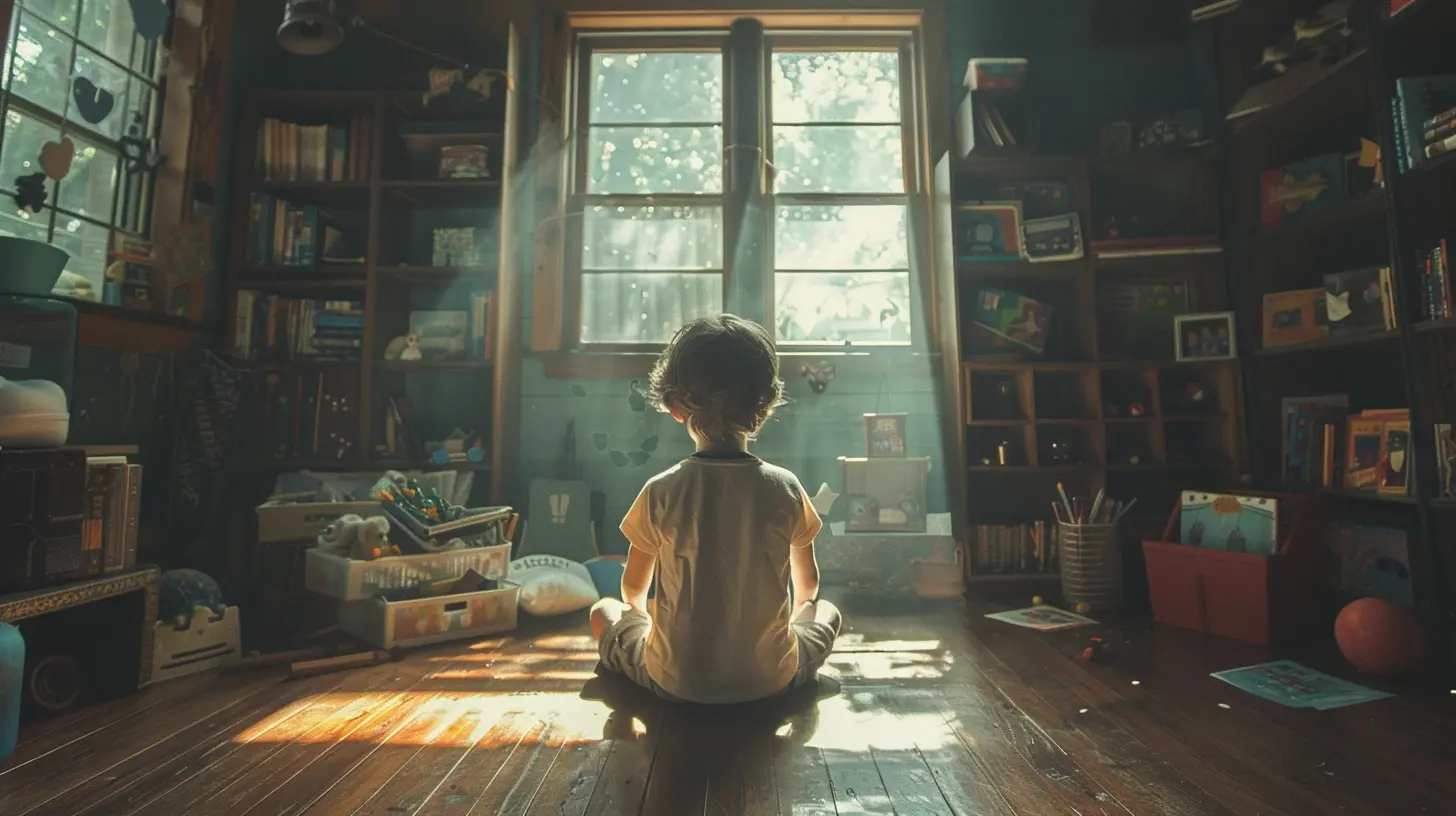
Types of Play That Boost Creative Thinking
Not all play is created equal. Some types pack more of a creative punch. Let’s break down a few that are especially great for sparking those imaginative fireworks.1. Imaginative Play (a.k.a. Pretend Play)
This is the superstar of creative development.When your child turns a blanket into a cape or a spoon into a microphone, they’re not just being cute—they’re engaging in symbolic thinking, storytelling, and role-playing. This kind of play encourages empathy, problem-solving, and flexible thinking.
It lays the groundwork for everything from writing stories to understanding multiple perspectives later in life.
2. Constructive Play
Building blocks, LEGO sets, sand castles—this is the kind of play where kids create something from scratch. There’s trial and error, critical thinking, and loads of imagination involved.They’re not just stacking things. They’re learning about structure, balance, symmetry, and planning. All while having fun.
3. Artistic Play
Give a child a marker and a blank sheet of paper, and boom—magic happens. Drawing, painting, sculpting, even random doodling taps into self-expression and original thought.Not every piece will be fridge-worthy (hello, purple stick-dog-human hybrid), but that’s not the point. It’s the process, not the product, that fosters creativity.
4. Outdoor and Physical Play
You might not think of running, jumping, and climbing as creative—but think again.Nature offers limitless possibilities for imaginative adventures. A pile of leaves becomes a treasure trove; a stick becomes a wizard's wand. Plus, movement engages different parts of the brain that are crucial for creative problem-solving.
So yes, that muddy, grass-stained, exhausted kid of yours is probably thinking more creatively than ever.
Why Unstructured Play Is Crucial
Let’s talk about rules.Rules have their place (tea parties don’t host themselves, after all). But too much structured play—think guided activities, scheduled sports, adult-led classes—can limit creativity if it’s all your child knows.
Unstructured play is where kids take the lead. They make the rules, change them, and toss them out if they don’t fit the game anymore. It’s unpredictable, often messy, but oh-so-important.
In these moments, kids:
- Make decisions on their own
- Experiment freely without fear of failure
- Explore their interests
- Develop resilience
They’re in charge—and that’s where the creative growth really takes off.
Screen Time vs. Play Time
Here’s the million-dollar question: do screens kill creativity?Well… yes and no.
Moderate screen time used for creative apps or storytelling can be helpful. But passive screen time (think hours of streaming shows or tapping endlessly on games) doesn’t give the brain a workout like real-world play does.
Try to balance the two. For every hour on a screen, aim for even more offline imaginative play. You’ll see the difference—guaranteed.
How Parents (Yes, You) Can Encourage Creative Play
Good news: you don’t need to be a Pinterest-perfect parent to encourage creativity. You just need to do a few simple things consistently.1. Leave Time For Boredom
Boredom isn’t the enemy; it’s the gateway to brilliance.When kids say, “I’m bored!”, don’t rush in with a solution. Give them space. Boredom forces the brain to dig deeper—and that’s when real imagination kicks in.
2. Offer Open-Ended Toys
Think blocks, dolls, animal figurines, art supplies, cardboard boxes.These are the MVPs of imaginative play. They don’t tell your child what to do—they give them the tools to invent their own scenarios.
3. Create a “Yes” Environment
Let your kids make a mess. Seriously. A little chaos (within reason) is part of the process. Paint on the table? Scattered puzzle pieces? That’s creative evidence right there.Say “yes” more often when they want to try something new—even if it’s weird, loud, or unconventional.
4. Join In—But Don’t Take Over
Play alongside your kids! Let them lead, and follow their cues. Ask questions, stay curious, and resist the urge to direct the play.Your presence tells them their ideas matter—which boosts confidence like nothing else.
Long-Term Benefits of Creative Play
Okay, so your kid is having fun. But what about the bigger picture?Turns out, creative play does way more than just keep them busy. It lays the groundwork for lifelong success.
Here’s what’s happening behind the curtain:
- Improved problem-solving: Kids learn to tackle challenges head-on and come up with new solutions.
- Emotional intelligence: Pretend play helps them identify and express feelings—both their own and others’.
- Better communication: Whether they’re narrating a game or explaining made-up rules, they’re practicing storytelling and language skills.
- Flexible thinking: They learn to adapt, shift gears, and approach situations from multiple angles.
All of these are skills they’ll carry into school, relationships, and eventually their careers. Think of it as prepping for future success—disguised as dress-up time.
When Kids Stop Playing: Why It Matters
Here’s something that might surprise you: by the time many kids are 10, their playtime starts dropping off dramatically. Homework, extracurriculars, and yes—those darn screens—start taking over.When play disappears, so does a big source of creative energy.
Encourage older kids to keep playing—even if it looks different. Maybe it’s writing fan fiction, making videos, building models, or crafting digital art. The form evolves, but the core stays the same: exploration, imagination, creation.
Final Thoughts
It might look like a tea party with stuffed animals, a crayon-covered kitchen table, or a wild backyard ninja mission—but it’s so much more than that.Play is creativity’s playground. It’s how kids test ideas, express themselves, and build brainpower that lasts a lifetime. So next time your child grabs a cardboard box and says it’s a spaceship, don’t just smile and nod.
Celebrate it. Join the mission to Mars. That’s where the magic is.
all images in this post were generated using AI tools
Category:
Encouraging CreativityAuthor:

Noah Sawyer
Discussion
rate this article
2 comments
Oscar Phelps
Absolutely loved this! Playtime truly is magic for little minds. It's amazing how a simple game can spark creativity and problem-solving skills. As parents, letting our kids explore and imagine opens up a world of possibilities. Here’s to more playful moments together!
April 29, 2026 at 4:45 AM
Noah Sawyer
Thank you! I'm glad you enjoyed it. Play really does unlock so much potential in kids. Here's to all the magical moments ahead!
Vanya Bailey
Playtime nurtures not just creativity, but connection and joy. Every moment spent playing is a gift.
April 28, 2026 at 3:58 AM
Noah Sawyer
I completely agree. Playtime truly fosters important connections while sparking creativity. It's a vital part of learning and growing.