The Power of Joint Problem-Solving in Building Family Unity
9 January 2026
Ever feel like your family is just surviving, rather than thriving together? Like everyone’s under the same roof but on completely different pages? You're not alone. Modern family life is a whirlwind—packed schedules, endless responsibilities, and the constant buzz of screens pulling us in a thousand directions.
But what if I told you there's a simple, powerful way to rewind the chaos and reconnect? Something that's been hiding in plain sight?
Welcome to the underestimated magic of joint problem-solving.
Yeah, I’m serious. Solving problems together isn't just about finding answers. It’s about building stronger bonds, creating trust, and turning everyday challenges into opportunities for growth and unity.
Let’s dig into how this works—and why it might just be the missing link your family’s been looking for.
What Is Joint Problem-Solving, Anyway?
Let’s break it down. Joint problem-solving isn't about Mom or Dad barking out solutions, and everyone else nodding (or eye-rolling) in silence. It’s about the entire family coming together, putting their heads (and hearts) in the same space, and finding solutions as a team.Imagine it like assembling a puzzle. Each family member holds different pieces. The solution only becomes whole when everyone contributes. Sounds simple, right? But it’s way more powerful than it seems.
Why Families Struggle Without It
Picture this: Your teenager’s grades are slipping. Instead of sitting together to figure out what’s wrong, there’s yelling, grounding, maybe even the silent treatment. Sound familiar?Now think about approaching the same issue with joint problem-solving:
- Sit down as a family.
- Ask questions, listen—not just talk.
- Consider the teenager's point of view.
- Brainstorm together. What would help? Less screen time? More support?
Here’s what happens when you skip joint approaches:
- Disconnection grows.
- Communication shuts down.
- Resentment festers.
But when families face issues together, it’s like building a bridge instead of watching the river widen between you.
The Psychology Behind Unity Through Solving Problems
Let’s get a bit nerdy for a sec.Psychologists talk about collaborative problem-solving as a super-charged way to build empathy and trust. Why? Because when people solve issues alongside others, they feel:
- Heard
- Valued
- Capable
This is especially true for kids and teens. When they're brought into the process, they don’t feel like bystanders in their own lives. They feel like contributors—key players in the team.
And here's the kicker: families that solve problems together tend to last longer and bounce back from stress more easily. That’s not just fluff—it’s science.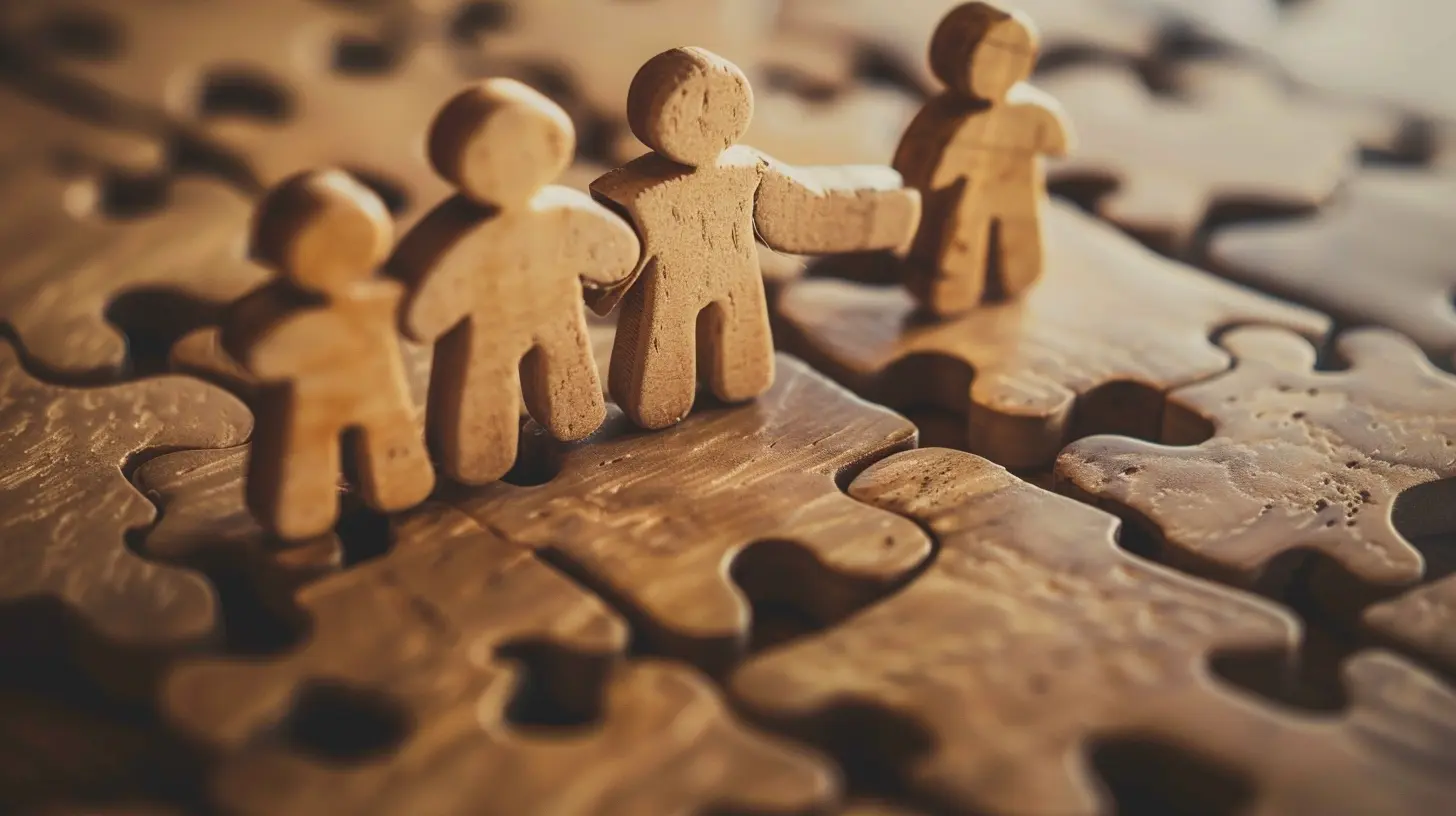
How Joint Problem-Solving Builds Trust (Without Even Trying)
Trust is the glue in any relationship, especially in families. Now, here’s where things get interesting. You don’t build trust by just saying “Trust me.” You build it by showing that you’re willing to listen, consider, and walk through tough stuff—together.Imagine your child sees you admit you don’t have all the answers—but you care enough to figure things out side-by-side. That’s huge. Vulnerability + collaboration = trust.
It teaches your kids something even more valuable than resolving problems: how to trust in connection.
Real-Life Example: The Chore Chaos
Let’s say you’ve got a full-blown war over who’s doing which chores. One kid swears it’s “unfair.” Another dodges every task. You’re this close to enforcing a dictatorship. But instead, you say:“Alright team, let’s figure this out together. What’s working? What’s not? How do we split things so everyone feels it’s fair?”
At first, there might be silence… maybe even eye rolls. But don’t give up.
Sooner than later, someone will speak up. Ideas will start flowing. Maybe you rearrange duties or rotate them weekly.
Suddenly, the conflict turns into a collaborative mission. And even better? The buy-in is real because everyone had a hand in creating the plan.
How to Kickstart Joint Problem-Solving at Home
Okay, so how do you start this magical family transformation? Good news: You don’t need a PhD or fancy scripts. Just follow a few golden rules.1. Set the Tone
Ditch the blame game. Create a safe space. Be the thermostat, not the thermometer—set a calm vibe, regardless of how hot things feel.2. Invite Opinions
Ask open-ended questions like:- “What do you think would help?”
- “How does this feel to you?”
- “What could we try differently?”
Even young kids have wisdom when you give them space to share it.
3. Brainstorm Together
This isn’t about perfect answers. It’s about piling up ideas without judgment. Get silly if you need to—creativity often leads to unexpected, brilliant solutions.4. Choose Solutions as a Team
Pick something that at least most people can agree on. Don’t steamroll. Let it be a group choice. When everyone signs off, the commitment goes way up.5. Check In and Tweak
It’s not a one-and-done deal. Revisit the solution. Ask: “How’s this working?” Adjust as needed. Flexibility shows that the process—and the people in it—matter.The Ripple Effects Are Bigger Than You Think
What starts as figuring out who takes out the trash can lead to massive shifts in how your family functions.Tighter Bonds
Solving problems together builds emotional muscle. You learn each other’s quirks, strengths, and sensitivities.Better Communication
You actually start hearing each other. The “us vs. them” mentality disappears. Everyone feels safe to speak.Confidence Boosts (For Everyone)
Kids feel empowered. Parents feel less alone. Everyone realizes their voice matters.Healthier Conflict Resolution
Guess what? Problems don’t magically go away. But you stop fearing them. You start trusting that together, you’ll figure it out.When Joint Problem-Solving Gets Tricky
Let’s be real—it's not always sunshine and high-fives. Sometimes emotions run hot. Sometimes people dig in their heels.Here’s your cheat code:
- Pause, don’t push. Big emotions? Take a timeout. Come back when cooler heads can prevail.
- Focus on the goal, not the ego. It’s not about being right; it’s about finding what works.
- Keep modeling. Even if others aren’t jumping in, show what collaboration looks like. It’s contagious.
What If No One Wants to Participate?
Ah, the million-dollar question.Start small. Instead of tackling huge issues like curfews or device limits, pick a little challenge. Something non-threatening. Like planning a weekend activity or choosing what’s for dinner.
Make it fun. Keep the stakes low. Build momentum.
And hey, if they resist? Keep inviting. Keep showing up. Over time, they’ll see the difference: problems don’t feel as heavy when they’re shared. That trust grows inch by inch.
This Isn’t Just About Parenting—It’s About Legacy
Let’s zoom out for a second.When you teach your family to solve problems together, you’re not just fixing today’s messes. You’re teaching your kids how to navigate life. How to show up in relationships. How to face stress without crumbling or blaming.
You're planting seeds that’ll grow long after your kids have their own homes, jobs, and families.
And maybe, just maybe, when they hit a bump in the road, they’ll gather their people together, sit down, and say, “Alright, let’s figure this out together.”
That’s legacy.
Final Thoughts: Stronger Families Aren’t Found—They’re Built
Listen, every family hits rough patches. There’s no blueprint or magic potion. But joint problem-solving? That’s as close to magic as it gets.It won’t always be easy. But it will always be worth it.
Because unity isn’t about being perfect—it’s about choosing each other, again and again, even when it’s tough. Especially when it’s tough.
So next time a problem bubbles up, don’t panic. Pull up a chair. Invite everyone in.
And get ready to build something unbreakable—together.
all images in this post were generated using AI tools
Category:
Family BondingAuthor:

Noah Sawyer
Discussion
rate this article
2 comments
Melody McCollum
Collaboration fosters resilience and deeper bonds.
January 23, 2026 at 4:58 PM
Noah Sawyer
Absolutely! Collaboration not only strengthens relationships but also enhances our ability to tackle challenges together.
Preston Marks
What a wonderful reminder of the strength found in collaboration! Joint problem-solving not only empowers our children but also fosters deeper connections within the family. Embracing this approach can make everyday challenges an opportunity for unity and growth. Thank you for sharing these valuable insights!
January 9, 2026 at 5:45 AM
Noah Sawyer
Thank you for your thoughtful comment! I completely agree—collaboration truly strengthens family bonds and transforms challenges into growth opportunities.