The Joy of Getting Your Kid to Eat Vegetables Without a Fight
9 November 2026
Getting kids to eat vegetables can feel like a monumental challenge for many parents. The sight of a child pushing peas around their plate or grimacing at broccoli is all too familiar. However, with the right approach, you can turn this struggle into a positive experience for both you and your child. This article will delve into effective strategies, practical advice, and insights that can help create a more harmonious mealtime environment.
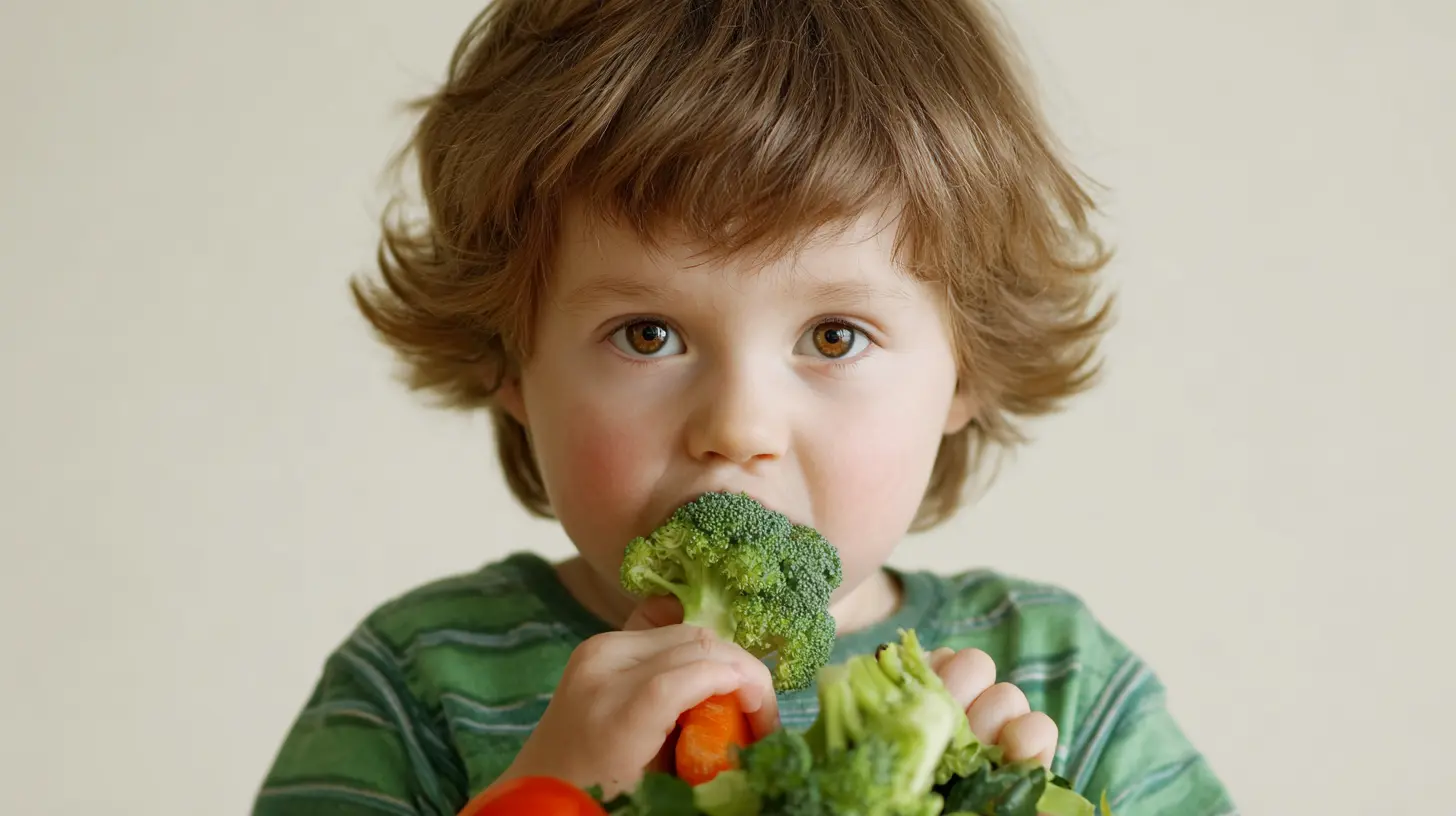
Understanding the Resistance
The Nature of Picky Eating
Picky eating is a common phase in childhood. Children are naturally inclined to be cautious about new foods due to evolutionary reasons. This wariness protects them from potential dangers. Understanding this instinct can help parents approach the situation with empathy and patience.The Role of Taste Buds
Children's taste buds are more sensitive than those of adults. This heightened sensitivity means that they may find certain vegetables bitter or overwhelming. It is essential to recognize that their aversion to vegetables is often not a matter of choice but rather a biological response.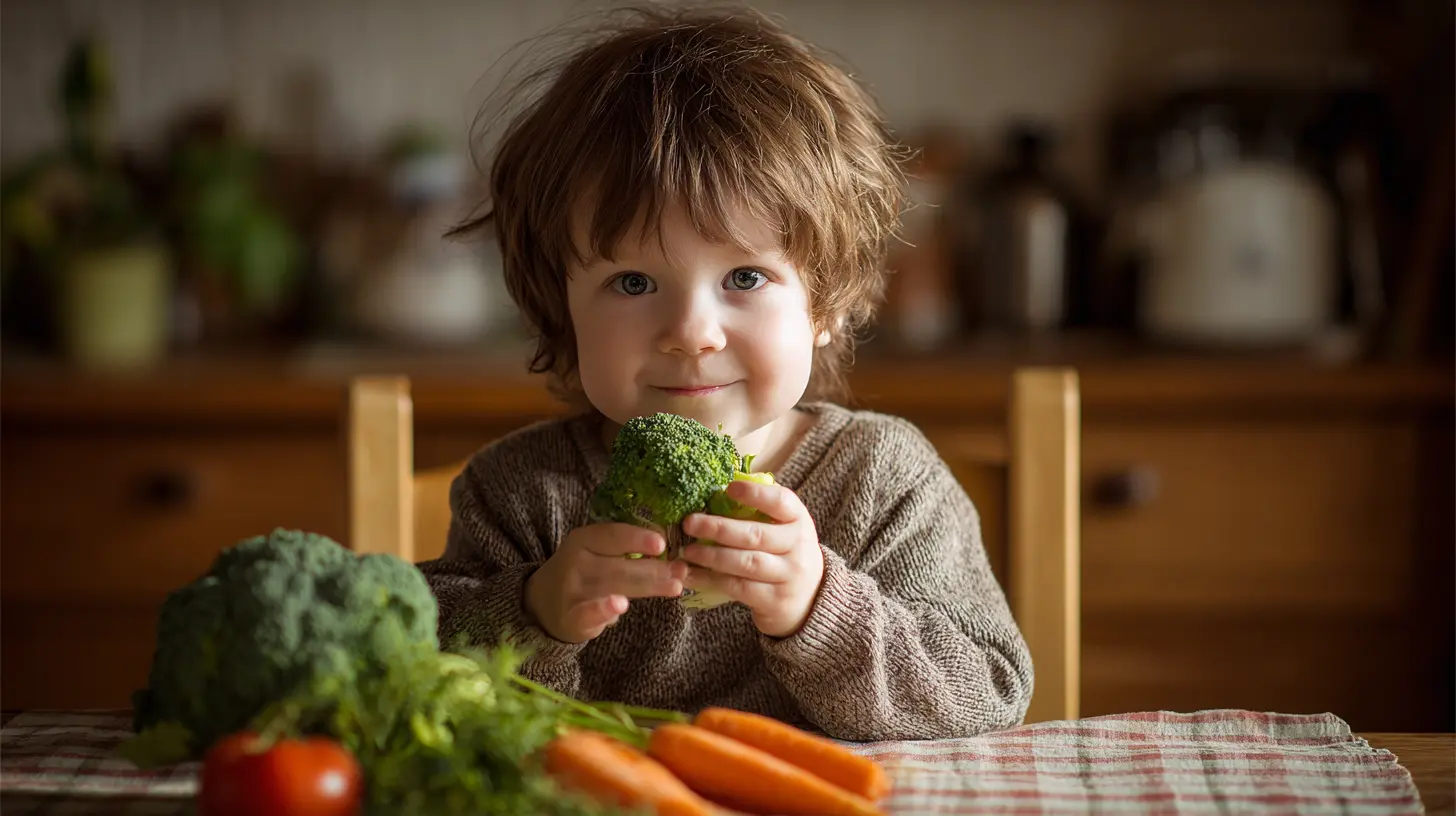
Strategies for Success
1. Lead by Example
Children are keen observers. When parents model healthy eating habits, children are more likely to adopt similar behaviors. If they see you enjoying a variety of vegetables, they may become more curious and willing to try them.Practical Tip: Share your excitement about vegetables. Talk about their colors, textures, and flavors while you eat. Your enthusiasm can be contagious.
2. Make Vegetables Fun
Incorporating playfulness into mealtime can be a game changer. Fun shapes, colorful presentations, and creative names can make vegetables more appealing.Real-World Example: Use cookie cutters to create fun shapes from cucumbers or bell peppers. Presenting food in a way that sparks curiosity can encourage children to try new things.
3. Involve Kids in Cooking
When children participate in meal preparation, they develop a sense of ownership over what they eat. This involvement can increase their willingness to taste the dishes they helped create.Best Practice: Allow your child to wash, peel, or mix vegetables. Even simple tasks can make them feel like they are part of the process.
4. Offer Choices
Empower your child by giving them options. Instead of insisting they eat spinach, ask if they would prefer carrots or green beans. This approach fosters autonomy and reduces resistance.Comparison: Offering choices is more effective than demanding specific foods. It allows children to feel in control, which can lead to a more positive experience.
5. Use Dips and Sauces
Many kids are more inclined to eat vegetables when they are paired with a tasty dip. Hummus, yogurt-based dressings, or even a simple ranch can enhance the appeal of raw veggies.Common Mistake: Avoid using dips that are heavily processed or high in sugar. Opt for healthier options that complement the vegetables without overshadowing their natural flavors.
Gradual Exposure
The Power of Repetition
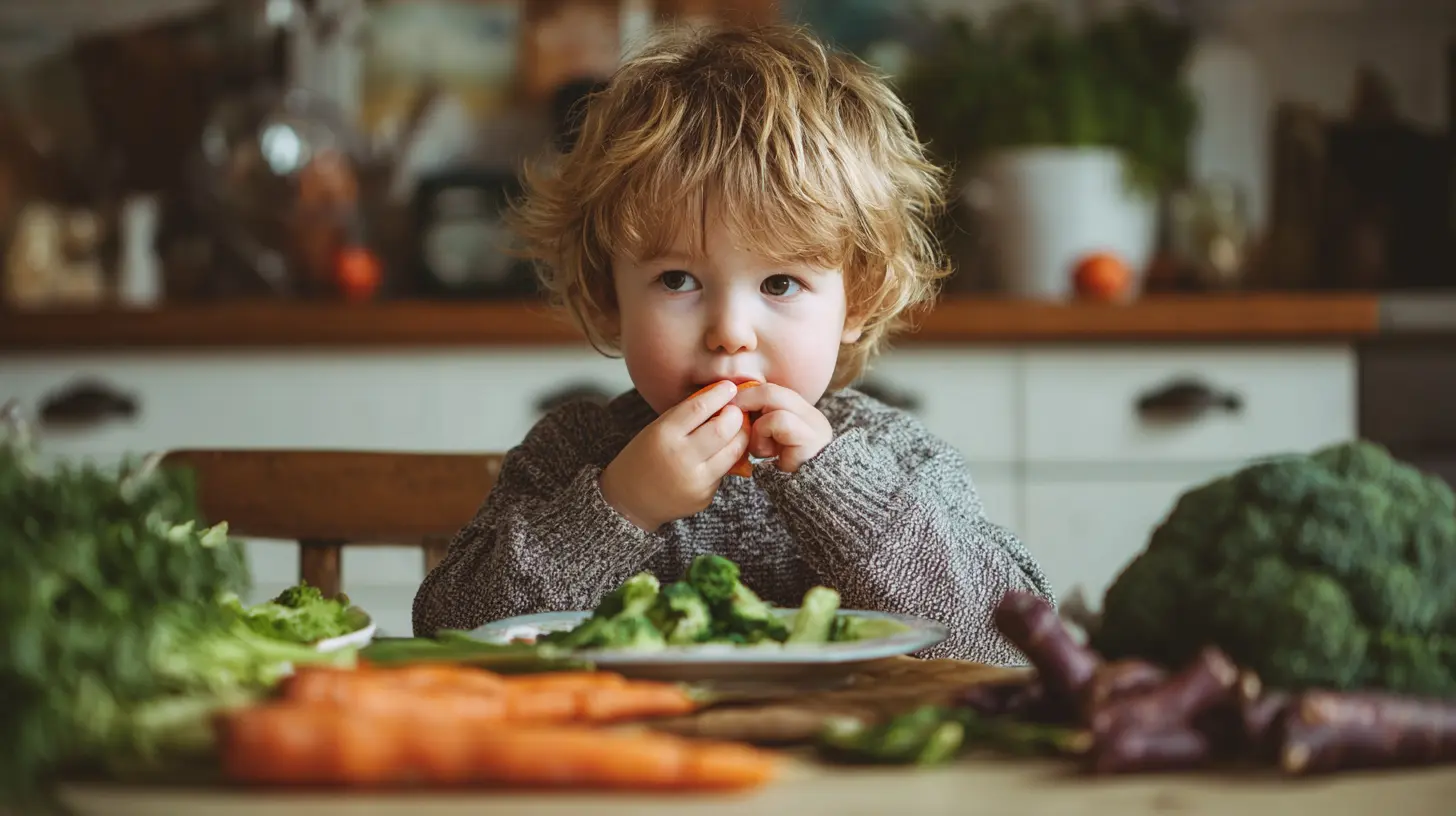
Research suggests that repeated exposure to a food can increase acceptance. It may take several introductions before a child is willing to try a vegetable without hesitation.Practical Advice: Serve a new vegetable alongside familiar favorites. This strategy can make the new food less intimidating.
Tackle Textural Preferences
Some children may reject vegetables based on texture rather than taste. If your child dislikes raw carrots, try steaming them or incorporating them into soups.Nuanced Explanation: Texture can significantly impact a child's willingness to try foods. Experimenting with different cooking methods can help you find a preparation style that they enjoy.
Addressing Common Misconceptions
"If They're Hungry, They'll Eat"
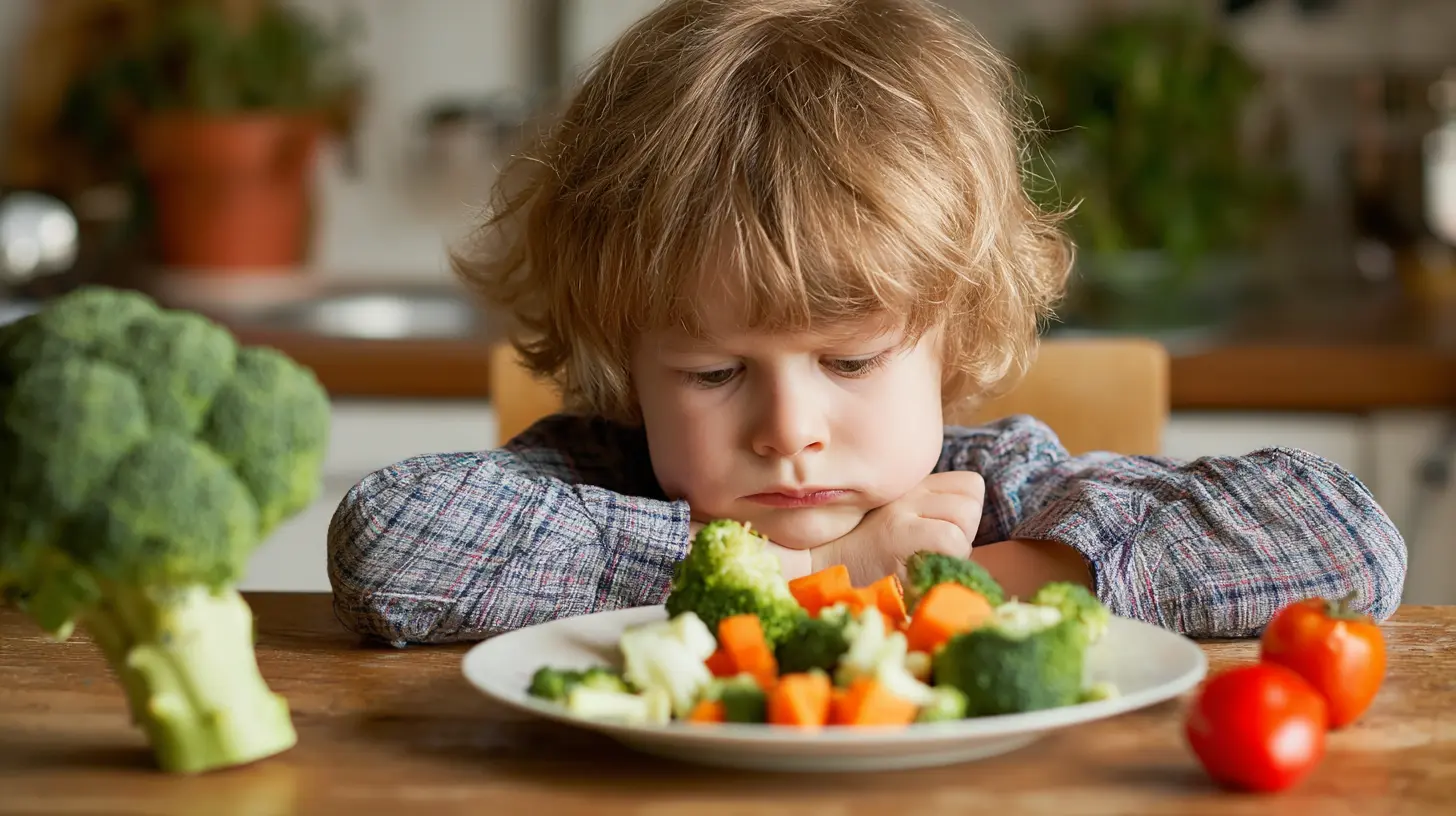
While it may seem logical that hunger will lead to vegetable consumption, this approach can backfire. Forcing kids to eat when they are not ready can create negative associations with mealtime.Balanced Viewpoint: Instead, focus on creating a positive mealtime atmosphere. Encourage exploration without pressure.
"All Vegetables Are Created Equal"
Not all vegetables have the same appeal. Some may be more palatable to children than others. Understanding which vegetables are generally more accepted can help you make informed choices.Expert Analysis: Leafy greens like spinach can be milder than cruciferous vegetables like Brussels sprouts. Start with vegetables that have a sweeter flavor profile, such as carrots or bell peppers, before introducing stronger-tasting options.
The Importance of Patience
Building a Positive Relationship with Food
Encouraging children to eat vegetables is not just about nutrition; it is also about fostering a healthy relationship with food. Patience is key.Practical Insight: Celebrate small victories. If your child tries a new vegetable, praise their effort regardless of whether they liked it. This positive reinforcement can encourage them to keep trying.
Allowing Room for Mistakes
Children will not always enjoy every vegetable, and that is perfectly okay. Allowing them to express their dislikes without judgment can help them feel more comfortable during mealtime.Trade-Offs: While it may be tempting to insist on finishing vegetables, consider the long-term goal of fostering a positive eating experience over immediate compliance.
Creative Meal Ideas
Smoothies and Soups
Incorporating vegetables into smoothies or soups can be an effective way to sneak in nutrients without the child realizing it.Example: A banana-spinach smoothie can mask the taste of spinach while providing a nutritious boost. Soups can be blended to create a smooth texture, making vegetables less intimidating.
Veggie Pizza
Pizza is a favorite for many children. Topping a homemade or store-bought pizza with a variety of vegetables can make them more appealing.Actionable Recommendation: Let your child choose their toppings. This way, they can feel involved and excited about eating their creation.
Vegetable Muffins
Baking can be a fun activity that also sneaks in vegetables. Consider making muffins with grated zucchini or carrots.Expert Tip: Use whole grains and natural sweeteners to enhance the nutritional value while keeping them tasty.
Conclusion
Getting your child to eat vegetables without a fight is a journey that requires creativity, patience, and understanding. By implementing these strategies, you can create a more positive mealtime experience that encourages healthy eating habits. Remember that every child is unique, and what works for one may not work for another. Stay flexible, maintain a positive attitude, and celebrate small successes along the way. With time and persistence, you can foster a love for vegetables in your child that lasts a lifetime.
all images in this post were generated using AI tools
Category:
Parenting WinsAuthor:

Noah Sawyer