The Importance of Play in Child Development
4 January 2026
When we think about childhood, the first thing that pops into mind is play. Kids running around, building sandcastles, playing dress-up, or getting lost in imaginary worlds—it’s all part of what makes being a child such a magical time. But guess what? Play isn’t just fun and games. It’s actually one of the most essential components of healthy child development.
In our busy, structured world, play often gets pushed to the sidelines in favor of academics, screen time, or organized activities. However, understanding the importance of play in child development can help parents and caregivers strike the right balance and nurture their children's growth in holistic, powerful ways.
So, let’s jump into why letting your kids just "play" could be the best thing you ever do for them.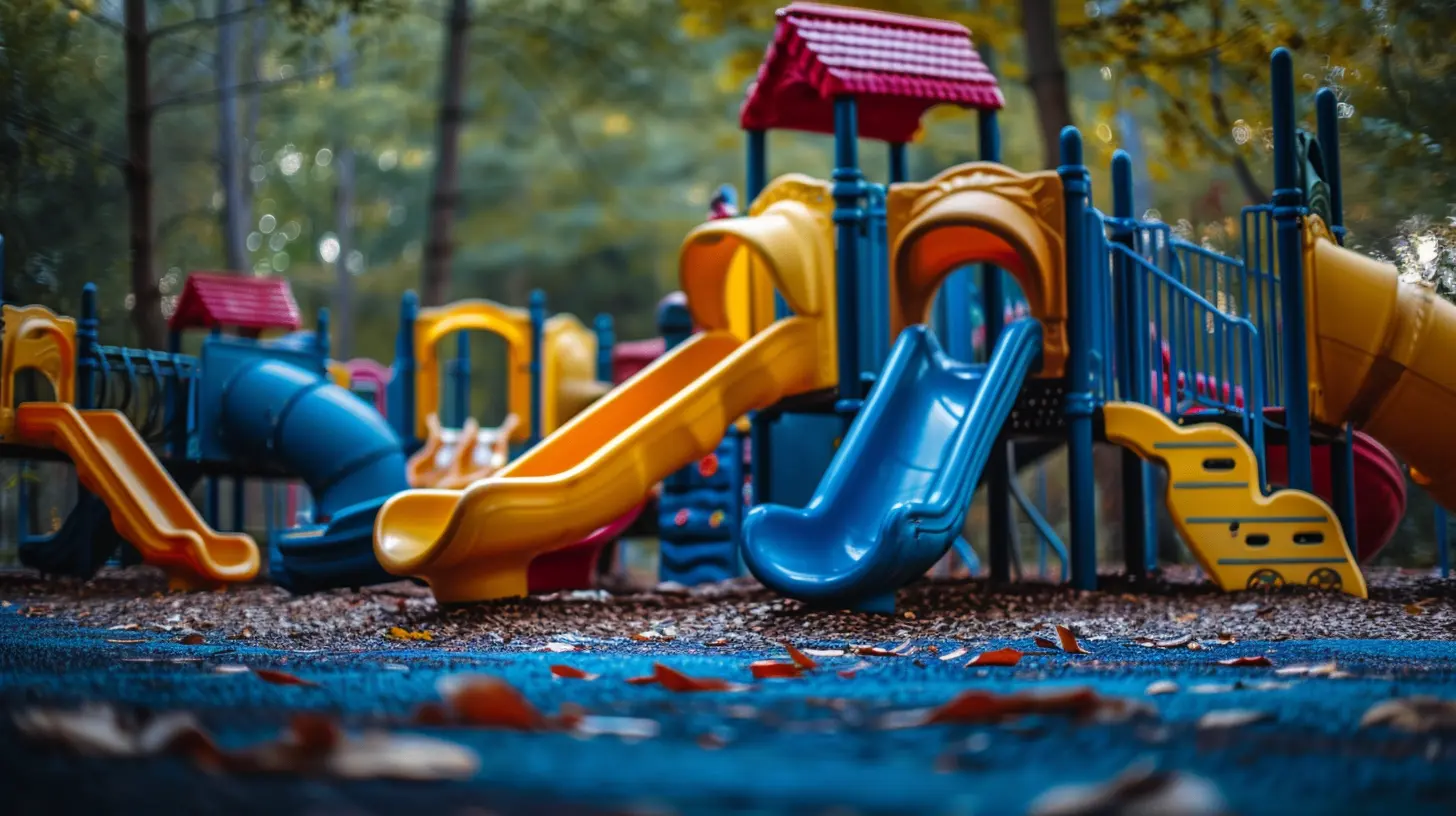
What Exactly Is Play?
Before we dive into the benefits, let’s clear something up. When we talk about play, we’re not just referring to fancy toys or expensive gadgets. Play is anything your child engages in voluntarily, where the process is more important than the outcome.It could be:
- Imaginative games with action figures
- Building with blocks
- Pretending to be a superhero
- Drawing with crayons
- Making music with pots and pans
Play is spontaneous, creative, and driven by the child’s own curiosity. There’s no right or wrong way to do it, and that’s exactly where its magic lies.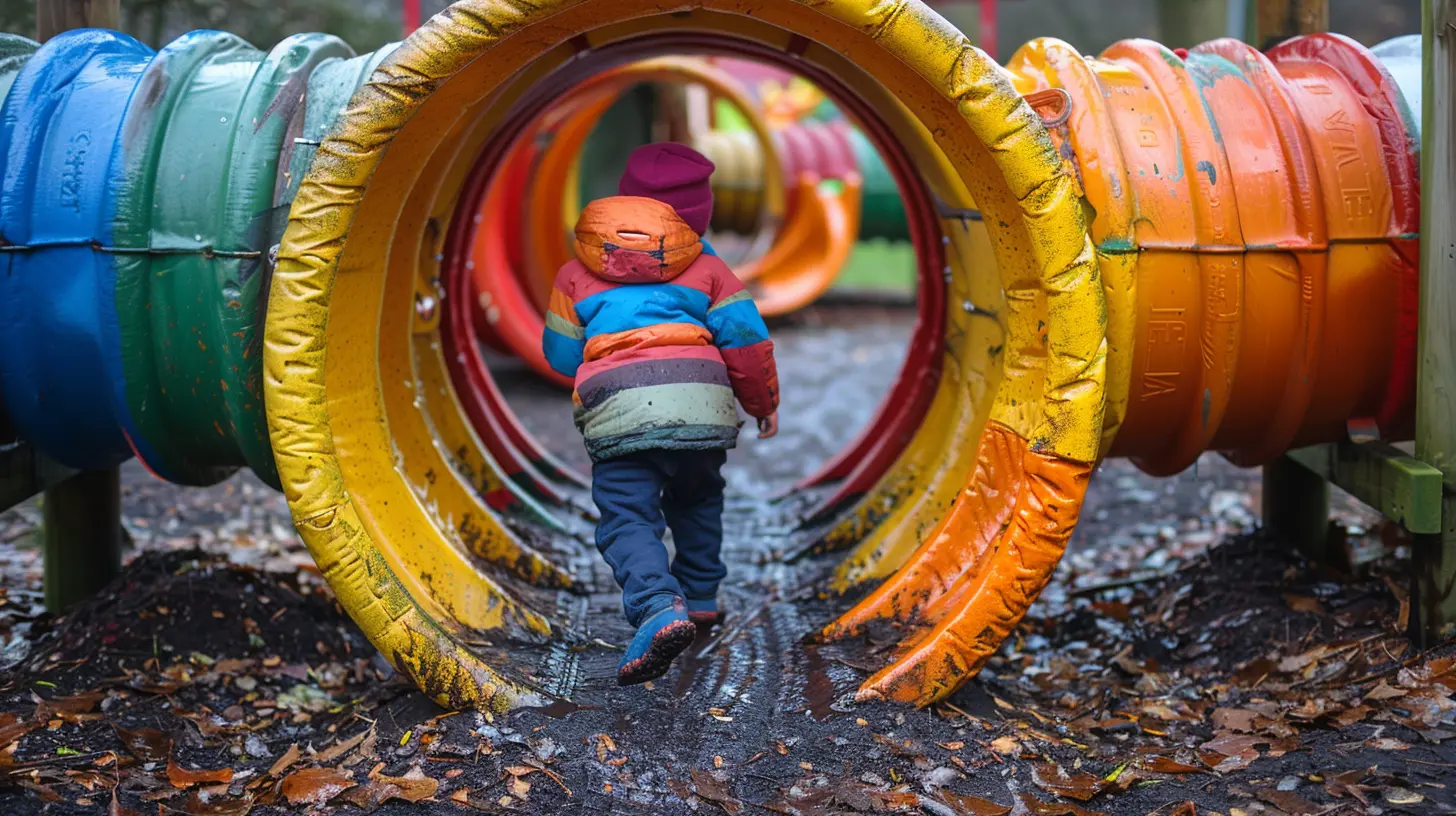
Why Is Play So Crucial for Kids?
Let’s put it this way: play is to a child what work is to an adult. It’s how they explore the world, experiment with ideas, practice skills, and build relationships. Through play, kids not only entertain themselves but also develop in ways that shape their future.Let’s break it down a bit more.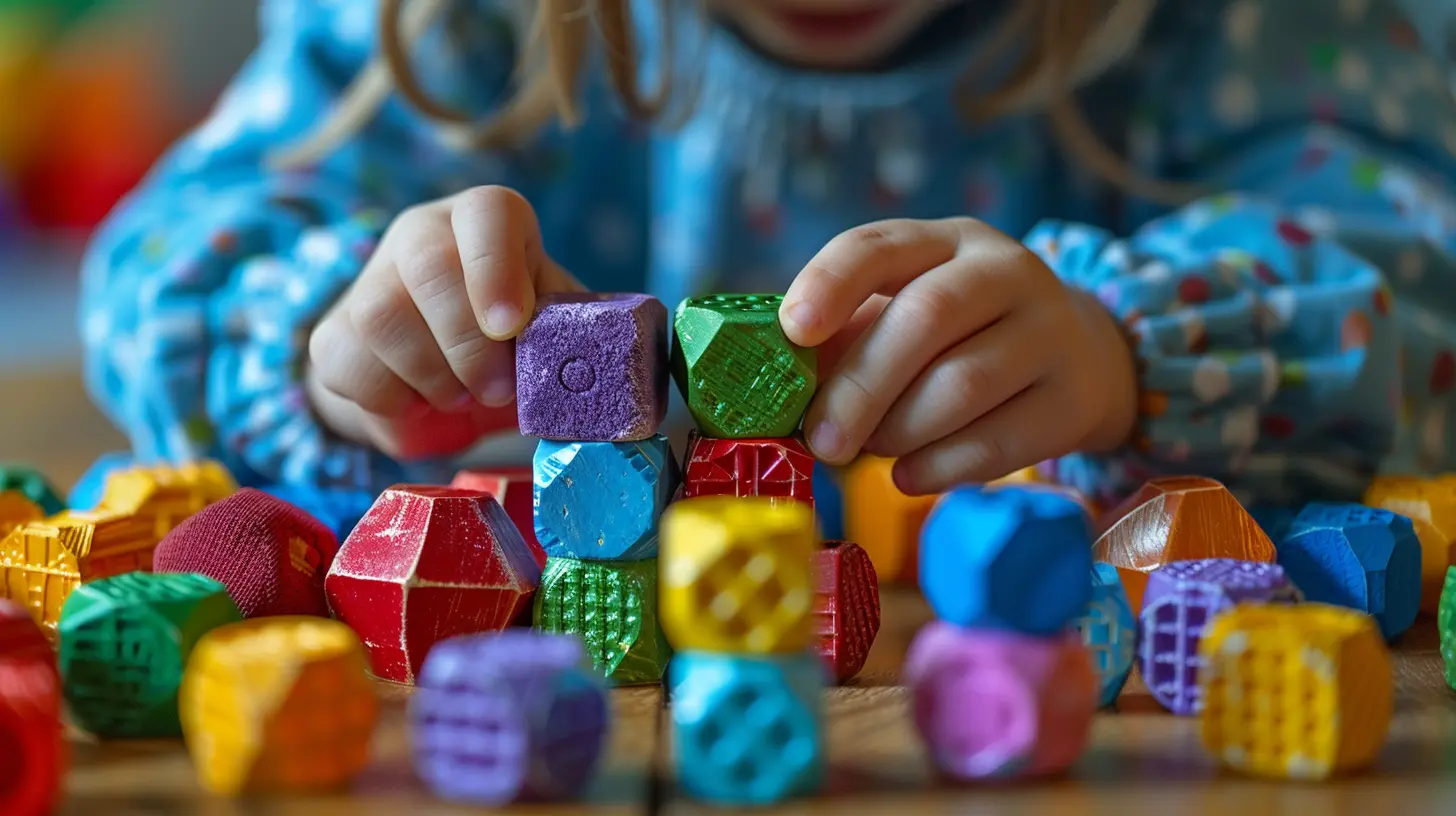
1. Cognitive Development: Building Brain Power
Ever watched a toddler stack blocks, knock them down, then yell “uh-oh!” with glee? That cute little moment is actually a brain workout in disguise.Play helps children:
- Solve problems (How do I keep this tower from falling?)
- Understand cause and effect (What happens when I push this?)
- Practice memory and concentration
- Strengthen decision-making skills
Puzzles, memory games, pretend play, and even basic games of “peek-a-boo” challenge young minds in ways that promote logical thinking and cognitive flexibility.
Think of it like this: when your child is playing, it’s like their brain is at the gym, lifting mental weights.
2. Physical Development: Moving Their Bodies, Growing Their Skills
Running, jumping, climbing trees—this kind of active play isn't just about burning energy (though that’s a definite plus). It helps kids strengthen their muscles, improve coordination, and develop motor skills.Here are some types of play that fuel physical development:
- Outdoor play (riding bikes, playing tag)
- Fine motor play (drawing, threading beads, using scissors)
- Sensory play (splashing in water, digging in sand)
These movements help wire the brain for better hand-eye coordination, spatial awareness, and even handwriting readiness.
Not to mention, it helps with sleep. (And what parent doesn’t love a kid who sleeps well?)
3. Emotional Development: Mastering Feelings Through Fun
Kids have big emotions, and sometimes they don’t know what to do with them. Play offers a safe space to act out feelings, test boundaries, and build emotional resilience.For example:
- A child pretending their doll is angry helps them explore that same emotion within themselves.
- Playing house or superheroes lets them act out power dynamics or resolve conflicts in a healthy way.
Through play, kids:
- Learn self-regulation
- Develop empathy
- Identify and express emotions
- Build confidence
Have you ever seen a shy child light up when they're playing with a friend or leading a game? That’s emotional growth happening in real time.
4. Social Development: Learning to Get Along
Let’s be real—sharing is hard. Playing with others teaches kids how to navigate relationships. They begin to understand compromise, teamwork, and communication.Whether they’re building a fort or negotiating rules in a made-up game, they’re developing:
- Listening and speaking skills
- Cooperation and turn-taking
- Conflict resolution
- Respect for others’ ideas
Social play is like a rehearsal for the real-world situations they’ll encounter later in school, work, and life.
5. Language Development: Words Come to Life
Ever listen to a 4-year-old’s pretend phone conversation? It’s gold—and it’s language development in action.When kids play, especially pretend play, they:
- Experiment with new words
- Practice sentence structure
- Engage in back-and-forth dialogue
- Mimic the way adults talk and communicate
Games that involve storytelling or role-playing are particularly helpful in sharpening both expressive and receptive language skills.
6. Creative Development: Nurturing the Imagination
In a world that increasingly values innovation and out-of-the-box thinking, nurturing creativity from a young age is more important than ever—and play provides the perfect breeding ground.Creative play allows children to:
- Use everyday objects in unexpected ways (think: a box becomes a spaceship!)
- Tell their own stories
- Solve problems in innovative ways
- Appreciate open-ended thinking
Whether they’re painting a picture, inventing a character, or crafting a fairy tale adventure, they're flexing those creative muscles.
What Happens Without Enough Play?
Let’s not sugarcoat it—if kids don’t get time to play, they miss out on formative experiences. Overstructured schedules, excessive screen time, or pressure to perform academically can lead to:- Increased stress and anxiety
- Delayed social and emotional skills
- Lack of creativity and motivation
- Poor physical health
It’s like trying to grow a plant without sunlight. Kids need play to thrive—not just mentally, but emotionally and physically too.
How Can Parents Encourage Healthy Play?
The good news is, supporting your child’s play doesn't mean resigning yourself to a life filled with glitter everywhere. Here are some practical ways to foster healthy play at home:1. Make Time for Unstructured Play
Give your child time each day when they can play whatever they want, however they want. No rules, no goals—just play.2. Offer Open-Ended Toys
Things like blocks, dress-up clothes, dolls, or art supplies give children the freedom to use their imagination.3. Join In (When Invited!)
You don’t have to run the show, but show interest in their play. Ask questions, follow their lead, and be part of their world.4. Limit Screen Time
Digital play isn't all bad, but it shouldn't replace hands-on, interactive play that engages the whole body and brain.5. Create a Play-Friendly Space
Make sure your child has a safe, accessible area where they can explore, be messy, and just be a kid.The Role of Different Types of Play
To really drive home the importance of play in child development, let’s look at a few different kinds of play and what they offer.1. Solitary Play
This is when kids play alone. It fosters independence, focus, and creativity.2. Parallel Play
Toddlers often play side by side without directly interacting. This kind of play helps them get comfortable around others.3. Associative and Cooperative Play
These are forms of play that involve interaction—sharing ideas, dividing roles, solving group problems. They build essential social skills.4. Pretend (Imaginative) Play
This type unlocks emotional expression, language development, and creativity.5. Physical Play
Tag, sports, dancing—all of it contributes to overall health and well-being.Wrapping It Up: Play Is Serious Business
So, the next time you see your child lost in their own little world, building a tower out of pillows or hosting a tea party for their stuffed animals—celebrate it. That’s not wasting time. That’s growing, learning, and thriving.Play is the foundation of lifelong learning. It boosts brain power, builds relationships, shapes emotions, and fuels imagination. In a world that often moves too fast, play helps kids slow down and soak it all in.
So let them play. Join them when you can. And trust that in those playful moments, some of the most important work is being done.
all images in this post were generated using AI tools
Category:
MotherhoodAuthor:

Noah Sawyer
Discussion
rate this article
2 comments
Zephyrwind Jennings
Thank you for this insightful article! It’s a wonderful reminder of how essential play is for our children's growth and development. Encouraging creative play can truly foster their imagination and social skills. Great read!
January 8, 2026 at 3:23 PM
Noah Sawyer
Thank you for your kind words! I'm glad you found the article insightful and that it resonated with you. Play is indeed vital for children's growth!
Kirk Wilcox
Play is essential for child development, fostering creativity, social skills, and cognitive growth. Engaging in play helps children learn to navigate their environment, build relationships, and develop problem-solving abilities, laying the foundation for lifelong learning.
January 7, 2026 at 5:36 AM
Noah Sawyer
Thank you for highlighting the vital role of play in child development! It truly is a cornerstone for creativity, social skills, and cognitive growth.