The First Time They Packed Their Own Lunch
31 August 2026
There is a moment in parenting that sneaks up on you. It is not the first day of school, though it often happens near one. It is not the first sleepover, though it carries a similar weight. It is the morning your child stands at the kitchen counter, opens the pantry, and starts assembling their own lunch. You watch them hesitate over a string cheese, reach for the same thing they have eaten every day for two years, and then, without asking, drop it into a brown paper bag. You feel a mix of pride, dread, and a strange urge to intervene.
That moment is a quiet milestone. It is also a test. Not just of your child's ability to choose a sandwich over a bag of chips, but of your ability to let go of control in a small, edible arena. Packing a lunch is one of the first truly independent tasks a child takes on that has real consequences. If they forget the fork, they eat with their hands. If they choose only cookies, they face a hungry afternoon. And that is exactly why it is worth doing.
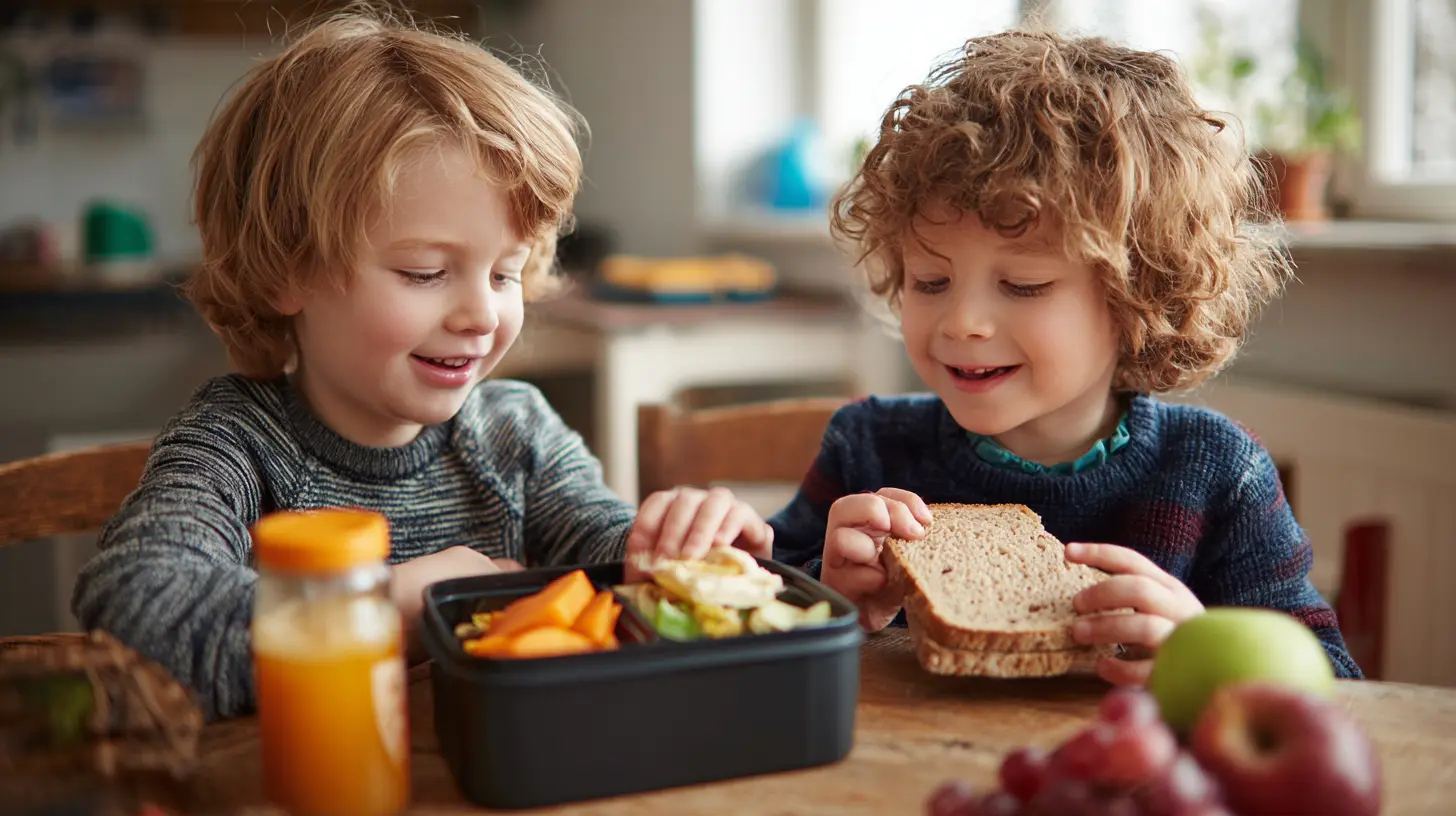
Why This Task Matters More Than You Think
Most parents treat lunch packing as a chore. It is something to check off the list before the bus arrives. But for a child, packing their own lunch is a complex exercise in planning, nutrition awareness, time management, and delayed gratification. It is not just about food. It is about ownership.When a child packs their own lunch, they are making a series of small decisions. Each decision builds a habit. Over time, those habits form their relationship with food, with money (if you give them a budget), and with their own body. This is not an exaggeration. The child who learns to pack a balanced lunch at age eight is the teenager who can feed themselves after school without relying on a parent. They are the adult who does not panic in a grocery store.
The deeper value is in the shift of responsibility. When you pack the lunch, you are the sole decision-maker. You choose the protein, the fruit, the treat. You manage the portions. You bear the mental load. When your child takes over, they are not just learning about food. They are learning that their choices have consequences, and that they are capable of handling those consequences. That is a powerful lesson, and it is one that cannot be taught through a lecture.
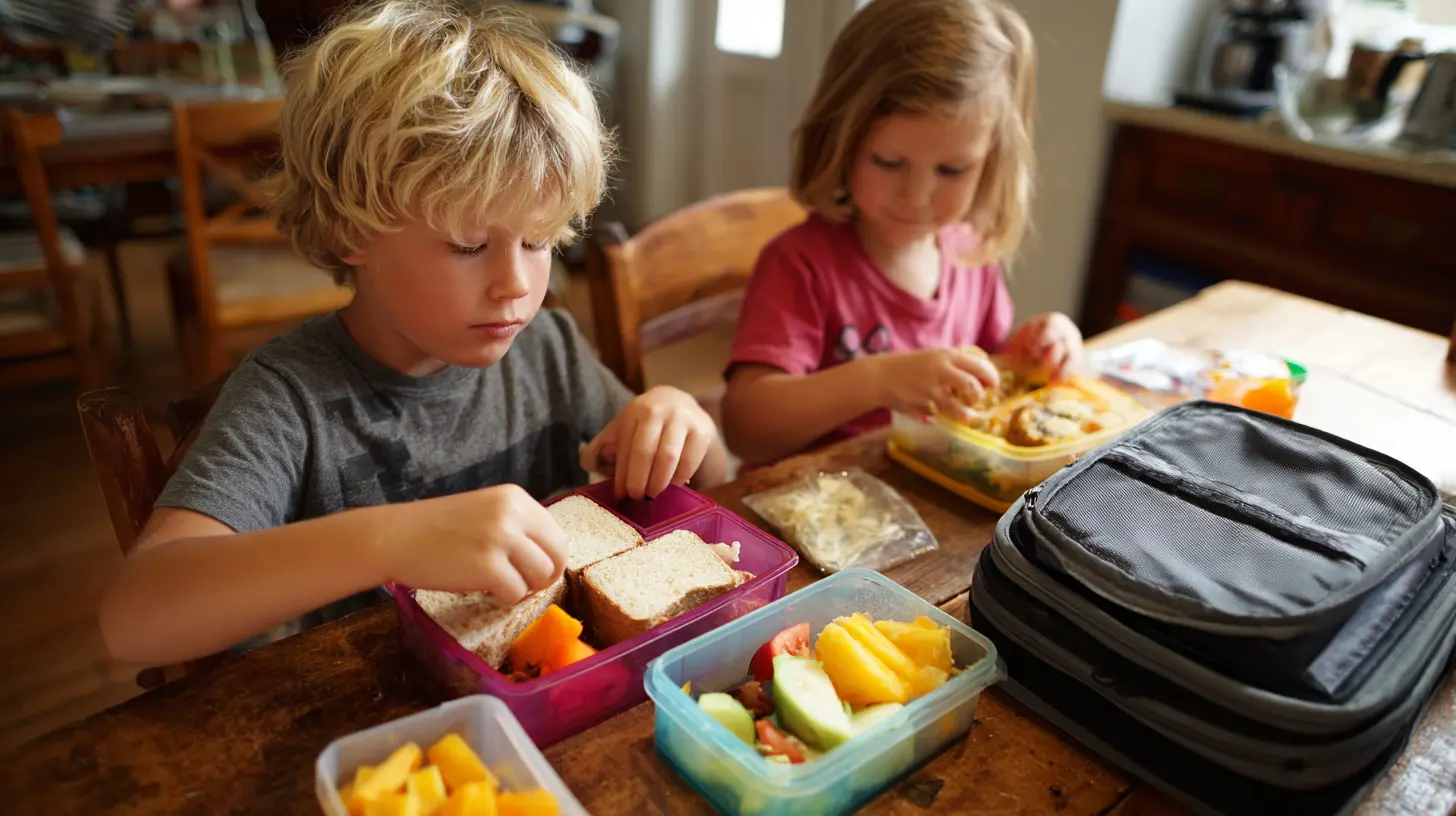
The Right Age and the Wrong Reasons to Wait
There is no universal age for this milestone. Some children are ready at six. Others are not ready until ten. The readiness has less to do with age and more to do with three specific skills: fine motor control (can they open a zipper bag?), basic judgment (do they know that an apple is a fruit and a fruit is a good choice?), and emotional tolerance (can they handle eating something they chose that turns out to be a mistake?).Many parents wait too long because they are afraid of two things: mess and waste. The mess is real. A six-year-old packing a lunch can leave a trail of crumbs, a sticky counter, and a yogurt container that somehow ended up in the sock drawer. The waste is also real. They will pack things they do not eat. They will forget the main dish and bring only sides. They will go to school hungry and come home complaining.
But here is the trade-off. If you wait until they are "old enough" to do it perfectly, you are waiting until they are old enough to not need the lesson. The whole point is to let them make mistakes while the stakes are low. A hungry afternoon in third grade is a better teacher than a hungry month in college. The cost of a wasted apple is small. The cost of a child who never learns to plan their own meals is much larger.
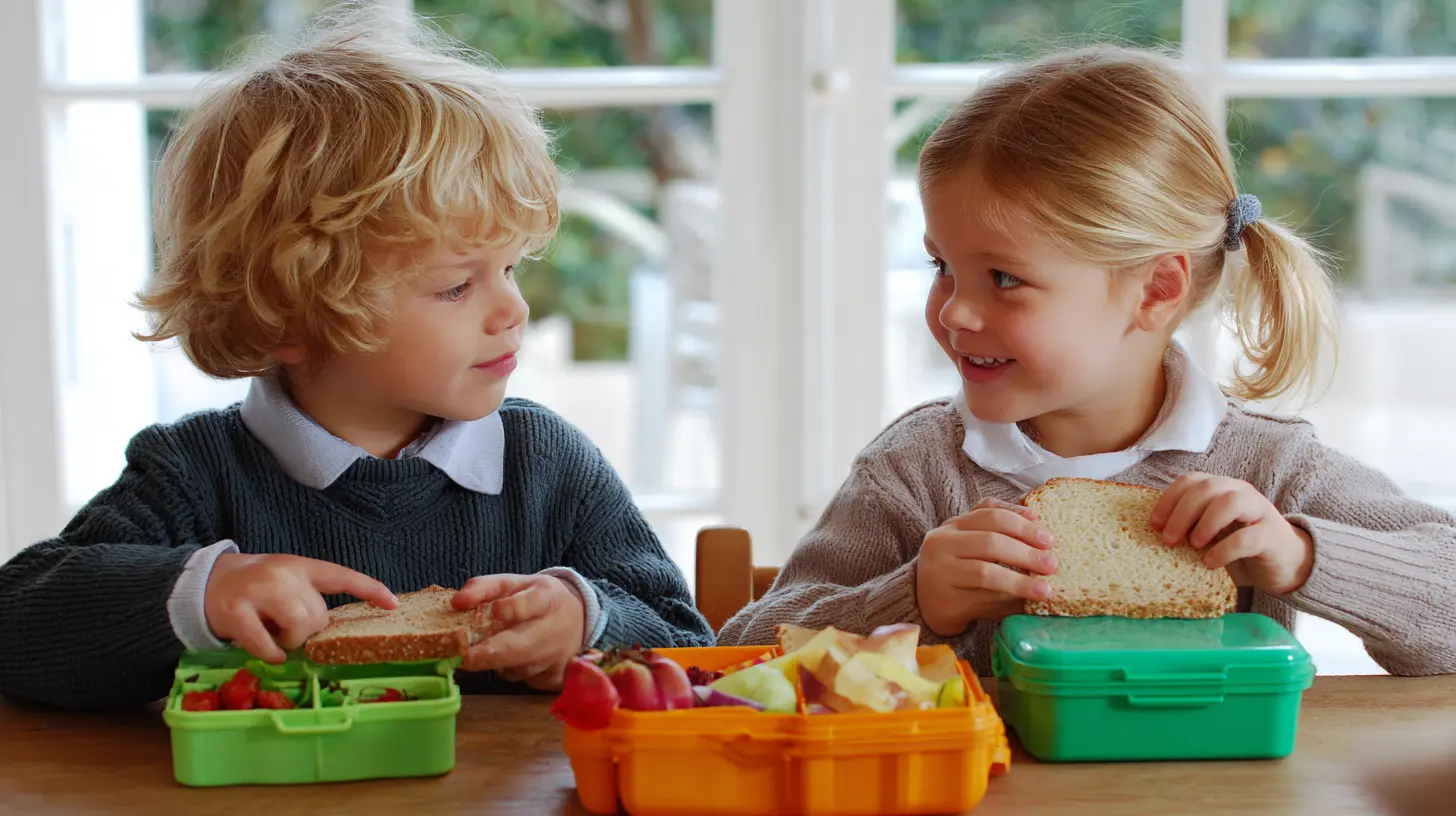
How to Start Without Turning It Into a Battle
The first time should not be a full handover. It should be a gradual shift. Start with a simple framework. Give your child a choice within a structure. For example, you can say, "You are packing your lunch today. You need one main thing, one fruit, one vegetable, and one treat. Pick from these options." Then lay out two or three options for each category.This approach is called "limited choice." It works because it gives the child a sense of control without overwhelming them. A child who is asked "What do you want for lunch?" will often freeze or choose something impossible. A child who is asked "Do you want a turkey roll-up or a cheese quesadilla?" can make a quick, confident decision. Over time, you expand the options. You let them open the fridge and look. You let them decide between leftovers and a sandwich. Eventually, you step back entirely.
The key is to separate the packing from the eating. You are not asking them to pack a lunch that you will approve. You are asking them to pack a lunch that they will eat. If they choose a pickle and a granola bar, that is their call. You can gently point out that they might be hungry later, but you should not redo the bag after they go to bed. That defeats the purpose.
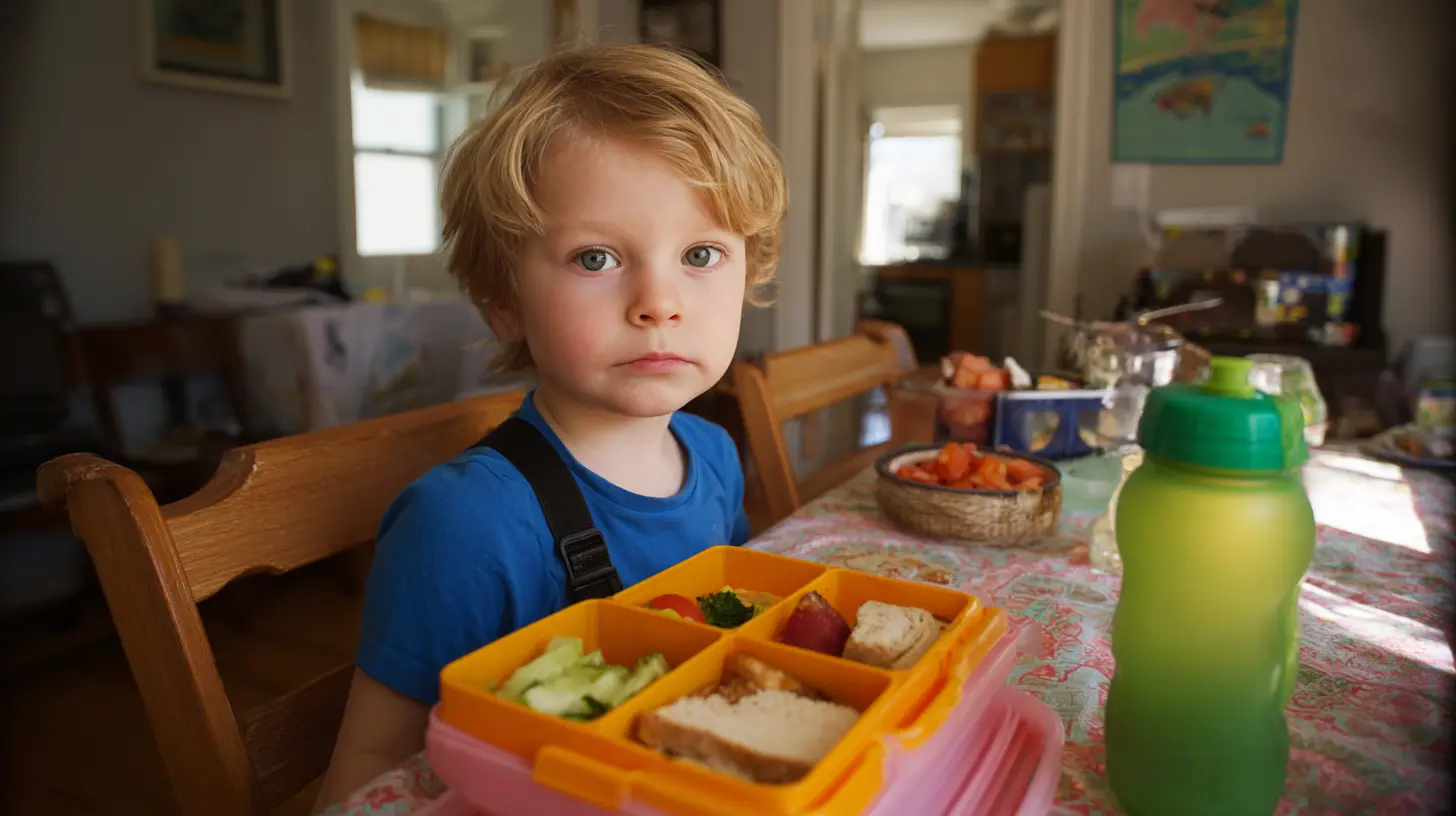
The Anatomy of a Good Lunch Bag
Experienced parents know that a lunch is not just food. It is a system. A good lunch bag has three zones: the main event, the snacks, and the drink. The main event is the protein and carbohydrate base. The snacks are the fruits, vegetables, and small treats. The drink is water, milk, or a juice box, not a soda.When your child packs their own lunch, they will often skip the main event. They will fill the bag with snacks because snacks are fun. This is normal. It is also the most common mistake. To counter this, you need to teach them the "one from each box" rule. You can use a physical bento box with compartments. The big compartment is for the main, the small ones are for snacks. This visual cue is far more effective than telling them to "eat a balanced meal."
Another practical tip is to pre-portion things. If you buy a large bag of pretzels, put them into small zipper bags on the weekend. If you wash and cut carrots ahead of time, they are easier to grab. The more friction you remove, the more likely your child will make a good choice. This is not cheating. This is setting up the environment for success. You are still teaching them the skill, but you are not making it harder than it needs to be.
Common Mistakes Parents Make and How to Avoid Them
The biggest mistake is correcting everything. If you critique every choice, your child will stop trying. They will go back to letting you do it because it is easier. Instead, pick your battles. If they pack a yogurt that will spoil by noon, say something. If they pack a cookie for every snack, let it go for one day. The next day, ask them how they felt after lunch. Did they have energy? Were they hungry? Let the evidence speak.Another common mistake is not providing enough options. If the pantry is full of processed snacks and nothing else, your child cannot make a good choice. You do not need to be a health fanatic, but you do need to stock the house with a variety of foods. That means having at least two types of fruit, two types of vegetables, a few protein sources, and a few whole-grain options. If the only choice is between a bag of chips and a candy bar, the lunch is already lost.
A third mistake is using lunch packing as a punishment or a chore. If you say, "You forgot your homework, so now you have to pack your lunch," you are teaching them that packing is a burden. Instead, frame it as a privilege. "You are old enough to do this now. I trust you." That message is powerful. Children rise to the level of expectation.
What to Do When They Fail
They will fail. They will forget their lunch on the counter. They will pack a container that leaks. They will trade their sandwich for a bag of chips. When this happens, resist the urge to rescue immediately.If they forget their lunch at home, the question is whether you bring it to school. Some parents always bring it. Others never do. The best approach is a middle ground. The first time, you can bring it, but make a point of it. "I am bringing this today, but tomorrow it is your job to remember." The second time, do not bring it. Let them face the school lunch line or the sharing table. A child who has to eat a school lunch they do not like once will rarely forget their bag again.
When they pack something that does not work, like a banana that gets smashed or a popsicle that melts, debrief without blame. Ask questions. "What happened?" "What could you do differently next time?" This turns the failure into a lesson. It also keeps the door open for future attempts. If you yell or mock, they will shut down.
The Hidden Lesson About Body Image and Eating Habits
Here is something most parenting articles do not mention. When a child packs their own lunch, they are also learning about their own appetite and preferences. This is a chance for them to listen to their body. A child who is allowed to choose their own portions is less likely to overeat or undereat. They learn that a small lunch is okay if they are not hungry, and a big lunch is okay if they are.This is directly opposed to the "clean plate" approach that many of us grew up with. When you pack the lunch, you decide the portion. When they pack it, they decide. This can be uncomfortable for parents who worry about their child not eating enough. But the evidence from feeding specialists is clear: children are better at regulating their own hunger when they have control over their food choices.
The caveat is that this only works if you do not shame them for their choices. If they pack a lunch that is too small and come home starving, do not say "I told you so." Say, "That must have been hard. What do you think you will do tomorrow?" If they pack a huge lunch and waste half of it, do not lecture about starving children in other countries. Instead, talk about portion size and what a "right amount" feels like.
The Role of Money and Budgeting
For older kids, around age nine or ten, you can introduce a budget. This is an advanced level of the lunch-packing skill. Give them a weekly amount, say fifteen dollars, and let them buy their own lunch groceries. This teaches them about cost, value, and planning. It also makes them appreciate the food they eat.The trade-off here is that you lose some control over nutrition. A child with a budget might buy nothing but ramen and fruit snacks. To counter this, you set rules. "You have to buy at least one fruit and one vegetable every week. You have to have a protein for each day." These rules are not about micromanaging. They are about setting boundaries within which the child can exercise freedom.
This approach also teaches them about waste in a tangible way. If they buy a bunch of bananas and eat only two, they see the money go in the trash. That is a lesson that sticks. It is far more effective than you telling them not to waste food.
How to Handle Picky Eaters
Picky eating is one of the biggest barriers to this milestone. If your child only eats three things, packing their own lunch is not going to expand their palate. It may actually reinforce their narrow choices. That is okay. The goal is not to fix their eating habits through lunch packing. The goal is to teach independence.For a picky eater, start with the foods they already like. Put those in the pantry and fridge. Let them pack from that limited set. Once they are comfortable with the routine, you can slowly introduce new items. But do not force it. The lunch bag is not the place for food battles. That is a separate issue that deserves its own approach.
A practical trick is to let them pack a "safe" lunch for most of the week and one "experiment" day. On Thursday, they can try one new thing. If they do not like it, they can still eat their safe items. This reduces the risk and makes the new food less threatening.
The Comparison Trap and Sibling Dynamics
If you have more than one child, the first time one packs their lunch creates a ripple effect. The younger sibling will want to do it too. The older sibling may resent being forced to do it if the younger one is not. The best approach is to treat it as a developmental milestone, not a reward. Each child gets to pack their own lunch when they are ready, not when they reach a specific age.Also, be prepared for comparison. One child might pack a beautifully balanced lunch while the other throws in a handful of crackers. Do not compare them out loud. Each child has different skills and different relationships with food. The goal is for each to become competent in their own way. If you hold one up as the standard, you will create resentment and anxiety.
When to Step Back and When to Step In
There is a fine line between letting them learn and neglecting them. You should step in if there is a safety issue. For example, if your child wants to pack something that needs to be kept cold but does not have an ice pack, you need to help them figure out the solution. If they want to pack a glass container that will break in their backpack, you should offer a plastic alternative. These are not control issues. These are practical concerns.You should also step in if your child is consistently making choices that lead to hunger or distress. If they pack only chips for three days in a row and come home miserable each day, you need to have a conversation. Ask them why they are making that choice. Sometimes it is a lack of knowledge. Sometimes it is a desire for control. Sometimes they just really like chips. The response should be to add more structure, not to take over the task entirely.
On the other hand, you should step back when you feel the urge to "fix" their lunch. If they pack a sandwich with the crust on and you always cut it off, let it be. If they put a pickle next to a cookie, let it be. The mess, the weird combinations, and the occasional inedible lunch are all part of the process. Your job is not to make a perfect lunch. Your job is to raise a child who can make their own lunch.
The Emotional Side of Letting Go
For many parents, this milestone is harder on them than on the child. Packing your child's lunch is a daily act of care. It is a way of saying "I am thinking about you while you are away." When they take over, you lose that small ritual. It can feel like a rejection, even though it is not.You can replace that ritual with something else. Maybe you write a note on a napkin and slip it into their bag. Maybe you sit with them while they pack and chat about their day. The point is to separate the love from the task. You can still show you care without doing the work for them. In fact, teaching them to do it themselves is one of the most caring things you can do.
Some parents also struggle with the loss of control over nutrition. They worry that their child will eat poorly and get sick. This fear is understandable, but it is also disproportionate. A child who eats a bag of chips for lunch one day is not going to suffer long-term harm. A child who learns to make their own food choices will, over time, develop a more mature relationship with food. Trust the process.
Real-World Examples That Show the Range
Consider a family where the mother is a dietitian. She packs elaborate lunches with quinoa salads and homemade hummus. Her daughter, at age seven, wants to pack her own lunch. The mother is horrified because the daughter wants to pack a white bread sandwich with processed cheese. The mother has to decide: does she insist on her standards, or does she let her daughter choose? She lets her choose. The daughter eats the sandwich, loves it, and eventually starts adding vegetables on her own. The mother learns that her daughter's taste is not a reflection of her parenting.Another example is a single father who works early mornings. He does not have time to pack lunches. His son, age nine, starts packing his own lunch out of necessity. At first, it is terrible. The son packs leftover pizza and a granola bar. But within a month, he is packing balanced meals because he is hungry in the afternoon and wants to fix that. The father is surprised. He thought his son was not paying attention. It turns out the son had been watching him all along.
A third example is a family with twins. One twin is a natural planner. The other is impulsive. The first twin packs their lunch on Sunday for the whole week. The second twin packs theirs every morning in a rush. The parents have to manage two different styles. They learn that there is no one right way. The planner is organized. The impulsive one is creative. Both lunches get eaten.
Building a Routine That Lasts
The key to making this stick is consistency. Do not let them pack their lunch once and then take over again because it is easier. That sends a mixed message. Instead, set a schedule. Maybe they pack on Monday, Wednesday, and Friday, and you pack on Tuesday and Thursday. Or maybe they pack every day once they start. The schedule does not matter as much as the regularity.You also need to make the environment supportive. That means having a designated shelf in the pantry for lunch items. It means having a drawer in the fridge for lunch proteins. It means having a place for lunch bags, containers, and ice packs. When everything has a home, the task becomes easier. This is not about being a neat freak. It is about reducing the friction that leads to giving up.
Review the routine every few months. As your child grows, their tastes and needs will change. They may need more food. They may want to try new things. They may want to start buying lunch at school instead. Be open to these changes. The goal is not to lock them into a system. The goal is to give them the skills to adapt.
The Long-Term Payoff
Years from now, your child will not remember the specific lunches they packed. They will not remember the time they forgot their fork or the day they packed only crackers. What they will remember is the feeling of being trusted. They will remember that you believed they could do it. That belief is what carries them through bigger challenges later in life.When they go to college, they will not be the person who calls home to ask how to boil an egg. When they get their first job, they will not be the one who eats fast food every day because they cannot plan a meal. They will be the person who opens the fridge, sees what is there, and makes a decision. That is a small thing. But it is also everything.
The first time they packed their own lunch, you probably felt a pang of loss. But what you actually gained was a child who is one step closer to being an independent adult. And that is worth a few crumbs on the counter.
all images in this post were generated using AI tools
Category:
Parenting WinsAuthor:

Noah Sawyer
Discussion
rate this article
2 comments
Lysara McConkey
Ah, the first lunch packing adventure. When "healthy" becomes a single carrot and "variety" means three different flavors of chips. I guess it's the thought that counts, even if it's mostly snack time!
September 2, 2026 at 4:03 AM
Vanya Powell
I love this idea! What surprises or delights did your child include in their lunch? It's always fun to see their choices.
August 31, 2026 at 3:24 AM
Noah Sawyer
Thank you! My child added some strawberries, a funny note, and their favorite granola bar. It was a sweet surprise to see their creativity!