The Day They Cleaned Their Room Without Being Asked
30 October 2026
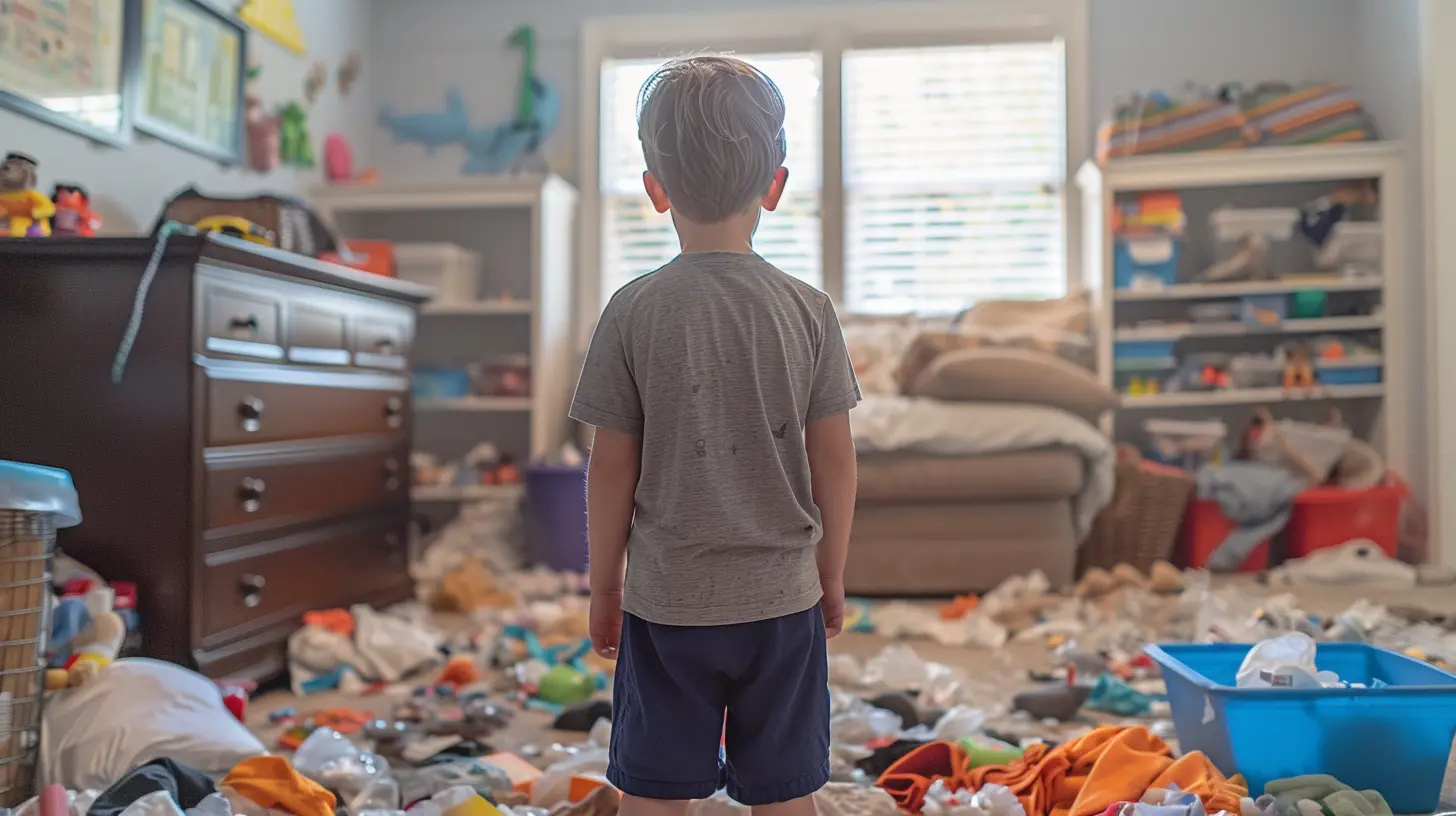
Let me paint a picture. It was a Tuesday. Nothing special about it. I walked past my kid's bedroom door and stopped dead in my tracks because I could see the floor. Not patches of floor. The actual floor. The carpet was visible. The Legos were contained. The laundry was in the hamper instead of draped over the desk chair like a sad art installation.
And here is the part that made me grab the doorframe for support: nobody had asked. Nobody had nagged. Nobody had threatened to take away the tablet or reminded anyone for the fourteenth time that "this room looks like a raccoon broke in and gave up halfway through."
It just happened.
If you are reading this, you are probably either (a) in the same stunned disbelief I was, or (b) deeply skeptical that such a day exists outside of parenting fiction. I get it. I have been on both sides of this equation. I have cleaned that room myself at 11 p.m. while muttering, and I have also watched my child do it voluntarily while I pretended not to notice so I would not jinx it.
This article is not a fairy tale. It is also not a seven-step hack that guarantees your kid will morph into a self-directed cleaning machine by Friday. What it is, honestly, is a breakdown of why that day happened, what made it possible, what I got wrong for years before it did, and how you can stack the odds in your favor without turning your home into a military operation.
Why the Unasked Clean Room Is Such a Big Deal
Most parents measure cleanliness in results. The room is either acceptable or it is a biohazard. That is a reasonable survival metric. But it misses the actual developmental milestone hiding inside that moment.When a kid cleans without being asked, three things are happening at once, and each one is worth more than a spotless floor.
First, they are noticing. They are registering that the environment is off, that the mess has crossed from "lived-in" to "uncomfortable." That is executive function in action. They are holding a mental image of how the room should look and comparing it to reality. Many adults cannot do this reliably, which is why you see grown people living in apartments where the dishes have achieved sentience.
Second, they are initiating. Initiation is the hardest part of any task for most human beings, and it is especially hard for kids whose prefrontal cortexes are still very much under construction. Starting without a prompt means the task has become internalized. It is not your job anymore. It is theirs.
Third, they are regulating. They are choosing a boring, effortful activity over whatever they would rather be doing, without external pressure. That is self-regulation, and it is the same muscle that will help them study for exams, show up to work on time, and not spend their rent money on sneakers.
So when I say that day mattered, I do not mean it mattered because my house was cleaner. It mattered because I got a rare, visible glimpse of a skill I had been trying to build for years finally showing up on its own. That is the thing about parenting. You do not usually get to see the payoff. That day, I did.
The Myth of the Magic Day
Here is the uncomfortable truth that nobody puts on the parenting blog: the day your kid cleans their room without being asked is almost never a turning point. It is usually a data point.I know. I wanted it to be a permanent transformation too. I wanted to wake up the next day and find the bathroom scrubbed. That is not how this works.
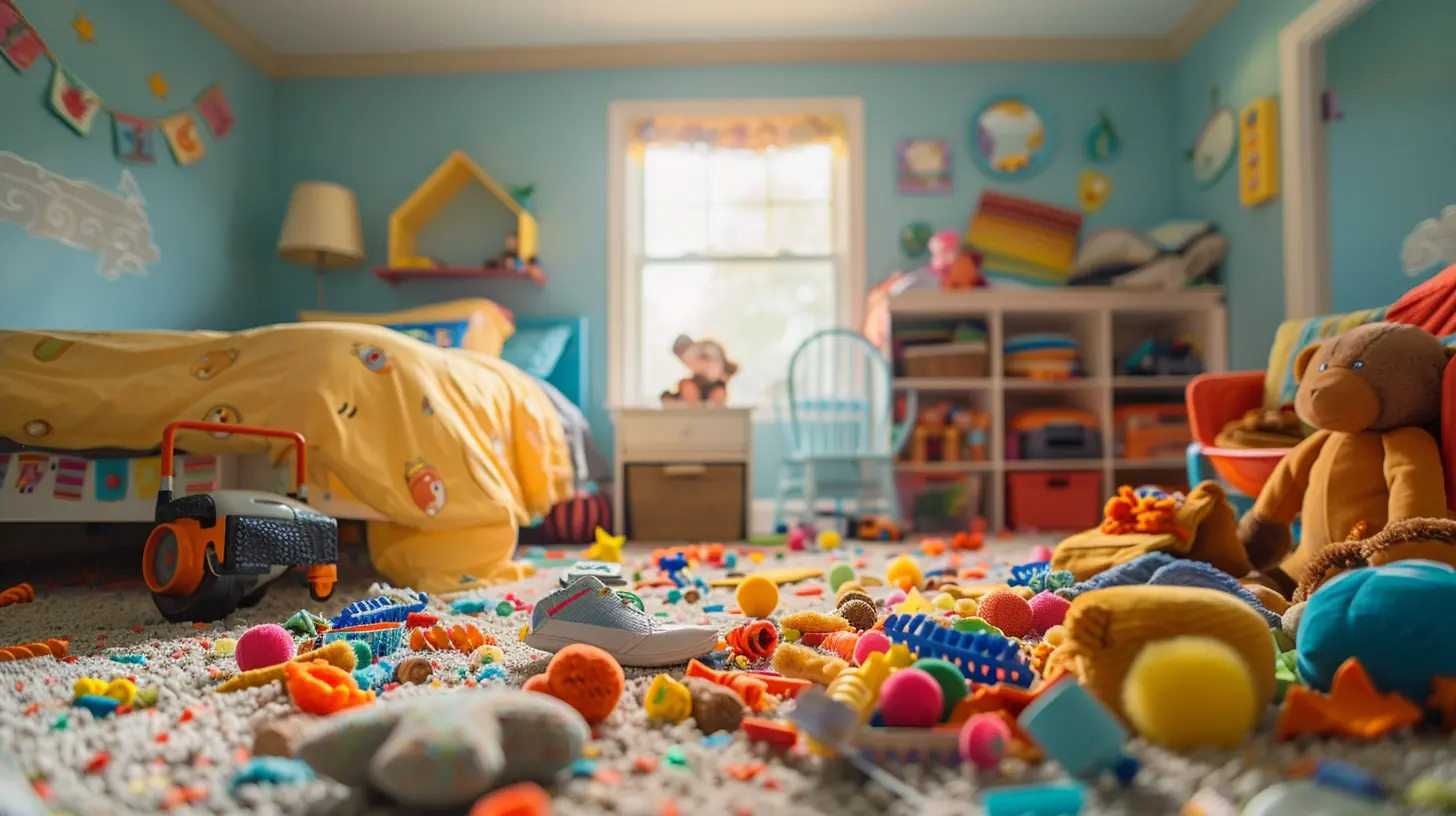
What actually happens in most families is that the unasked cleanup is episodic. It shows up once, maybe because the kid wanted to find a specific toy, maybe because a friend was coming over, maybe because they were bored of being bored. Then it vanishes for three weeks and you are back to stepping on plastic dinosaurs in the dark.
The parents who get this right do not treat the first unasked cleanup as a finish line. They treat it as evidence. Evidence that the skill exists. Evidence that the environment supports it. Evidence that something in their approach is working, even if it is not working every single day.
The parents who get this wrong do one of two things. They either throw a parade so elaborate that the kid now associates cleaning with performance and external reward, or they say something like "Finally! See, that wasn't so hard, was it?" which guarantees it will not happen again for at least a month, because now the task is tangled up with being judged.
What Actually Made It Happen
I have thought about this a lot, and I can trace it back to a handful of changes. None of them were dramatic. All of them were structural.The Room Stopped Being a Punishment Zone
For years, cleaning the room was something that happened after a fight. Mess equals conflict. Conflict equals cleanup. Cleanup equals resentment. That is a terrible association to build into a child's brain.What changed was that we started doing short, low-stakes resets together. Five minutes before dinner. Music on. Everyone in the family picks up whatever is on the floor. Nobody is in trouble. Nobody is being punished. It is just what we do before we eat.
The reason this works is not complicated. When a task is tied to punishment, the brain files it under threat. When a task is tied to routine, the brain files it under normal. Kids resist threats. They mostly just go along with normal.
The Room Was Set Up So a Kid Could Actually Succeed
This one is huge and almost nobody talks about it. For years, my kid's room was a storage facility disguised as a bedroom. Bins without labels. A closet rod too high to reach. Toys mixed together in a giant chest where everything became a jumble the second you opened it. No wonder cleaning felt impossible. It was impossible.We fixed the room before we fixed the kid. We got lower shelves. We labeled bins with pictures, then words. We put a laundry basket where the dirty clothes actually landed instead of where I thought they should go. We got rid of a third of the stuff, which is its own kind of magic.
Here is the principle: a child cannot maintain a system they cannot operate. If the room requires adult-level organization to stay tidy, then you are the system, and the moment you stop running it, the room collapses. The goal is a room where a nine-year-old can look at the mess and see an obvious next step.
The Standard Was "Better," Not "Perfect"
I used to have a mental checklist that would make a hotel housekeeper weep. Bed made to military spec. Nothing on the floor. Everything in its designated home.My kid could never hit that standard, so why try? That is the logic of a discouraged child. When the bar is unreachable, effort feels pointless.
We lowered the bar to something honest. The floor is clear. Dirty clothes are in the basket. Nothing is growing in a cup. That is a clean room. It is not a magazine photo. It is a room a kid can actually maintain.
The Nagging Stopped Being the Main Event
I am not going to pretend I never nag. I am human. But I did cut way back, and I replaced nagging with two things that work better.The first is a question instead of a command. "What is your plan for the room today?" sounds completely different to a kid than "Clean your room." One invites them into the decision. The other recruits them into a power struggle.
The second is natural consequences, used sparingly. If the room is a disaster, the friend cannot come over until there is a path to the bed. That is not a punishment. That is just physics. The kid learns that the state of the room affects their life, not just my mood.
The Trade-Offs Nobody Warns You About
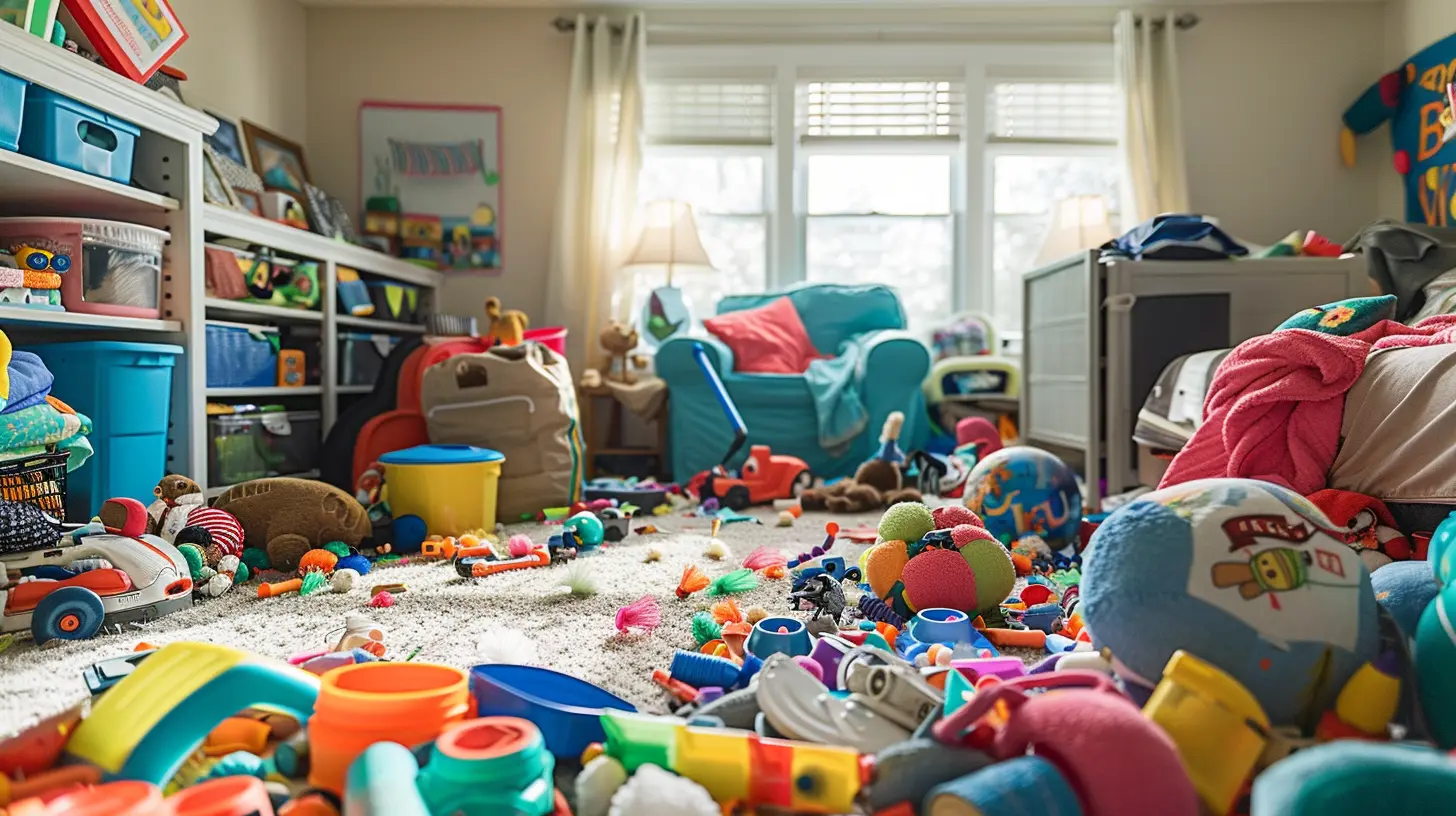
I want to be straight with you, because a lot of parenting advice conveniently skips the part where every strategy has a cost.Letting your kid own the room means the room will sometimes look worse than you would like. Much worse. There will be days when you close the door and walk away and feel like you are failing some invisible test. That is the price of transfer. You cannot hand a kid ownership and also keep total control. Pick one.
Lowering the standard means you have to genuinely let go of the standard. Not pretend to let go while sighing loudly. Kids read the sigh. If you say "good enough" and then radiate disappointment, you have taught them that good enough is a lie.
Cutting back on nagging means some things will not get done on your timeline. Your timeline was always a fiction anyway. The room will get cleaned when the kid decides it matters, and your job is to make sure the conditions exist for that decision to happen sooner rather than later.
None of these trade-offs are fatal. But if you go in expecting a spotless room and a grateful child and zero frustration, you will quit in a week and conclude the whole approach is nonsense.
Common Mistakes That Kill the Unasked Cleanup
I made most of these. I am listing them so you can skip a few years of trial and error.Rewarding the behavior with money or prizes. It feels harmless. It is not. Once a kid learns that cleaning pays, the unpaid version stops counting. You have converted a developing habit into a job, and jobs get negotiated. "How much for the floor?" is not a question you want in your house.
Making the first unasked cleanup a big emotional event. Praise is fine. A speech about how proud you are and how this proves they are growing up is too much. It turns a normal act into a performance, and performances need an audience. You want cleaning to feel ordinary, not theatrical.
Redoing the room after they finish. This is the silent killer. If your kid cleans and then you go in and "fix" it, you have just told them their effort does not count. Let the books be crooked. Let the stuffed animals be in a weird pile. The room is theirs. Their version of clean is the version that matters.
Using the room as a scorecard during conflict. "I asked you three times and you still haven't..." is a completely understandable sentence and also a guarantee that the room becomes a weapon. Keep the room out of arguments. Deal with the room as a room.
Assuming one good day means the system is solved. It does not. You will get regressions. You will get weeks where the room looks like a set from a disaster movie. That is not failure. That is a kid being a kid while a skill slowly sets.
What to Do the Day After the Miracle
This is the part that actually determines whether the unasked cleanup becomes a pattern or a fluke.First, do not overreact. A simple "hey, the room looks great" is enough. Say it like you noticed the weather. Casual. No confetti.
Second, make it easy to repeat. If the reason the room got cleaned was that the bins were finally reachable, keep them reachable. If the reason was that there was a clear fifteen-minute window before dinner, protect that window. The behavior followed the structure. Keep the structure.
Third, resist the urge to raise the standard immediately. The kid just cleared the floor. Do not respond by pointing out the dust on the shelf. That is how you teach a child that nothing they do is ever enough.
Fourth, watch for what triggered it. Was it a friend coming over? Boredom? A specific mess that finally annoyed them? Understanding the trigger tells you what kind of support actually works for your kid. Some kids respond to social deadlines. Some respond to visual clutter. Some respond to having a specific job that feels manageable. Figure out which one you are raising.
A Note on Ages and Temperaments
The unasked cleanup looks different depending on who your kid is, and pretending otherwise sets you up for frustration.A four-year-old who puts three blocks in a bin without being asked has just done the toddler version of the miracle. Do not expect a full room reset. Expect tiny acts of order and celebrate them quietly by making the next step obvious.
A seven-year-old can usually handle a simple checklist with pictures. The trick is keeping the list short. Three items. Floor, clothes, bed. Anything longer becomes wallpaper.
A ten-year-old can genuinely own the room, but they need the room to be set up for it and they need to know the standard is theirs to interpret within reason. This is also the age where natural consequences start working well, because friends and plans matter.
A teenager is a different animal. The room is often a statement about autonomy. Pushing hard on cleanliness at this age frequently backfires into a power struggle you cannot win. The better move is to negotiate a baseline, respect the door, and keep the common areas as the hill you are willing to die on. Many teenagers come around on their own rooms once they stop feeling like the room is a battleground.
Temperament matters just as much. Some kids are naturally order-seeking and will tidy without prompting from a young age. Others are chaos gremlins who genuinely do not register mess until it physically obstructs them. Neither is a moral failing. The second kid needs more scaffolding and more patience, and probably a stricter limit on how much stuff they own, because clutter tolerance is often just a stuff problem wearing a personality costume.
The Long Game
Here is the thing I wish someone had told me years ago. The goal was never a clean room. The goal was a person who can notice a problem, decide to fix it, and follow through without someone standing over them.The clean room is a side effect. A nice one. The kind you notice on a Tuesday and then text your partner about like you just witnessed a lunar eclipse.
But the real win is that your kid is slowly building the internal machinery for self-management, and the room is just the practice field. Some days they will nail it. Some days they will fumble. Your job is to keep the field playable, keep the pressure low, and keep showing up without making every practice session a referendum on their character.
So when that day comes, and it will come, resist the urge to make it a big deal. Just notice it. Say something calm. Then go make dinner and let the moment be ordinary.
Ordinary is the whole point. Ordinary is what makes it stick.
all images in this post were generated using AI tools
Category:
Parenting WinsAuthor:

Noah Sawyer

