The Connection Between Technology and ADHD in Children
9 December 2025
Let's face it — parenting in the digital age is kinda like trying to nail jelly to a wall. Screens are everywhere. From the moment your kiddo wakes up to the time you ~drag~ lovingly tuck them into bed, there's a screen blinking, pinging, or singing Baby Shark in the background.
But here's where it gets tricky: more and more parents (just like you and me) are starting to ask — is all this techno-whirlwind doing something to our kids’ attention spans? And more specifically, is there a link between technology and ADHD in children?
Buckle up, because we're diving headfirst into the pixelated jungle of screens, attention spans, dopamine surges, and why your child might be bouncing off the walls after a 3-hour Minecraft marathon.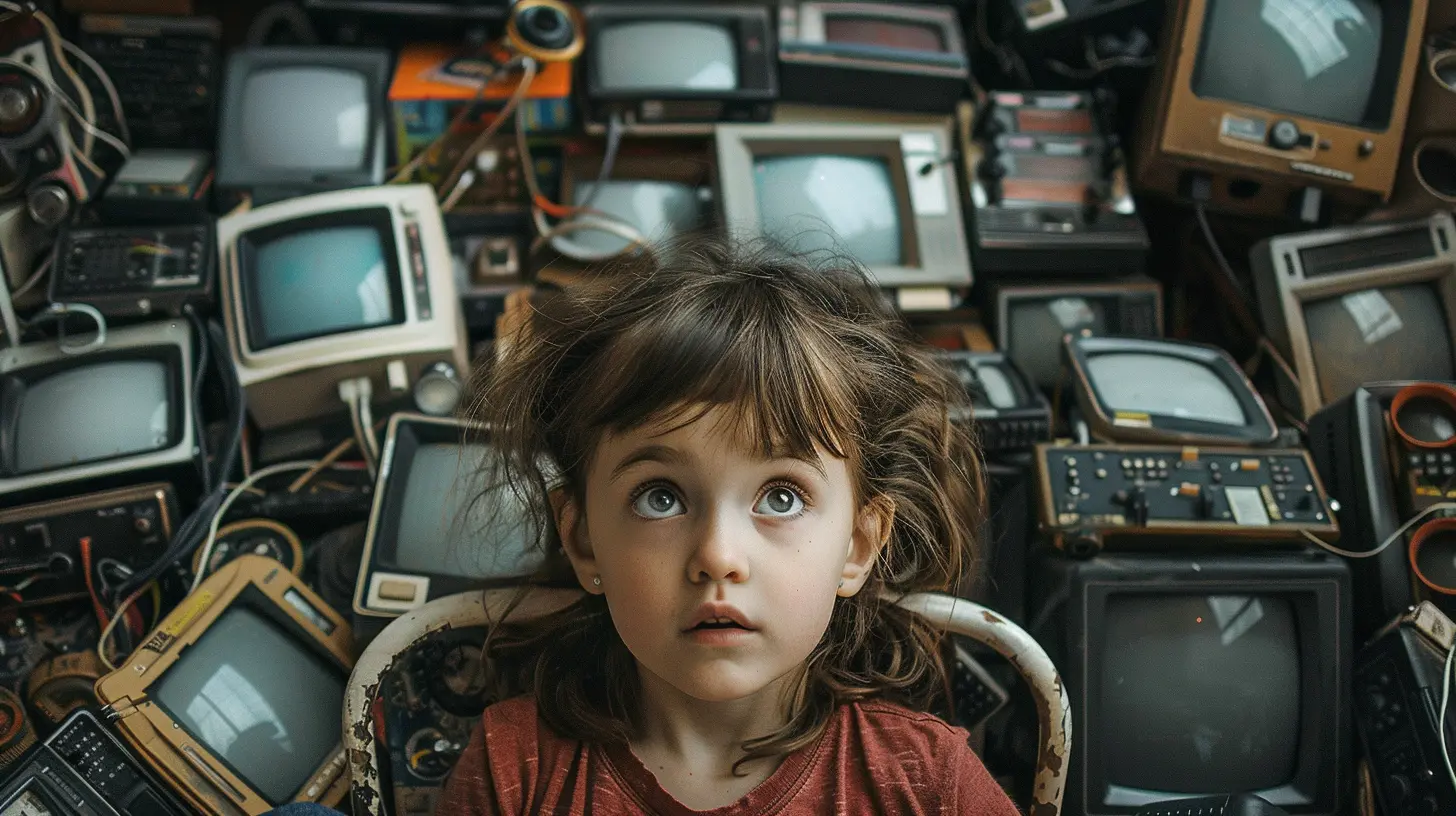
Wait, What Exactly Is ADHD Again?
Before we go pointing fingers at iPads, let's do a quick ADHD 101. Attention Deficit Hyperactivity Disorder — aka ADHD — is a neurodevelopmental condition. Translation? It’s a brain-based thing.Kids with ADHD may struggle with:
- Paying attention for long periods (like during a history lesson or gasp chores)
- Sitting still for more than ten seconds
- Impulsivity (because waiting is just SO last season)
Nope, it's not just about being high-energy. ADHD is a legit condition that affects all sorts of cognitive functions. Think of the brain like a massive command center. In kids with ADHD, some of the wiring's just a bit different—which affects focus, behavior, and sometimes emotional regulation.
Tech, Meet Brain: What Happens When Kids Plug In?
Now, let's talk tech. We all know how addictive technology is. You peek at your phone to check the time, and three hours later, you're knee-deep in funny cat videos and conspiracy theories about why socks disappear in the dryer.But children's brains? They’re even more sensitive — like little dopamine sponges. And screens? Oh boy, do they POUR the dopamine on.
Here’s what’s happening under the hood when your child is zoning out to Roblox:
- Dopamine Overload: Technology, especially fast-paced videos or games, can lead to a spike in dopamine — the “feel good” brain chemical.
- Reward Circuit Hijacking: Games reward instant gratification. You get the sparkly reward NOW. Not later. Not after effort. NOW. The brain gets used to this “fast-food” reward style.
- Shortened Attention Spans: The more kids get used to digital entertainment, the harder it can be for them to focus on non-digital tasks (aka cleaning their room or doing homework without crying).
It’s not just bad habits we’re talking about. Researchers have actually found that high screen-time may be associated with increased odds of ADHD symptoms.
Hold up, though — we're not saying screens “cause” ADHD. That’s like blaming socks for cold weather. But they might be making things worse… or at least more noticeable.
The Chicken Or The Screen-Time Egg?
So, here’s the million-dollar question:> “Is technology causing ADHD, or are kids with ADHD just drawn to tech like moths to a pixelated flame?”
Spoiler alert — we don’t entirely know yet.
Some studies suggest that children with ADHD are naturally more attracted to fast-paced, ever-changing environments — which makes them natural-born YouTubers (well, at least viewers). Screens just so happen to match their brain patterns so well that it's like finding their neurological soulmate.
But other research says that early exposure to tons of screen time (especially under age 5) might lay the groundwork for attention issues down the road. Imagine planting a fast-pacing, low-patience seed in a developing brain — and then watering it with Paw Patrol for five hours.
Science is still figuring it all out, but what we do know is this: ADHD and tech interact in complex, two-way street kind of ways. It’s like they’re in an awkward fifth-grade relationship — they can’t quit each other, but maybe they should take a break.
Real Talk: What Parents Are Seeing (and Freaking Out About)
If you’ve ever tried to get your kid off an iPad without triggering a small revolution, you're not alone. The screen-time tantrum is real — and honestly, a little terrifying.Here are just a few things that have parents raising their eyebrows:
- Meltdown City: Transitions off screens can lead to over-the-top reactions. Some kids go full Chernobyl.
- Zombie Mode: After long screen sessions, kids often get moody, sluggish, and... a little creepy, to be honest.
- Super Focused... But Only On Tech: Your child can’t focus on math for five minutes but can build a Minecraft palace for two straight hours?
If this sounds familiar, you're not just imagining things. Pediatricians and child psychologists are seeing it too. What’s wild is that this hyperfocus on screens can sometimes mask ADHD symptoms — or worse, make it harder for parents and teachers to identify them.
Does Screen Time “Rewire” The Brain?
Okay, let’s nerd out for a sec. (Don’t worry, I’ll keep it fun.)The brain’s like clay — especially in kids. It's constantly reshaping itself based on the environment. This process is called neuroplasticity, and while it’s totally magical, it also means that high-tech environments can change how the brain develops.
Studies using brain scans show that certain areas linked to attention and decision-making can look different in kids who spend a LOT of time on screens. Imagine your brain doing a full renovation — knocking down some walls and building a new closet just for TikTok dances.
The takeaway? When screen time dominates, kids' brains might adapt to it — prioritizing speed, flashy visuals, and quick dopamine hits. Which, unfortunately, can throw old-fashioned attention spans right out the window.
So Do I Just Throw Out Every Screen in My House?
Woah, woah, woah. Let’s not get hasty. I’m not saying you need to yeet the TV out the second-story window like you’re starring in a reality show meltdown.Technology isn’t evil — it’s amazing. It connects us, teaches us, and yes, entertains us when we just need five dang minutes to drink our coffee before it goes cold (again).
The trick is finding a sane, balanced approach — especially for kids with ADHD.
How to Manage Tech When ADHD Is in the Picture
Look, parenting is already hard enough without trying to become a digital monk. But if you’re concerned about how tech might be impacting your child’s attention, behavior, or sleep cycle, here are some tools that can help (no duct tape required):1. Set Boundaries (and Stick with ‘Em)
Create screen-time rules. Clear, consistent, and non-negotiable. For example, no screens before school, during meals, or an hour before bed. Your future self will thank you.2. Use Tech for Good
There are some ADHD-friendly apps and games that actually improve focus, teach mindfulness, or help track routines. If your kid’s going to be glued to something, might as well make it helpful, right?3. Model Good Behavior
Kids learn more from what we do than what we say — annoying, I know. If you’re constantly doom-scrolling through news headlines, they’ll take notes.4. Make Boredom Great Again
Unstructured time is CRUCIAL for brain development. Let them be bored! Boredom fuels creativity, and it doesn’t require a Wi-Fi password.5. Get Moving
Physical activity doesn’t just burn off energy — it helps kids with ADHD regulate and focus better. Bonus points if you get outside and soak in some vitamin D while you’re at it.Your Kid Isn’t Broken — They're Wired Differently
Here’s the kicker: ADHD isn’t a flaw. It’s a different wiring, a different rhythm. And sure, managing it in this screen-obsessed world is like juggling flaming swords... while blindfolded… during a thunderstorm.But armed with knowledge, flexibility, and maybe a little humor, we can help our kids navigate both the digital and IRL worlds without losing their (or our) minds.
Final Thoughts (Before You Check TikTok Again)
Technology and ADHD in children is a hot topic — and for good reason. Screens are shaping our kids’ brains in real-time, and we’re all just trying to figure it out as we go along.No, tech isn’t the villain. And no, ADHD doesn’t mean your child is doomed to a life of distraction. But the connection between the two? It’s real, it’s complicated, and it deserves a closer look.
So next time your child is climbing the walls after binge-watching cartoons, don’t panic. Take a deep breath. Pour another cup of coffee. And remember — you’ve got this.
You’re not alone in the struggle. We're all just trying to raise happy, healthy kids in a world that never hits "pause.
all images in this post were generated using AI tools
Category:
Tech And KidsAuthor:

Noah Sawyer
Discussion
rate this article
2 comments
Otis Harris
Great insights! Understanding the link between technology and ADHD can empower parents to make informed choices, fostering healthier habits for their children’s development. Thank you!
December 16, 2025 at 4:47 AM
Noah Sawyer
Thank you for your thoughtful comment! I'm glad you found the insights valuable for empowering parents.
Quincy Mercado
Is technology a tool or a trigger? Balance is essential for thriving, not just surviving.
December 11, 2025 at 4:48 AM
Noah Sawyer
Technology serves as both a tool and a trigger; its impact on children with ADHD highlights the need for balance to support healthy development and well-being.