The Benefits of Crafting with Kids: Beyond the End Product
31 July 2026
There’s something absolutely magical about a kid holding a glue stick in one hand and a crayon in the other, eyebrows furrowed with deep concentration. If you’ve ever sat down to craft with your little one, you probably already know the joy (and occasional chaos) that comes with it. But here’s the kicker—it’s not just about making a cute Pinterest-worthy creation. Nope! The real magic lies in everything that happens during the process.
So let’s dig deep (with glitter and googly eyes in hand) and chat about why crafting with kids is way more than just a mess on the dining table. Spoiler alert: it’s kind of a superpower in disguise.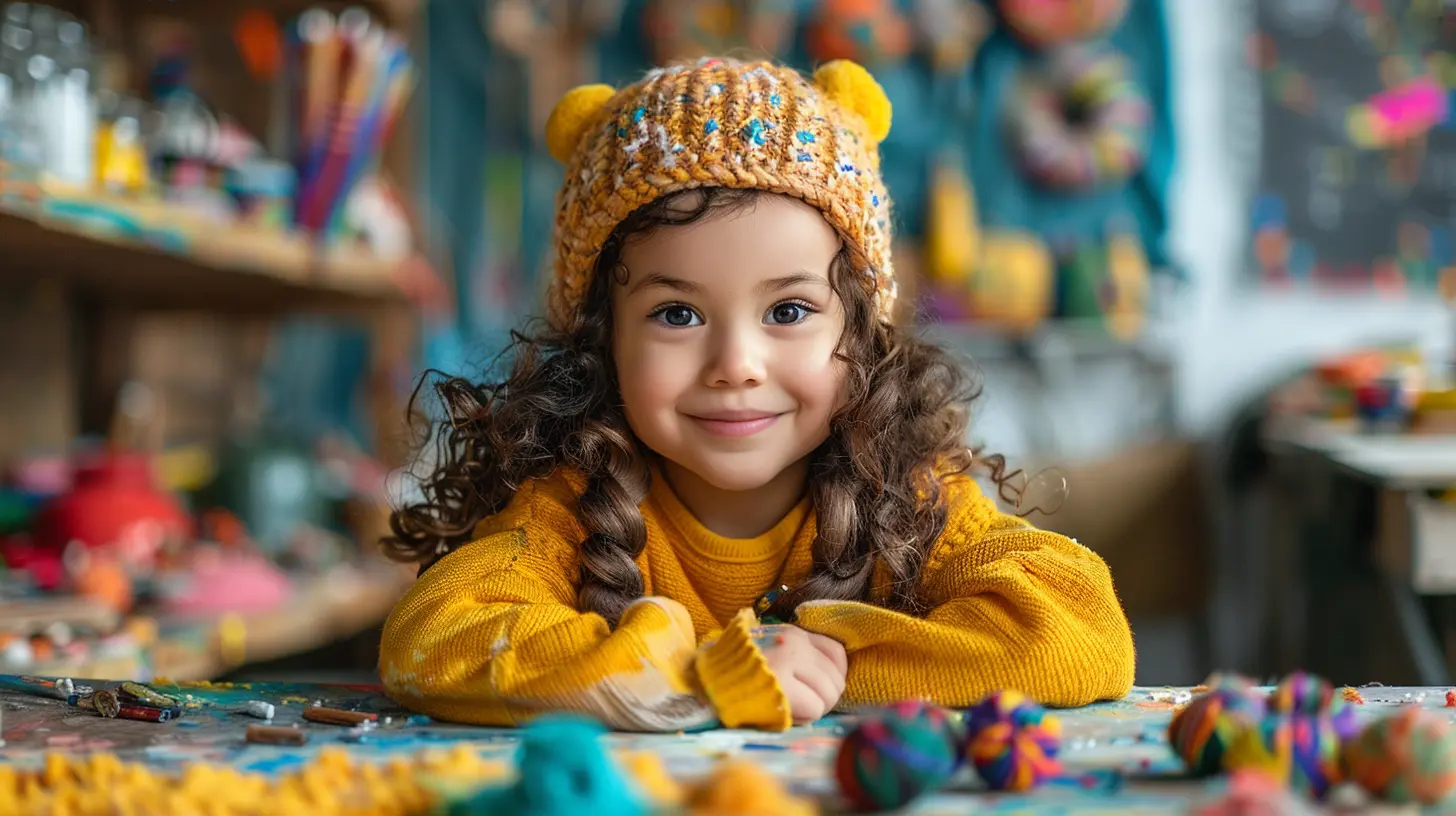
It’s Not About the Macaroni Art (Seriously)
Let’s get one thing straight—no one expects your toddler’s popsicle stick house to land in the Louvre. The glitter-strewn terror that ends up taped to your fridge might not win art awards, and that’s totally okay. Because the value of crafting doesn’t lie in the final result. It’s all about what happens while those tiny hands are busy.Think of kids crafting like planting seeds in a garden. You might not see the full bloom right away, but oh boy, it’s growing something amazing underneath.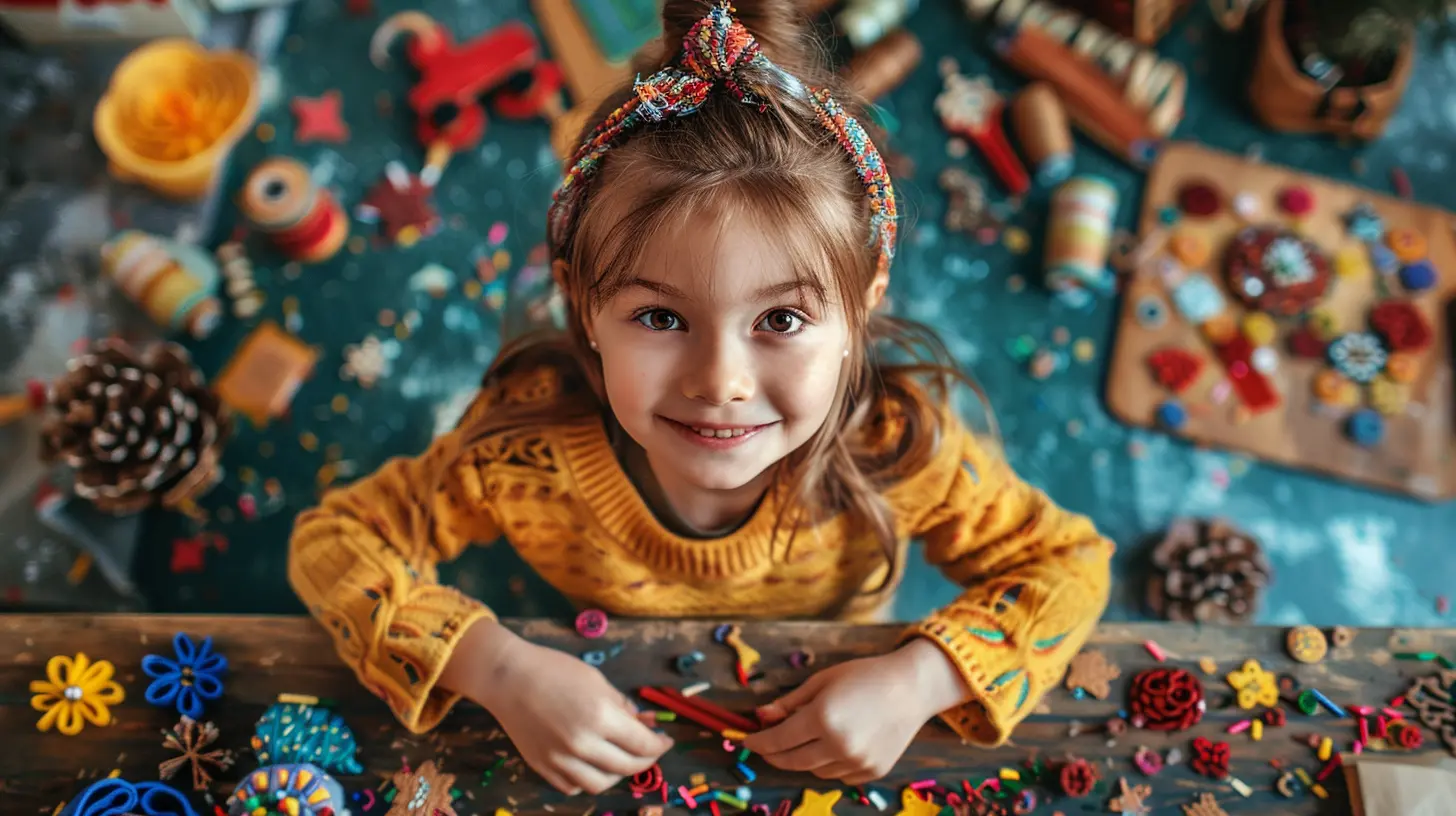
Patience Is Measured in Glue Drying Time
Ever watched a child wait for paint to dry? It’s like watching grass grow in slow motion—equal parts adorable and exasperating. But guess what? That long wait is teaching them patience. In today’s fast-paced, instant-gratification kind of world, that’s a big deal.Crafting slows things down. It forces kids to pause, take a breath, and sometimes wait for that glue to finally stop being sticky. And that’s a skill they’ll carry way past the crafts table.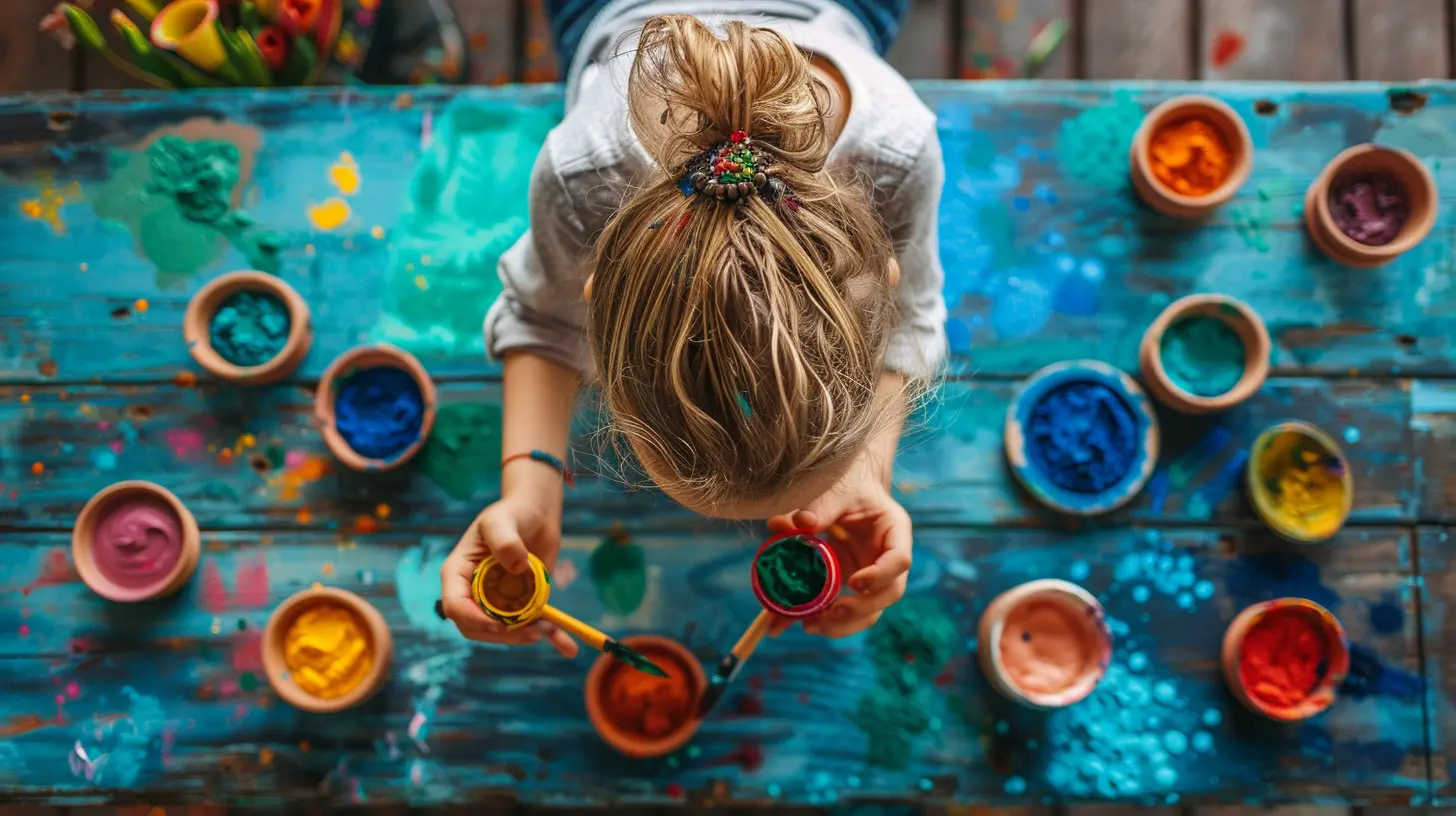
Building Confidence, One Pipe Cleaner at a Time
Kids light up when they create something from scratch. Even if it’s a wonky-looking paper plate mask, the pride they feel is real and powerful.Crafting gives children a sense of accomplishment. They get to be the boss of their project, make choices, and see something through from start to finish. That’s a huge confidence booster for little minds still figuring things out.
And hey, even if their paper dragon ends up looking more like a soggy chicken, they’ll still beam with pride.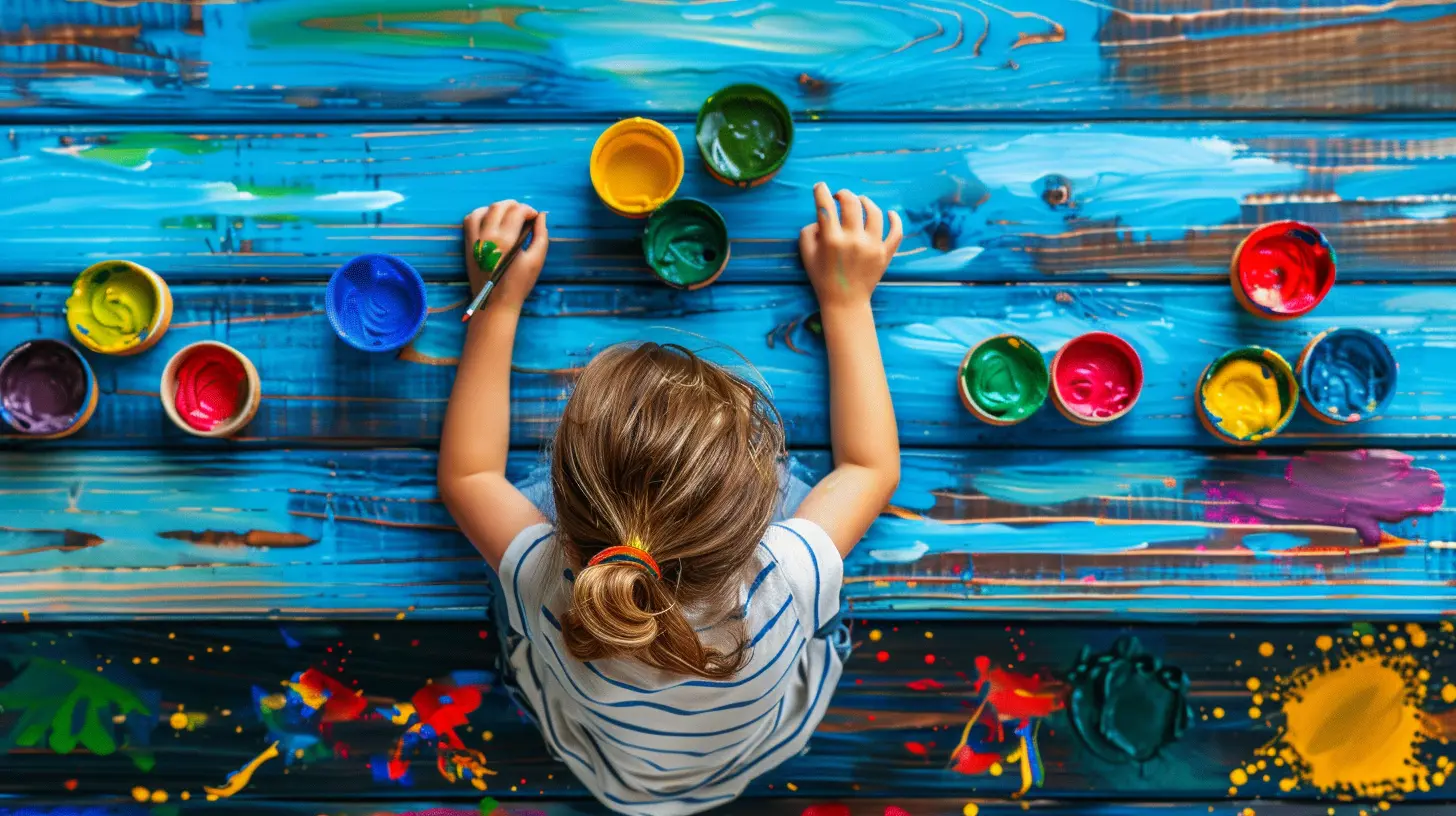
Fine Motor Skills: The Hidden Workout
Who needs a gym when you’ve got scissors, beads, and buttons? Okay, maybe not quite the same, but for tiny hands, crafting is one heck of a workout.Cutting, coloring, folding, gluing—these are all exercises for the fine motor muscles. Each little movement helps develop coordination, dexterity, and hand strength. So while your child is deep in sticker-land, their muscles are doing some serious behind-the-scenes work.
If you’ve ever watched a kid open a new craft kit like it’s Christmas morning, you know—it’s hands-on learning disguised as fun.
Imagination Is the Real MVP
Have you ever asked a kid what they’re drawing and gotten an answer like, “It’s a magical llama spaceship with cupcakes for wheels”? That’s the kind of imagination you can’t program into a tablet.Crafting is the perfect outlet for all that wild, brilliant creativity. There’s no right or wrong way to color a unicorn, and that freedom allows kids to explore their imagination boldly and without fear.
So when kids craft, they’re not just making stuff—they’re storytelling, dreaming, and inventing. And that’s a skill that’ll serve them in every part of life.
Emotional Expression: Say It with Crayons
Kids don’t always have the words to explain how they’re feeling. But give them a box of crayons and a blank sheet, and suddenly you’ve got a window into their world.Crafting is a safe, non-verbal way for children to express themselves. Whether they’re happy, frustrated, sad, or super excited—it shows up in their art. That’s why so many therapists use art as a way to connect with kids.
So don’t worry if the sun in their picture is blue or all the people have triangle heads. It’s not about realism—it’s about expression.
Crafting Keeps Kids Off Screens (At Least for a Bit)
We all know the struggle—screens are everywhere. Tablets, phones, TVs—it’s like technology is the third member of the family. But crafting? It’s a screen-free zone.Crafting gives kids a break from digital overload and encourages them to use their hands and brains in a totally different way. Plus, it strengthens their ability to focus on one task for longer stretches (a near-miraculous feat for some kiddos).
Not to mention, it’s a great way for the whole family to unplug and connect in real life.
Time Together: Quality Over Perfection
Let’s face it—parenting is busy. Between school drop-offs, meals, and the never-ending laundry pile, finding “quality time” can feel like a unicorn quest. But crafting? It creates a natural opportunity to bond.Even if you’re just supervising the glitter usage, sitting side-by-side with your child while they create lets you share stories, laugh at mistakes, and celebrate their masterpiece together.
It’s not about the craft—it’s about the connection.
Mistakes Are the Best Lessons
Glue in the wrong spot? Paint on the table? Beads everywhere but the bracelet? Yup—it’s going to happen.But instead of freaking out (deep breath, friend), use it as a teachable moment. Crafting shows kids that mistakes aren’t the end of the world—they’re just part of the process. That kind of resilience is a life skill every child needs.
Plus, you get to teach them that there’s always a way to fix things, even if it means turning their “oops” into a happy little accident (hello, Bob Ross vibes).
Organization and Planning... Wait, What?
Okay, I know this sounds strange. Crafting and organization in the same sentence? Shocking, right?But believe it or not, crafting teaches kids how to plan ahead (even just a little). They have to think about what they want to make, what materials they’ll need, and which steps to take first.
It might start as chaos, but with a little guidance, your child is learning how to tackle a project from idea to execution. That’s basically Project Management 101.
Independence on the Rise
As kids grow older, crafting becomes something they can do more and more on their own. And let me tell you—watching a child proudly gather supplies and start a creation all by themselves is pure gold.It builds independence and self-reliance. They learn to trust their decisions, solve their own problems, and enjoy the satisfaction of creating something all by themselves.
Fostering a Love for Learning
Craft projects can easily sneak in educational value. Measuring? Hello, math skills. Mixing colors? Welcome to science class. Trying out different textures? That’s sensory exploration right there.Crafting naturally blends play with learning, often without kids even realizing it.
When children are engaged and having fun, their brains are more open to absorbing new concepts. That’s why so many teachers rely on hands-on learning—because it works.
Tips for Making the Most Out of Craft Time
Let’s wrap things up with some quick and easy tips to get the most out of your crafting adventures:- Keep it simple — You don’t need fancy supplies or detailed instructions. Some paper, markers, and tape can go a long way.
- Embrace the mess — Creativity isn’t clean. Throw down a plastic tablecloth and let it happen.
- Join in — Don’t just supervise—get your hands dirty too! Kids love it when you craft alongside them.
- Praise the effort, not the outcome — Focus on what they learned, how focused they were, or how creatively they solved a problem.
- Be patient — There will be glue in hair and permanent marker mishaps. It’s part of the magic.
Final Thoughts: It’s Not Just Crafts, It’s Childhood in Action
So the next time you find yourself knee-deep in glitter and wondering how pipe cleaners ended up stuck to your socks, just remember this: you’re not just crafting, you’re building a foundation.A foundation for confidence, creativity, resilience, connection, and so much more. The macaroni necklace may eventually fall apart, but the lessons? Those will stick around for a lifetime.
So grab the scissors (the child-safe kind), break out the pom-poms, and dive into the mess. Because with crafting—it’s never just about what you make. It’s about what you're making happen.
all images in this post were generated using AI tools
Category:
Encouraging CreativityAuthor:

Noah Sawyer
Discussion
rate this article
1 comments
Rose McNair
Crafting with kids is such a delightful experience. It's not just about the finished project but the laughter, patience, and creativity we share. Those messy moments and little triumphs become cherished memories, teaching them skills that last a lifetime. Totally worth it!
July 31, 2026 at 5:07 PM