Teaching Kids to Respect Your Time and Space as a Parent
27 June 2026
Parenting is a beautiful journey, but let's be honest—it can also feel like a never-ending rollercoaster. Between work, house chores, and the never-ending "Mom! Dad!" calls, it’s easy to feel like you have no personal space or time to yourself. Kids are naturally wired to seek attention, and while their curiosity and need for connection are wonderful, they also need to learn boundaries.
But how do you teach children to respect your time and space without making them feel neglected? Let’s dive into some practical and effective ways to instill this essential life lesson.
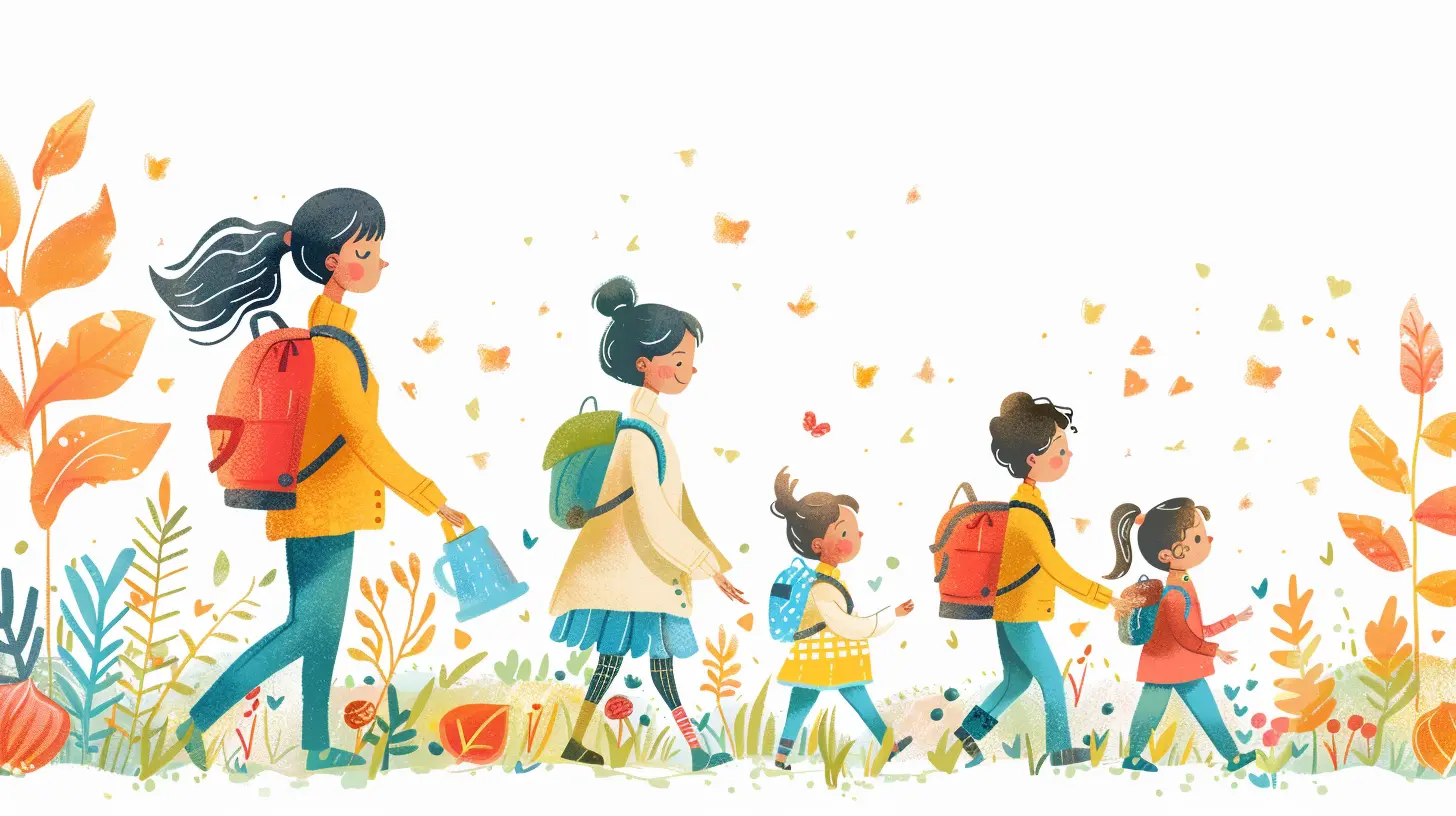
Why Teaching Kids Boundaries Is Important
Children thrive on structure and guidance. Teaching them to respect your time and space isn’t just about making your life easier—it’s about helping them develop essential social and emotional skills.- Builds independence – When kids understand that parents need their own space and time too, they learn to entertain themselves and solve problems on their own.
- Encourages empathy – They begin to see that others have needs, feelings, and emotions just like they do.
- Prepares them for the real world – In school, work, and relationships, respecting personal boundaries is crucial.
Now that we've established the why, let’s move on to the how!

Setting Clear Boundaries
Children need clear guidelines to understand what’s expected of them. If you want them to respect your time and space, you must establish boundaries early on.1. Establish Household Rules
Create simple rules that define personal space and time. These should be age-appropriate and easy for your child to understand. Some examples include:- Knock before entering a room
- No interruptions when Mom/Dad is working
- Quiet time during certain hours
Consistency is key. If you enforce the rule one day and ignore it the next, your child won’t take it seriously.
2. Use Visual Cues
Younger children often struggle with verbal instructions, so visual cues can work wonders. Try using:- A stop sign on your home office door when you need to focus
- A timer to let them know when they can talk to you again
- A special routine (like wearing headphones) that signals "I’m busy"
Kids pick up on patterns quickly, and over time, they’ll start associating these cues with specific boundaries.
3. Teach Respectful Communication
Instead of just saying “Don’t bother me,” teach your child to ask permission before demanding your attention. Phrases like:- "Can I talk to you when you’re done with your work?"
- "I need help, but I can wait until you're ready."
This simple shift helps them recognize that their needs matter, but so do yours.

Managing Time: Creating Balance Between Parenting and Personal Space
Teaching kids to respect your space doesn’t mean pushing them away—it’s about finding a balance where everyone’s needs are met.4. Schedule One-on-One Time
Ironically, one of the best ways to get kids to respect your personal time is by giving them dedicated attention first. When kids feel valued and heard, they’re less likely to interrupt when you need alone time.Set aside quality time each day—whether it’s reading a book, playing a game, or just talking. This reassures them that they have your attention, making them less likely to demand it at inconvenient times.
5. Encourage Independent Play
Children don’t always need parental interaction to have fun. Slowly encourage them to enjoy playing alone. Provide:- Puzzles and books
- Art supplies
- Open-ended toys like building blocks
- Sensory play activities
This not only helps them become more independent but also gives you much-needed breathing space.
6. Designate "Quiet Time" for the Whole Family
Set a period during the day when everyone engages in quiet activities. Whether it's nap time for younger kids or reading time for older ones, this helps reinforce the idea that everyone needs a little downtime.It can also be a great opportunity for you to unwind with a book, a podcast, or just some well-earned silence!

Handling Interruptions Gracefully
Even with the best boundaries in place, kids will still push limits—because, well, they’re kids! Learning how to handle interruptions gracefully will prevent frustration and reinforce positive behavior.7. Use a "Pause and Acknowledge" Approach
Instead of snapping at your child when they interrupt, briefly acknowledge them:- "I hear you, honey. Give me five minutes, and I’ll come to you."
- "I’m in the middle of something, but I’ll check in soon."
This reassures them that they’re not being ignored while still maintaining your boundary.
8. Reward Positive Behavior
Positive reinforcement works wonders! If your child respects your space and waits patiently, acknowledge their efforts:- "I saw how you waited patiently while I finished my work—thank you!"
- "You knocked before entering! That was very respectful."
A little praise goes a long way in encouraging good behavior.
Leading By Example: Practicing What You Preach
Children learn best by watching you. If you want them to respect your time and space, you must also show respect for theirs.9. Respect Their Boundaries Too
If your child asks for privacy while doing homework or playing, honor that. Knock before entering their room, listen when they ask for space, and model polite communication.When they see you respecting their boundaries, it becomes easier for them to do the same for you.
10. Show Self-Care as a Priority
If you constantly neglect your own needs, your child won’t see the value in personal time. Normalize self-care by saying:- "I’m taking a break to recharge."
- "Mom needs five minutes to relax, then we can play!"
This shows them that taking care of oneself is important and something they should also practice.
Conclusion
Teaching kids to respect your time and space isn’t about shutting them out—it’s about creating healthy boundaries that allow both you and them to thrive. By setting clear rules, encouraging independent play, and leading by example, you’ll foster respect, patience, and empathy in your child.Remember, parenting isn’t about perfection; it's about progress. Every small step you take today helps build a foundation of mutual respect that will benefit your entire family. So, take a deep breath, set those boundaries, and enjoy the balance of being both a present parent and an individual who deserves personal time.
all images in this post were generated using AI tools
Category:
Parenting BoundariesAuthor:

Noah Sawyer
Discussion
rate this article
1 comments
Finn Kline
This is such an important topic! Teaching kids about boundaries not only fosters respect but also sets a great example for their future relationships. Great insights here, thank you!
July 5, 2026 at 3:09 PM
Noah Sawyer
Thanks for your comment! I'm glad you found it helpful. Teaching kids about boundaries really does pave the way for healthier relationships later on.