Teaching Kids the Difference Between Rules and Boundaries
2 July 2026
Let’s be real—as parents, we often throw around words like rules and boundaries like they’re the same thing. But they’re not. And teaching kids the difference? That’s parenting gold. It's one of those subtle things that can totally shift how your child behaves and how your home functions.
In this article, we’re going to break down the difference between rules and boundaries, explain why kids need both, and show you how to teach your little ones in a way that actually sticks. So, grab a cup of coffee (or reheat yesterday’s) and let’s chat.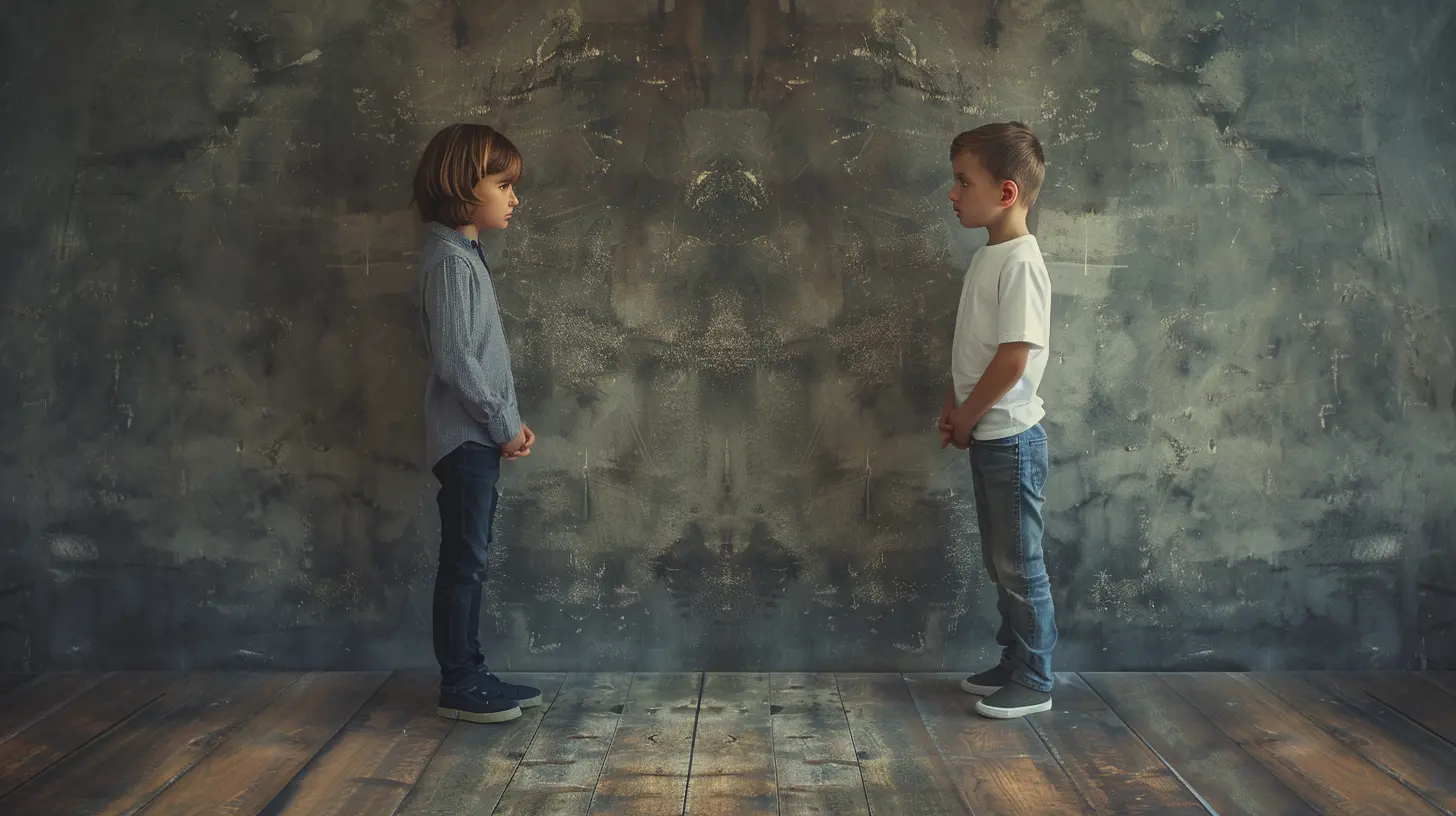
What’s the Big Deal? Why Kids Need to Understand the Difference
Kids are like little scientists—they’re constantly observing, experimenting, and testing limits. If they don’t understand what’s a rule and what’s a boundary, they’ll naturally push both the same way.Think of it like this:
- Rules are like traffic lights. They’re set, non-negotiable, and in place to keep everyone safe and the world running smoothly.
- Boundaries are more like personal fences. They show others where your comfort zone is and help kids understand what’s okay for themselves and others.
When we treat every “no” like a rule, we risk turning parenting into a power struggle. But when we teach both rules and boundaries, we raise emotionally intelligent kids who respect authority and know how to advocate for themselves.
So, What Are Rules?
Rules are the house laws. They’re consistent, clearly stated, and apply to everyone (even you, yes!). Rules help kids know what’s expected of them. They create structure and predictability—two things kids really need, even if they claim they hate it.Examples of Rules:
- No hitting.- Brush your teeth before bed.
- Homework comes before screen time.
- No snacks before dinner.
Rules are about external control. They guide behavior until the child is mature enough for internal control.
And What About Boundaries?
Boundaries are more personal. They’re about understanding where one person ends and another begins. Boundaries can be physical, emotional, or even digital. They teach your child how to protect themselves and respect others at the same time.Examples of Boundaries:
- “I don’t like being tickled.”- “I need some quiet time right now.”
- “You can play with my toys, but please ask me first.”
- “I’m not comfortable hugging Uncle Bob.”
Boundaries teach kids that their feelings matter—and so do the feelings of others.
Why Both Matter for Healthy Development
Kids who grow up with a strong understanding of rules know how to function in school, work, and society. But kids who grow up understanding boundaries develop emotional intelligence, resilience, and self-awareness.When you only teach rules, you get obedience—but possibly at the cost of self-esteem.
When you only teach boundaries, you might raise a kind, empathetic kid who doesn’t respect authority.
But together? You raise a confident, respectful, emotionally savvy human.
Sounds pretty great, right?
How to Explain the Difference to Your Kids (Without the Eye Rolls)
Okay—so how do we actually teach this to kids in a way their brains don’t immediately reject? Here’s a game plan, broken down by age group:For Toddlers:
Keep it super simple. This age is more about modeling than explaining.- Rule: “Hands are not for hitting.”
- Boundary: “Mommy doesn’t like loud screaming. It hurts my ears.”
Toddlers love repetition. Say it often. Show it more.
For Preschoolers:
This age is all about testing—so expect pushback. Use visuals when you can (charts, post-it notes, even drawings).- Rule: “We always wash hands after potty.”
- Boundary: “If you don’t want a hug, it’s okay to say no.”
You can start introducing the word boundary, but keep explanations short and sweet.
For School-Aged Kids:
Here’s where you can start labeling and discussing both rules and boundaries more clearly.Try something like:
“Rules are like the school bell—it tells you when class starts. Boundaries are like your desk. It’s your space and people need to respect it.”
You can even make a game of it. Name a behavior and ask: Rule or boundary?
For Tweens and Teens:
Here’s where discussions become deeper and teachable moments happen.You can say:
“A rule is a shared standard—like curfew. A boundary is something you set—like not sharing your password with friends.”
Use real-life examples, ask their opinion, and encourage them to set their own healthy boundaries.
Teaching Through Everyday Moments
Most of the time, kids won’t sit down for a TED Talk about boundaries. Instead, use those little everyday moments.- When your child says, “I don’t want to play with them today,” respond with: “That’s a healthy boundary. You’re allowed to say that.”
- When they break a rule, calmly remind them why it exists. “We don’t jump on the couch because someone could get hurt.”
- When they say you crossed a boundary? Listen. That’s where real trust is built.
Navigating Gray Areas (Because Life Isn’t Black and White)
Not everything fits neatly into the “rule” or “boundary” box. Some things are both. For example:- Sharing toys: Rule = We take turns. Boundary = You don’t have to share your favorite toy if you’re not comfortable.
- Respecting privacy: Rule = We knock before entering someone’s room. Boundary = “I don’t want to talk about that right now.”
The key is to be flexible without being wishy-washy. Show kids that it’s okay to have personal limits, but there are also shared responsibilities.
How to Handle When Kids Push Back
Spoiler alert: They will.And that’s okay. In fact, it’s good.
Kids push against boundaries and rules because they’re figuring out where the limits are. When your kid challenges a rule, use it as a teaching moment. Ask:
- “Do you understand why this rule exists?”
- “Do you think it’s fair?”
- “Is there a better way to handle it?”
And when they challenge a boundary (yours or someone else’s), ask:
- “How do you think that person felt?”
- “What’s a different way we could show respect?”
Modeling the Behavior (Yep, It Starts With Us)
Let’s not pretend we’re off the hook here. Teaching kids about rules and boundaries means we have to honor them too.If we say “no phones at dinner” and then check our texts mid-bite, we’re sending mixed messages.
If we tell kids to speak up when they’re uncomfortable but then ignore their discomfort, they won't believe us next time.
So yeah—it’s hard. But it’s worth it. Because when we model good boundaries and follow reasonable rules, we're shaping not just behavior, but character.
When to Reevaluate
As kids grow, so should the rules and boundaries. What made sense for your six-year-old won’t work for your sixteen-year-old.- Revisit house rules every few months.
- Encourage your older kids to help create the rules—they’ll be more invested.
- Talk openly about personal boundaries as they mature.
This kind of open-door parenting builds trust and connection. And isn’t that what we’re all aiming for?
Final Thoughts: Rules and Boundaries Aren’t Power Plays—They’re Life Skills
At the end of the day, rules are the scaffolding. Boundaries are the blueprint. Together, they help your kids build a life that’s safe, respectful, and empowering.You don’t have to get it perfect—just be consistent, be kind, and keep the conversation going.
Remember, parenting isn’t just about keeping your kids in line. It’s about teaching them how to walk the line themselves.
all images in this post were generated using AI tools
Category:
Parenting BoundariesAuthor:

Noah Sawyer
Discussion
rate this article
1 comments
Norah Patterson
This article offers valuable insights on navigating the complexities of rules and boundaries. It's essential for children to understand the differences, as it fosters better decision-making and respect for guidelines.
July 3, 2026 at 2:51 PM
Noah Sawyer
Thank you for your thoughtful comment. I completely agree that understanding rules and boundaries is key to helping children make better choices.