Teaching Empathy and Watching It Bloom
4 November 2026
Teaching empathy is one of the most vital aspects of parenting. It's not merely about raising children who can identify their feelings but about nurturing individuals who can connect deeply with others. This journey begins in early childhood and continues through adolescence, shaping how children interact with their peers, family, and the larger world. In this article, we will dive deep into the nuances of teaching empathy, explore practical strategies, and discuss common pitfalls parents might encounter along the way.

Understanding Empathy
What is Empathy?
Empathy can be defined as the ability to understand and share the feelings of another person. It involves recognizing emotions in others and responding appropriately. There are two primary types of empathy:1. Cognitive Empathy: This is the ability to understand another person's perspective or mental state. It involves reasoning and thinking about how someone else might feel.
2. Emotional Empathy: This is the capacity to physically feel what another person is experiencing, almost as if you are sharing their emotions.
Both types of empathy are crucial for healthy social interactions and relationships. Children who develop these skills tend to be more successful in school, have better relationships, and are often more resilient in the face of challenges.
Why is Empathy Important?
Empathy contributes to a child's emotional intelligence, which is a key predictor of success in life. It fosters compassion, reduces bullying, and enhances cooperation among peers. children who understand others' emotions are more likely to build meaningful relationships and navigate social complexities effectively.
The Process of Teaching Empathy
Starting Early: The Foundation Years
Empathy begins to develop in infancy, as babies respond to the emotions of their caregivers. Research suggests that even very young children can recognize when someone is upset. Here are some ways to cultivate this empathy early on:- Model Empathetic Behavior: Children learn by observing. When you express concern for others or discuss feelings openly, your child sees empathy in action. For instance, if you notice someone is sad, openly discuss why that might be and how it makes you feel.
- Encourage Emotional Vocabulary: Teaching your child words for different emotions helps them articulate their feelings and understand others. Use books, stories, or even everyday conversations to introduce terms like "disappointed," "excited," or "frustrated."
- Role-Playing: Engage in role-playing scenarios where your child can practice empathy. For example, pretend-play can involve being a doctor caring for a sick toy or a friend comforting another.
Using Storytelling to Foster Empathy
Stories are powerful tools for teaching empathy. They allow children to see the world through another's eyes. When reading or telling stories:- Discuss Characters' Feelings: After reading, ask your child how they think a character feels and why. This encourages them to analyze emotions and develop a deeper understanding of different perspectives.
- Ask Open-Ended Questions: Questions like "What would you do if you were in that situation?" invite your child to reflect on the character's emotions and think critically about empathy.

Practical Strategies for Teaching Empathy
Engaging in Community Service
Community service is a direct way to teach empathy. When children engage with people from different backgrounds or those facing hardships, they develop a broader understanding of the human experience.- Volunteer Together: Find local opportunities where you and your child can volunteer. This could be at a food bank, animal shelter, or community garden. Discuss the experience afterward to reflect on feelings and challenges faced by those you helped.
- Encourage Perspective-Taking: After volunteering, ask your child how they think the people they helped felt. This will reinforce the practice of considering others' feelings in real-world situations.
Practicing Active Listening
Active listening is a critical component of empathy. It's not just about hearing words but understanding emotions behind those words.- Model Active Listening: When your child speaks, give them your full attention. Avoid interrupting or offering solutions immediately. Instead, validate their feelings and encourage them to express more.
- Teach Them to Reflect: Encourage your child to paraphrase what someone has said to show they are engaged. For instance, they can say, "I hear that you are feeling sad because you lost your toy." This practice reinforces understanding and validation.
Encouraging Emotional Expression
Creating an environment where emotions can be freely expressed fosters empathy. Children should feel safe sharing their feelings without fear of judgment.- Create a Feelings Chart: Use a chart that lists different emotions. Encourage your child to point out how they feel each day. This visual tool can help them become more aware of their own emotions and those of others.
- Use Art as an Expression: Drawing or painting can help children express feelings that are hard to articulate. Discuss their artwork to explore what emotions they are representing and why.

Common Mistakes and Misconceptions
Misconception: Empathy Cannot Be Taught
One of the most significant misconceptions is that empathy is an innate trait that cannot be cultivated. While some individuals may naturally possess higher levels of empathy, research shows that it can be developed through practice and guidance.Common Mistake: Overemphasizing Feelings
While understanding emotions is crucial, simply feeling what others feel does not always lead to empathetic behavior. It is important to also teach children how to act on their empathy, such as offering help or support rather than just feeling sorry for someone.Overprotecting Children from Negative Experiences
In an effort to shield children from pain, some parents may inadvertently limit their exposure to real-world challenges. This can hinder the development of empathy. Instead of protecting them from all negative experiences, allow children to face difficulties in a supportive environment.Best Practices for Long-Term Empathy Development
Consistency is Key
Empathy development is not a one-time lesson. It requires ongoing reinforcement. Regular discussions about feelings, consistent modeling of empathetic behavior, and continued engagement in community service will strengthen these skills over time.Encourage Diverse Friendships
Encouraging children to befriend peers from different backgrounds promotes empathy. Exposure to diverse cultures and experiences broadens their understanding of the world.- Discuss Differences: Talk about the unique experiences of friends from different backgrounds and how those experiences shape their feelings and perspectives.
Foster Critical Thinking
Teaching children to think critically about their actions and the impact of those actions on others can enhance empathy. Encourage them to ask questions like, "How would I feel if that happened to me?"
Conclusion
Teaching empathy is an ongoing journey that requires patience, intention, and consistent effort. By embedding empathy into daily interactions, utilizing storytelling, engaging in community service, practicing active listening, and allowing emotional expression, parents can cultivate a deep sense of empathy in their children. It is an investment in their social and emotional well-being that will serve them throughout their lives.As they grow, the seeds of empathy you plant today will flourish into strong, compassionate relationships and a deeper understanding of the world around them. By prioritizing empathy, you not only enrich your child's life but also contribute to a kinder, more understanding society.
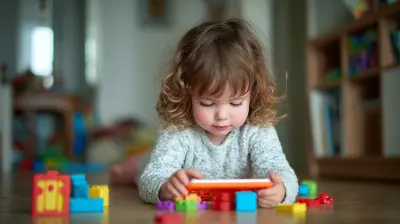
all images in this post were generated using AI tools
Category:
Parenting WinsAuthor:

Noah Sawyer