Sleep Patterns and Brain Growth from Ages 0 to 5
25 August 2026
Few things consume a new parent's thoughts as much as sleep. The constant wake-ups, the short naps, the bedtime battles. But sleep is not just a break from parenting. It is the primary engine of brain development in the first five years of life. During this window, the brain doubles in size, forms trillions of connections, and lays the foundation for every skill the child will ever use. And almost all of that architectural work happens while the child is asleep.
Understanding how sleep and brain growth interact is not about achieving perfect sleep. It is about knowing what is normal, what is adaptable, and what actually matters. This article breaks down the science, the practical realities, and the common pitfalls parents face from birth through the preschool years.
The Architecture of Infant Sleep
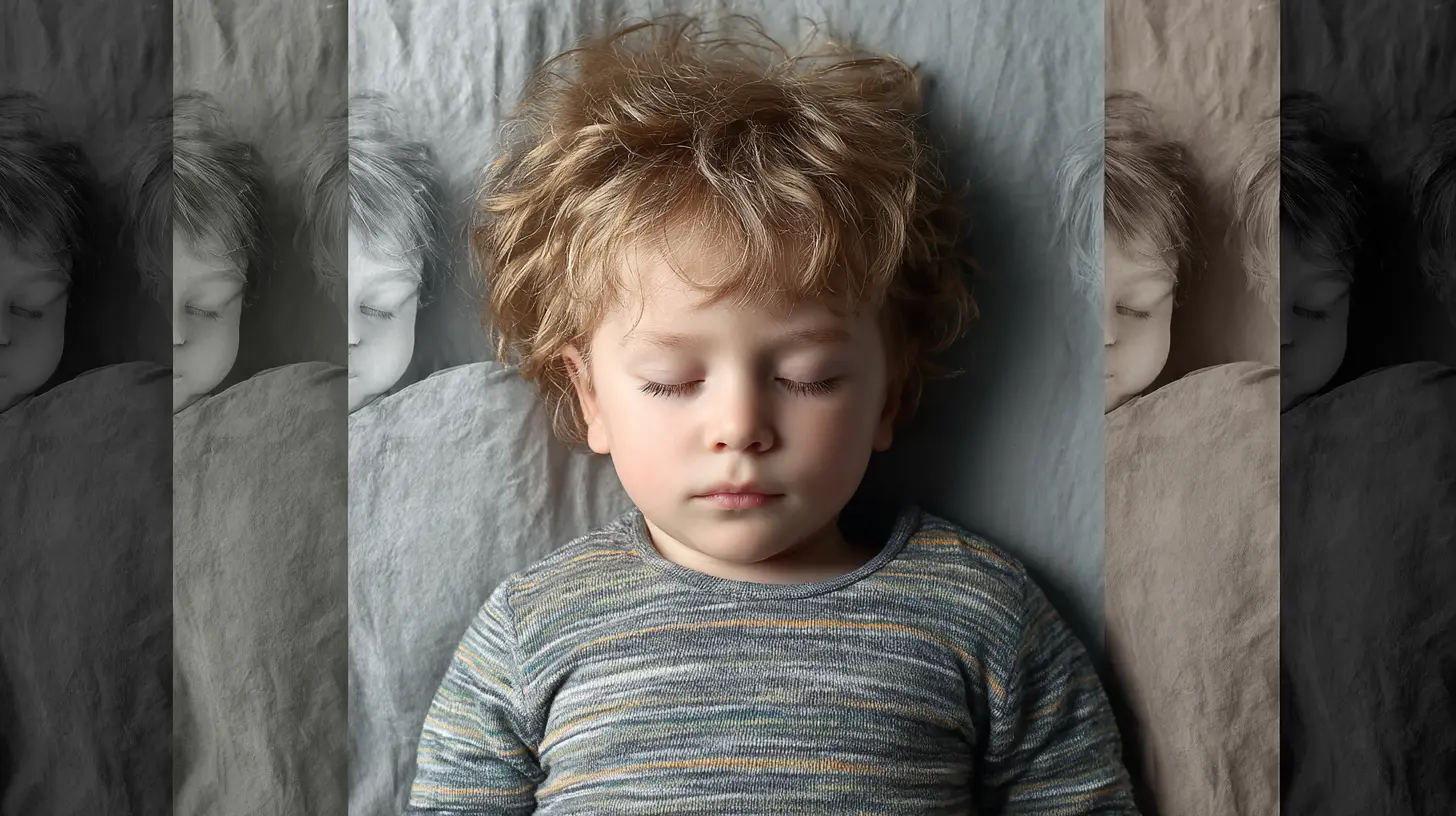
Newborn sleep looks chaotic because it is. A baby does not emerge from the womb with a mature circadian rhythm. They have no internal sense of day and night for the first several weeks. Their sleep cycles are short, their sleep stages are immature, and their need for feeding overrides everything else.An infant's sleep cycle is roughly 45 to 60 minutes long, compared to 90 minutes in an adult. Within that cycle, newborns spend a much larger proportion in active sleep, the equivalent of REM sleep in adults. This active sleep is characterized by rapid eye movements, twitching, irregular breathing, and occasional facial grimaces. Parents often mistake this for wakefulness or distress. It is neither. It is the brain's most intense period of processing.
During active sleep, the infant brain is sorting through the massive amount of sensory input it received while awake. Every sound, every sight, every touch is being catalogued and integrated. This is why newborns can sleep through loud noises but wake at the slightest change in their environment. Their brain is actively listening, even in sleep.
The shift from newborn sleep to more organized sleep happens gradually. By three to four months, many babies begin to produce melatonin in response to darkness, and their sleep starts to consolidate into longer stretches. By six months, a significant number of infants can sleep through the night, though this is far from universal. By one year, most children have a recognizable two-nap schedule, and by three to four years, many have dropped naps entirely.

The Critical Role of Slow-Wave Sleep
Deep sleep, also called slow-wave sleep, is the phase where the most dramatic brain growth occurs. During this stage, the brain releases growth hormone, which stimulates tissue repair and physical growth. But more importantly for the developing brain, slow-wave sleep is when synaptic pruning begins in earnest.Synaptic pruning sounds destructive, but it is actually a refinement process. The brain produces an overabundance of synapses, or connections between neurons, in early life. Many of these connections are redundant or unused. During deep sleep, the brain evaluates these connections and eliminates the ones that are not being reinforced. This process makes the remaining connections faster, stronger, and more efficient.
Think of it like clearing a forest. If you leave every fallen branch and sapling, the forest becomes impassable. Pruning creates clear paths. A toddler who spends her days babbling, stacking blocks, and exploring has a brain full of new connections. Deep sleep decides which of those connections become permanent pathways.
This is why sleep deprivation in young children is so damaging. If a child consistently misses deep sleep, synaptic pruning is incomplete. The brain retains too many weak connections, which slows processing speed and makes it harder for the child to acquire new skills. Over time, this can manifest as delayed language development, poor emotional regulation, and difficulty with attention.

Sleep and Memory Consolidation in Early Childhood
Adults consolidate memories during REM sleep, but young children rely more heavily on slow-wave sleep for memory storage. This has a practical implication: naps matter enormously in the first few years.A landmark observation in sleep research is the difference between how preschoolers and older children use naps. A three-year-old who skips a nap will show measurable deficits in memory recall. She may have learned a new word in the morning, but without a nap, she is less likely to remember it by evening. The nap acts as a save button for the day's learning.
The trade-off is that naps become less necessary as the brain matures. By age four or five, many children can consolidate memories without a nap, because their overnight sleep becomes more efficient. But forcing a child to drop a nap too early, or keeping a child napping when she no longer needs it, both create problems. The former leads to an overtired child who sleeps poorly at night. The latter leads to a child who is not tired enough to fall asleep at bedtime.
The best practice is to watch for the child's cues. If a child resists naps for several consecutive days but remains cheerful and well-regulated in the late afternoon, she may be ready to transition. If she fights the nap but then melts down at 4 p.m., she still needs it.

The Two-Process Model of Sleep: Pressure and Rhythm
Understanding sleep in young children requires understanding two biological processes that work in opposition. The first is sleep pressure, also known as homeostatic drive. The longer a child is awake, the more adenosine builds up in the brain, creating a growing urge to sleep. The second is the circadian rhythm, the internal clock that regulates alertness and sleepiness based on light exposure.In a well-rested child, these two processes align. Sleep pressure is high at bedtime, and the circadian rhythm signals that it is time to sleep. But when a child becomes overtired, a strange thing happens. The body releases cortisol and adrenaline to fight the sleep pressure. The child appears wired, hyperactive, or irritable. Parents often mistake this for a child who is not tired. In reality, the child is exhausted but cannot settle because her stress hormones are elevated.
This explains why a missed nap often leads to a worse night of sleep, not a better one. The overtired child falls asleep later, wakes more frequently, and has more fragmented sleep. The common parental assumption that skipping a nap will make a child sleep longer at night is almost always wrong for children under three.
The practical takeaway is to watch wake windows, the amount of time a child can comfortably stay awake between sleeps. Newborns have wake windows of 45 to 60 minutes. By six months, this stretches to two to three hours. By one year, it is three to four hours. By three years, it is five to six hours. These are not rigid rules, but they are useful guardrails. Pushing a child past her wake window by even 30 minutes can trigger the overtired response.
The Myth of the Perfect Sleeper
There is a pervasive belief that some children are simply good sleepers and others are not, and that this is a fixed trait. This belief is not supported by how sleep develops. Sleep patterns in early childhood are highly plastic. They respond to environment, routine, feeding, and parental response.That said, temperament does play a role. Some infants are more sensitive to noise, light, or changes in routine. Some are more prone to night waking because they are efficient feeders who wake often for small meals. Others sleep in longer stretches from an early age. None of these differences are permanent. A difficult newborn sleeper can become a solid toddler sleeper with consistent routines and appropriate expectations.
The danger of the perfect sleeper myth is that it leads parents to blame themselves or their child when sleep is difficult. This blame creates anxiety, which the child senses. A tense parent does not help a child relax into sleep. The more productive approach is to treat sleep as a skill that develops over time, with setbacks and regressions as normal parts of the process.
Sleep Regressions: What They Really Are
The term sleep regression is misleading. It implies a step backward, as if the child has lost an ability she once had. In reality, sleep regressions are periods of disruption caused by developmental leaps. The brain is undergoing a burst of growth, and this growth temporarily destabilizes sleep.The most well-known regressions occur at around four months, eight to ten months, twelve months, eighteen months, and two years. Each of these coincides with a major cognitive or motor milestone. The four-month regression, for example, marks the transition from newborn sleep patterns to more adult-like sleep cycles. The eight-month regression often coincides with the onset of crawling and separation anxiety. The eighteen-month regression frequently aligns with the explosion of language and the emergence of tantrums.
Understanding what is happening during a regression changes how parents respond. A four-month-old who suddenly wakes every two hours is not being difficult. Her brain is reorganizing how it cycles through sleep stages. The best response is consistency. Maintaining the same bedtime routine, the same sleep environment, and the same soothing methods helps the child's brain adapt to the new pattern.
The mistake many parents make is changing their approach during a regression. They start rocking the baby to sleep when they previously put her down drowsy, or they introduce a feed in the middle of the night that was not there before. This can create a new sleep association that persists after the regression ends. The rule of thumb is to keep the baseline routine as stable as possible, and only make temporary adjustments that can be easily removed.
The Role of Feeding in Sleep Quality
Feeding and sleep are intimately linked in the first year, but not in the way many parents assume. The idea that a full baby sleeps longer is only partially true. A baby who is overfed can experience discomfort from gas or reflux, which disrupts sleep. A baby who is underfed will certainly wake from hunger. The key is feeding enough, not feeding extra.For breastfed infants, the composition of milk changes throughout the day. Evening milk contains higher levels of tryptophan, which the body converts to melatonin. This is nature's way of promoting sleep. But this effect is subtle and does not override the baby's innate sleep patterns.
For bottle-fed infants, the type of formula matters less than the pace of feeding. A baby who gulps down a bottle quickly is more likely to swallow air, leading to gas and discomfort. Paced feeding, where the baby controls the flow and takes breaks, leads to better digestion and more settled sleep.
One common misconception is that starting solids early will help a baby sleep through the night. This is not supported by evidence. The introduction of solids is driven by developmental readiness, not by sleep needs. Starting solids before four months can actually increase the risk of digestive issues and food allergies.
Night Waking: Normal or Problematic?
Night waking is normal at every age, including in adults. The difference is that adults can put themselves back to sleep without fully waking. Young children often need assistance to resettle, especially if they have not yet developed the ability to self-soothe.The question of whether night waking is a problem depends on several factors. Does the waking last more than a few minutes? Does the child fully wake and cry, or does she briefly stir and resettle? Does the waking happen at the same time every night? And crucially, does the parent consider it a problem?
For many families, two or three brief night wakings are manageable. The child stirs, the parent provides a quick pat or a few words, and everyone goes back to sleep. This is not a sleep disorder. It is a normal part of the child's sleep architecture.
The problem arises when night wakings become prolonged, frequent, or require significant intervention to resolve. A child who needs 30 minutes of rocking to go back to sleep, or who wakes hourly, is experiencing fragmented sleep. This can affect both the child's daytime behavior and the parent's mental health.
The approach to reducing problematic night waking varies. Some families prefer gradual methods, where the parent reduces their involvement over time. Others prefer more structured methods, such as timed checks or full extinction. There is no single right answer. The best method is the one that the parents can implement consistently, because consistency is what teaches the child that night waking does not require parental intervention.
The Impact of Screen Time on Sleep
The relationship between screen time and sleep in young children is well documented, though the mechanisms are often misunderstood. Screens affect sleep in three ways. First, the blue light from screens suppresses melatonin production, delaying the onset of sleep. Second, the content of screens is often stimulating, keeping the brain alert. Third, screens replace other activities, such as reading or quiet play, that promote relaxation.For children under two, the recommendation from many pediatric organizations is to avoid screens entirely, except for video chatting. For children aged two to five, the recommendation is to limit screen time to one hour per day of high-quality content. But the more important rule is the timing. No screens for at least one hour before bedtime.
The practical challenge is that screens are everywhere. A toddler sees a parent scrolling on a phone and wants to do the same. The most effective strategy is to model the behavior. If the parent puts the phone away in the hour before bed and engages in quiet activities, the child is more likely to follow. This is not always easy, but it is more effective than simply telling a child to stop using a device.
Temperature, Light, and Sound: The Sleep Environment
The physical environment plays a significant role in sleep quality, and this is often overlooked. The ideal sleep environment for a young child is cool, dark, and relatively quiet. Cool means around 68 to 72 degrees Fahrenheit. Dark means blackout curtains or shades, because even small amounts of light can disrupt melatonin production. Quiet means a consistent low level of background noise, such as a white noise machine, which masks sudden sounds that could startle the child awake.The trade-off with white noise is that it can become a crutch. If the child requires the noise to fall asleep, she may struggle in environments where it is not available, such as a hotel or a relative's house. The solution is to use white noise at a moderate volume and to wean it gradually if it becomes a problem. Some families use white noise only during the first few months and then phase it out. Others use it throughout early childhood with no issues.
The temperature issue is often about overdressing. Parents tend to worry that a child is cold, leading to too many layers or heavy blankets. Overheating is a risk factor for sudden infant death syndrome in the first year, and it also disrupts sleep. A good rule is to dress the child in one more layer than an adult would wear comfortably in the same room. The child's hands and feet may feel cool, but the chest and back should be warm.
The Transition from Crib to Bed
The move from crib to bed is a milestone that many parents approach with anxiety, and for good reason. A child in a bed has freedom of movement, which means she can get up, wander, and potentially hurt herself. The timing of this transition matters.The general recommendation is to move the child to a bed when she is about 35 inches tall or when the crib rail is below her chest. But the more important factor is behavioral. If the child is climbing out of the crib, it is time to transition, because the risk of injury from a fall is greater than the risk of a child wandering at night.
The transition itself should be gradual. Keep the bed in the same location as the crib. Use a bed rail to prevent falls. Maintain the same bedtime routine. Some parents find it helpful to start with naps in the bed before moving to overnight sleep. Others prefer to make the switch all at once.
The common mistake is using the bed as a punishment or a reward. The bed should be a neutral, safe space. If the child gets out of bed repeatedly, the parent should calmly return her without engaging in conversation. This can be exhausting for the first few nights, but it establishes the boundary. The alternative, allowing the child to sleep in the parents' bed after the transition, often leads to a difficult habit to break.
The Myth of the Sleepy Baby
There is a popular idea that babies should be put down drowsy but awake, so they learn to fall asleep independently. This is good advice for many babies, but it is not universal. Some infants, particularly those with a strong need for physical contact, will not settle if put down awake. They will cry until they are picked up.For these babies, the drowsy but awake approach needs to be modified. The parent can rock the baby to a state of deep relaxation, almost asleep, and then put her down. Over time, the baby becomes accustomed to falling asleep in the crib rather than in the parent's arms. This is a gradual process, but it respects the baby's temperament.
The opposite mistake is assuming that a baby must be completely asleep before being put down. This creates a sleep association where the baby requires the parent's presence to fall asleep. When the baby wakes in the night, as all babies do, she cannot resettle without the parent. This leads to frequent wakings and exhausted parents.
The goal is to find the sweet spot between drowsy but awake and fully asleep. For most babies, this is a state of deep relaxation where the eyes are closed, the breathing is slow, and the muscles are limp. The baby is not fully asleep, but she is close enough that she can slip into sleep without needing the parent.
The Role of Routine and Predictability
Young children thrive on predictability because their brains are constantly trying to make sense of the world. A consistent bedtime routine signals to the brain that it is time to wind down. The routine does not need to be elaborate. A bath, a book, a song, and a cuddle are sufficient. The key is that the routine is the same every night, in the same order, at roughly the same time.The routine works because it creates a conditioned response. The child's brain associates the sequence of events with sleep. Over time, the brain begins to produce melatonin and lower cortisol in anticipation of the routine. This is why a routine that is constantly changing is less effective. The brain cannot predict what comes next, so it remains alert.
The trade-off is flexibility. A rigid routine can become a problem when life intervens, such as a vacation, a family event, or a late flight. The solution is to have a shortened version of the routine that can be used anywhere. For example, a few minutes of quiet cuddling and a single book can substitute for the full routine when necessary.
The Long-Term View
Sleep patterns in the first five years are not a reflection of parenting skill. They are a reflection of a developing brain that is working at an incredible pace. Some children sleep easily, others do not. Some families find their rhythm quickly, others struggle for years. Both experiences are normal.What matters most is consistency, responsiveness, and patience. A child who feels safe and secure is more likely to develop healthy sleep habits. A child who is pushed too hard or ignored too much can develop anxiety around sleep. The balance between these two extremes is different for every family.
The research is clear that sleep is essential for brain growth, memory, and emotional regulation. But the research is equally clear that there is no single correct way to achieve good sleep. The best approach is the one that works for the child and the parents, that can be sustained over time, and that adapts as the child grows.
Sleep is not a battleground. It is a partnership between parent and child, guided by biology and shaped by environment. Understanding the science behind sleep patterns and brain growth gives parents the confidence to make decisions that are right for their family, rather than chasing an impossible ideal.
all images in this post were generated using AI tools
Category:
Developmental StagesAuthor:

Noah Sawyer
Discussion
rate this article
2 comments
Nathan Lopez
Healthy sleep fuels bright futures for kids!
September 3, 2026 at 2:57 PM
Noah Sawyer
Absolutely! Quality sleep is crucial for kids' development and long-term success.
Valen Harmon
Understanding sleep patterns in early childhood is crucial. Quality sleep directly influences brain development, impacting cognitive skills and emotional health. Prioritizing consistent sleep routines can foster a child's growth and learning potential.
August 29, 2026 at 4:57 AM
Noah Sawyer
Absolutely, establishing consistent sleep routines is essential for optimal brain development in early childhood. Quality sleep lays the foundation for cognitive and emotional growth.