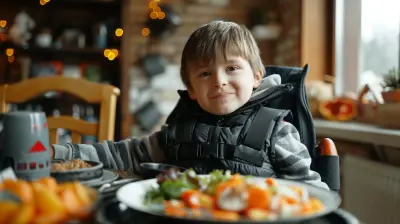
Raising Resilient Kids: Setting Intentions for 2026
23 April 2026
Ah, parenting. It’s like trying to juggle flaming torches while riding a unicycle on a tightrope strung between two skyscrapers. It’s exhilarating, terrifying, and, let’s be honest, sometimes you just want to throw in the towel and binge-watch your favorite series. Yet, amidst the chaos, we have an incredible opportunity to shape our children into resilient beings. So, as we look toward 2026, let’s talk about setting intentions for raising resilient kids.

Understanding Resilience: Why It Matters
Before we dive into the nitty-gritty of intentions, let’s take a moment to reflect on resilience. What does it really mean? Think of resilience as a rubber band. It stretches and bends but never breaks. Children face challenges, setbacks, and disappointments all along their journey, and resilience helps them bounce back stronger.The Importance of Resilience in Today’s World
In our fast-paced, ever-changing world, resilience isn’t just a nice-to-have; it’s essential. From academic pressures to social media influences, kids today face unique challenges. You wouldn’t send your child out into the wilderness without a map, right? Similarly, teaching resilience equips them with the tools they need to navigate life's ups and downs.
Setting Intentions: What Does It Mean?
Alright, so what do we mean by “setting intentions”? It’s not just about making resolutions that gather dust in the corner. Intentions are about creating a mindset—a way of being that guides your actions and decisions. When we set intentions for our children, we’re essentially offering them a roadmap for resilience.Why Setting Intentions is a Game-Changer
Intentions help establish a clear vision. Imagine going on a road trip without a destination; you’d likely end up lost and frustrated, right? Similarly, when we set intentions, we give our kids a sense of direction. It helps them understand what resilience looks like and how to cultivate it in their own lives.
The 2026 Vision: Crafting Our Intentions
Now that we have a grasp on what resilience and intentions are, let’s dive into how we can craft our intentions for raising resilient kids in 2026. Grab a notebook, because things are about to get real!1. Foster Emotional Intelligence
Intent: Encourage open conversations about feelings.Emotional intelligence is like the Swiss Army knife of resilience. It helps kids understand their emotions, empathize with others, and navigate social situations. Start by creating a safe space for your children to express their feelings. Ask them questions like, “How did that make you feel?” or “What do you think your friend was feeling?”
Tip: Use Stories as a Tool
Kids love stories! Whether it’s a book, a movie, or even your own anecdotes, sharing stories that depict emotional struggles and triumphs can help them relate and understand their feelings better.2. Embrace Failure as a Teacher
Intent: Shift the narrative around failure.Let’s face it—failure is a part of life. But instead of fearing it, let’s teach our kids that it’s an opportunity to learn and grow. When they come home with a disappointing grade or don’t make the team, remind them that every setback is a setup for a comeback.
Tip: Share Your “Failures”
Don’t shy away from sharing your own failures with your kids. Let them see that even adults stumble and that it’s perfectly okay. This not only normalizes failure but also shows them how to bounce back.3. Cultivate Problem-Solving Skills
Intent: Encourage kids to find solutions.When your child faces a challenge, resist the urge to swoop in and save the day. Instead, ask guiding questions that encourage them to brainstorm solutions. For example, instead of saying, “I’ll do your project for you,” try, “What ideas do you have to tackle this?”
Tip: Create a “Problem-Solving Toolbox”
Together with your kids, create a “problem-solving toolbox.” This can include strategies like breaking tasks into smaller steps, asking for help, or taking breaks to clear their minds.4. Build a Supportive Community
Intent: Foster connections with family and friends.Resilience isn’t developed in isolation. Encourage your children to build a network of supportive friends and family. Organize playdates, family gatherings, or even a game night. The more connections they have, the more resources they can draw from in times of need.
Tip: Volunteer Together
Engaging in community service not only helps others but also strengthens bonds. It teaches kids the value of kindness and empathy, which are crucial components of resilience.5. Promote a Growth Mindset
Intent: Encourage the belief that abilities can improve.A growth mindset is the belief that intelligence and abilities can be developed through hard work and dedication. Teach your kids that effort, not just talent, leads to success. When they say, “I can’t do this,” gently remind them, “You can’t do it yet!”
Tip: Celebrate Effort over Outcome
Instead of only praising the end result, celebrate the effort they put in. This reinforces the idea that hard work is what truly matters.6. Prioritize Self-Care
Intent: Teach the importance of mental and physical health.Resilience goes hand in hand with self-care. Encourage your children to engage in activities that they enjoy and that help them unwind. Whether it’s painting, playing sports, or spending time in nature, self-care is vital for mental health.
Tip: Create a Family Self-Care Routine
Set aside time each week for family self-care activities. This could be a movie night, a nature walk, or a DIY project. It’s a fun way to bond and prioritize well-being together.7. Encourage Healthy Risk-Taking
Intent: Help them step outside their comfort zone.Resilience is all about learning to take calculated risks. Encourage your kids to try new things, whether it’s joining a new club, trying out for a sports team, or speaking in front of the class.
Tip: Share Your Risk-Taking Experiences
Talk about times you took risks and what you learned from those experiences. This helps them see that stepping outside their comfort zone is a normal part of life.8. Teach Coping Strategies
Intent: Equip them with tools to handle stress.Life can be overwhelming, and knowing how to cope with stress is essential. Teach your kids coping strategies like deep breathing, journaling, or even talking to someone they trust when times get tough.
Tip: Create a “Calm Corner”
Designate a space in your home where your kids can go to calm down when they’re feeling overwhelmed. Fill it with items that help them relax, like stress balls, coloring books, or comfy pillows.9. Model Resilience Yourself
Intent: Be the example they need to see.Kids are like sponges; they soak up everything they see. If you want to raise resilient children, you need to model resilience in your own life. Share your challenges and how you overcame them. Show them that setbacks are a part of life and that you, too, are constantly working on your own resilience.
Tip: Practice Mindfulness Together
Incorporate mindfulness practices into your daily routine. This could be as simple as taking a few minutes each day to meditate or practice gratitude. It’s a great way to bond and cultivate resilience together.
Conclusion: The Road Ahead
As we set our intentions for 2026, let’s remember that raising resilient kids is a journey, not a destination. There will be bumps along the way, but with love, support, and the right mindset, we can equip our children with the tools they need to thrive in an unpredictable world.So, grab that rubber band and stretch it a bit—let’s raise a generation of resilient kids who can bounce back from anything life throws at them!
all images in this post were generated using AI tools
Category:
Parenting GoalsAuthor:

Noah Sawyer
Discussion
rate this article
2 comments
Riff Garcia
Excited to explore strategies for nurturing resilience in kids—what intentions are you setting?
April 29, 2026 at 4:45 AM
Noah Sawyer
I'm focusing on fostering open communication and encouraging problem-solving skills. These intentions should help kids build resilience for the challenges ahead.
Holly McNair
Empower, nurture, guide growth.
April 26, 2026 at 4:54 AM
Noah Sawyer
Thank you. That’s the heart of it—supporting, not controlling, their journey.