Parenting Wins That Will Shape Families in 2026
17 April 2026
Let’s be honest for a second. Parenting often feels like you’re building a plane while flying it. You’re handed this incredible, complex little human and expected to figure it out as you go, with the instruction manual written in a language you don’t quite understand. The turbulence is real. But every so often, you nail a landing so smooth it makes you sit back and think, “Ah, that worked.” Those moments aren’t just wins for the day; they’re the foundational bricks for the family you’re building for tomorrow.
As we look toward 2026, the landscape of family life is shifting beneath our feet. It’s not about some sci-fi fantasy of robot nannies (though, a laundry-folding bot wouldn’t hurt). It’s about a deeper, more intentional evolution in how we connect, guide, and grow together. The “wins” we’re chasing are changing. They’re less about perfect compliance and quiet households, and more about resilience, emotional agility, and genuine connection. So, what are the parenting wins that will truly shape our families in the near future? Buckle up. We’re going beyond the surface.

The Win of Digital Intentionality: From Screen Time to "Scene Time"
We’ve all been there. The glow of a tablet is the modern-day pacifier, a quick fix for a whiny moment. But the winning parent in 2026 isn’t the one who bans all screens—that’s a battle often lost. The win is moving from passive screen time to intentional “scene time.”Think of your family’s digital diet like food. Mindless scrolling is the junk food—easy, addictive, but ultimately empty. Intentional use is the nourishing meal. The win is creating digital “scenes” or contexts with purpose. Maybe it’s a family movie night where you all watch a documentary and discuss it afterward. It could be co-playing a creative building game online, or using a video call to deeply connect with a far-away grandparent, rather than a distracted two-minute hello.
The real victory? Teaching kids to be the directors of their digital lives, not just the audience. This means having open, non-judgmental conversations about algorithms, digital footprints, and online empathy. It’s about modeling the behavior ourselves—putting our own phones in a basket during dinner and saying, “My scene right now is here, with you.” This win builds families who use technology as a tool for connection and creation, not a default setting for disconnection.

The Win of Emotional Granularity: Moving Beyond "Fine" and "Mad"
“How was your day?” “Fine.” “What’s wrong?” “Nothing.” Sound familiar? One of the most powerful wins shaping future families is the move from emotional blurriness to emotional granularity.We often give kids a crayon box of eight basic emotions when their internal experience is a full artist’s studio of nuanced shades. The win is helping them—and ourselves—name the specific color of what they’re feeling. It’s not just “angry”; it might be “frustrated,” “jealous,” “powerless,” or “overlooked.” It’s not just “sad”; it could be “disappointed,” “nostalgic,” “lonely,” or “grieving.”
This is more than vocabulary. It’s validation. When a child can say, “I feel embarrassed because I tripped in front of everyone,” and a parent responds, “That’s a really tough feeling, I get that,” you’ve just built a neural pathway for emotional intelligence. You’ve shown them their inner world is valid and manageable. In 2026, families shaped by this win won’t have members who bottle up until they explode. They’ll have individuals who can articulate their needs, leading to less conflict and deeper intimacy. It turns the home from a pressure cooker into a sanctuary of understood feelings.
The Win of Collaborative Rule-Making: The Family "Constitution"
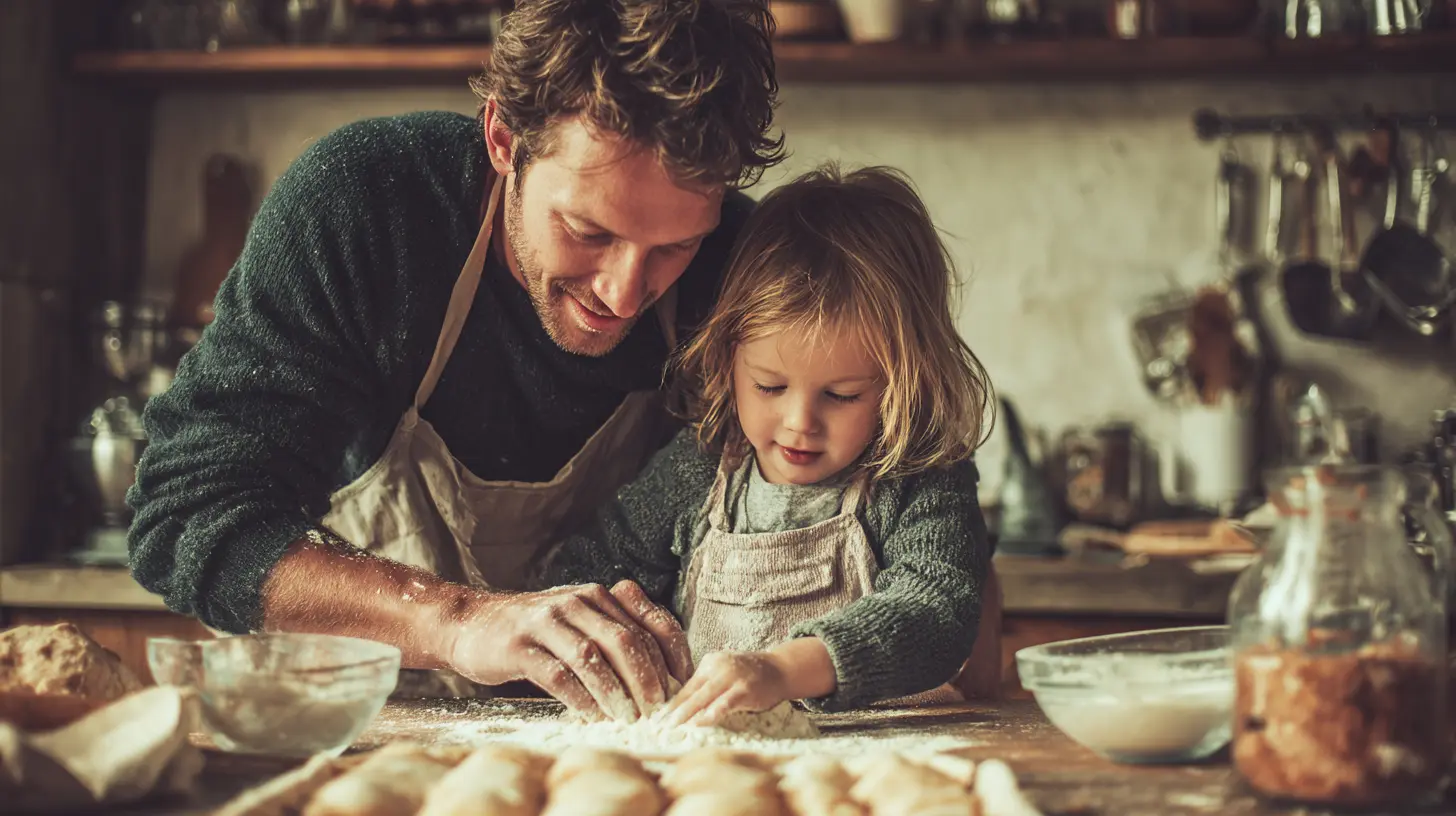
The old model? Parent as benevolent dictator, laying down the law. The new, winning model for 2026? The family as a small democracy, drafting a collaborative family constitution.This isn’t about letting a five-year-old veto bedtime. It’s about involving kids in the process of creating family norms, values, and even consequences. Hold a family meeting. Ask, “What values are important for our home to feel good? Safety? Respect? Kindness? How do we put those into action?” Let them contribute to rules about screen time, chores, and how to handle disagreements. When kids have a voice in the creation, they have more buy-in for the execution.
The win here is monumental. You’re not just enforcing rules; you’re teaching critical thinking, negotiation, and shared responsibility. You’re moving from “Because I said so!” to “Because we all agreed this was fair for our family’s well-being.” This shapes families where children feel respected as contributing members, fostering intrinsic motivation and a powerful sense of belonging. It prepares them for healthy relationships and civic life, all from your living room floor.

The Win of Failure Cultivation: The "First Pancake" Principle
Any pancake pro will tell you: the first one is always a weird, misshapen mess. You toss it out, adjust the heat, and the next ones are golden. This is the “First Pancake” Principle, and embracing it is a parenting win that builds resilient, innovative kids.Our instinct is often to swoop in and prevent failure—to correct the homework before it’s turned in, to intervene in a squabble before it escalates, to ensure every experience is a success. But the win for 2026 is consciously creating a safe space for productive failure. It’s letting them hand in the imperfect project. It’s watching them struggle to assemble a toy without jumping in. It’s normalizing the phrase, “Well, that didn’t work. What did you learn? What’s Plan B?”
When failure is destigmatized, curiosity and perseverance flourish. Kids learn that their worth isn’t tied to perfect outcomes. They become problem-solvers, not praise-seekers. This win shapes families that aren’t afraid of challenges, who see setbacks as data, not disasters. You’re building a home that is a launchpad for experimentation, not a museum of trophies.
The Win of Micro-Connection: The 10-Minute "Nothing" Slot
In the frantic hustle of schedules—soccer, piano, tutoring, work—connection becomes another item on the to-do list. The transformative win is rejecting the myth of “quality time” as a grand, scheduled event and embracing the power of micro-connections.This is a dedicated, short, device-free slot with no agenda. Not to teach, not to correct, not to plan. Just ten minutes of “nothing” with one child. You might sit and watch the birds. You might lie on the floor while they tell you a rambling story about their video game. You might just share a snack in silence. The only rule: you are fully present.
These tiny moments are the glue. They send the unwavering message: “You, as you are right now, are worth my undivided attention.” In a world pulling everyone in a million directions, this win carves out islands of pure belonging. By 2026, families built on these daily micro-moments will have a bedrock of security and trust that can weather any storm. It’s the steady drip that fills the emotional reservoir.
The Win of "Adulting" Apprenticeships
We spend years teaching academics, but often hand over life management skills in a rushed, last-minute tutorial. The forward-thinking win is integrating “adulting” apprenticeships into daily life from a young age.This means moving chores from a list of tasks to a transfer of competence. Don’t just have them take out the trash; have them help you research and compare trash service providers, discussing cost and service. Don’t just assign laundry; teach them how to sort, treat stains, and understand fabric care labels. Involve them in simple meal planning and budgeting for groceries. Let them sit in on (appropriate parts of) a family budget discussion.
The win is two-fold. First, it builds incredibly capable, confident young adults who won’t be bewildered by basic life management. Second, it reframes their role in the family from dependent to contributor. They see the invisible labor that makes a home run and gain respect for it. This shapes families that function as collaborative teams, preparing children not just for tests, but for life.
The Win of Values-Based Tech Curation
This expands on digital intentionality. The win isn’t just monitoring how much tech, but actively curating what tech based on your family’s core values. It’s moving from gatekeeper to curator and guide.If you value creativity, seek out apps and platforms that are generative—where you make music, code games, or produce digital art. If you value critical thinking, engage with them about news sources, discuss how to spot misinformation, and find podcasts or channels that dive deep on interesting topics. If you value connection, use shared digital journals or family photo-cloud projects.
This proactive approach shapes families who don’t just consume digital culture but interact with it critically and creatively. You’re helping them build a personalized, values-aligned digital environment, which is a crucial skill for their future. The home becomes the filter, not the firewall.
Building the Family of 2026, One Win at a Time
These wins aren’t about adding more to your already overflowing plate. In fact, they’re about a shift in perspective. They’re about seeing the mundane moments—the failed pancake, the ten-minute chat, the collaborative rule-setting—not as distractions from parenting, but as the very essence of it.The family of 2026 won’t be defined by perfect report cards or spotless kitchens. It will be defined by its emotional resilience, its digital wisdom, its collaborative spirit, and its deep, woven-in connections. It’s built not in grand gestures, but in these daily, intentional wins. So start with one. Pick the “first pancake” moment or schedule a ten-minute “nothing” slot. That’s how you begin building the plane, and enjoy the flight, together.
all images in this post were generated using AI tools
Category:
Parenting WinsAuthor:

Noah Sawyer
Discussion
rate this article
2 comments
Zinn Larsen
Great insights! It's inspiring to see how innovative parenting strategies can strengthen family bonds. Looking forward to implementing these wins in my own parenting journey!
April 21, 2026 at 2:32 AM
Noah Sawyer
Thank you! I'm glad you found it inspiring. Wishing you all the best on your parenting journey!
Beth Holland
This article highlights crucial parenting wins that can significantly impact family dynamics. Embracing these strategies will foster resilience, communication, and unity, ultimately shaping positive family experiences for years to come.
April 20, 2026 at 2:58 PM
Noah Sawyer
Thanks for your insights! I'm glad you found the strategies valuable for building stronger family connections.