Moments of Emotional Growth That Signify Big Wins
15 September 2026
Parenting is a journey filled with ups and downs, and often, the most significant victories emerge from moments of emotional growth. These moments, while sometimes subtle, can shape the dynamics of relationships and foster resilience in both parents and children. In this article, we will delve into the intricacies of emotional growth in parenting, highlighting what constitutes a "big win," how to recognize these moments, and practical strategies to nurture emotional intelligence in ourselves and our children.
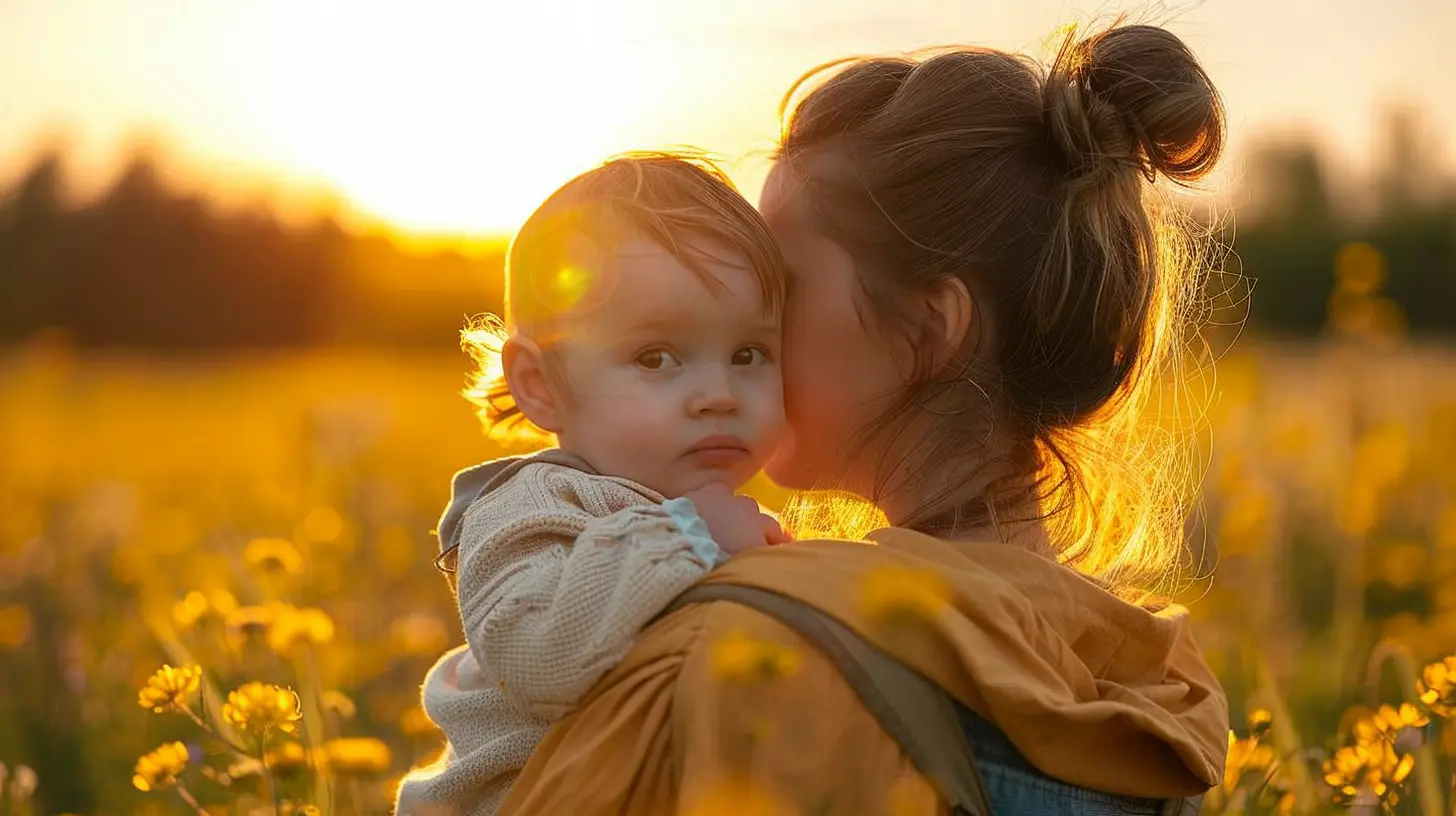
Understanding Emotional Growth
Emotional growth refers to the development of our ability to recognize, understand, and manage our emotions as well as the emotions of others. It is an essential component of emotional intelligence, which plays a crucial role in effective parenting.The Importance of Emotional Intelligence in Parenting
Emotional intelligence helps parents navigate the complexities of their children's feelings and behaviors. By developing this skill, parents can foster a nurturing environment that promotes healthy emotional expression. Here are some key aspects:- Self-awareness: Recognizing one's emotions and understanding their impact on parenting decisions.
- Empathy: Understanding and validating a child's feelings, which builds trust and openness.
- Regulation: Managing one's reactions to emotional situations, particularly during challenging moments.
By cultivating emotional intelligence, parents not only model healthy emotional behaviors for their children but also create a secure attachment that fosters emotional growth.

Recognizing Moments of Emotional Growth
Signs of Emotional Growth in Children
Identifying moments of emotional growth in children can be as rewarding as it is enlightening. Here are some signs that indicate significant emotional development:1. Increased Self-awareness: A child who can articulate their feelings is a sign of emotional maturity. For instance, if a child expresses frustration over a situation and can identify the cause, they are practicing self-awareness.
2. Displaying Empathy: Children who demonstrate concern for others' feelings, perhaps by comforting a peer in distress, are showing empathy. This is a clear indicator of emotional growth.
3. Healthy Coping Mechanisms: When a child encounters disappointment yet manages to process it without resorting to tantrums, they are employing healthy coping strategies. This signifies a substantial leap in emotional maturity.
4. Open Communication: A child who feels safe discussing their emotions and thoughts, even difficult ones, indicates a strong emotional foundation.
Signs of Emotional Growth in Parents
Parents too experience moments of emotional growth. Here are some signs to watch for:1. Increased Patience: When faced with challenging behaviors, a parent who takes a deep breath and responds calmly instead of reacting impulsively demonstrates growth.
2. Reflective Thinking: Parents who take the time to reflect on their parenting choices and the emotions behind them are exhibiting self-awareness, which is crucial for effective parenting.
3. Willingness to Apologize: A parent who acknowledges their mistakes and apologizes teaches children the importance of accountability and emotional honesty.
4. Supportive Responses: If a parent learns to respond empathetically to a child's emotional outbursts rather than dismissing them, it signifies a deeper understanding of emotional dynamics.

Practical Strategies for Nurturing Emotional Growth
Encouraging Emotional Expression
Creating an environment that encourages emotional expression is vital for both parents and children. Here are some strategies:- Model Emotional Honesty: Share your feelings with your children. For instance, if you had a tough day at work, explain what you felt and how you coped. This transparency fosters a safe space for children to express themselves.
- Use Emotion-Focused Language: Help children articulate their feelings by using specific language. Instead of saying "Are you sad?", ask "Are you feeling disappointed because your friend couldn't play today?" This practice encourages emotional vocabulary.
- Create a Feelings Chart: A visual aid can help children identify emotions. Use a chart with faces representing different feelings and encourage them to point to how they feel during various situations.
Building Empathy
Empathy is a cornerstone of emotional growth. Here are some ways parents can foster empathy in their children:- Engage in Role-Playing: Use role-playing scenarios to help children see situations from another person's perspective. For example, during playtime, ask, "How do you think your friend feels when you take their toy?"
- Discuss Stories Together: Reading books and discussing the characters' emotions can help children understand empathy. Ask questions like, "Why do you think the character reacted that way?"
- Volunteer Together: Engaging in community service projects can expose children to different life situations, fostering compassion and understanding for others.
Managing Emotional Responses
Teaching both children and parents to manage their emotional responses is critical. Here are effective approaches:- Deep Breathing Techniques: Teach children to take deep breaths when they feel overwhelmed. This simple practice can help them regain control of their emotions in challenging situations.
- Emotion Journals: Encourage older children to keep a journal of their feelings. Writing about their experiences not only fosters self-reflection but also helps them process emotions more effectively.
- Timeouts for Reflection: Instead of punitive timeouts, consider using reflection time. Encourage children to take a break to calm down and think about their feelings, promoting emotional regulation.
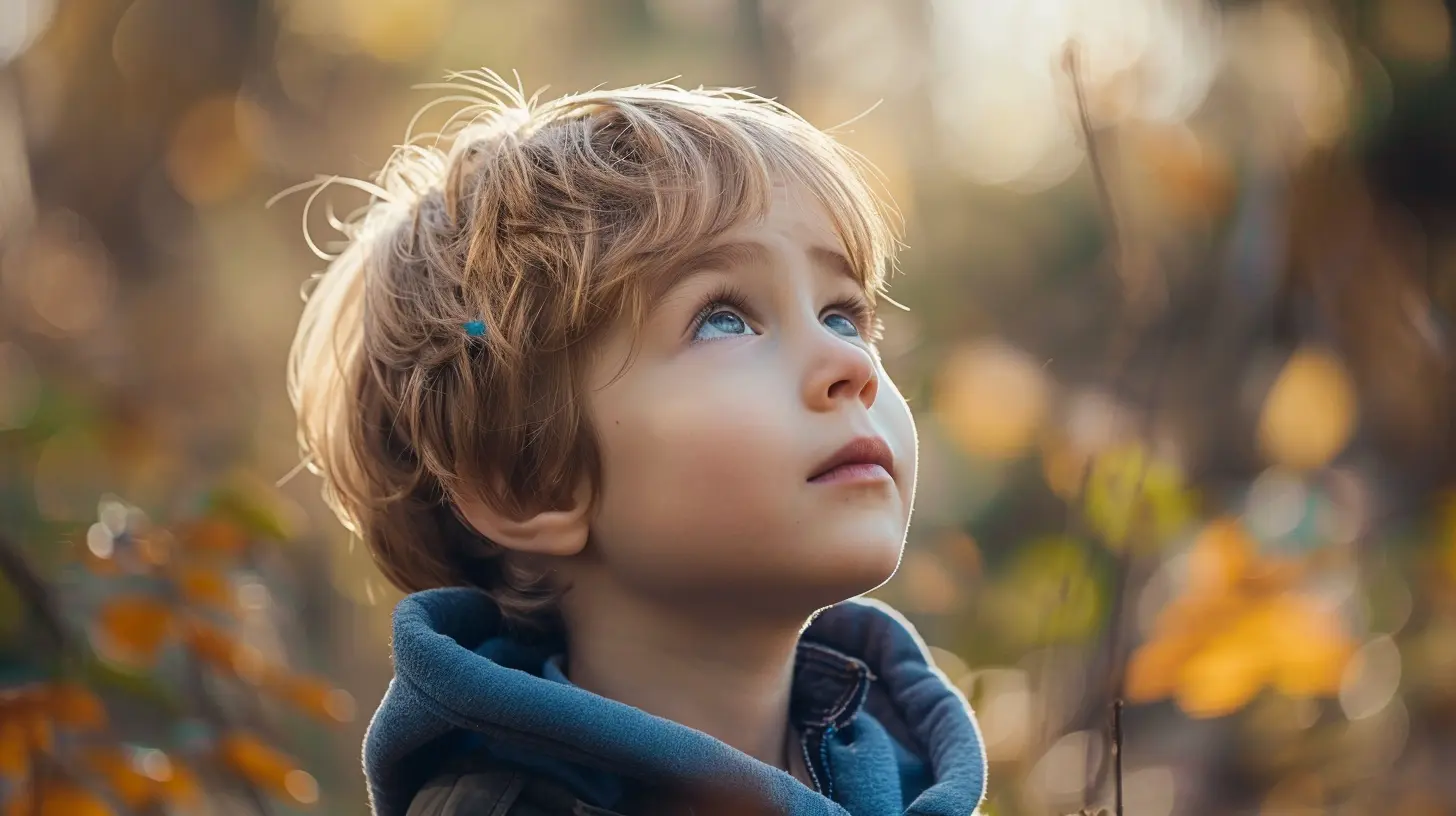
Recognizing and Celebrating Big Wins
What Constitutes a Big Win?
Big wins in emotional growth are not always grand gestures; they are often found in everyday moments. Here are a few examples:- Successful Conflict Resolution: When siblings manage to resolve a disagreement without parental intervention, it indicates growth in communication and negotiation skills.
- Coping with Change: If a child handles a transition, like moving to a new school, with resilience and a positive attitude, it's a significant milestone.
- Constructive Feedback Acceptance: A child who can accept feedback without getting defensive or upset has developed a maturity that is often overlooked but is a vital part of emotional growth.
How to Celebrate Emotional Wins
Celebrating these moments reinforces their importance and encourages continued growth. Here's how to do it:- Positive Reinforcement: Acknowledge and praise your child when they handle emotions well or show empathy. This reinforcement boosts their confidence and encourages them to continue these behaviors.
- Family Discussions: Hold family meetings where everyone shares their emotional wins. This practice not only recognizes individual achievements but strengthens family bonds.
- Create a "Win" Jar: Keep a jar where family members can drop in notes about emotional achievements. Review these notes together at the end of the month to celebrate growth as a family.
Common Mistakes to Avoid
Misconceptions About Emotional Growth
- Believing Emotional Growth is Linear: Many parents assume that emotional growth is a straight path, but it is often cyclical. There can be setbacks. Understanding this can alleviate frustration.- Underestimating the Impact of Modeling: Parents often overlook their influence on their children's emotional development. Children learn from observing their parents, so modeling healthy emotional practices is crucial.
Common Pitfalls in Encouraging Emotional Growth
- Overreacting to Emotional Outbursts: Parents may inadvertently stifle emotional expression by reacting harshly to outbursts. Instead, approach these moments with calmness and curiosity.- Neglecting Self-Care: Parents who do not prioritize their own emotional health may struggle to support their children effectively. Investing in self-care is essential for nurturing emotional growth in the family.
Conclusion
Moments of emotional growth are significant milestones in the parenting journey. Recognizing and nurturing these moments can create a foundation for resilience, empathy, and emotional intelligence in children. By encouraging open communication, celebrating wins, and modeling healthy emotional behaviors, parents can foster an environment conducive to emotional growth. Remember, the journey is ongoing, and even small victories can lead to substantial progress.
all images in this post were generated using AI tools
Category:
Parenting WinsAuthor:

Noah Sawyer