How to Organize Baby Gear in Small Spaces for Maximum Efficiency
28 February 2026
Let’s face it—babies are small, but their gear? Not so much. Between the stroller, diaper stash, toys, clothes, feeding supplies, and that magical baby swing that only works for 5 minutes—your tiny human somehow fills your house with stuff. And if you're living in a small space like an apartment or a cozy home, it can feel like baby gear is taking over your life.
Don't worry, you’re not alone. The good news? With a little creativity and smart organization, you can reclaim your space and still be fully prepared for anything your baby throws your way (literally and figuratively). Ready to tame the baby gear chaos? Let's get into it step by step.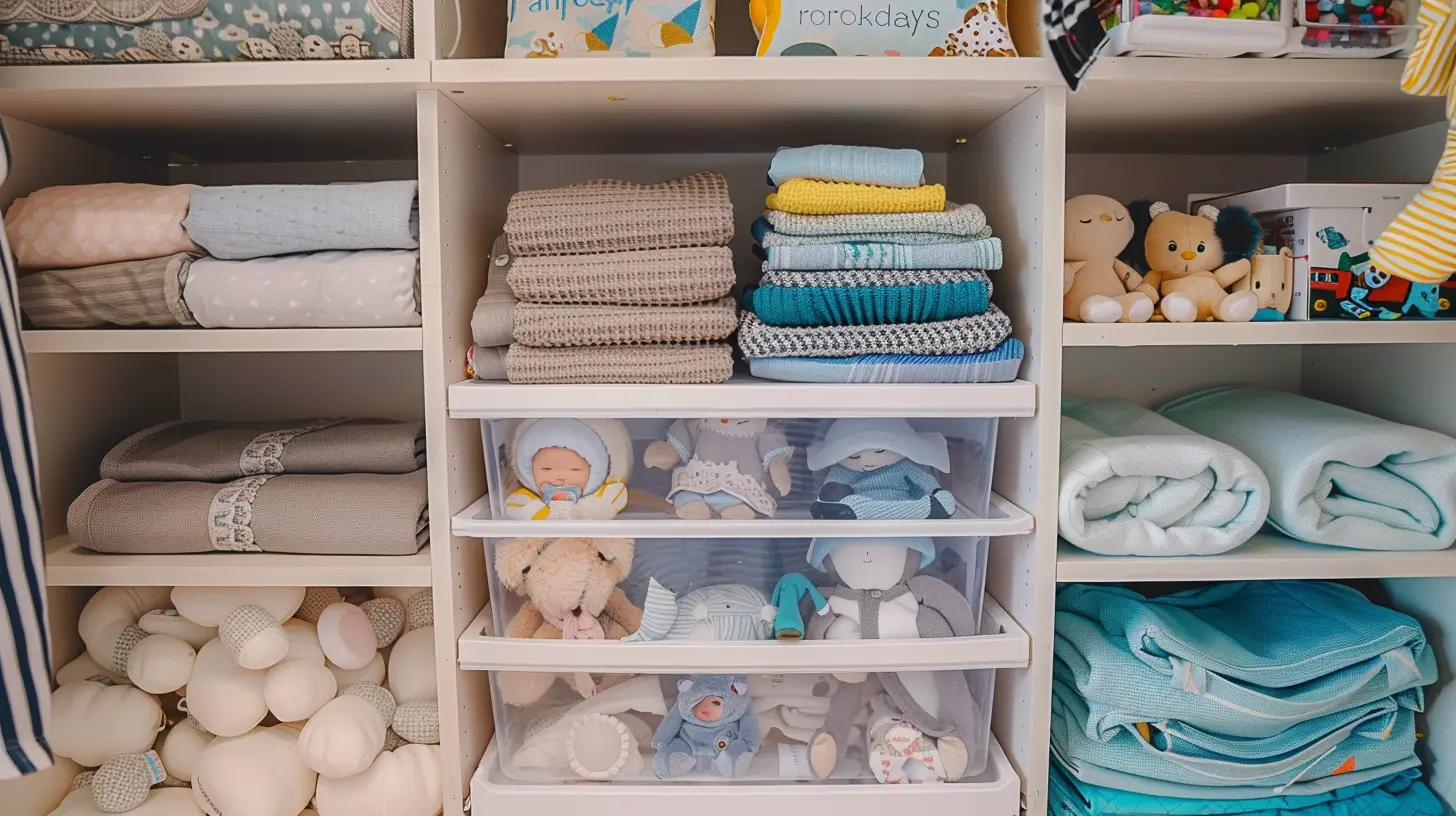
Why Smart Organization Is a Lifesaver with Babies
Before we jump into hacks and clever storage ideas, let’s talk about why organizing baby stuff in small spaces is not just “nice to have”—it’s essential.Babies come with a whirlwind of daily routines: diaper changes, feedings, naps, playtime, bath time... and repeat. When everything has a designated spot, you waste less time searching and more time soaking in those adorable baby giggles. Plus, staying organized keeps your home from becoming a cluttered, anxiety-inducing mess.
So yes, organizing is a sanity-saver. Now let’s dive into some clever ways to make the most of every square inch.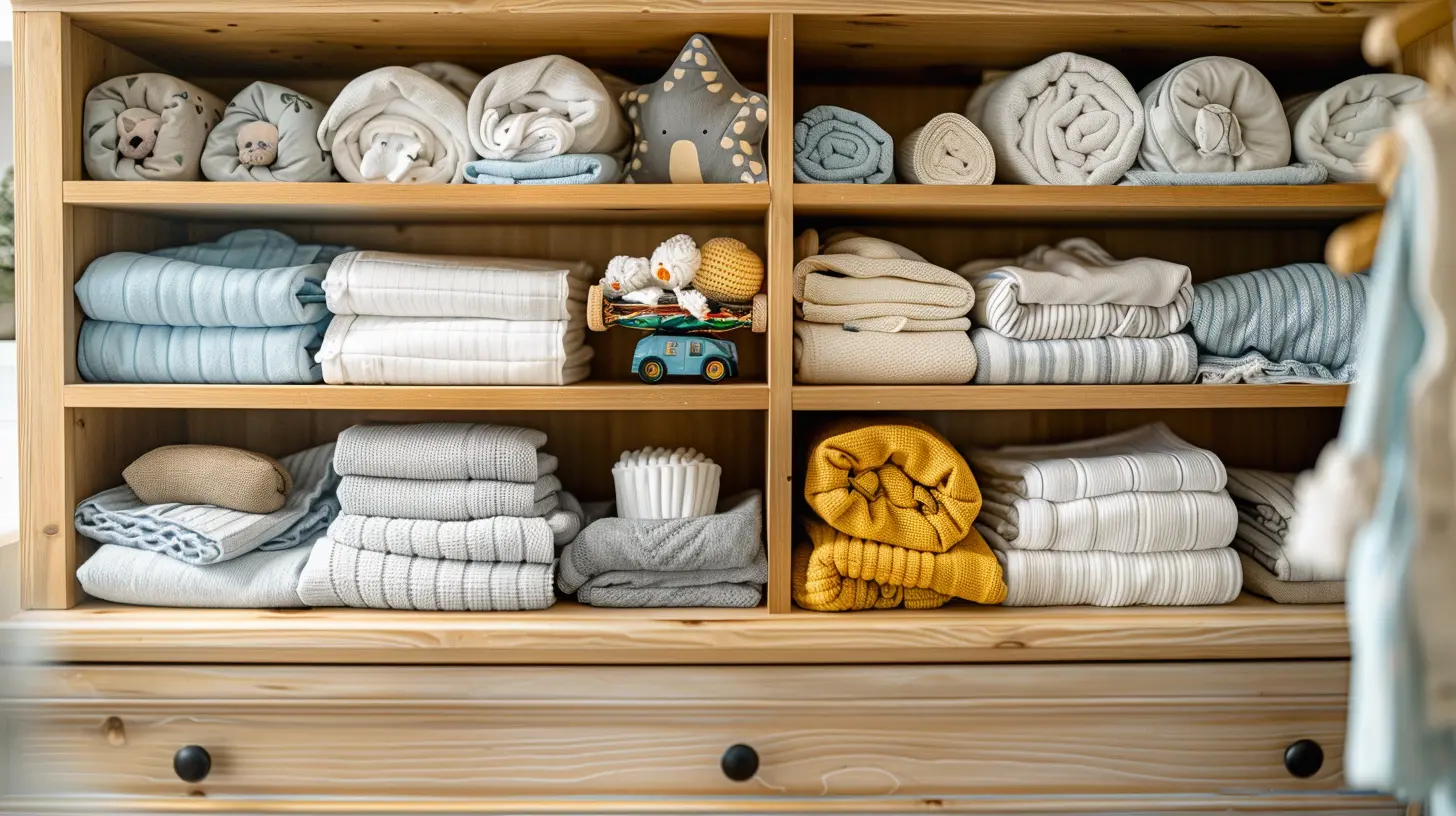
Step 1: Declutter Ruthlessly (And Often)
The first rule of baby gear organization? You don’t have to keep everything.Ask Yourself These Questions:
- Will my baby actually use this?- Is it age-appropriate right now?
- Do I have duplicates?
- Has my baby outgrown it?
Babies grow fast—like, blink-and-you-miss-it fast. That adorable newborn onesie? Useless after six weeks. Regularly purge anything that’s no longer being used or doesn't serve your current routine.
👉 Pro Tip: Keep a donation bin or bag in a closet. When something no longer fits or is no longer used, toss it in. Do a donation drop every couple of months.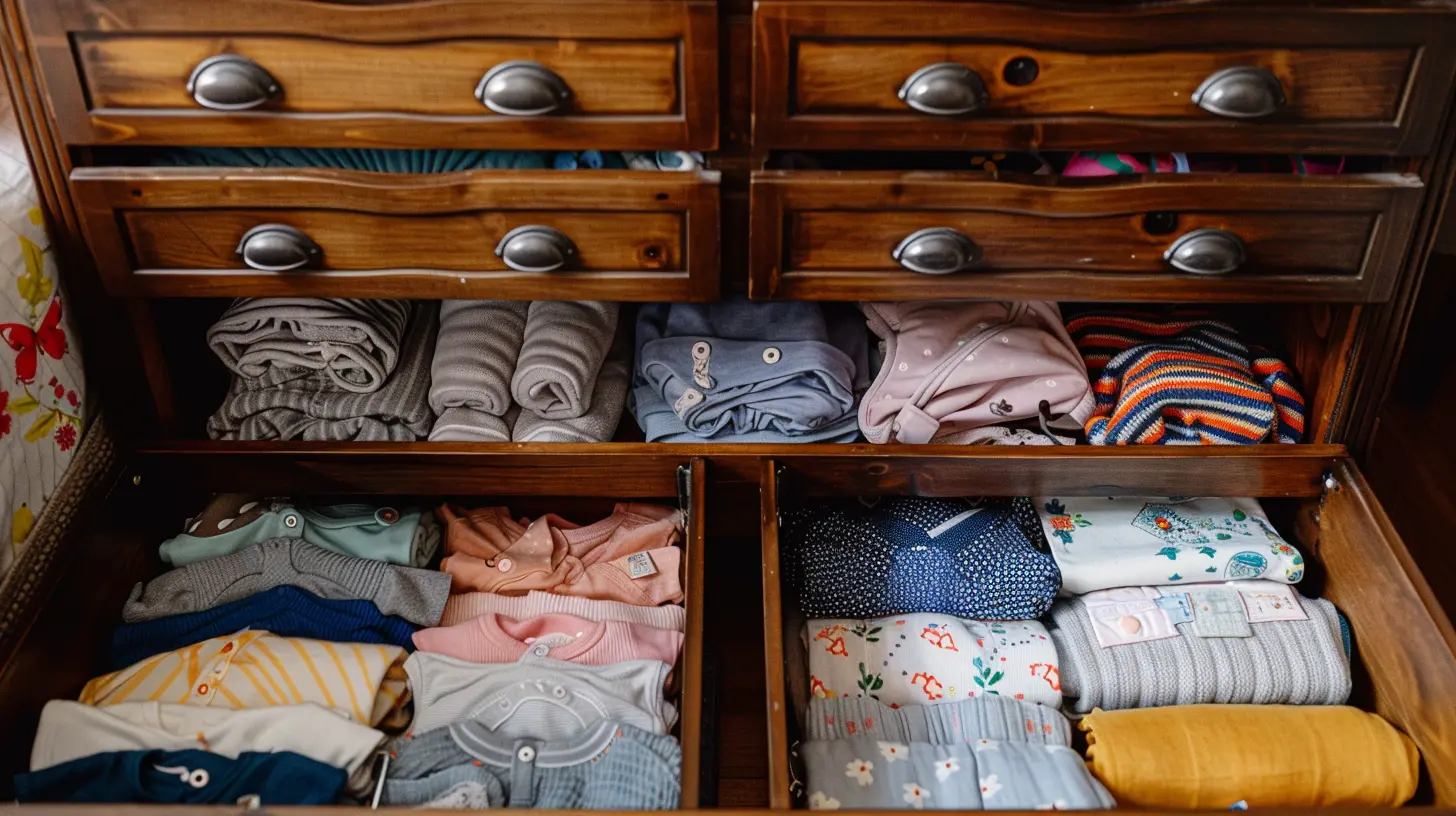
Step 2: Categorize Your Baby Gear
Think of yourself as the Marie Kondo of baby chaos. Sorting gear into categories gives you a better idea of what you have—and what you actually need.Typical Baby Gear Categories:
- Feeding Supplies: Bottles, bibs, breast pump, formula, etc.- Diapering: Diapers, wipes, creams, changing pads.
- Clothing: Everyday clothes, special outfits, seasonal clothing.
- Bathing: Towels, baby shampoo, bath toys.
- Sleep Essentials: Swaddles, white noise machine, pacifiers.
- Toys & Books: Soft toys, board books, play mats.
- Travel Gear: Strollers, carriers, car seats.
Once you have categories, you can assign each a “home” in your space. That’s where the real magic begins.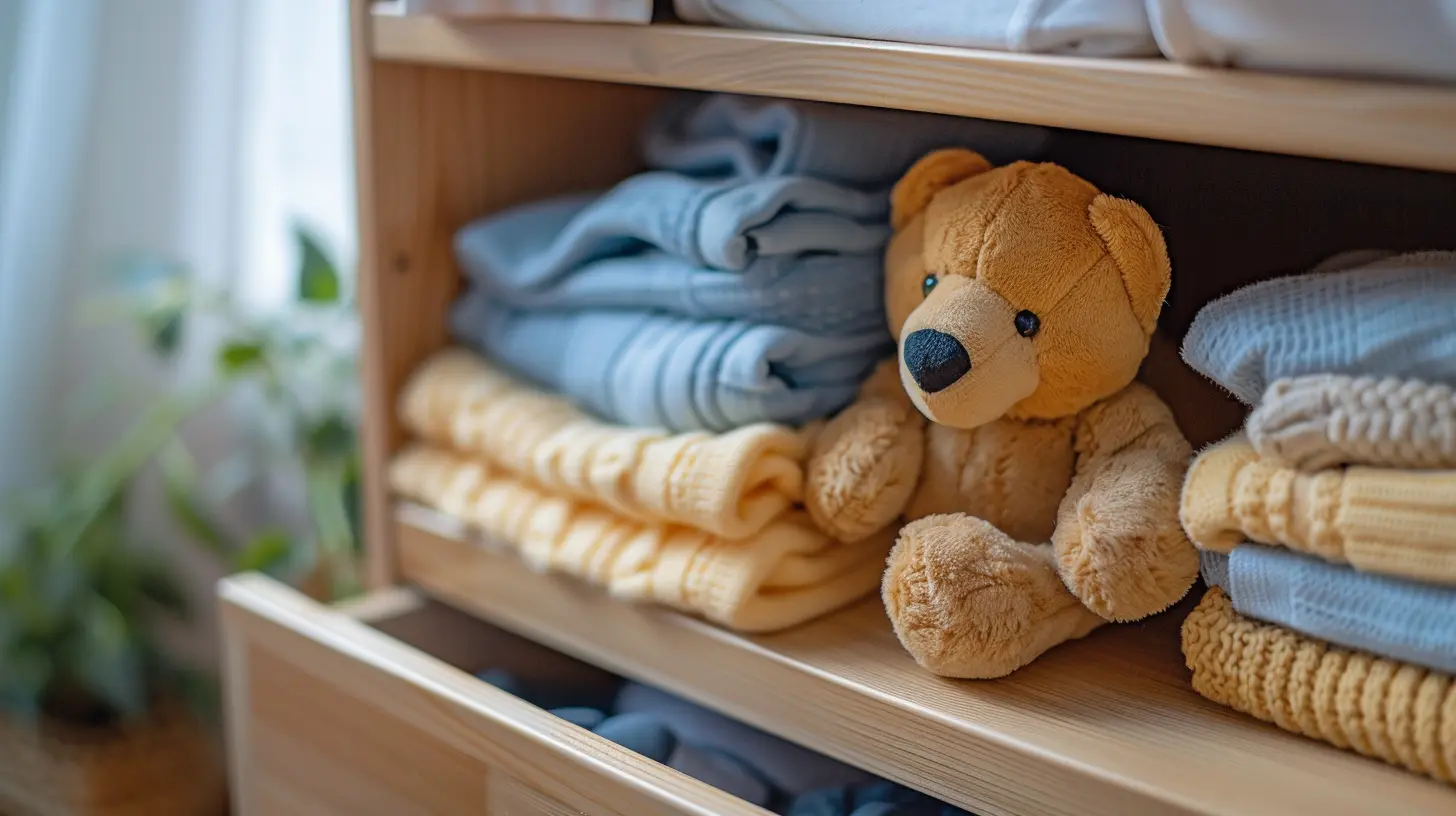
Step 3: Maximize Vertical Space
Small floor plan? Go up, not out.Wall Shelves Are Game-Changers
Install floating shelves in the nursery or above your changing table. Use them to store lightweight items like baby lotions, backup diapers, or even cute baskets holding socks and mittens.And if you’re in a rental? No worries—there are damage-free adhesive shelves and over-the-door organizers that work wonders.
Hanging Storage = Hidden Treasure
- Behind the door: Hang a shoe organizer and fill the pockets with baby socks, hats, or lotions.- Closet rods: Add double closet rods to hang twice as many baby clothes—because those tiny hangers barely take up space!
- Hooks: Stick-on hooks are perfect for hanging bath towels, diaper bags, or bibs.
Think of vertical space as real estate you’ve been ignoring—now it’s time to build a baby metropolis.
Step 4: Embrace Multi-Functional Furniture
In a small space, every piece of furniture should work overtime.Must-Have Space-Savers:
- Changing Table With Storage: Skip the basic table and go for one with drawers or shelves underneath.- Crib With Built-In Drawers: Use this hidden space for extra sheets, swaddles, or even baby clothes.
- Storage Ottoman: Great for your feet and stashing toys or blankets.
- Foldable Baby Gear: Opt for collapsible swings, travel cots, and fold-and-stash bouncers that can be packed away when not in use.
It’s all about furniture that hides your clutter while still being baby-friendly.
Step 5: Use Clear Bins (Label Everything!)
You can't keep what you can't see. That’s why transparent storage bins can be your secret weapon. You’ll thank yourself at 2 a.m. when you’re half asleep and trying to find another burp cloth.Organize Like a Pro:
- Use small clear bins inside drawers to separate socks, mittens, and onesies.- Stack larger bins under the crib or under beds for things like extra diapers or out-of-season clothes.
- Use cute labels like “3M Onesies” or “Tummy Time Toys” for quick access.
👉 Keep a “frequent use” zone near where you spend the most time. For example, keep a mini-diaper caddy next to the couch if that’s where you do most of your changes during the day.
Step 6: Rotate Toys and Clothes
Babies don’t need all their toys at once. In fact, giving them fewer options at a time often keeps them more engaged.Here's How Toy Rotation Works:
1. Choose a small selection of toys and keep them in a basket.2. Store the rest in a bin or closet.
3. Swap them out every week or so.
This technique also works for clothes and books. Seasonal outfits or larger sizes? Tuck them away until you need them. Less visible clutter = more peace of mind.
Step 7: Create “Grab-and-Go” Stations
Nothing’s worse than fumbling for supplies during a blowout diaper situation. That’s exactly why “grab-and-go” stations make life so much easier.Diaper Caddy Must-Haves:
- Diapers, wipes, rash cream- Extra outfit (trust me)
- Disposable changing pads
- Small toy or teether
Place one caddy in the nursery and one in your main living space. You could even make a mini version for the car. You’ll love yourself for it later.
Step 8: Store Vertically in Drawers
We already talked about vertical wall space—but don’t sleep on drawer space either!File-Fold Clothing for More Room
Instead of stacking baby clothes flat, try file folding—just like you might do for your own T-shirts. This method not only saves space but lets you actually see what you have at a glance.Drawer dividers can also help separate categories—like separating pajamas from bodysuits.
Step 9: Think Outside the Nursery
Who says baby stuff can only live in a nursery?If your baby spends time in the living room, kitchen, or your bedroom, use those spaces smartly too.
- Living Room: A cube organizer with storage bins can double as a baby gear hub and adult decor.
- Kitchen: Use a rolling cart for bottles, bibs, and formula. Roll it out when needed, tuck it away when you're done.
- Bedroom: If you're room-sharing, get an under-bed organizer for middle-of-the-night supplies.
The key here is to blend function with style, so your adult spaces still feel like your own.
Step 10: Maintain with a Weekly Reset
The system only works if you keep it up. That doesn’t mean constant cleaning—it just means taking 15 minutes once a week to put things back where they belong.Weekly Baby Gear Reset Checklist:
- Rotate outgrown clothes- Restock diaper caddies
- Rearrange bins as needed
- Toss or donate unused items
It might feel like a pain in the moment, but future-you will be SO grateful when she’s not knee-deep in pacifiers and baby nail clippers.
Final Thoughts: Less Clutter = More Calm
Organizing baby gear in small spaces isn’t about achieving Pinterest perfection—it’s about making your life easier and smoother. The less time you spend digging through drawers or stepping over baby gear mountains, the more time you get to actually enjoy the cuddles, the milestones, and yes, even the diaper changes (kind of).So start small, keep at it, and remember: The goal isn't perfection. It’s peace of mind.
all images in this post were generated using AI tools
Category:
Baby GearAuthor:

Noah Sawyer
Discussion
rate this article
2 comments
Kylie Reese
In the shadows of clutter lie secrets waiting to be uncovered. Discover how the right organization can transform chaos into harmony, revealing hidden treasures amidst the tangle of baby gear and small spaces.
March 1, 2026 at 4:49 AM
Noah Sawyer
Absolutely! Organizing baby gear not only maximizes space but also reveals the hidden treasures that can simplify daily life. Let's transform chaos into harmony!
Jude McIlroy
Smart organization transforms limited space; prioritize versatility and accessibility for efficient baby gear management.
February 28, 2026 at 5:22 AM
Noah Sawyer
Thanks for your insight! Versatility and accessibility really do make a difference in small spaces.