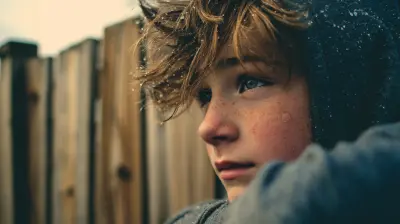
How to Handle Stares and Comments When Out in Public with Your Child
16 January 2026
Let’s be real for a second—parenting is already a wild enough ride without having to field stares and unsolicited comments from strangers every time you step out with your kid. Whether your child has special needs, behaves differently, or doesn’t quite fit into society’s cookie-cutter mold, you’ve probably experienced that look. You know the one. Or worse, the side comments whispered just loud enough for you to hear.
Yeah, it stings.
But here’s the good news—you’re not alone, and you don’t have to just grin and bear it either. Let’s talk about how to navigate this tricky (and honestly, emotionally exhausting) part of parenting with grace, confidence, and your sanity intact.
Why Do People Stare or Comment?
Before diving into how to handle it, let’s unpack the “why.” Understanding the root can help you decide your next move.Some people are simply curious. Others lack empathy. Some haven’t been exposed to diverse experiences, and then there are those who think they’re being helpful but miss the mark entirely.
Still, none of these reasons make it okay. But knowing the “why” can remind us that it’s often more about them than it is about you or your child.
The Emotional Toll It Can Take
Let’s not sugarcoat anything—being stared at or judged in public can feel downright awful. It triggers your mamma bear or papa bear instincts. You might feel embarrassment, frustration, anger, or sadness. All valid.It can also lead to social isolation. Some parents start avoiding public places just to dodge the awkwardness. That’s no way to live.
Remember, it’s okay to feel upset. Emotions are signals, not weaknesses. Let yourself feel it—but don't let it define your day.
1. Build Your Mental Armor
Handling public stares starts by working on the inside first. You need a game plan for your mindset.Know Your Worth (And Your Child’s)
Your child is amazing. You are doing your best. That is enough. Full stop. When you truly believe this, stares start to shrink in significance.Repeat affirmations if you have to. Seriously. Something as simple as, “I’m raising a beautiful human being,” can mentally reset you in those tense moments.
Expect It Without Letting It Beat You
Expecting certain reactions doesn’t mean accepting them. It just means you're prepared. Like carrying an umbrella when it might rain—just in case. Mental prep helps you stay calm instead of getting blindsided.
2. Responding to Stares: Ignore or Engage?
Now let’s get into the real stuff. When someone stares, what can you actually do?Option 1: Ignore Them Into Oblivion
Sometimes, ignoring is the most powerful response. You don’t owe anyone an explanation for your child’s behavior, appearance, or needs. Look past them. Smile. Keep walking.Think of it like tuning out background noise. You choose where your attention goes.
Option 2: Educate with Kindness
If the situation feels right—and you’ve got the emotional bandwidth—you can turn a stare into a teachable moment.Try something like:
_"Hi! I noticed you were curious. My child has autism and sometimes gets overwhelmed in loud places."_
A calm, confident tone shows you’re in control, and often, people back off real quick—or apologize.
Option 3: The Soft Clapback
For the bold at heart, there’s always the witty one-liner._"It’s okay to ask questions instead of staring."_
_"We’re all learning as we go, right?"_
Delivered with a smile, and maybe just the tiniest bit of sass.
3. Dealing with Rude Comments
Unfortunately, comments can be more damaging than stares. Here’s how to handle them without losing your cool.The “Thanks, but We’re Good” Approach
Someone tells you how to “discipline your child better”? Hit them with a:_"Thanks for your concern, but we’ve got this."_
Then walk away. No further explanation needed.
Redirect the Conversation
Offered a backhanded compliment or a wildly uninformed opinion?_"That’s one take. Anyway, have a great day!"_
It shuts the door without starting a fight.
Teach Through a Personal Lens
If someone is genuinely interested but clumsy in their wording, try sharing your story briefly._"I know it might look unusual, but this is our normal."_
It gives a little window into your world—and maybe shifts their perspective.
4. Prep Your Child, Too
Your child may also notice the stares and comments—and they might ask questions.Be Honest in an Age-Appropriate Way
Don’t pretend it didn’t happen. A simple, “Some people don’t understand our situation, and that’s okay,” can go a long way.Empower them to feel proud of who they are. Help them develop their own tools to brush past the noise.
Practice Scenarios Together
Role-play common situations. Give your child scripts they can use, like:_"I’m just being me."_
_"I like who I am."_
Confidence becomes their invisible superpower.
5. Find Your Support System
You don’t have to do this alone. Seriously, don’t.Connect with Other Parents
Support groups—online or local—can be a lifeline. There’s nothing like talking to someone who just gets it.They’ll offer advice, share what works for them, or just lend an understanding ear on those hard days.
Remember the Allies in the Crowd
Not everyone staring is judging. Sometimes, people are admiring your strength.Every now and then, a stranger might give you a supportive nod or a quiet thumbs-up. Those little moments are gold. Hold onto them.
6. Use Humor to Pop the Tension
Humor can be a secret weapon. When things get tense, a lighthearted comment can defuse the situation—for you and the people around you._"We bring the entertainment wherever we go!"_
_"Guess we’re today’s main attraction!"_
It turns you from the target into the narrator of your own story.
7. Create Peaceful Exits
If a situation is getting too intense, there’s no shame in leaving. Your peace comes first. Always.Have a go-to exit strategy. Maybe it’s a quick trip to the restroom to regroup. Maybe it’s heading to the car for a breather. Give yourself permission to hit pause when needed.
8. Celebrate the Wins
Every time you choose calm over chaos, that’s a win.Every time your child smiles despite the stares? Win.
Every time you go out again, even after a tough experience? Huge win.
Acknowledge these moments. They matter.
Final Thoughts: You Are Fierce, and You Are Not Alone
Let’s face it—public parenting isn’t always pretty. But your child deserves to be seen, and so do you. The next time someone stares or makes a comment, remember: You’ve got tools. You’ve got power. You’ve got a community that gets it.So go ahead and walk tall, push that stroller, hold that tiny hand, and remind the world that your family belongs everywhere.
On the sidewalk. In the store. At the park.
Everywhere.
all images in this post were generated using AI tools
Category:
Special NeedsAuthor:

Noah Sawyer
Discussion
rate this article
2 comments
Thalyn Klein
Every parent faces stares—focus on your child’s joy and embrace your unique journey!
January 20, 2026 at 4:49 PM
Noah Sawyer
Thank you for your insight! Embracing our children's joy truly helps us rise above the stares and comments.
Fern McMillen
Smile, you're rocking this journey!
January 16, 2026 at 4:56 AM
Noah Sawyer
Thank you! Embracing the journey makes all the difference! 😊