How to Handle Sibling Rivalry Between Boys
12 February 2026
Sibling rivalry — it’s a term we hear a lot, but until you've got a couple of boys wrestling over the TV remote or accusing each other of "breathing too loudly," you might not fully grasp the depth of it. If you’re a parent of two or more boys, you’re likely no stranger to sibling squabbles, jealousy, or even full-on wrestling matches in the living room.
Let’s be real — boys can be intense. They’ve got energy to burn, competition in their blood, and emotions that can go from zero to sixty in 2.5 seconds. But guess what? This rivalry doesn't have to be a daily battlefield. With a bit of patience, a healthy dose of understanding, and a few solid strategies, you can turn those punches and passive-aggressive glares into something more positive. Let’s dive into how to handle sibling rivalry between boys — without losing your sanity.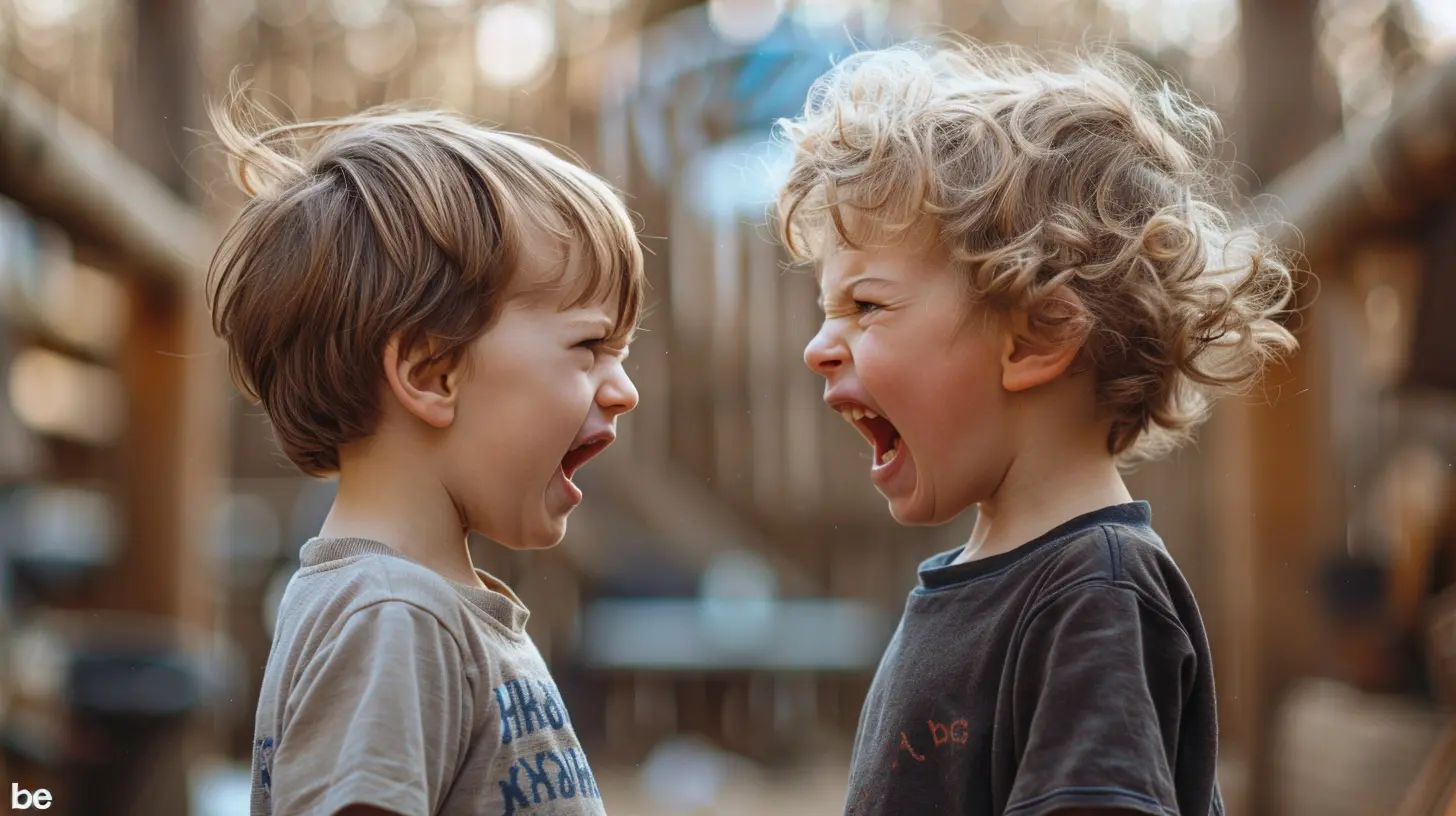
What Sparks the Rivalry Between Boys?
Before you can fix it, you’ve got to understand it. Rivalry between brothers often gets its fuel from a few key areas:- Competition for attention – Kids crave attention from their parents. If one feels like the other is getting the spotlight, cue the drama.
- Personality clashes – Just like adults, not all siblings mesh perfectly. One might be quiet and sensitive, the other loud and impulsive.
- Age and developmental stages – A 10-year-old and a 5-year-old are in completely different headspaces. Expectations and abilities aren’t aligned.
- Jealousy and comparison – “He has more friends!” “You love him more!” These kinds of thoughts can build resentment.
- Lack of personal space or boundaries – Sharing rooms, toys, and parents can feel like too much togetherness at times.
So if you're wondering, “Why can't they just get along like the kids on TV?”, well, it's probably one (or all) of the above.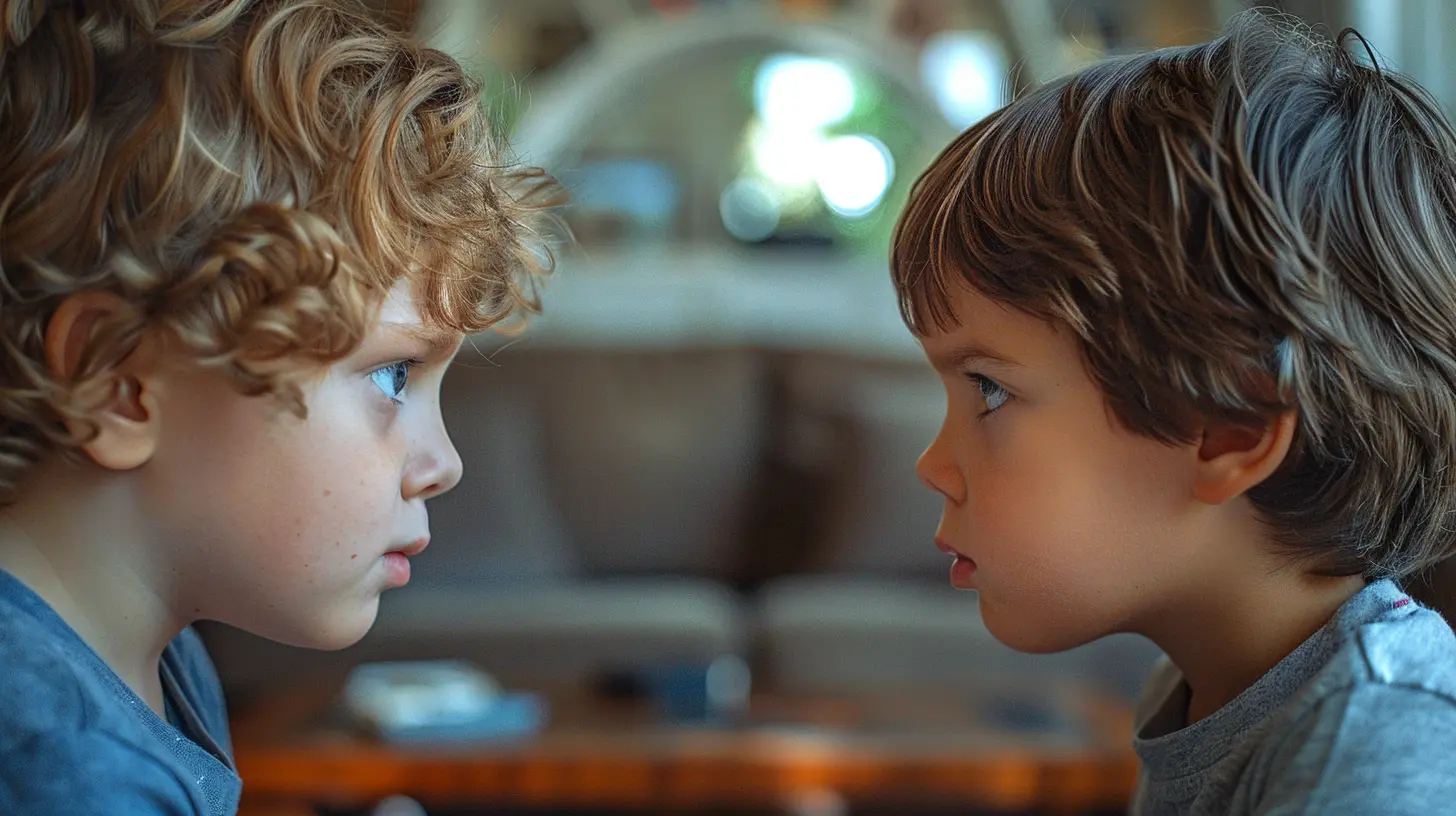
Understanding Boys’ Emotional Wiring
Let’s clear something up: boys feel emotions just as deeply as girls do. The difference? They often express them in more physical or external ways. You might see anger instead of sadness or silence instead of vulnerability.Boys, especially those under 12, might not yet have the vocabulary (or comfort) to explain, “I’m jealous that my brother won the science fair.” Instead, you'll get a punch to the arm or a sarcastic comment at dinner.
That’s why teaching emotional literacy is step #1. And it's never too early or too late to start.
Encouraging Emotional Expression
- Model it yourself – Talk about your feelings, even the small ones. “I felt frustrated when traffic made us late.”- Name the emotion – Help your boys put words to what they feel: “Sounds like you're feeling left out because your brother got to go first.”
- Validate, don’t dismiss – Instead of “Oh, you’re fine,” try “I can see why that upset you.”
Giving them the tools to name their emotions gives them the power to manage them — rather than letting them explode all over their sibling.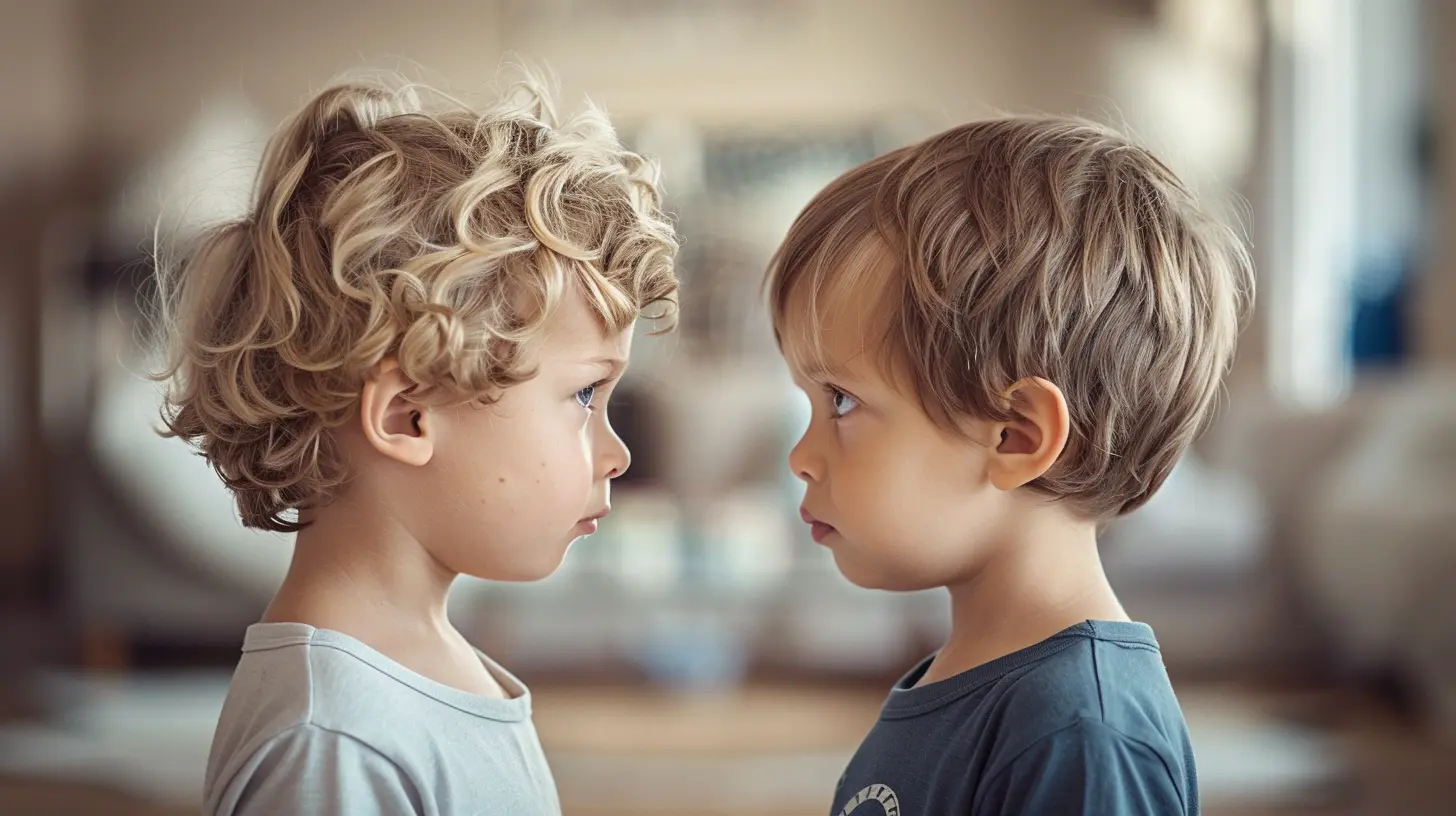
Set Clear and Consistent Boundaries
Everyone needs to know the rules of the game. Without clear boundaries, boys will test limits all day long (and probably well into the evening).Create Family Rules Together
Get the boys involved in making the rules. It gives them a sense of ownership—and makes them more likely to follow through. Keep it simple:- No hitting or hurting
- Speak kindly (yes, even when you're mad)
- Respect each other’s space
Post these rules somewhere visible (kitchen fridge, bedroom wall), and refer back to them often.
Stick to Consequences
If there’s no follow-through, rules are just suggestions. Keep your consequences clear and consistent. Whether that’s a time-out, loss of privileges, or extra chores — make sure they understand the “why” behind it.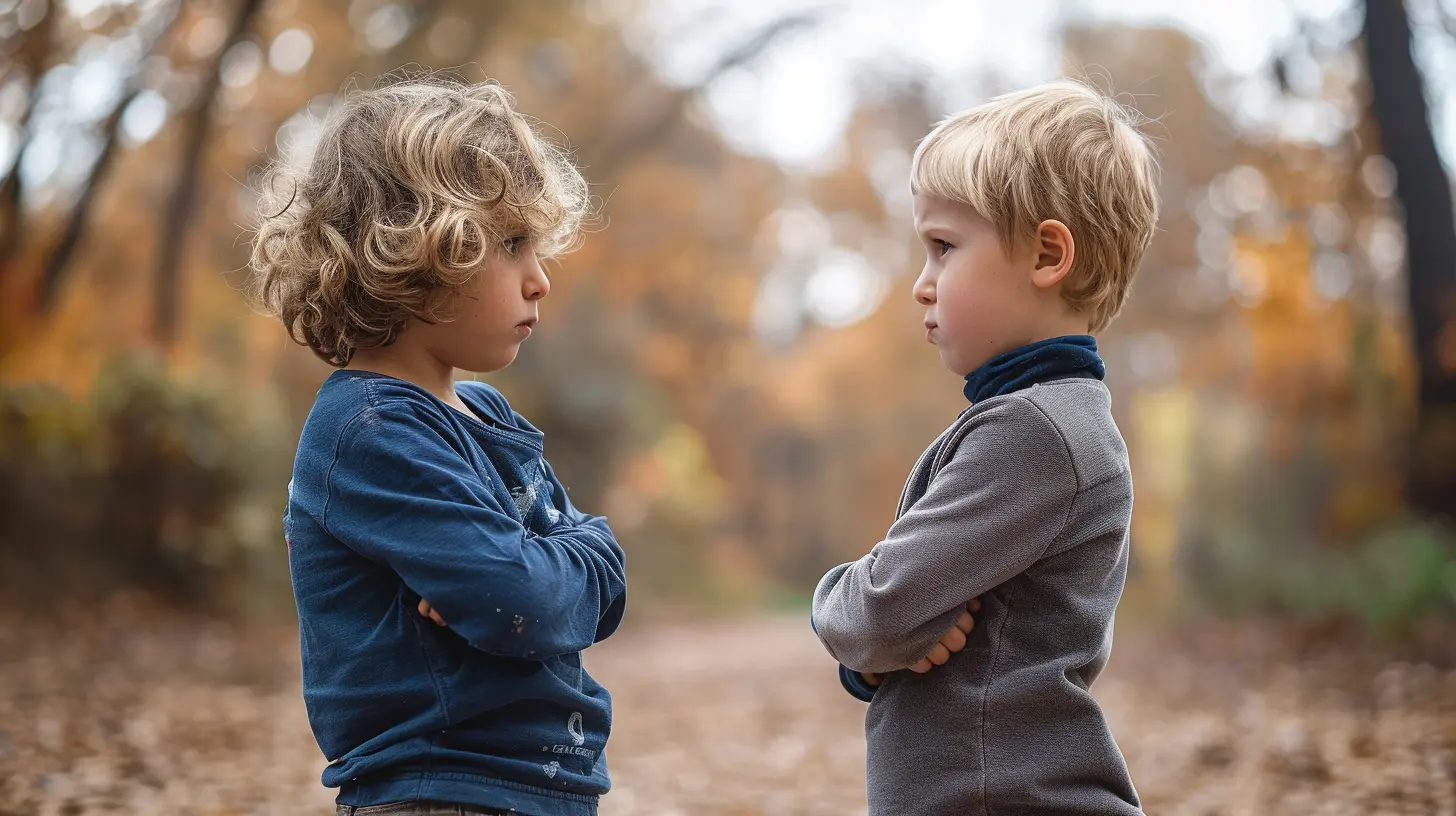
Don’t Compare — Ever
This one’s huge. Avoid comparing your boys at all costs.Saying things like:
- “Why can't you be more like your brother?”
- “He never gives me this kind of trouble.”
These phrases can dig deep and damage their relationship long-term. It creates a “winner” and a “loser.” Instead, focus on individual strengths:
- “I noticed how patient you were with your little brother today.”
- “You were so creative in how you solved that problem.”
Celebrate what makes each child unique — not who did it better.
Foster Teamwork Over Competition
Boys naturally want to be the king of the hill. They've got that internal “I must win” mindset. Channel that energy into something constructive.Encourage Shared Goals
Have them team up:- Building a LEGO masterpiece together
- Cooking dinner for the family (and cleaning up — let’s be honest!)
- Working together on a puzzle or craft project
When boys work together, they start seeing each other as allies—not adversaries.
Create a “Brothers Only” Tradition
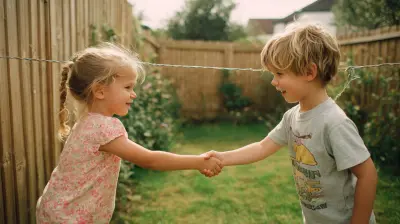
Give them something special that’s just for the two (or more) of them. Maybe it’s a weekly movie night, a Saturday pancake-making contest, or their own handshake. These shared experiences build bonds that no rivalry can break.Give Them Space (Literally and Emotionally)
Let’s face it — too much togetherness can drive anyone nuts. Boys, especially, need their own space to retreat and recharge.Personal Space Matters
If they share a room, try giving each child their own shelf, drawer, or even corner that is “off-limits” to siblings. It builds respect for privacy and boundaries.One-on-One Time with You
Each of your boys needs to feel seen and valued independently. Set aside regular one-on-one time with each child—even 15 minutes a day can work wonders. Use that time to do what they love: tossing a ball, reading together, or just chatting about their day.When each boy feels secure in his place in your heart, the need to compete for attention shrinks.
Stay Out of Small Fights
Not every argument needs an adult referee. In fact, jumping in too quickly can make things worse.Unless there’s a real risk of harm, try staying back and letting them problem-solve. Sibling rivalries can actually help kids build skills like negotiation, empathy, and conflict resolution — if we let them!
Teach Problem-Solving Skills
Coach them (outside of conflict) on how to:- Take turns speaking
- Express feelings without blaming
- Offer solutions
- Ask for help if needed
You might role-play or use stories from books or shows they like. The more they practice, the better they'll get.
Be Mindful of Birth Order Dynamics
Birth order can play a subtle — or not-so-subtle — role in sibling rivalry.- Older brothers might feel like they carry more responsibility or get blamed more easily.
- Younger brothers might feel overshadowed or babied.
Stay mindful of how your parenting style, expectations, and discipline align with each child’s age and personality. Try balancing things so each kid feels equally empowered and supported.
When to Seek Help
Sometimes, rivalry goes beyond the typical bickering.If fights turn physically violent, one child shows fear of the other, or you’re noticing long-term resentment building, it’s worth reaching out to a counselor or family therapist. No shame in that, by the way — sometimes it takes a third-party to help everyone reset.
Final Thoughts
Handling sibling rivalry between boys isn’t about eliminating conflict altogether — it’s about teaching them how to navigate it in healthy, respectful ways. Think of it more like coaching a chaotic but loveable team of puppies. There’s bound to be jumping, growling, and the occasional nip, but underneath it all is the potential for deep connection and lifelong friendship.The goal? To raise brothers who not only tolerate each other but trust, support, and — dare we say — actually like each other.
So next time you hear another, "He started it!" take a deep breath. You’re not alone, and you’ve got this—because every great relationship, even between brothers, starts with a little guidance, a lot of patience, and a whole lot of love.
all images in this post were generated using AI tools
Category:
Raising BoysAuthor:

Noah Sawyer
Discussion
rate this article
2 comments
Winter McDaniel
Great tips! Understanding and patience truly make a difference in managing sibling rivalry. Thank you for sharing!
February 19, 2026 at 3:56 AM
Noah Sawyer
Thank you! I'm glad you found the tips helpful. Understanding and patience really do go a long way.
Raine Hahn
Encourage teamwork and shared activities between brothers to foster cooperation, and set clear boundaries to manage conflicts effectively.
February 14, 2026 at 3:58 AM
Noah Sawyer
Thank you for your insight! Encouraging teamwork and setting boundaries are essential strategies for reducing sibling rivalry and promoting cooperation.