How Boundaries Reduce Anxiety in Children
3 June 2026
Parenting can feel like walking a tightrope. On one side, you want your child to feel free and independent. On the other, you want them safe, secure, and mentally healthy. One of the biggest challenges? Anxiety in children. And no, it’s not just a phase—they experience anxiety just like we do, sometimes even more intensely. But what if I told you one of the most effective ways to help your anxious child isn’t fancy therapy or another app on your phone… it’s boundaries.
Yes—you read that right. Boundaries.
While the word might sound rigid or even harsh, when done right, boundaries are like invisible safety nets. And in this article, we’ll break down exactly how boundaries reduce anxiety in children without smothering their spirit.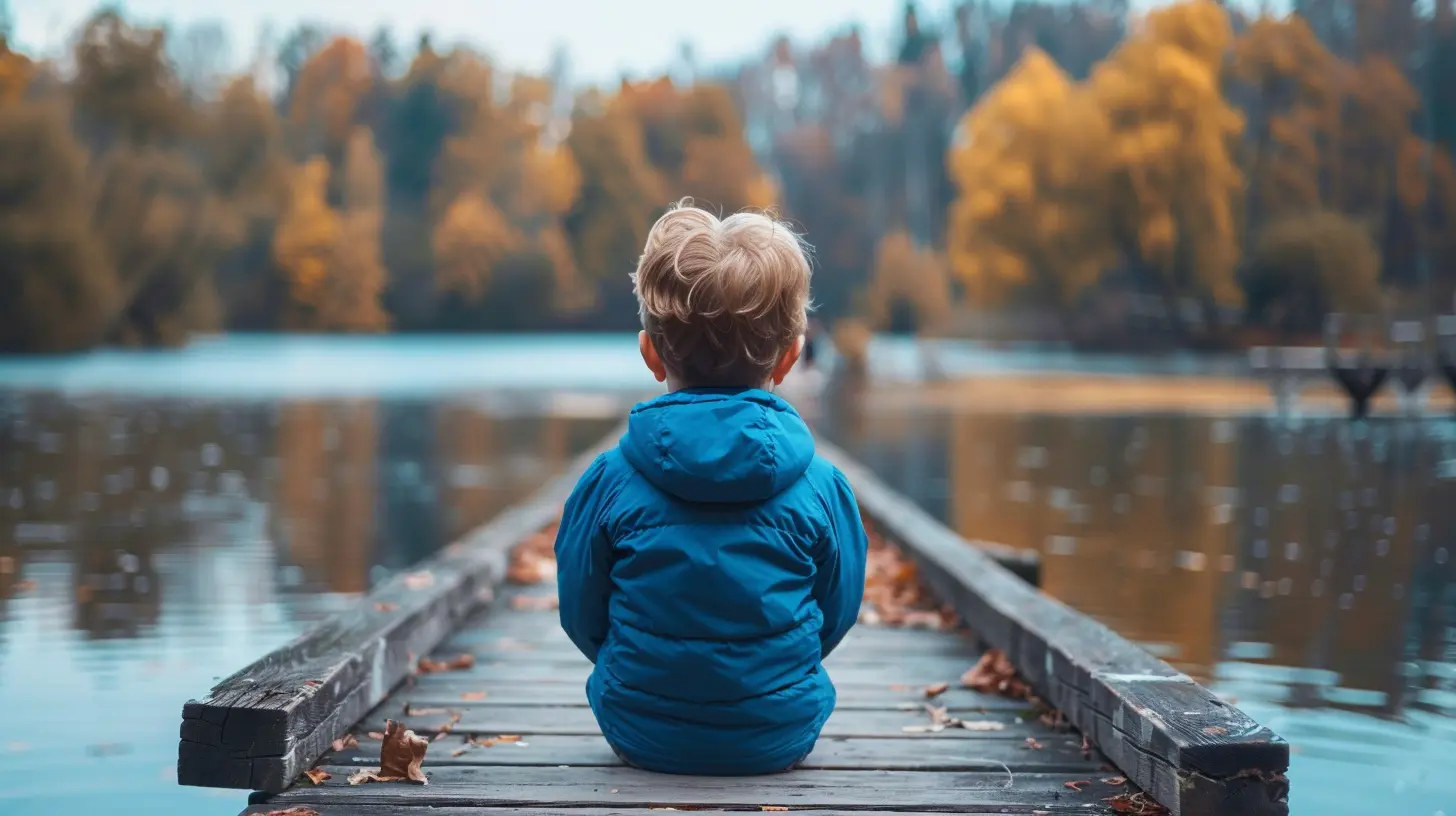
What Are Boundaries, Really?
Let's take a sec to clear up what we mean by "boundaries" in the parenting world. We’re not talking about locking up the cookie jar (though sometimes that helps too). Boundaries are clear, consistent rules, expectations, and limits you set for your kids. They're like road signs—they tell your kids where they can go, what's off-limits, and how to stay on track.Boundaries aren’t about control. They're about guidance. They protect, empower, and teach kids how to operate in the world safely and respectfully. And the best part? They create a sense of predictability—and that's the magic key for reducing anxiety.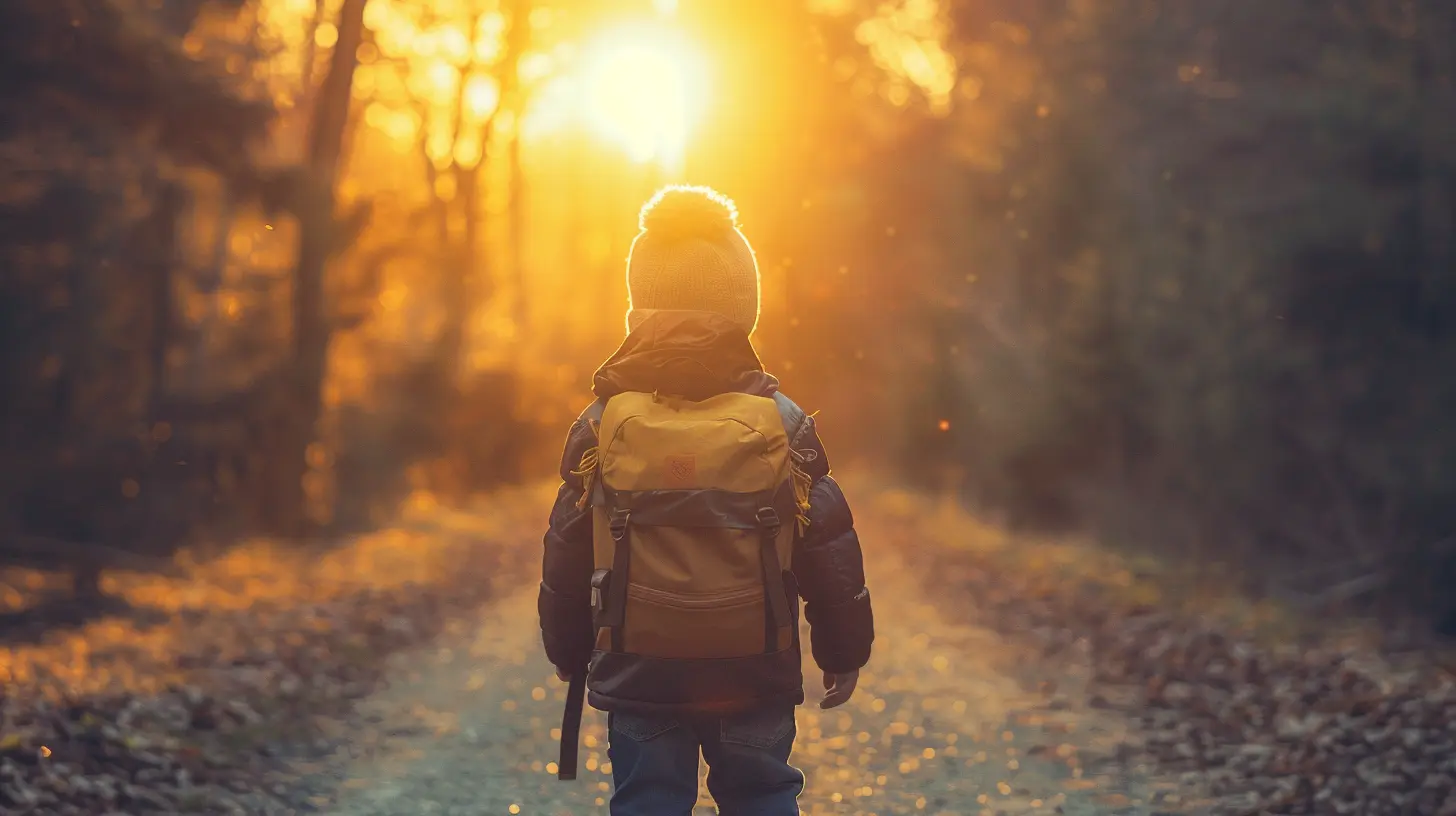
Why Anxiety Creeps In Without Boundaries
Imagine being dropped into a foreign country with no map, no GPS, and nobody telling you where to go. That’s kind of what childhood feels like without boundaries.Children crave structure—even if they say otherwise. Without it, the world feels chaotic and unpredictable. And let's be real, unpredictability is one of the biggest triggers for anxiety.
When there are no clear expectations, kids are left trying to guess what’s coming next. This guessing game can lead to:
- Fear of punishment
- Worry about making mistakes
- Constant need for reassurance
- Trouble sleeping or focusing
- Social anxiety
Sounds exhausting, right? That’s because it is—for them and for you.
The Science Behind Boundaries and Anxiety
Here’s a fun fact from child development 101: the human brain is wired to seek safety.The part of the brain that controls fight or flight—the amygdala—goes into high alert mode whenever something feels uncertain or unsafe. When children don’t know what to expect day to day (or even minute to minute), their brains interpret that as a threat.
But when there’s a clear structure with consistent rules? The brain can relax. It knows what’s happening. It feels safe.
So when we talk boundaries, we're not just setting house rules—we’re literally calming our children’s nervous systems.
How Boundaries Build Trust and Emotional Safety
Think about it. If your child knows that bedtime is at 8 p.m., screen time ends at 6 p.m., and throwing toys results in a timeout—they know what to expect. There’s no guesswork. That consistency builds a bridge between you and them called trust.And trust breeds emotional security.
Children may push back (because, let’s face it, that’s what they do), but deep down, they feel more secure knowing someone’s steering the ship. Even when they roll their eyes, they appreciate knowing the "rules of the game."
Boundaries say: “I’ve got you. I’m paying attention. You matter.”
Types of Boundaries That Help Reduce Anxiety
Not all boundaries are created equal. Some are too tight, making kids feel stifled. Others are too loose, leaving them feeling adrift. The key is finding the sweet spot—firm, but loving.Let’s break down a few key types of boundaries that really help lower anxiety:
1. Physical Boundaries
This means keeping routines in place: regular mealtimes, bedtimes, screen time limits, and homework schedules. These rhythms provide a framework for daily life and reduce uncertainty.> Pro Tip: Create visual charts for younger kids so they can “see” their routine. It gives them a sense of control and clarity.
2. Emotional Boundaries
These involve teaching kids that it’s okay to feel angry, sad, or scared—but not okay to harm themselves or others as a result. Setting limits around emotional expression actually teaches emotional regulation.Say things like:
- “It’s okay to feel upset, but it’s not okay to hit.”
- “I can see you’re angry—let’s talk about it instead of yelling.”
Helping kids set emotional boundaries with themselves and others is a lifelong skill.
3. Relational Boundaries
This includes how kids interact with siblings, friends, and even adults. Boundaries like “We don’t interrupt when someone is talking” or “No hitting or name-calling” teach them respect and safety in relationships.These boundaries teach self-respect and empathy, both of which reduce social anxiety in the long run.
4. Digital Boundaries
In today’s world, this one’s huge. Limit screen time. Know what your kids are watching. Guide them about what’s appropriate and what’s not.When kids know someone is monitoring and caring about their digital world, they feel protected—not just policed.
The Role of Consistency in Reducing Anxiety
You can’t say “No TikTok before homework” on Monday and then let them scroll for two hours on Wednesday. Inconsistency tells your child that rules are negotiable—which creates confusion. And guess what? Confusion breeds anxiety.Consistency doesn’t mean perfection—it means follow-through.
Consistency teaches:
- Boundaries are real.
- Rules aren’t punishments, they’re life guides.
- They can rely on what you say.
Boundaries Aren’t Punishments—They’re Love in Action
Here’s a mindset shift for you: boundaries are a form of love. They're not about being the "bad guy" or the "strict parent." They’re about saying: "I care enough to help guide you through this big, overwhelming world."Think of boundaries like training wheels. They help your child learn balance. Eventually, those wheels come off—but only because the foundation was strong enough to carry them forward.
Common Myths About Boundaries and Kids
Let’s bust a few myths real quick:- Myth 1: “Boundaries make kids feel trapped.”
Nope. Kids feel free within boundaries.
- Myth 2: “Boundaries lead to rebellion.”
It’s not setting limits that causes rebellion—it’s inconsistency or authoritarian enforcement that does.
- Myth 3: “My child is too anxious for structure.”
Actually, anxious kids need structure the most. It’s what calms their world.
Practical Tips for Setting Boundaries That Stick
Here are a few practical, real-world tips to set and maintain healthy boundaries without friction:1. Be Clear and Specific
Instead of saying, “Behave at the store,” say, “Stay next to the cart and use quiet voices.” Kids need specifics—not vague ideas.2. Explain the Why (Sometimes)
Helping your child understand the reason behind a boundary makes it easier to accept. “We have quiet time before bed so your brain can relax and help you fall asleep easier.”3. Follow Through
Empty threats? Kids see right through them. If you say, “If you hit, you’ll lose screen time,” then actually follow through. That’s how trust is built.4. Keep It Age Appropriate
What works for a 4-year-old won't work for a 14-year-old. Adjust your boundaries as your child grows, but never eliminate them entirely.5. Use Positive Reinforcement
Acknowledge when your child respects a boundary. “I noticed you turned off the iPad right when timer went off—great job!”What Happens When You Don’t Set Boundaries?
Let’s look at the flip side for a moment.Without boundaries, children may experience:
- High anxiety
- Difficulty with self-control
- Struggles with authority
- Poor decision-making skills
- Emotional outbursts
Without a framework, their brain has to constantly work overtime to figure out how to act, where they stand, and what will happen next. That’s a one-way ticket to stress city.
Don’t Forget Self-Boundaries
Yep, this one’s for us grown-ups. If we don’t set boundaries for ourselves (work hours, phone time, personal space), our kids see that. And they’ll either imitate the chaos—or feed off it.Modeling good boundaries is one of the most powerful parenting tools you’ve got.
Final Thoughts: It’s Not About Perfection. It’s About Progress.
Boundaries aren’t magic, but they’re pretty darn close when it comes to reducing anxiety in kids. They help create a world that feels safe, predictable, and rooted in connection.Will your kid still have meltdowns? Probably.
Will they still test the limits? Absolutely.
But deep down, they’ll feel safer. And when kids feel safe, they can thrive.
So, set that limit. Stick to that routine. Say “no” when it's needed and “yes” when it matters. And remind yourself—you're not being the bad guy. You’re being the anchor in their stormy seas.
all images in this post were generated using AI tools
Category:
Parenting BoundariesAuthor:

Noah Sawyer
Discussion
rate this article
2 comments
Zara Snow
This article really hits home. I've seen how establishing clear boundaries helps my kids feel safe and secure. It reduces their anxiety and gives them space to explore. Simple guidelines can lead to big changes in their emotional well-being.
July 29, 2026 at 3:09 AM
Noah Sawyer
I'm glad to hear that! Clear boundaries truly do make a significant difference in kids' emotional health. It's great that you're seeing those positive changes.
Audrey Moore
Setting clear boundaries can significantly lower anxiety in children. It gives them a sense of security and predictability in their environment. By knowing what to expect, kids feel more confident and better equipped to handle challenges that come their way.
June 4, 2026 at 3:15 AM
Noah Sawyer
Absolutely, clear boundaries create a stable environment that helps children feel safe and secure. This confidence makes it easier for them to face challenges.