Helping Kids Understand the Boundaries Between Play and Safety
16 February 2026
As parents, one of the biggest challenges we face is giving our children the space to explore and play while ensuring they stay safe. After all, play is an essential part of childhood. It's how kids learn, grow, and develop critical life skills. But where do we, as parents, draw the line between fun and danger? How do we help kids understand the delicate balance between having a blast and staying safe?
In this article, we’re going to dig deep into how we can guide our kids to recognize the boundaries between playtime and personal safety, without putting a damper on their fun.
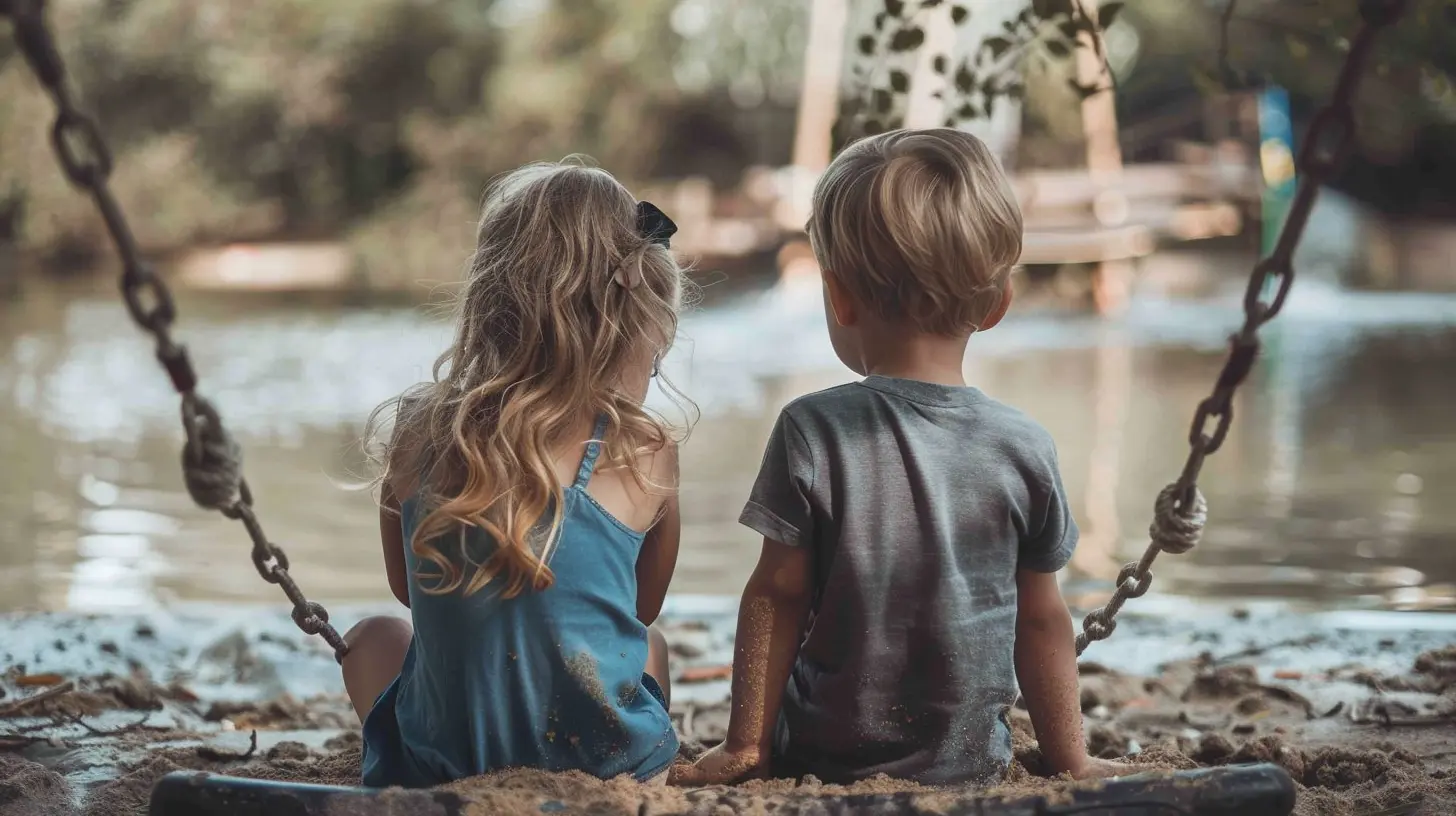
The Importance of Play in Childhood Development
Before we dive into setting boundaries, it’s worth taking a moment to reflect on why play is so important. Play isn't just about passing time or wearing out your child so they’ll sleep at night (though, let’s be honest, that’s a bonus!). It’s a vital part of a child’s cognitive, physical, social, and emotional development.Think about it: when kids play, they’re practicing decision-making, problem-solving, and interacting socially with others. Whether they’re playing hide-and-seek, building a fort, or pretending to be superheroes, they’re engaging in activities that boost their confidence and creativity.
For all these reasons, it's crucial that we don't overly restrict playtime. Instead, the goal should be to introduce boundaries that ensure our kids’ safety, while still fostering the freedom to explore and have fun.
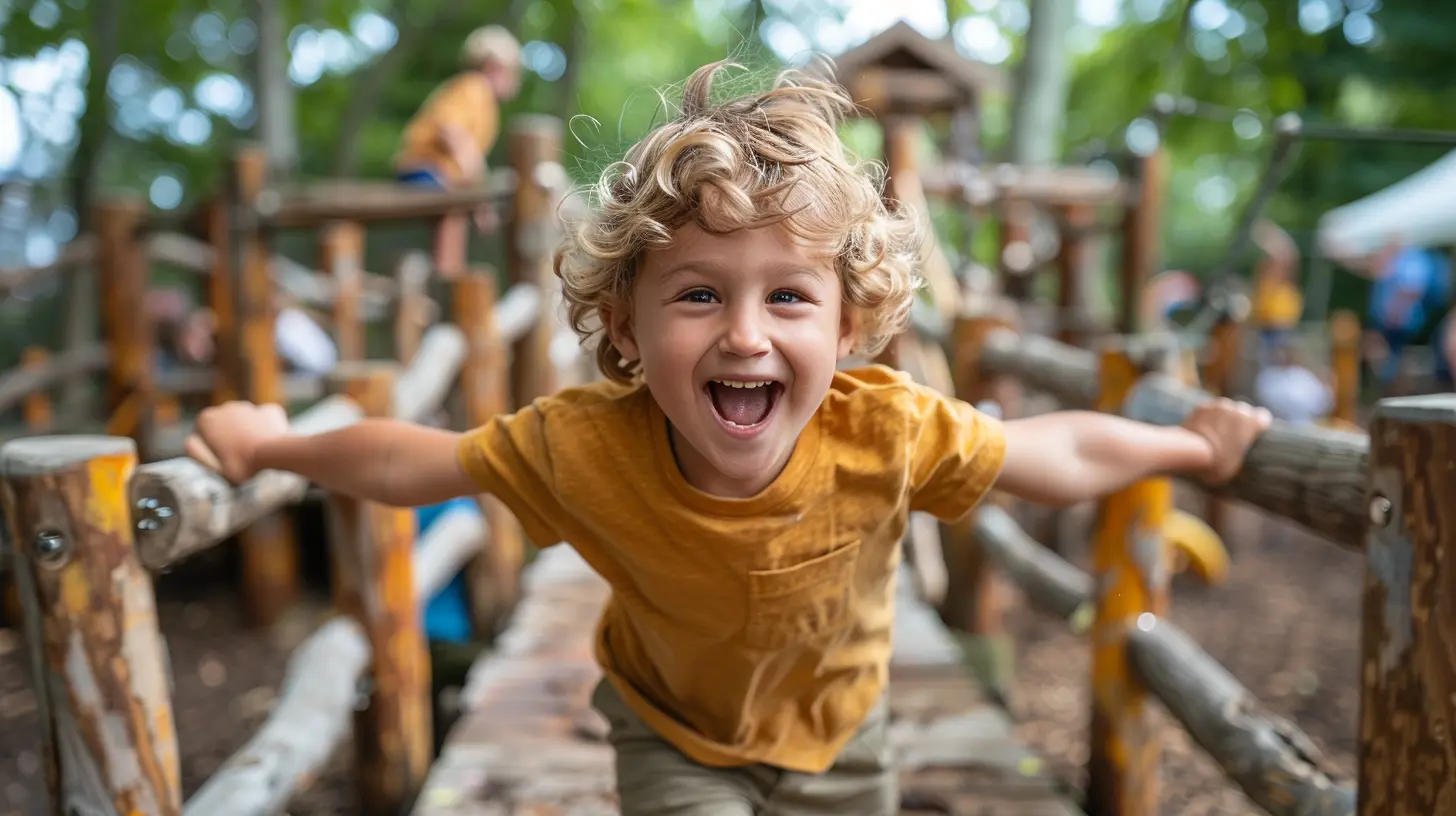
Why Setting Boundaries is Necessary
Boundaries, by definition, may sound limiting. But for kids, boundaries aren’t about taking away their freedom – they’re about providing a framework that keeps them safe. Just like adults follow rules of the road while driving to avoid accidents, kids need to understand the "rules of play" to avoid unnecessary risks.Kids, by nature, are curious and often unaware of the potential consequences of their actions. While they may see climbing the tallest tree as a fun challenge, they might not realize how dangerous it can be. That’s why it’s our job as parents to guide them through the blurry line between healthy risks and real danger.
We need to help them understand that certain activities, like roughhousing near the street or playing with sharp objects, move beyond playful exploration into unsafe territory. The key is finding that balance – keeping play fun, while ensuring that safety always comes first.
How to Help Kids Understand Play vs. Safety
So, how exactly do we teach our kids about these important boundaries? Here are some strategies that you can use, starting today:1. Have Open and Honest Conversations
Communication is the backbone of any healthy relationship, and it's no different with our children. One of the most effective ways to teach children about safety is by talking to them openly and honestly.Explain the "why" behind your rules rather than just saying "no" or "stop that." Kids are more likely to understand and remember safety rules when they know the reasons behind them.
For example, you could say, "We don’t play with sharp objects because they can hurt us," instead of just “Put that down!” This way, your child connects the rule with the consequence and is more likely to follow it in the future.
2. Use Real-Life Scenarios
It’s amazing how effective a good story can be in teaching a lesson. Kids are naturally visual learners, so using real-life examples or even examples from their own experiences can make safety concepts tangible for them.Let’s say your child witnessed a friend getting hurt while jumping off a high swing. Use that event to explain why certain playground equipment needs to be used carefully. You can say, "Remember when Sam hurt his ankle jumping from the swing? That's why we sit down and stop before we get off.”
This personalizes the lesson and makes it much more memorable.
3. Implement Simple, Understandable Rules
You don’t need a laundry list of rules to keep kids safe. In fact, having too many can make it tough for them to remember and follow along. Instead, focus on a few important, easy-to-understand guidelines.Think of these as your family’s "Golden Rules" for playtime—a handful of non-negotiables that cover the most important safety concerns. For example:
- Stay where I can see you – Always keep play within sight of an adult.
- Look both ways before crossing – A classic, but always essential.
- Ask for help if you’re unsure – Encourage kids to seek out an adult if they feel uncertain about something.
When you simplify rules and clearly reinforce them, kids are more likely to follow through.
4. Encourage Risk Assessment
Children need to learn not just rules, but how to think critically about risky situations themselves. After all, we won't always be there to supervise every moment (especially as they grow older), so it's crucial they develop the ability to judge risk on their own.Start with small, age-appropriate opportunities for them to evaluate the risks of a situation. For example, if they want to try jumping off a low wall, ask them questions like, “Do you think the wall is too high? What could happen if you fall?” This gets them thinking about the potential outcomes before they take action.
If they make a sound assessment and the risk seems manageable, allow them to try (within reason). This gives them the confidence to make decisions while still considering their safety.
5. Lead by Example
This might be one of the most overlooked, but impactful, strategies. As parents, our actions speak louder than words. If we want our kids to follow safety guidelines, we need to model those behaviors ourselves.If you're constantly glued to your phone while walking near a busy street or if you’re scaling rocks without a helmet during a family hike, your kids might think that these risky behaviors are acceptable.
Instead, make sure you're consistently modeling the same caution and boundaries you’re teaching, so your kids can see those lessons in action.
6. Turn Safety Into a Fun Game
Let’s be real: kids love games! What better way to engage them in serious topics like safety than turning it into a game they can enjoy?For instance, you could create a “Safety Patrol” game where your child earns points for following safety rules around the house or playground. Or, turn a walk to the park into a scavenger hunt where they have to identify potential hazards like slippery sidewalks or busy intersections.
The aim here is to get kids to actively participate in spotting safety issues, rather than passively following rules. This builds their awareness while keeping the learning process fun and interactive.
7. Use Positive Reinforcement
We often focus on correcting bad behavior, but what about celebrating the good? Positive reinforcement can go a long way in encouraging children to stick to safety rules.When kids follow safety guidelines during playtime, take a moment to acknowledge it. You don’t need to go overboard with rewards, but a simple, “Great job checking the street before crossing!” can boost your child’s confidence and make them more likely to repeat safe behaviors.
This approach helps to build a connection between following rules and positive outcomes, which can be just as motivating as avoiding danger.
Addressing the Balance: Risks Are a Part of Learning
It’s tempting to wrap our kids in bubble wrap and keep them from all harm. However, not all risks are bad. In fact, a certain level of risk-taking is necessary for healthy development. Skinned knees, bumps, and bruises are part of learning personal limits. Of course, this doesn’t mean allowing dangerous play, but it’s important to recognize that we can’t protect them from everything.For example, climbing a tree presents a calculated risk. Falling could result in a scrape, but the experience of climbing builds strength, coordination, and confidence. The key is finding that balance where kids can push their boundaries in a safe environment.
By teaching kids responsible risk evaluation and having open discussions about potential dangers, we help them become more independent and better at managing their own safety as they grow older.
Emphasize Safety Doesn’t Mean No Fun
It’s essential to reinforce the idea that safety rules aren’t meant to ruin their fun. Instead, they allow room for more enjoyable and carefree play. When kids understand that these boundaries are there to protect them, they’ll be less likely to see rules as restricting their freedom and more as tools that help them play safely.At the end of the day, we want our kids to feel empowered, not overly restricted – staying safe while fully embracing the magic of childhood.
Final Thoughts
Helping kids understand the boundaries between play and safety is a delicate balancing act, but it’s one that can be achieved with patience, communication, and a little creativity. By using clear rules, encouraging critical thinking, and offering positive reinforcement, we teach our children that safety is a value that enhances their play rather than detracts from it.So next time your child heads out to play, remember – the goal isn’t to prevent all risks but to equip them with the tools they need to navigate the world around them safely and responsibly. Let them jump, run, climb, and explore, because with the right guidance, they can do it all while staying safe.
all images in this post were generated using AI tools
Category:
Parenting BoundariesAuthor:

Noah Sawyer
Discussion
rate this article
2 comments
Rivenheart McEvoy
This article provides crucial insights into balancing fun and safety for kids. Clear boundaries help children understand limits, fostering both creativity and security. Practical tips make it easy for parents to reinforce these concepts, ensuring a safe environment where play can thrive.
February 19, 2026 at 3:56 AM
Noah Sawyer
I appreciate your thoughts! It's vital for kids to feel secure while exploring their creativity. Clear boundaries really do make all the difference.
Drift Wilkerson
Thank you for sharing this insightful article! It’s essential for parents to foster a safe play environment while encouraging creativity. The tips provided are practical and thoughtful, making it easier for us to teach our kids about the important balance between fun and safety.
February 18, 2026 at 4:51 AM
Noah Sawyer
Thank you for your kind words! I'm glad you found the tips helpful for fostering creativity while ensuring safety.