Handling Public Misbehaviors Without Shame
29 December 2025
Parenting isn’t always picture-perfect. One moment, you're walking through the grocery store, and the next, your toddler is on the floor, kicking and screaming because you said "no" to candy. Or maybe your older child snaps at you in public, drawing judgmental stares from passersby.
Sound familiar?
Public misbehavior is an inevitable part of parenting, and while it can feel embarrassing, it’s important to handle these moments in a way that protects your child’s emotions instead of shaming them. Instead of worrying about what others think, let’s focus on guiding our kids through these tough moments with patience, compassion, and firm boundaries.

Why Do Kids Misbehave in Public?
Before tackling behavior, it helps to understand why kids act out in public. Here are a few common reasons:- Overstimulation – Bright lights, loud noises, and crowds can overwhelm children, leading to emotional overload.
- Hunger or Fatigue – A tired or hungry child is far more likely to have a meltdown.
- Seeking Attention – If kids feel ignored, they might act out just to get your focus—even if it's negative attention.
- Lack of Control – Kids crave independence, and when they don’t have choices, they may lash out.
- Big Emotions Without Skills to Handle Them – Young children haven’t mastered emotional regulation yet, so they express frustration in the only way they know how—by acting out.
Understanding the cause behind the behavior helps you address it appropriately rather than reacting out of frustration.

How NOT to React to Public Misbehavior
Before diving into effective strategies, let’s talk about what not to do when your child misbehaves in public.1. Don’t Shame or Humiliate
Saying things like:- "You’re embarrassing me!"
- "Why are you acting like a baby?"
- "Everyone is looking at you—stop it!"
…may stop the behavior in the moment, but it damages your child’s self-esteem long-term. Kids who are shamed for their emotions often become adults who suppress their feelings instead of learning how to regulate them.
2. Avoid Empty Threats
"If you don’t stop, we’re going home!"Threats rarely work unless you’re prepared to follow through 100% of the time. Instead, set consequences that you can—and will—enforce.
3. Don’t Give In
It’s tempting to hand over the candy or screen just to stop the meltdown, but this only teaches kids that tantrums = rewards. Instead, stay firm in your decisions while offering support.
Positive Ways to Handle Public Misbehavior
Now that we know what not to do, let’s talk about handling misbehavior in a way that actually works—without resorting to shame or embarrassment.1. Stay Calm (Even When You Want to Scream)
Your child feeds off your energy. If you react with frustration, they will escalate. Instead of letting emotions take over, take a deep breath and remind yourself: This is normal, this will pass.2. Connect Before You Correct
Before jumping into discipline, acknowledge your child's feelings. A simple "I see you're really upset right now" can make your child feel heard, making them more receptive to redirection.- If they’re frustrated in a store, say: "I know you really want that toy. It’s hard when we can't get what we want."
- If they’re yelling, acknowledge their frustration: "I hear you’re mad, but we can talk without shouting."
Kids want to feel understood before they move on.
3. Give Simple Choices
When kids feel out of control, offering a choice helps them regain a sense of power without defiance.Instead of saying: "Stop running!"
Try: "You can walk beside me or hold my hand—your choice."
Instead of: "Quit whining!"
Say: "You can ask me again in a calm voice or wait until later."
This small shift turns compliance into their decision rather than a demand.
4. Use a Calm, Firm Voice
Instead of yelling, use a low, calm, and firm tone. A whisper is often more effective than a loud voice. Kids tune into softer voices because they have to focus to hear you.Try saying:
- "I need you to stop yelling. Let’s talk when you're ready to use a quiet voice."
- "I can see you’re upset. Let’s calm down, and then we’ll figure things out together."
5. Set Clear Boundaries (and Stick to Them!)
Instead of caving under pressure, set firm but kind limits.- "We are not buying candy today. I know you’re upset, but my answer won’t change."
- "I can't let you hit. If you're mad, you can use words or take deep breaths."
Follow through consistently—kids feel safest when they know what to expect from you.
6. Remove Them From the Situation if Necessary
If your child is in full meltdown mode, sometimes the best option is to remove them from the environment.- Take them to the car for a few minutes.
- Step outside the restaurant to help them reset.
- Move to a quieter area until they regain control.
This isn’t about punishment—it’s about helping them regulate emotions away from overwhelming stimuli.
7. Teach Coping Skills for Next Time
After the moment has passed and your child is calm, talk about better ways to handle big feelings.Ask: "What could we do next time instead of screaming?"
Model deep breathing, counting to ten, or using words like "I'm frustrated, but I can calm down."
Reinforce that feelings are okay—it's how we express them that matters. 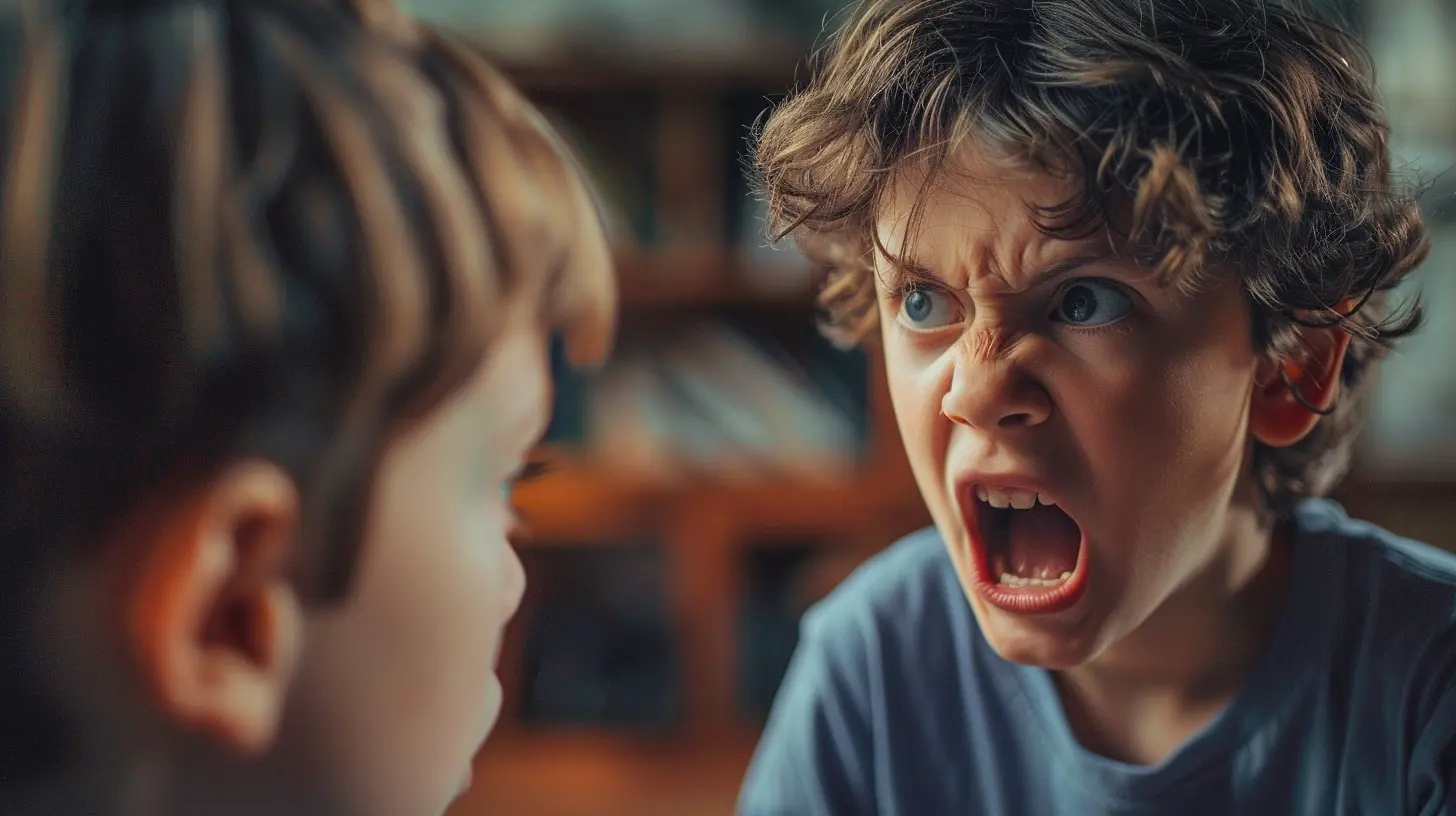
Handling Judgment from Others
Let’s be real—dealing with public tantrums is hard enough, but the judgmental stares and whispered comments from strangers? Even worse.Here’s how to handle it:
- Ignore it. Most people forget what happened five minutes later.
- Remind yourself: Everyone was a kid once. And every parent has been in your shoes.
- Advocate for your child. If someone makes a rude comment, you can say, "We're working through big feelings right now."
- Focus on your child, not the crowd. Your child needs your guidance more than a stranger’s approval.
At the end of the day, your child’s well-being is more important than public opinions.
Final Thoughts
Parenting isn’t about raising perfectly behaved kids—it’s about helping kids navigate their emotions and learn from their mistakes. Public misbehavior isn’t a reflection of bad parenting; it’s a sign that your child is still learning.Instead of reacting with shame, meet your child with understanding, compassion, and firm guidance. You’ll not only help them through the tough moments but also set them up for a lifetime of emotional intelligence and self-regulation.
So next time your child has a meltdown in the middle of Target?
Take a deep breath, ditch the shame, and handle it with love. You’ve got this.
all images in this post were generated using AI tools
Category:
Parenting StrugglesAuthor:

Noah Sawyer
Discussion
rate this article
2 comments
Ziva James
Shadows reveal secrets; how you respond shapes the future.
January 8, 2026 at 4:25 AM
Noah Sawyer
Thank you for your insightful comment! Indeed, addressing public misbehaviors thoughtfully can illuminate paths for positive change and influence future interactions.
Loretta Scott
This topic is so intriguing! How do we balance discipline and support in public without causing embarrassment? I’d love to hear more strategies!
January 6, 2026 at 5:09 AM
Noah Sawyer
Thank you for your interest! Balancing discipline and support can be achieved by using calm communication, setting clear expectations, and offering private follow-ups. Encouraging positive behavior publicly while addressing missteps discreetly can help maintain dignity and build trust.